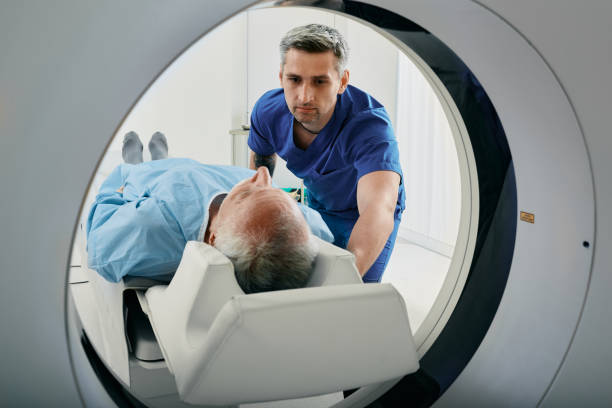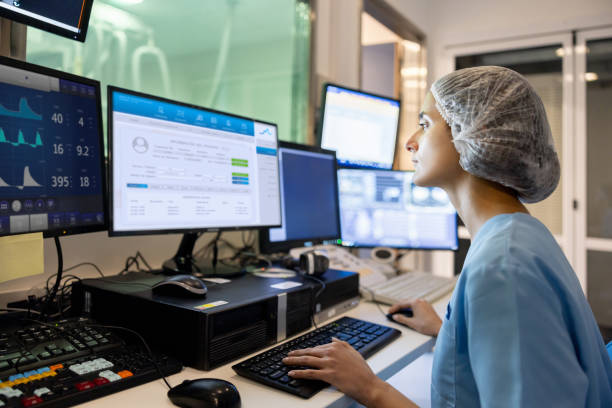
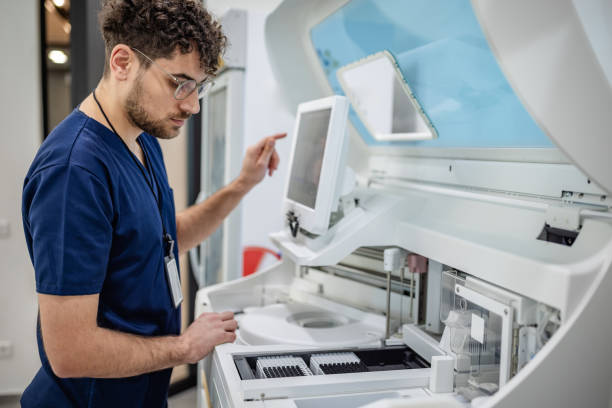
Medical Equipment Technicians troubleshoot and repair complex medical devices, perform routine maintenance to prevent malfunctions, and ensure equipment meets safety and performance standards. They collaborate with healthcare providers to address equipment issues promptly, minimizing downtime in critical care environments. Their role also includes training medical staff on proper equipment use and staying updated on technological advancements to handle cutting-edge devices. By maintaining the functionality of medical tools, these technicians directly contribute to accurate diagnoses, effective treatments, and overall patient safety in healthcare facilities.
- Equipment Installation and Setup:
- Install new medical equipment, ensuring proper setup and integration with hospital systems.
- Test devices post-installation to confirm functionality and compliance with specifications.
- Maintenance and Calibration:
- Perform routine preventive maintenance on medical equipment to avoid breakdowns.
- Calibrate devices like blood pressure monitors or imaging machines for accurate readings.
- Repair and Troubleshooting:
- Diagnose and repair malfunctions in medical equipment, replacing parts or adjusting settings as needed.
- Respond to emergency repair requests to minimize disruptions in patient care.
- Safety and Compliance:
- Ensure equipment adheres to safety standards and regulatory guidelines (e.g., FDA, ISO, or Indian standards).
- Conduct safety inspections and maintain records of maintenance and repairs for audits.
- Training and Support:
- Train healthcare staff on the correct operation and basic troubleshooting of medical devices.
- Provide technical support to clinicians during equipment use or emergencies.
- Inventory and Documentation:
- Manage inventory of spare parts, tools, and equipment manuals for quick repairs.
- Document maintenance schedules, repair logs, and equipment performance reports.
- Collaboration with Manufacturers:
- Communicate with equipment manufacturers for technical support, updates, or warranty claims.
- Assist in evaluating new equipment for purchase based on technical specifications.
- Technology Updates and Research:
- Stay informed about advancements in medical technology to handle modern equipment.
- Participate in testing or upgrading systems to improve functionality and efficiency.
| Route | Steps |
| Route 1 | 1. 10+2 with Physics, Chemistry, Mathematics/Biology (PCM/PCB) |
| 2. Diploma in Biomedical Engineering or Medical Equipment Technology (2-3 years) | |
| 3. Internship or on-the-job training in a healthcare setting (3-6 months) | |
| 4. Optional certification from recognized bodies (e.g., CBET in India context) | |
| Route 2 | 1. 10+2 with Physics, Chemistry, Mathematics/Biology (PCM/PCB) |
| 2. Bachelor’s degree in Biomedical Engineering or related field (4 years) | |
| 3. Practical training or internship in medical equipment maintenance (6-12 months) | |
| 4. Optional certification for enhanced employability | |
| Route 3 | 1. 10+2 with Physics, Chemistry, Mathematics/Biology (PCM/PCB) |
| 2. Certificate course in Medical Equipment Technology (6-12 months) | |
| 3. Hands-on experience through internships or apprenticeships in hospitals (3-6 months) | |
| Route 4 (International) | 1. 10+2 with Physics, Chemistry, Mathematics/Biology (PCM/PCB) |
| 2. Diploma or Bachelor’s in Biomedical Engineering from India (2-4 years) | |
| 3. Advanced certification or degree in Biomedical Equipment Technology abroad (1-2 years) | |
| 4. Internship in international healthcare or manufacturing settings (6-12 months) | |
| 5. Licensing or certification as per country requirements (e.g., CBET via AAMI in the USA) |
- Moderate Training Duration: Requires 6 months to 4 years of education, shorter than many clinical roles.
- Technical Focus: Centers on engineering and technology rather than direct patient interaction.
- Critical Impact: Ensures reliability of equipment vital for diagnosis and treatment.
- Collaborative Role: Works with healthcare staff and manufacturers to maintain equipment functionality.
- Growing Demand: Rising reliance on advanced medical technology increases job opportunities.
- Varied Work Settings: Opportunities in hospitals, repair shops, and equipment manufacturing firms.
- Precision-Driven: Demands accuracy in repairs and calibration for patient safety.
- Career Progression: Offers pathways to supervisory or specialized technical roles with experience.
- Evolving Technology: Requires continuous learning to keep up with medical device innovations.
- Global Scope: Skills are transferable internationally with growing healthcare infrastructure needs.
- Internships in hospitals or diagnostic centers to gain hands-on experience with medical equipment.
- Practical training in repairing and maintaining devices like ventilators, X-ray machines, and monitors.
- Participation in equipment installation projects to understand setup and integration processes.
- Exposure to calibration and safety testing under the guidance of senior technicians.
- Observerships with biomedical engineers to learn advanced troubleshooting techniques.
- Involvement in inventory management of spare parts and tools during clinical rotations.
- Training in regulatory compliance and documentation for equipment maintenance records.
- Attendance at medical technology workshops or seminars for updates on device innovations.
- Collaboration with equipment vendors for insights into manufacturer support and warranties.
- Experience in training healthcare staff on equipment use during real-world assignments.
- Diploma in Biomedical Engineering
- Bachelor’s Degree in Biomedical Engineering
- Certificate Course in Medical Equipment Technology
- Bachelor’s in Electronics Engineering with Medical Focus
- Certification in Biomedical Equipment Maintenance
- Training in Medical Imaging Equipment Repair
- Specialized Course in Critical Care Equipment Technology
- Certification in Equipment Safety and Compliance
- Training in Hospital Equipment Management Systems
- Continuing Education in Advanced Medical Device Technology
| Institute | Course/Program | Official Link |
| Indian Institute of Technology (IIT), Bombay | B.Tech in Biomedical Engineering | https://www.iitb.ac.in/ |
| Vellore Institute of Technology (VIT), Vellore | B.Tech in Biomedical Engineering | https://vit.ac.in/ |
| Manipal Institute of Technology, Manipal | B.Tech in Biomedical Engineering | https://manipal.edu/ |
| SRM Institute of Science and Technology, Chennai | B.Tech in Biomedical Engineering | https://www.srmist.edu.in/ |
| Anna University, Chennai | B.E. in Biomedical Engineering | https://www.annauniv.edu/ |
| Apollo MedSkills, Multiple Locations | Diploma in Medical Equipment Technology | https://www.apollomedskills.com/ |
| Government Polytechnic, Mumbai | Diploma in Biomedical Engineering | https://gpmumbai.ac.in/ |
| Christian Medical College (CMC), Vellore | Diploma in Medical Equipment Maintenance | https://www.cmch-vellore.edu/ |
| Netaji Subhas Institute of Technology, Delhi | B.E. in Biomedical Engineering | https://www.nsit.ac.in/ |
| Virohan Institute of Health and Management Sciences, Multiple Locations | Certificate in Medical Equipment Technology | https://virohan.com/ |
| Institution | Course | Country | Official Link |
| Massachusetts Institute of Technology (MIT) | Bachelor’s/Master’s in Biomedical Engineering | USA | https://www.mit.edu/ |
| University of Toronto Department of Engineering | Bachelor of Applied Science in Biomedical Engineering | Canada | https://www.utoronto.ca/ |
| Imperial College London Department of Bioengineering | MEng in Biomedical Engineering | UK | https://www.imperial.ac.uk/ |
| University of Melbourne School of Engineering | Master of Biomedical Engineering | Australia | https://www.unimelb.edu.au/ |
| Stanford University School of Engineering | Bachelor’s/Master’s in Bioengineering | USA | https://www.stanford.edu/ |
| University of British Columbia Faculty of Applied Science | Bachelor of Applied Science in Biomedical Engineering | Canada | https://www.ubc.ca/ |
| University of Sydney School of Biomedical Engineering | Bachelor of Engineering (Biomedical) | Australia | https://www.sydney.edu.au/ |
| ETH Zurich Department of Health Sciences and Technology | Master’s in Biomedical Engineering | Switzerland | https://ethz.ch/en.html |
| University of Otago Department of Engineering | Bachelor of Applied Science (Biomedical Focus) | New Zealand | https://www.otago.ac.nz/ |
| Johns Hopkins University Whiting School of Engineering | Bachelor’s/Master’s in Biomedical Engineering | USA | https://www.jhu.edu/ |
India:
- Joint Entrance Examination (JEE Main) for B.Tech programs in Biomedical Engineering at IITs and other top institutes.
- State-level engineering entrance exams (e.g., MHT-CET, KCET) for admission to government polytechnics or universities.
- Institute-specific entrance tests for Diploma or Certificate courses in Medical Equipment Technology (e.g., Apollo MedSkills).
- No mandatory entrance for short-term certificate courses; admission often based on 10+2 marks with PCM/PCB.
International:
- Scholastic Aptitude Test (SAT) for undergraduate programs in Biomedical Engineering in the USA or Canada.
- Graduate Record Examination (GRE) may be required for Master’s programs in Biomedical Engineering abroad.
- International English Language Testing System (IELTS) with a minimum score of 6.5-7.0 for non-native speakers in countries like Canada, UK, or Australia.
- Test of English as a Foreign Language (TOEFL) with a minimum score of 90-100 for programs in the USA or Canada.
- Country-specific certification exams for practicing as a Certified Biomedical Equipment Technician (CBET) in the USA (via Association for the Advancement of Medical Instrumentation - AAMI).
Medical Equipment Technician → Senior Medical Equipment Technician → Biomedical Equipment Supervisor → Biomedical Equipment Manager → Director of Biomedical Engineering → Medical Equipment Consultant
- Hospitals for maintaining and repairing a wide range of medical equipment in clinical settings.
- Diagnostic centers for ensuring the functionality of imaging and testing devices like MRI or ultrasound machines.
- Medical equipment manufacturing companies for testing, installing, and servicing devices at client sites.
- Biomedical repair shops for specialized off-site maintenance and calibration of medical tools.
- Research institutions for supporting equipment used in medical studies and clinical trials.
- Government health departments for maintaining equipment in public hospitals and clinics.
- Rehabilitation centers for managing devices used in physical therapy and patient recovery.
- Private clinics for servicing smaller-scale medical equipment like monitors and defibrillators.
- Field service roles for traveling to various facilities to address equipment issues on-site.
- Academic medical centers for maintaining teaching and research-related medical technology.
| India | International |
| Apollo Hospitals | Mayo Clinic, USA |
| Fortis Healthcare | Johns Hopkins Hospital, USA |
| Max Healthcare | Cleveland Clinic, USA |
| Medanta - The Medicity | GE Healthcare, USA |
| Narayana Health | Siemens Healthineers, Germany/USA |
| Manipal Hospitals | Philips Healthcare, Netherlands/USA |
| Sir Ganga Ram Hospital | Medtronic, USA |
| Kokilaben Dhirubhai Ambani Hospital | Stryker Corporation, USA |
| Christian Medical College (CMC), Vellore | Fujifilm Medical Systems, Japan/USA |
| All India Institute of Medical Sciences (AIIMS) | Canon Medical Systems, Japan/USA |
| Pros | Cons |
| Direct impact on patient care through reliable equipment | Physically demanding with occasional heavy lifting of equipment |
| Growing demand due to increasing use of medical technology | High pressure to repair critical equipment quickly in emergencies |
| Opportunity to work with cutting-edge healthcare devices | Limited direct patient interaction compared to clinical roles |
| Shorter training period compared to many healthcare careers | Risk of exposure to hazardous materials or electrical shocks |
| Potential for travel and fieldwork with equipment manufacturers | Need for continuous learning to keep up with evolving technology |
- Increasing reliance on advanced medical devices like robotic surgery systems, requiring specialized technicians.
- Growing integration of IoT in medical equipment, necessitating skills in networked device maintenance.
- Rising demand due to expanding healthcare infrastructure and aging populations needing more equipment.
- Expansion of telemedicine, creating needs for technicians to support remote diagnostic tools.
- Enhanced focus on preventive maintenance to reduce equipment downtime in critical care settings.
- Advancements in AI-driven diagnostics, requiring technicians to adapt to smart medical technologies.
- Greater emphasis on regulatory compliance, pushing for certified technicians in safety standards.
- Shift toward field service roles, with technicians traveling for on-site repairs and installations.
- Development of sustainable equipment practices, involving technicians in device recycling or upgrades.
- Global opportunities for skilled technicians with the rise of international healthcare networks.
(Figures are approximate and based on latest available data as of 2026, subject to change.)
| Career Level | India (₹ per annum) | International (US$ per annum) |
| Medical Equipment Technician (Entry-Level) | 2,50,000 - 4,50,000 | $40,000 - $55,000 |
| Senior Medical Equipment Technician | 4,50,000 - 7,00,000 | $55,000 - $70,000 |
| Biomedical Equipment Supervisor | 7,00,000 - 10,00,000 | $70,000 - $85,000 |
| Biomedical Equipment Manager | 10,00,000 - 15,00,000 | $85,000 - $110,000 |
| Director of Biomedical Engineering | 15,00,000 - 25,00,000 | $110,000 - $150,000 |
- Equipment Management Software for tracking maintenance schedules and repair histories.
- Diagnostic Software for testing and calibrating medical devices like imaging systems.
- Electronic Health Records (EHR) Interfaces for integrating equipment data with patient records.
- Inventory Management Tools for organizing spare parts and tools for quick repairs.
- Remote Monitoring Software for diagnosing equipment issues via networked systems.
- Calibration Software for ensuring precision in medical device measurements.
- Safety Compliance Platforms for documenting adherence to regulatory standards.
- Manufacturer-Specific Software for accessing technical manuals and firmware updates.
- Mobile Apps for Field Service to manage on-site repair tasks and communication.
- Data Analytics Tools for predicting equipment failures and optimizing maintenance schedules.
- Indian Association of Biomedical Engineers (IABE)
- Biomedical Engineering Society of India (BMESI)
- Association for the Advancement of Medical Instrumentation (AAMI), USA
- Canadian Medical and Biological Engineering Society (CMBES)
- Institute of Biomedical Engineering and Technology (IBET), UK
- Australian Biomedical Engineering Association (ABEA)
- European Alliance for Medical and Biological Engineering and Science (EAMBES)
- International Federation for Medical and Biological Engineering (IFMBE)
- Mr. Anil Sharma (India): A senior biomedical technician at AIIMS, New Delhi, since the 1990s, Mr. Sharma has pioneered equipment maintenance protocols for critical care in India.
- Ms.Priya Nair (India): Based in Chennai at Apollo Hospitals since the 2000s, Ms. Nair has led training programs for technicians on advanced imaging equipment across India.
- Mr. Rajesh Kumar (India): Working at Fortis Healthcare, Bangalore, since the 2010s, Mr. Kumar has streamlined ventilator maintenance during public health crises like COVID-19.
- Ms.Sneha Gupta (India): A biomedical supervisor at Max Healthcare, Delhi, since the 2000s, Ms. Gupta has focused on safety compliance for medical devices in Indian hospitals.
- Mr.Vikram Singh (India): Based in Mumbai at Narayana Health since the 1990s, Mr. Singh has contributed to cost-effective equipment repair strategies for Indian healthcare.
- Mr. Robert Jarvik (USA): A pioneer in biomedical engineering since the 1970s, Mr. Jarvik, known for the artificial heart, has inspired equipment technicians globally through innovation.
- Ms. Carol Herman (USA): A leader at AAMI since the 2000s, Ms. Herman has shaped certification standards for biomedical technicians, advancing the field in the USA.
- Mr. David Harrington (Canada): A biomedical engineering expert since the 1990s at CMBES, Mr. Harrington has influenced equipment safety protocols in Canadian hospitals.
- Ms. Jane Wilson (UK): Working with IBET since the 2000s, Ms. Wilson has driven training initiatives for medical equipment technicians across UK healthcare systems.
- Mr. Michael Brown (Australia): A field service engineer since the 1990s at ABEA, Mr. Brown has led advancements in on-site medical equipment support in Australia.
- Establish a solid foundation in electronics and biomedical principles through targeted education.
- Gain hands-on experience via internships in hospitals to master equipment repair and maintenance.
- Develop troubleshooting skills to address complex device issues under tight deadlines.
- Pursue certifications like CBET to enhance technical credibility and career prospects.
- Stay updated on medical technology advancements to handle cutting-edge devices effectively.
- Cultivate precision and attention to detail to ensure equipment safety and accuracy.
- Network with biomedical engineers and manufacturers for insights into emerging tools.
- Enhance physical dexterity to manage intricate repairs and installations with ease.
- Consider specializing in areas like imaging or critical care equipment for niche expertise.
- Maintain a commitment to patient safety by prioritizing reliable equipment performance.
Embarking on a journey as a Medical Equipment Technician provides a crucial opportunity to uphold the backbone of healthcare by ensuring the seamless operation of life-saving devices. These professionals stand as unsung heroes, safeguarding patient care through technical precision and innovation in medical technology. With diverse roles from hands-on repairs to strategic management across global healthcare landscapes, this field beckons those passionate about merging engineering with health impact. For individuals driven to support medical excellence through dependable equipment, this career offers a uniquely rewarding and forward-thinking professional path.