Interior Designing

Interior Designing is the art and science of enhancing the interior spaces of buildings to achieve a functional, aesthetically pleasing, and safe environment for users. In India, interior designing plays a crucial role in personalizing residential spaces, optimizing commercial environments, and supporting the booming real estate and hospitality sectors. With roots in traditional Indian decor and modern influences from global design trends, interior designing is vital to creating liveable and inspiring spaces. Interior Designers are essential for transforming raw spaces into personalized environments that reflect culture, lifestyle, and purpose. This career contributes to advancements through trends such as sustainable design, smart home integration, and minimalist aesthetics.
Share :
โœจ Radial Mind Map - Interior Designing
Nodes arranged in concentric circles

Loading radial mind map...

Overview

Interior Designing is the art and science of enhancing the interior spaces of buildings to achieve a functional, aesthetically pleasing, and safe environment for users. In India, interior designing plays a crucial role in personalizing residential spaces, optimizing commercial environments, and supporting the booming real estate and hospitality sectors. With roots in traditional Indian decor and modern influences from global design trends, interior designing is vital to creating liveable and inspiring spaces. Interior Designers are essential for transforming raw spaces into personalized environments that reflect culture, lifestyle, and purpose. This career contributes to advancements through trends such as sustainable design, smart home integration, and minimalist aesthetics.

Interior Designers work in diverse settings such as design firms, real estate companies, architectural consultancies, and freelance practices, often collaborating with architects, contractors, and clients. Their roles include conceptualizing space layouts, selecting materials and furnishings, and ensuring ergonomic and aesthetic harmony. They face challenges like meeting tight budgets, aligning with client visions, and adapting to evolving design preferences in a competitive market. By leveraging expertise in spatial planning, colour theory, and material selection, Interior Designers create environments that enhance comfort and productivity. As key contributors to Indiaโ€™s design and lifestyle sectors, they drive progress through trends like eco-friendly materials, modular furniture, and technology-driven designs.

Roles and Responsibilities

๐Ÿ’ผ
Interior Designing
Roles and Responsibilities
Space Planning and Layout Design
Develop functional layouts for residential, commercial, or hospitality spaces based on client needs.
Optimize space utilization while ensuring accessibility and flow within interiors.
Aesthetic Conceptualization and Visualization
Create design concepts using colour schemes, textures, and themes to match client preferences.
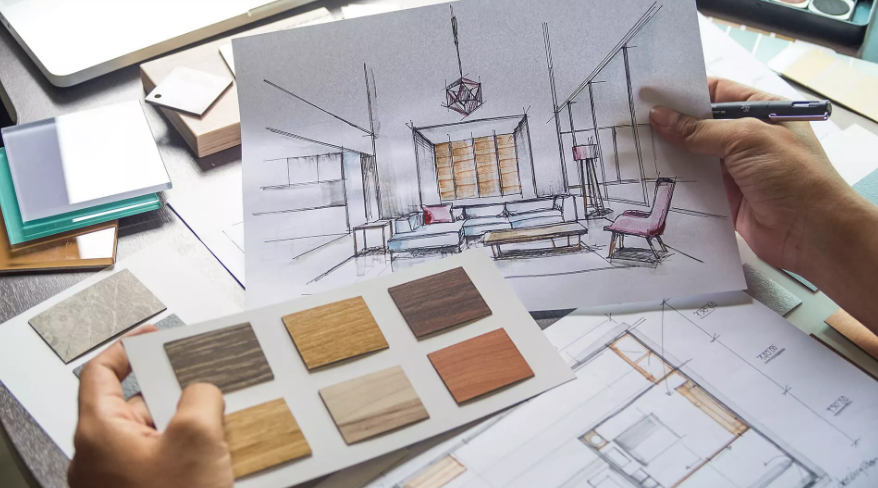
Present 2D/3D renderings or mood boards to visualize the final look of spaces.
Material and Furniture Selection
Choose appropriate materials, fabrics, and furnishings considering durability, cost, and style.
Source sustainable or locally crafted products to align with modern design ethics.
Project Coordination and Execution
Collaborate with contractors and vendors to implement designs within timelines and budgets.
Supervise on-site work to ensure alignment with approved plans and quality standards.
Lighting and Ambiance Design
Plan lighting solutions (natural and artificial) to enhance mood and functionality of spaces.
Integrate smart lighting systems for energy efficiency and user convenience.
Client Consultation and Customization
Engage with clients to understand lifestyle, cultural, and functional requirements.
Tailor designs to reflect personal tastes while adhering to practical constraints.
Budget Management and Cost Estimation
Prepare detailed cost estimates for materials, labor, and accessories for client approval.
Balance aesthetic goals with financial limitations to deliver value-driven designs.
Sustainability and Ergonomic Focus
Incorporate eco-friendly materials and energy-saving solutions in interior projects.
Design spaces with ergonomic principles to ensure user comfort and safety.

Roles and Responsibilities

  • Space Planning and Layout Design
    • Develop functional layouts for residential, commercial, or hospitality spaces based on client needs.
    • Optimize space utilization while ensuring accessibility and flow within interiors.
  • Aesthetic Conceptualization and Visualization
    • Create design concepts using colour schemes, textures, and themes to match client preferences.
    • Present 2D/3D renderings or mood boards to visualize the final look of spaces.
  • Material and Furniture Selection
    • Choose appropriate materials, fabrics, and furnishings considering durability, cost, and style.
    • Source sustainable or locally crafted products to align with modern design ethics.
  • Project Coordination and Execution
    • Collaborate with contractors and vendors to implement designs within timelines and budgets.
    • Supervise on-site work to ensure alignment with approved plans and quality standards.
  • Lighting and Ambiance Design
    • Plan lighting solutions (natural and artificial) to enhance mood and functionality of spaces.
    • Integrate smart lighting systems for energy efficiency and user convenience.
  • Client Consultation and Customization
    • Engage with clients to understand lifestyle, cultural, and functional requirements.
    • Tailor designs to reflect personal tastes while adhering to practical constraints.
  • Budget Management and Cost Estimation
    • Prepare detailed cost estimates for materials, labor, and accessories for client approval.
    • Balance aesthetic goals with financial limitations to deliver value-driven designs.
  • Sustainability and Ergonomic Focus
    • Incorporate eco-friendly materials and energy-saving solutions in interior projects.
    • Design spaces with ergonomic principles to ensure user comfort and safety.

ย 

Study Route & Eligibility Criteria

Study Route & Eligibility Criteria
Interior Designing
Bachelorโ€™s in Interior Design - Direct Entry
๐ŸŽ“
1
Complete 10+2 in any stream with minimum 50% marks
๐Ÿ“š
2
Clear entrance exams like NID DAT, NIFT, or institute-specific tests
๐Ÿ“š
3
Pursue B.Des in Interior Design or B.Sc. in Interior Design
3-4 years
๐Ÿ’ผ
4
Join design firms or start freelance practice after internships
Diploma to Degree Pathway
๐ŸŽ“
1
Complete 10th or 10+2 and enroll in a 1-3 year Diploma in Interior Design
๐Ÿ›๏ธ
2
Gain lateral entry into degree programs like B.Des or start working
๐Ÿ’ผ
3
Build portfolio through practical projects or internships
๐Ÿ’ผ
4
Join firms or pursue advanced certifications for growth
Masterโ€™s Specialization (M.Des)
๐Ÿ›๏ธ
1
Complete Bachelorโ€™s in Interior Design or related field
๐Ÿ“š
2
Pursue M.Des in Interior Design or specializations via entrance exams like CEED/GATE
๐ŸŽ“
3
Gain advanced skills through postgraduate internships or research
๐Ÿ’ผ
4
Join senior roles in firms, academia, or high-end consultancy
International Education Path
๐ŸŽ“
1
Complete 10+2 and clear relevant entrance exams or portfolio assessments
๐Ÿ›๏ธ
2
Pursue interior design degree/certification from international universities
๐Ÿ’ผ
3
Gain global exposure through internships or projects abroad
๐Ÿ’ผ
4
Return to India or work internationally with multinational design firms
Short-Term Courses and Practical Entry
๐ŸŽ“
1
Complete 10+2 or basic education in any stream
๐Ÿ“š
2
Enroll in short-term certificate courses in Interior Design
๐Ÿ’ผ
3
Work as apprentices or assistants in design firms for hands-on learning
๐Ÿ’ผ
4
Build portfolio and network to establish freelance or firm-based roles
๐ŸŽฏ Interior Designing - Professional

Significant Observations (Academic Related Points)

๐Ÿ’ก
Interior Designing
Academic Related Points
1
Eligibility Criteria:
10+2 in any stream is generally required for undergraduate programs; some institutes may prefer Arts or Design background.
2
Competitive Examinations:
Entrance exams like NID DAT, NIFT, or UCEED are required for premier design institutes in India.
3
Practical Skills:
Portfolio development and internships are often more critical than theoretical knowledge for career entry.
4
Physical Standards:
Not typically mandatory, though site visits may require mobility and long hours.
5
Creative Knowledge:
Understanding of colour theory, spatial aesthetics, and material trends is essential.
6
Continuous Training:
Staying updated through workshops on sustainable design or software is vital for relevance.
7
Field Readiness:
Exposure to real projects and client interactions builds practical competence.
8
Strategic Awareness:
Knowledge of real estate trends and smart home technologies aids in modern designs.
9
Creative and Practical Balance:
Combining artistic flair with functional design is key to client satisfaction.
10
Ethical Commitment:
Focus on sustainable practices and client transparency builds professional trust.
11
Teamwork Ability:
Collaboration with architects, contractors, and suppliers is crucial for project success.

Internships & Practical Exposure

๐Ÿ’ผ
Interior Designing
Internships & Practical Experience
1
Exposure through internships at interior design firms for hands-on project experience.
2
Training workshops on sustainable materials and smart home technologies with industry bodies.
3
Participation in home decor expos or exhibitions to showcase portfolio work.
4
Observerships at construction sites to understand space integration with architecture.
5
Involvement in hospitality design projects with hotels or restaurants for commercial exposure.
6
Exposure to design software like AutoCAD and 3ds Max during internships with tech-savvy firms.
7
Workshops on lighting design and color psychology for specialized expertise.
8
Volunteer roles in community space redesigns to build social impact profiles.
9
Collaborative projects with real estate developers for residential and office design insights.

Courses & Specializations to Enter the Field

๐Ÿ“š
Interior Designing
Courses & Specializations
๐Ÿ“–
Bachelor of Design (B.Des) in Interior Design for comprehensive training in spatial aesthetics.
๐Ÿ“–
Master of Design (M.Des) in Interior Design or Space Planning for advanced expertise.
๐Ÿ“–
B.Sc. in Interior Design for a science-based approach to design and materials.
๐Ÿ“–
Diploma in Interior Design for quick entry into the field with practical skills.
๐Ÿ“–
Specialization in Residential Design, Commercial Design, or Hospitality Design.
๐Ÿ“–
Short-term courses on 3D Rendering and Visualization with tools like SketchUp.
๐Ÿ“–
Training in Sustainable Interior Design and Green Certifications (e.g., IGBC).
๐Ÿ“–
Certifications in Lighting Design and Furniture Crafting for niche expertise.

Prominent Employers

๐Ÿข
Interior Designing
๐ŸŒŸ Top Companies & Organizations
๐Ÿ‡ฎ๐Ÿ‡ณ India
๐ŸŒ International

Advice for Aspiring Interior Designings

๐Ÿ’ก
Interior Designing
๐ŸŒŸ Tips for Students & Parents
1
Build a strong foundation in art, design basics, and spatial concepts for entrance exams.
2
Pursue internships early to gain practical exposure to client projects and site work.
3
Create a diverse portfolio showcasing residential, commercial, and conceptual designs.
4
Stay updated on design trends like sustainability and smart home technologies.
5
Develop proficiency in design software like AutoCAD, SketchUp, and 3ds Max for a competitive edge.
6
Join reputed institutes like NID or NIFT for quality education and industry connections.
7
Work on resilience to handle client revisions and tight project deadlines effectively.
8
Explore freelance or small-scale projects to build experience if firm roles are delayed.
9
Network with designers and attend decor expos to stay inspired and gain visibility.
10
Cultivate adaptability to work across diverse projects, from budget homes to luxury spaces.
11
Focus on client satisfaction by designing functional and personalized environments.
๐ŸŽ“ Final Message
A career in Interior Designing offers a unique opportunity to transform spaces by mastering aesthetics and functionality, fostering creativity through innovative solutions, and empowering individuals with every environment crafted. Interior Designers are the artists of Indiaโ€™s personal and commercial spaces, using their expertise and passion to ensure inspiring, comfortable, and sustainable interiors across diverse settings. This profession blends artistic expression with practical application, providing pathways in residential design, commercial projects, hospitality, and niche areas like set design. For those passionate about enhancing lifestyles, driven by a desire to create through design, and eager to embrace the evolving landscape of interior trends, a career in Interior Designing is a deeply rewarding journey. It empowers individuals to address unique spatial needs, maintain cultural relevance, and advance personal well-being through the transformative power of thoughtful design.
Knowledge & Skills You Will Learn
1
Creative expertise in spatial aesthetics, colour theory, and design trends
2
Technical skills for drafting layouts and using design software effectively
3
Analytical ability for space optimization and budget management
4
Project coordination to oversee timelines, vendors, and installations
5
Communication proficiency for client consultations and presentations
6
Attention to detail for ensuring precision in material selection and finishes
7
Adaptability to incorporate evolving trends like smart homes and sustainability
8
Problem-solving to address design challenges or client feedback on-site
9
Teamwork for collaborating with architects, contractors, and suppliers
10
Technological aptitude for using tools like AutoCAD, SketchUp, and 3ds Max
Project Designer (Early-Mid Level)

Project Designer (Early-Mid Level)

Early-to-mid-level designers who manage specific projects, coordinate with clients, and oversee installations. They supervise execution. Their...

0.0LPA

Senior Interior Designer (Mid-Level)

Senior Interior Designer (Mid-Level)

Mid-level professionals who lead design teams, handle high-value projects, and mentor juniors. They balance creativity with logistics. Their...

0.0LPA
Design Manager (Senior Level)

Design Manager (Senior Level)

Senior designers who oversee multiple projects, ensure brand consistency, and manage client relations in firms. They handle strategic planning....

0.0LPA

Interested in this career?

Take the next step and explore more about Interior Designing.