Aerospace Engineer
Junior Aerospace Engineer (Entry to Mid-Level)
Explore Career
The Indian Railway Service of Signal Engineers (IRSSE) is a prestigious civil service under the Government of India, categorized under the Central Civil Services (Group A). IRSSE officers are responsible for the design, installation, maintenance, and operation of signalling and telecommunication systems of Indian Railways, ensuring the safety, efficiency, and reliability of one of the world's largest railway networks. With India’s railway sector undergoing significant modernization—evident in initiatives like the adoption of the Kavach (Train Collision Avoidance System) and a projected investment of ₹50 lakh crore by 2030 under the National Rail Plan (NRP)—the demand for skilled IRSSE officers remains critical. Rooted in electronics and telecommunication engineering principles, signalling technology, and railway operations, and driven by modern trends such as digital signalling, automation, and cybersecurity, this career is central to India’s transportation framework. IRSSE professionals play a vital role in the Ministry of Railways and Indian Railways, contributing to safe train operations, communication networks, and signalling infrastructure. This career drives progress through trends like advanced train control systems, indigenous technology adoption, and digital transformation in railway operations.
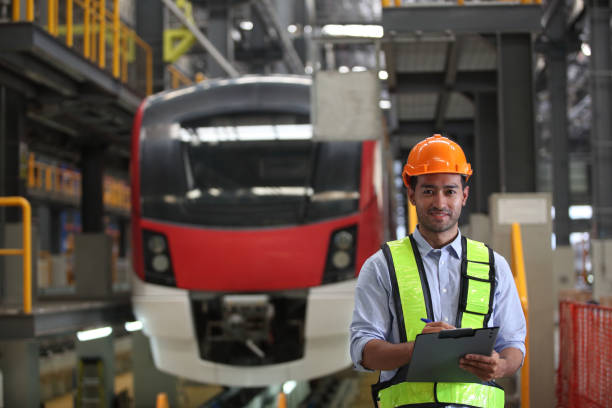
Indian Railway Service of Signal Engineers officers work in diverse environments, including railway divisions, signalling workshops, zonal headquarters, and field units across India. They collaborate with contractors, railway staff, safety inspectors, and other government bodies within the national ecosystem. Their roles include managing signalling systems for train movement, overseeing telecommunication networks, ensuring operational safety, and addressing challenges like technological upgrades, budget constraints, and cybersecurity risks. They face issues such as public scrutiny, pressure to prevent signalling failures that could lead to accidents, and the need to adapt to evolving railway technologies amidst increasing passenger and freight demands. By leveraging expertise in electronics engineering, signalling technology, and administrative skills, they ensure seamless rail operations and safety. As key contributors to India’s transportation backbone, they propel progress through trends like automatic train protection systems, digital communication networks, and sustainable railway infrastructure.
| Route | Steps |
| Route 1: Undergraduate Degree with UPSC Exam | 1. Complete 10+2 in Science stream with Physics, Chemistry, and Mathematics (PCM) with minimum passing marks. 2. Pursue a Bachelor’s degree in Engineering (Electronics/Telecommunication preferred, Electrical also eligible) (4 years). 3. Prepare for and clear the UPSC Engineering Services Examination (ESE) with IRSSE as preference. 4. Undergo training at designated institutes like the Indian Railways Institute of Signal Engineering and Telecommunications (IRISET), starting as Assistant Divisional Signal & Telecom Engineer. |
| Route 2: Postgraduate Degree with UPSC Exam | 1. Complete a Bachelor’s degree in Engineering. 2. Pursue a Master’s degree in Engineering (Electronics/Telecommunication, etc.) (1-2 years) for deeper expertise. 3. Clear the UPSC ESE with IRSSE as preferred service. 4. Join IRSSE after training at IRISET and other centers. |
| Route 3: Specialized Engineering Degree with UPSC Exam | 1. Complete 10+2 in PCM with minimum 50-60% marks. 2. Pursue a specialized B.Tech in Electronics & Communication Engineering or related fields (4 years). 3. Prepare for and clear the UPSC ESE with IRSSE as choice. 4. Start IRSSE career post-training. |
| Route 4: Diploma to Degree with UPSC Exam (Limited Scope) | 1. Complete 10+2 in PCM. 2. Pursue a Diploma in Engineering (3 years), followed by a lateral entry to a B.Tech program. 3. Clear the UPSC ESE opting for IRSSE. 4. Begin IRSSE career after training. |
| Route 5: State Engineering Services to Central Services (Limited Scope) | 1. Hold a Bachelor’s degree in Engineering. 2. Join State Engineering Departments through state-level exams. 3. Gain experience and attempt promotion to IRSSE through limited competitive exams or deputation by UPSC. 4. Transition to IRSSE roles after selection and training. |
India:
Assistant Divisional Signal & Telecom Engineer (Entry Level) → Divisional Signal & Telecom Engineer → Senior Divisional Signal & Telecom Engineer → Deputy Chief Signal & Telecom Engineer → Chief Signal & Telecom Engineer → Principal Chief Signal & Telecom Engineer → Director General (Railway Board - Apex Level)
| India (Government Bodies/Organizations) | Key Roles/Areas |
| Union Public Service Commission (UPSC), Delhi | Recruitment and Selection for IRSSE |
| Ministry of Railways, Delhi | Railway Policy Formulation and Oversight |
| Railway Board, Delhi | National Railway Signalling and Telecom Strategy |
| Indian Railways (Zonal Headquarters), Nationwide | Signalling and Telecom Systems Maintenance and Operations |
| Research Designs and Standards Organisation (RDSO), Lucknow | Research and Standardization of Signalling Technology |
| Indian Railways Institute of Signal Engineering and Telecommunications (IRISET), Secunderabad | IRSSE Training in Signalling and Telecom Engineering |
| National Academy of Indian Railways (NAIR), Vadodara | Multidisciplinary Training for Railway Officers |
| High-Speed Rail Corporation (HSRC), Delhi | Signalling Systems for High-Speed Rail Projects |
| RailTel Corporation of India Limited, Delhi | Railway Telecommunication Network Management |
| Dedicated Freight Corridor Corporation of India (DFCCIL), Delhi | Signalling for Freight Corridors |
| Pros | Cons |
| High societal impact through ensuring safe and efficient train operations | High stress due to safety concerns and signalling failure risks |
| Prestigious government role with job security and benefits like pension | Frequent transfers and postings, often to remote locations |
| Diverse responsibilities across signalling design, telecom, and modernization | Bureaucratic delays and funding issues can hinder technology upgrades |
| Opportunity to work on flagship projects like Kavach and high-speed rail signalling | Work-life balance issues due to field work and operational demands |
| Contribution to safer transport through advanced signalling and communication systems | Risk of criticism during service disruptions or accidents due to signalling errors |
| Career Level (IRSSE - Public Sector) | India (₹ per annum, Approx. as per 7th Pay Commission) |
| Assistant Divisional Signal & Telecom Engineer (Entry Level) | 6,00,000 - 8,00,000 (including allowances) |
| Divisional Signal & Telecom Engineer (Early Level) | 8,00,000 - 10,00,000 |
| Senior Divisional Signal & Telecom Engineer (Early-Mid Level) | 10,00,000 - 14,00,000 |
| Deputy Chief Signal & Telecom Engineer (Mid-Level) | 14,00,000 - 18,00,000 |
| Chief Signal & Telecom Engineer (Mid-Senior Level) | 18,00,000 - 22,00,000 |
| Principal Chief Signal & Telecom Engineer (Senior Level) | 22,00,000 - 27,00,000 |
| Director General (Railway Board - Top Tier - Apex) | 27,00,000 - 30,00,000+ |
| Note: Salaries include basic pay, dearness allowance (DA), house rent allowance (HRA), and other benefits; they vary based on posting location and seniority. |
A career in the Indian Railway Service of Signal Engineers offers a transformative opportunity to shape India’s transportation landscape by managing, designing, and maintaining the signalling and telecommunication backbone of Indian Railways. IRSSE officers are the engineers behind India’s rail safety, using their technical expertise, system management skills, and commitment to build a robust foundation for operational progress, support secure transport, and enhance mobility across diverse regions. This profession blends a passion for electronics and telecommunication engineering with public service, providing diverse pathways in signalling systems, telecom networks, train control technology, policy advisory, and beyond. For those passionate about railway safety, driven by a desire to serve the nation through transport systems, and eager to navigate the evolving landscape of smart and secure signalling engineering, becoming an IRSSE officer is a deeply rewarding journey. It empowers individuals to address critical safety needs, maintain operational integrity, and advance national well-being through the transformative power of responsible, impactful, and accessible railway governance.
Entry-level IRSSE officers handling maintenance of signalling and telecom systems at divisions, focusing on basic operations. They build...
0.0LPA
Early-level officers overseeing signalling and telecom operations in railway divisions, focusing on system upkeep. They focus on operational...
0.0LPA
Early-to-mid-level officers managing multiple signalling units, supervising maintenance, and handling safety audits. They balance oversight roles....
0.0LPA
Take the next step and explore more about Indian Railway Service of Signal Engineers (IRSSE).
Explore similar career paths that might interest you