Indian Railway Management Service (IRMS)

Summary

The Indian Railway Management Service (IRMS) is a prestigious civil service under the Government of India, categorized as a Central Civil Service (Group A), dedicated to the efficient management, operation, and development of one of the world&#821...

Share :
✨ Radial Mind Map - Indian Railway Management Service (IRMS)
Nodes arranged in concentric circles

Loading radial mind map...

Overview

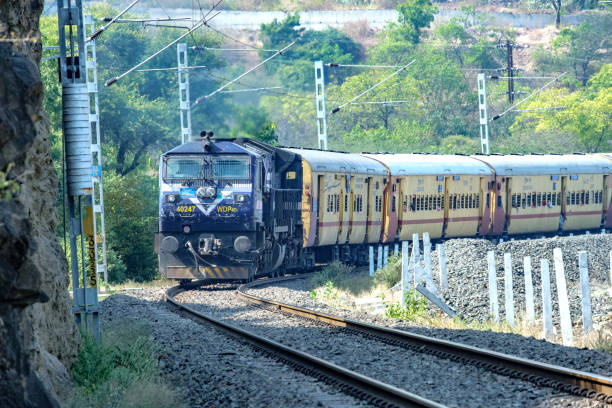
The Indian Railway Management Service (IRMS) is a prestigious civil service under the Government of India, categorized as a Central Civil Service (Group A), dedicated to the efficient management, operation, and development of one of the world’s largest railway networks—Indian Railways. Established in 2020 by merging eight existing railway services (like IRTS, IRAS, IRPS, etc.) into a unified cadre, IRMS aims to streamline railway administration and foster a multidisciplinary approach to railway management. IRMS officers are instrumental in overseeing operations, infrastructure development, financial management, and personnel administration. With Indian Railways serving over 23 million passengers daily and a budget of ₹2.4 lakh crore for 2023-24, focusing on modernization and projects like Vande Bharat, the role of IRMS officers is critical. Rooted in operational efficiency, financial accountability, and public service, and fueled by trends such as digital ticketing, high-speed rail, and sustainability, this career drives India’s connectivity and economic growth. IRMS professionals work under the Ministry of Railways, contributing to the nation’s transport backbone. This career propels progress through innovations like smart railways, safety enhancements, and infrastructure upgrades.
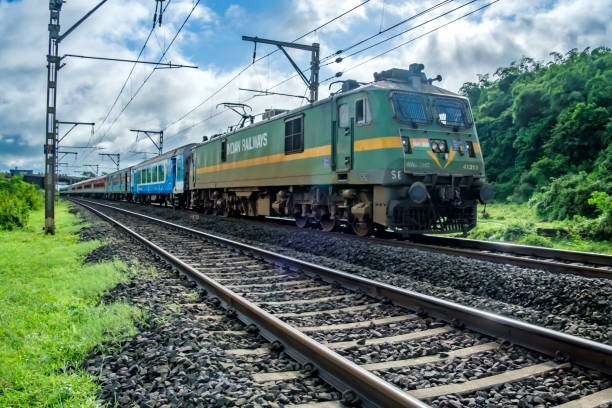
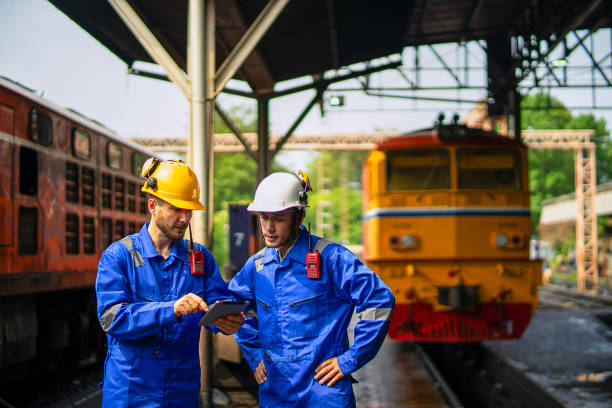
Indian Railway Management Service officers operate in diverse environments, including zonal railway headquarters, divisional offices, production units, and field stations across India’s vast railway network. They collaborate with railway personnel, government bodies, contractors, and public stakeholders within the national ecosystem. Their roles encompass managing train operations, infrastructure projects, financial oversight, and human resources while tackling challenges like operational delays, budget constraints, and the need for continuous modernization of aging infrastructure. They face issues such as public scrutiny, pressure to enhance safety standards, and balancing commercial goals with social obligations amidst evolving technological and policy demands. By leveraging expertise in railway operations, financial management, and strategic planning, they ensure seamless connectivity and efficiency. As key contributors to India’s transport and economic framework, they drive progress through trends like digital railway systems, high-speed corridors, and sustainable practices.

Roles and Responsibilities

💼
Indian Railway Management Service (IRMS)
Roles and Responsibilities
Operational Management
Oversee train scheduling, punctuality, and traffic management to ensure smooth railway operations across zones and divisions.
Coordinate with control rooms and field staff to manage emergencies, disruptions, and peak traffic periods.
Infrastructure Development and Maintenance
Plan and execute railway infrastructure projects, including track electrification, station redevelopment, and new line construction under schemes like Amrit Bharat Station Scheme.
Supervise maintenance of tracks, rolling stock, and signaling systems to ensure safety and reliability.
Financial and Commercial Oversight
Manage railway budgets, revenue collection, and expenditure control at zonal and divisional levels, ensuring fiscal discipline.
Drive commercial initiatives like dynamic pricing, freight optimization, and non-fare revenue through station advertisements and leasing.
Human Resource Management
Administer recruitment, training, and welfare of railway personnel, addressing grievances and ensuring workforce efficiency.
Implement policies for employee safety, skill development, and diversity inclusion across the railway cadre.
Safety and Security
Ensure compliance with safety protocols, accident prevention measures, and modernization of safety systems like Kavach (anti-collision technology).
Coordinate with Railway Protection Force (RPF) and other agencies to enhance passenger and asset security.
Policy Implementation and Advisory
Assist in formulating railway policies on modernization, sustainability, and digitalization under the Ministry of Railways and Railway Board.
Provide strategic inputs for long-term projects like Dedicated Freight Corridors (DFC) and high-speed rail networks.
Customer Service and Public Relations
Address passenger complaints, improve service quality through feedback mechanisms, and enhance amenities at stations.
Manage public communication during crises, delays, or major railway events to maintain trust and transparency.
Digital Transformation and Innovation
Implement digital tools like the Unified Train Enquiry System (UTES), e-ticketing via IRCTC, and real-time tracking for operational efficiency.
Drive adoption of smart railway technologies, including IoT for asset monitoring and AI for predictive maintenance.
Training and Capacity Building
Train junior officers and staff in railway management, safety protocols, and emerging technologies at institutes like IRITM.
Stay updated on global railway trends, national policies, and technological advancements through continuous learning programs.
Eligibility Criteria
: Bachelor’s degree from a recognized university; age limit 21-32 years (as of August 1 of exam year) with relaxations for reserved categories; Indian citizenship mandatory for IRMS.
Competitive Examination
: UPSC Civil Services Examination (CSE) with three stages—Prelims, Mains, and Interview—is mandatory for entry. IRMS aspirants must rank appropriately and opt for the service.
Age and Attempt Limit
: General category candidates get 6 attempts, OBC 9, and SC/ST unlimited (up to age limit).
Professional Certifications
: Not mandatory, but qualifications like MBA, B.Tech, or courses in transport management can aid preparation and service.
Practical Skills
: Strong analytical, operational, and management skills are critical for railway operations and project execution roles.
Physical Standards
: Basic fitness required; specific medical tests conducted post-selection for service fitness.
Multidisciplinary Knowledge
: Understanding railway operations, financial management, engineering basics, and current transport policies is essential for exam and job roles.
Continuous Learning
: Regular updates on railway budgets, safety protocols, and digital tools are necessary during preparation and service.
Field Readiness
: Training at LBSNAA and institutes like Indian Railway Institute of Transport Management (IRITM), Lucknow, prepares officers for real-world railway challenges.
Interdisciplinary Awareness
: Knowledge of engineering, economics, and IT aids in effective infrastructure and operational management.
Cultural Adaptability
: Sensitivity to diverse regional practices and passenger needs is crucial for postings across India.
Teamwork and Networking Ability
: Collaboration with railway zones, government bodies, and contractors boosts career effectiveness.
Ethical Commitment
: Dedication to public service, safety, and operational transparency drives long-term success in IRMS.
UPSC Civil Services Examination (CSE)
: Mandatory for entry into IRMS, consisting of Preliminary (objective), Mains (descriptive), and Interview (personality test) stages; conducted annually. Ranking and preference determine allocation to IRMS.
Railway Recruitment Board (RRB) Exams
: For entry into Group B or lower railway cadres, which can be a pathway to IRMS through promotion (limited seats via departmental exams or UPSC).
University-Specific Tests for Academic Programs
: Some institutes like IITs or IIMs conduct entrance exams (e.g., JEE, CAT) for engineering or management programs relevant to railway expertise.
Railway Board, Ministry of Railways
: National-level policy formulation and strategic oversight (Headquarters, Delhi).
Zonal Railway Headquarters
: Management of operations, infrastructure, and finances across 17 railway zones in India.
Divisional Railway Offices
: Operational and administrative control at the divisional level (e.g., Delhi Division, Northern Railway).
Railway Production Units
: Oversight of manufacturing rolling stock at units like Integral Coach Factory (ICF), Chennai.
Railway Public Sector Undertakings (PSUs)
: Management roles in entities like IRCTC (ticketing), CONCOR (logistics), and RITES (consultancy).
Station Management
: Field-level oversight of major stations for passenger services, safety, and revenue generation.
Dedicated Freight Corridor Corporation of India (DFCCIL)
: Financial and operational management of freight corridors for cargo efficiency.
High-Speed Rail Projects
: Strategic roles in projects like Mumbai-Ahmedabad High-Speed Rail under National High-Speed Rail Corporation (NHSRCL).
Railway Training Institutes
: Capacity building and policy implementation support at institutes like NAIR and IRITM.
Safety and Modernization Units
: Implementation of safety technologies and infrastructure upgrades across the network.
Digital Railway Systems
: Increased adoption of e-ticketing, real-time tracking, and IoT for asset monitoring, as seen in IRCTC and UTS apps.
Safety Modernization
: Implementation of indigenous Kavach technology for automatic train protection and collision avoidance.
Sustainability Initiatives
: Push for 100% track electrification by 2024 and net-zero carbon emissions by 2030 under Indian Railways’ green policies.
Freight Optimization
: Growth of Dedicated Freight Corridors (Eastern and Western DFC) to boost cargo efficiency and decongest passenger lines.
Capacity Building
: Continuous training in digital tools, safety systems, and global railway trends at IRITM for IRMS officers.
Public-Private Partnerships (PPP)
: Encouraging private investment in railway operations (e.g., Tejas Express) for revenue diversification.
Smart Railways
: Adoption of AI for predictive maintenance, crowd management, and operational efficiency across networks.
Passenger-Centric Reforms
: Enhancing user experience through Vande Bharat Express, improved catering, and accessibility for differently-abled passengers.
Railway Management Systems
: Indian Railways’ in-house platforms like FOIS (Freight Operations Information System) for cargo tracking.
Data Analytics Tools
: Software for analyzing passenger traffic, revenue data, and operational efficiency.
Unified Train Enquiry System (UTES)
: Tool for real-time train status and passenger information management.
IRCTC E-Ticketing Platform
: Digital system for ticket booking, cancellations, and revenue tracking.
Safety Monitoring Tools
: Systems like Kavach and SIMRAN for train protection and tracking.
Financial Oversight Software
: Tools for railway budgeting, expenditure control, and audit reporting.
Legal and Policy Databases
: Access to Railway Act, 1989, and government transport policies for compliance reference.
Railway Budget Reports
: Annual Railway Budget and performance reports for planning and evaluation.
Training Modules
: Resources from IRITM, NAIR, and LBSNAA for skill development in railway management.
Current Affairs Resources
: Newspapers (The Hindu, Business Standard) and PIB updates for railway and transport news.
AshwiniVaishnaw (India, 1970-)
: Current Minister of Railways (since 2021) and former IRMS officer, driving modernization with Vande Bharat and station redevelopment. His vision transforms connectivity. His impact boosts efficiency.
Suneet Sharma (India, 1960-)
: Former Chairman and CEO, Railway Board (2021-2022), focused on freight corridors and safety enhancements. His strategies optimized logistics. His impact strengthened networks.
Vinod Kumar Yadav (India, 1961-)
: Former Chairman and CEO, Railway Board (2019-2021), led electrification and digital ticketing reforms. His leadership modernized systems. His impact enhanced access.
V.K. Tripathi (India, 1962-)
: Former Chairman and CEO, Railway Board (2022-2023), emphasized operational efficiency and high-speed rail projects. His oversight improved performance. His impact elevated mobility.
Lalit Chandra Trivedi (India, 1958-)
: Former General Manager, South Central Railway, known for infrastructure upgrades and safety initiatives. His efforts built reliability. His impact supported growth.
Anil Kumar Lahoti (India, 1960-)
: Current Chairman and CEO, Railway Board (since 2023), focusing on sustainability and passenger-centric reforms. His policies drive innovation. His impact uplifts services.
RajniHasija (India, 1963-)
: Senior IRMS officer, first woman CMD of IRCTC, pioneered digital ticketing and tourism initiatives. Her leadership broke barriers. Her impact enhanced user experience.
Gautam Ray (India, 1959-)
: Former General Manager, Eastern Railway, contributed to operational reforms and freight optimization. His work streamlined cargo. His impact boosted revenue.
Archana Joshi (India, 1965-)
: Senior IRMS officer, led station redevelopment and passenger service improvements as General Manager. Her initiatives upgraded amenities. Her impact improved trust.
P.C. Sharma (India, 1957-)
: Former Member, Railway Board, focused on safety systems and accident prevention during his tenure. His vision secured lives. His impact reinforced safety.

Roles and Responsibilities

  • Operational Management
    • Oversee train scheduling, punctuality, and traffic management to ensure smooth railway operations across zones and divisions.
    • Coordinate with control rooms and field staff to manage emergencies, disruptions, and peak traffic periods.
  • Infrastructure Development and Maintenance
    • Plan and execute railway infrastructure projects, including track electrification, station redevelopment, and new line construction under schemes like Amrit Bharat Station Scheme.
    • Supervise maintenance of tracks, rolling stock, and signaling systems to ensure safety and reliability.
  • Financial and Commercial Oversight
    • Manage railway budgets, revenue collection, and expenditure control at zonal and divisional levels, ensuring fiscal discipline.
    • Drive commercial initiatives like dynamic pricing, freight optimization, and non-fare revenue through station advertisements and leasing.
  • Human Resource Management
    • Administer recruitment, training, and welfare of railway personnel, addressing grievances and ensuring workforce efficiency.
    • Implement policies for employee safety, skill development, and diversity inclusion across the railway cadre.
  • Safety and Security
    • Ensure compliance with safety protocols, accident prevention measures, and modernization of safety systems like Kavach (anti-collision technology).
    • Coordinate with Railway Protection Force (RPF) and other agencies to enhance passenger and asset security.
  • Policy Implementation and Advisory
    • Assist in formulating railway policies on modernization, sustainability, and digitalization under the Ministry of Railways and Railway Board.
    • Provide strategic inputs for long-term projects like Dedicated Freight Corridors (DFC) and high-speed rail networks.
  • Customer Service and Public Relations
    • Address passenger complaints, improve service quality through feedback mechanisms, and enhance amenities at stations.
    • Manage public communication during crises, delays, or major railway events to maintain trust and transparency.
  • Digital Transformation and Innovation
    • Implement digital tools like the Unified Train Enquiry System (UTES), e-ticketing via IRCTC, and real-time tracking for operational efficiency.
    • Drive adoption of smart railway technologies, including IoT for asset monitoring and AI for predictive maintenance.
  • Training and Capacity Building
    • Train junior officers and staff in railway management, safety protocols, and emerging technologies at institutes like IRITM.
    • Stay updated on global railway trends, national policies, and technological advancements through continuous learning programs.


Study Route & Eligibility Criteria

RouteSteps
Route 1: Undergraduate Degree with UPSC Exam1. Complete 10+2 in any stream with minimum passing marks.
2. Pursue a Bachelor’s degree in any discipline (3-4 years).
3. Prepare for and clear the UPSC Civil Services Examination (CSE) with IRMS as preference.
4. Undergo training at Lal Bahadur Shastri National Academy of Administration (LBSNAA) and specialized railway institutes, starting as Assistant Divisional Manager or equivalent.
Route 2: Postgraduate Degree with UPSC Exam1. Complete a Bachelor’s degree in any discipline.
2. Pursue a Master’s degree in Management, Engineering, or related fields (1-2 years) for deeper knowledge.
3. Clear the UPSC CSE with IRMS as preferred service.
4. Join IRMS after training at LBSNAA and railway institutes.
Route 3: Engineering Degree with UPSC Exam1. Complete 10+2 in Science stream with minimum 50-60% marks.
2. Pursue a B.Tech/B.E. in Civil, Mechanical, Electrical, or related fields (4 years).
3. Prepare for and clear the UPSC CSE with IRMS as choice.
4. Start IRMS career post-training at LBSNAA and railway institutes.
Route 4: Commerce/Management Focus with UPSC Exam1. Complete 10+2 in Commerce or related stream with minimum 50-60% marks.
2. Pursue a B.Com, BBA, or related degree (3 years).
3. Clear the UPSC CSE opting for IRMS.
4. Begin IRMS career after training.
Route 5: Internal Promotion (Limited Scope)1. Join Indian Railways in Group B or lower cadres through Railway Recruitment Board (RRB) exams.
2. Gain experience and qualify for promotion to IRMS through limited competitive exams or departmental selection by UPSC.
3. Transition to IRMS roles after selection and training.


Significant Observations (Academic Related Points)

  • Eligibility Criteria: Bachelor’s degree from a recognized university; age limit 21-32 years (as of August 1 of exam year) with relaxations for reserved categories; Indian citizenship mandatory for IRMS.
  • Competitive Examination: UPSC Civil Services Examination (CSE) with three stages—Prelims, Mains, and Interview—is mandatory for entry. IRMS aspirants must rank appropriately and opt for the service.
  • Age and Attempt Limit: General category candidates get 6 attempts, OBC 9, and SC/ST unlimited (up to age limit).
  • Professional Certifications: Not mandatory, but qualifications like MBA, B.Tech, or courses in transport management can aid preparation and service.
  • Practical Skills: Strong analytical, operational, and management skills are critical for railway operations and project execution roles.
  • Physical Standards: Basic fitness required; specific medical tests conducted post-selection for service fitness.
  • Multidisciplinary Knowledge: Understanding railway operations, financial management, engineering basics, and current transport policies is essential for exam and job roles.
  • Continuous Learning: Regular updates on railway budgets, safety protocols, and digital tools are necessary during preparation and service.
  • Field Readiness: Training at LBSNAA and institutes like Indian Railway Institute of Transport Management (IRITM), Lucknow, prepares officers for real-world railway challenges.
  • Interdisciplinary Awareness: Knowledge of engineering, economics, and IT aids in effective infrastructure and operational management.
  • Cultural Adaptability: Sensitivity to diverse regional practices and passenger needs is crucial for postings across India.
  • Teamwork and Networking Ability: Collaboration with railway zones, government bodies, and contractors boosts career effectiveness.
  • Ethical Commitment: Dedication to public service, safety, and operational transparency drives long-term success in IRMS.


Internships & Practical Exposure

  • Exposure through internships with zonal railway offices or divisional units for insights into operational and financial management practices.
  • Training in railway operations through observerships at stations, control rooms, or production units during preparation or post-selection.
  • Participation in mock operational planning or case studies at coaching institutes to simulate real-world scenarios for UPSC preparation.
  • Observerships with railway PSUs like IRCTC or CONCOR to understand commercial and logistics mechanisms.
  • Involvement in railway modernization programs or public service initiatives for practical understanding of connectivity challenges.
  • Exposure to digital railway tools and ticketing systems during training at IRITM or through online platforms.
  • Workshops on railway safety, infrastructure development, and digital transformation for management readiness.
  • Volunteer roles in railway passenger service campaigns or safety awareness drives to apply theoretical knowledge and build networks.
  • Collaborative projects with peers during training to tackle real-world challenges like train delays, safety lapses, or budget overruns.


Courses & Specializations to Enter the Field

  • Bachelor’s in any discipline (B.A./B.Sc./B.Com) for eligibility to appear in UPSC CSE.
  • Master’s in Management, Public Administration, or Engineering (MBA/MPA/M.Tech) for advanced expertise in railway-related domains.
  • Professional Degrees like B.Tech/B.E. in Civil, Mechanical, Electrical, or MBA (Operations/Transport) for domain-specific advantages in service.
  • Specializations in Transport Management, Logistics, or Infrastructure Development during higher studies.
  • Short-term courses on Railway Operations, Safety Protocols, and Current Transport Policies for UPSC preparation.
  • Training in Railway Management, Digital Tools, and Project Execution through online platforms or institutes like IRITM.
  • Certifications like IGNOU’s Diploma in Transport Economics or courses from NIFM (National Institute of Financial Management) for governance knowledge.


Top Institutes for IRMS Preparation and Related Studies (India)

InstituteCourse/ProgramOfficial Link
Lal Bahadur Shastri National Academy of Administration (LBSNAA), MussoorieIRMS Initial Training for Selected Candidateshttps://www.lbsnaa.gov.in/
Indian Railway Institute of Transport Management (IRITM), LucknowSpecialized Training for IRMS Officershttps://iritm.indianrailways.gov.in/
Vajiram & Ravi, DelhiUPSC CSE Coaching and Preparationhttps://www.vajiramandravi.com/
Drishti IAS, DelhiUPSC CSE Coaching (English/Hindi Medium)https://www.drishtiias.com/
Rau’s IAS Study Circle, DelhiUPSC CSE Preparation and Mentorshiphttps://www.rauias.com/
Indian Institute of Technology (IIT), Delhi/KharagpurB.Tech/M.Tech in Civil/Mechanical Engineeringhttps://www.iitd.ac.in/
National Institute of Financial Management (NIFM), FaridabadPrograms in Public Finance and Managementhttps://nifm.ac.in/
National Academy of Indian Railways (NAIR), VadodaraTraining in Railway Operations and Managementhttps://nair.indianrailways.gov.in/
Indian Institute of Management (IIM), AhmedabadMBA in Operations and Transport Managementhttps://www.iima.ac.in/
University of Delhi, Faculty of Management StudiesMBA/B.Com in Management and Commercehttps://www.du.ac.in/


Entrance Tests Required

India:

  • UPSC Civil Services Examination (CSE): Mandatory for entry into IRMS, consisting of Preliminary (objective), Mains (descriptive), and Interview (personality test) stages; conducted annually. Ranking and preference determine allocation to IRMS.
  • Railway Recruitment Board (RRB) Exams: For entry into Group B or lower railway cadres, which can be a pathway to IRMS through promotion (limited seats via departmental exams or UPSC).
  • University-Specific Tests for Academic Programs: Some institutes like IITs or IIMs conduct entrance exams (e.g., JEE, CAT) for engineering or management programs relevant to railway expertise.


Ideal Progressing Career Path (for IRMS)

Assistant Divisional Railway Manager (Entry Level) → Divisional Railway Manager → Senior Divisional Railway Manager → General Manager (Zonal Level) → Member of Railway Board → Chairman and CEO, Railway Board (Top Tier)


Major Areas of Employment

  • Railway Board, Ministry of Railways: National-level policy formulation and strategic oversight (Headquarters, Delhi).
  • Zonal Railway Headquarters: Management of operations, infrastructure, and finances across 17 railway zones in India.
  • Divisional Railway Offices: Operational and administrative control at the divisional level (e.g., Delhi Division, Northern Railway).
  • Railway Production Units: Oversight of manufacturing rolling stock at units like Integral Coach Factory (ICF), Chennai.
  • Railway Public Sector Undertakings (PSUs): Management roles in entities like IRCTC (ticketing), CONCOR (logistics), and RITES (consultancy).
  • Station Management: Field-level oversight of major stations for passenger services, safety, and revenue generation.
  • Dedicated Freight Corridor Corporation of India (DFCCIL): Financial and operational management of freight corridors for cargo efficiency.
  • High-Speed Rail Projects: Strategic roles in projects like Mumbai-Ahmedabad High-Speed Rail under National High-Speed Rail Corporation (NHSRCL).
  • Railway Training Institutes: Capacity building and policy implementation support at institutes like NAIR and IRITM.
  • Safety and Modernization Units: Implementation of safety technologies and infrastructure upgrades across the network.


Prominent Employers/Associated Organizations

India (Government Bodies/Organizations)Key Roles/Areas
Union Public Service Commission (UPSC), DelhiRecruitment and Selection for IRMS
Ministry of Railways, DelhiRailway Policy and Strategic Oversight
Railway Board, DelhiNational Railway Management and Governance
Indian Railway Institute of Transport Management (IRITM), LucknowIRMS Training in Operations and Management
Lal Bahadur Shastri National Academy of Administration (LBSNAA), MussoorieInitial IRMS Training
National Academy of Indian Railways (NAIR), VadodaraTraining in Railway Operations
Indian Railways Zonal Headquarters (17 Zones Nationwide)Zonal Operations and Administration
Dedicated Freight Corridor Corporation of India (DFCCIL), DelhiFreight Corridor Management
National High-Speed Rail Corporation Limited (NHSRCL), DelhiHigh-Speed Rail Project Oversight
Indian Railway Catering and Tourism Corporation (IRCTC), DelhiTicketing and Tourism Services


Pros and Cons of the Profession

ProsCons
High societal impact through managing India’s largest transport networkLimited public recognition compared to other civil services like IAS
Prestigious government role with job security and benefits like pensionFrequent transfers and postings, often to remote or smaller stations
Diverse responsibilities across operations, infrastructure, and financeHigh workload during peak seasons or major railway projects
Opportunity to drive modernization and safety in public transportBureaucratic delays and resistance in implementing reforms or upgrades
Contribution to national connectivity and economic growthWork-life balance issues due to extensive fieldwork and operational crises


Industry Trends and Future Outlook

  • Digital Railway Systems: Increased adoption of e-ticketing, real-time tracking, and IoT for asset monitoring, as seen in IRCTC and UTS apps.
  • Safety Modernization: Implementation of indigenous Kavach technology for automatic train protection and collision avoidance.
  • Sustainability Initiatives: Push for 100% track electrification by 2024 and net-zero carbon emissions by 2030 under Indian Railways’ green policies.
  • Freight Optimization: Growth of Dedicated Freight Corridors (Eastern and Western DFC) to boost cargo efficiency and decongest passenger lines.
  • Capacity Building: Continuous training in digital tools, safety systems, and global railway trends at IRITM for IRMS officers.
  • Public-Private Partnerships (PPP): Encouraging private investment in railway operations (e.g., Tejas Express) for revenue diversification.
  • Smart Railways: Adoption of AI for predictive maintenance, crowd management, and operational efficiency across networks.
  • Passenger-Centric Reforms: Enhancing user experience through Vande Bharat Express, improved catering, and accessibility for differently-abled passengers.


Salary Expectations

Career Level (IRMS - Public Sector)India (₹ per annum, Approx. as per 7th Pay Commission)
Assistant Divisional Railway Manager (Entry Level)6,00,000 - 8,00,000 (including allowances)
Divisional Railway Manager (Early-Mid Level)10,00,000 - 14,00,000
Senior Divisional Railway Manager (Mid-Level)14,00,000 - 18,00,000
General Manager (Zonal Level)18,00,000 - 22,00,000
Member of Railway Board (Top Tier - Functional Head)22,00,000 - 27,00,000
Chairman and CEO, Railway Board (Top Tier - Apex)27,00,000 - 30,00,000+
Note: Salaries include basic pay, dearness allowance (DA), house rent allowance (HRA), and other benefits; they vary based on posting location and seniority. 


Key Software Tools and Resources

  • Railway Management Systems: Indian Railways’ in-house platforms like FOIS (Freight Operations Information System) for cargo tracking.
  • Data Analytics Tools: Software for analyzing passenger traffic, revenue data, and operational efficiency.
  • Unified Train Enquiry System (UTES): Tool for real-time train status and passenger information management.
  • IRCTC E-Ticketing Platform: Digital system for ticket booking, cancellations, and revenue tracking.
  • Safety Monitoring Tools: Systems like Kavach and SIMRAN for train protection and tracking.
  • Financial Oversight Software: Tools for railway budgeting, expenditure control, and audit reporting.
  • Legal and Policy Databases: Access to Railway Act, 1989, and government transport policies for compliance reference.
  • Railway Budget Reports: Annual Railway Budget and performance reports for planning and evaluation.
  • Training Modules: Resources from IRITM, NAIR, and LBSNAA for skill development in railway management.
  • Current Affairs Resources: Newspapers (The Hindu, Business Standard) and PIB updates for railway and transport news.


Professional Organizations and Networks

  • Indian Railway Management Service Association, India.
  • Railway Board Networks, India.
  • Indian Railway Institute of Transport Management (IRITM) Alumni, India.
  • Lal Bahadur Shastri National Academy of Administration (LBSNAA) Alumni, India.
  • National Academy of Indian Railways (NAIR) Networks, India.
  • Ministry of Railways Professional Forums, India.
  • Dedicated Freight Corridor Corporation of India (DFCCIL) Networks, India.
  • National High-Speed Rail Corporation Limited (NHSRCL) Forums, India.
  • Federation of Indian Chambers of Commerce & Industry (FICCI) Transport Committees, India.
  • Confederation of Indian Industry (CII) Infrastructure and Logistics Networks, India.


Notable Indian Railway Management Service Officers and Leaders

  • AshwiniVaishnaw (India, 1970-): Current Minister of Railways (since 2021) and former IRMS officer, driving modernization with Vande Bharat and station redevelopment. His vision transforms connectivity. His impact boosts efficiency.
     
  • Suneet Sharma (India, 1960-): Former Chairman and CEO, Railway Board (2021-2022), focused on freight corridors and safety enhancements. His strategies optimized logistics. His impact strengthened networks.
     
  • Vinod Kumar Yadav (India, 1961-): Former Chairman and CEO, Railway Board (2019-2021), led electrification and digital ticketing reforms. His leadership modernized systems. His impact enhanced access.
     
  • V.K. Tripathi (India, 1962-): Former Chairman and CEO, Railway Board (2022-2023), emphasized operational efficiency and high-speed rail projects. His oversight improved performance. His impact elevated mobility.
     
  • Lalit Chandra Trivedi (India, 1958-): Former General Manager, South Central Railway, known for infrastructure upgrades and safety initiatives. His efforts built reliability. His impact supported growth.
     
  • Anil Kumar Lahoti (India, 1960-): Current Chairman and CEO, Railway Board (since 2023), focusing on sustainability and passenger-centric reforms. His policies drive innovation. His impact uplifts services.
     
  • RajniHasija (India, 1963-): Senior IRMS officer, first woman CMD of IRCTC, pioneered digital ticketing and tourism initiatives. Her leadership broke barriers. Her impact enhanced user experience.
     
  • Gautam Ray (India, 1959-): Former General Manager, Eastern Railway, contributed to operational reforms and freight optimization. His work streamlined cargo. His impact boosted revenue.
     
  • Archana Joshi (India, 1965-): Senior IRMS officer, led station redevelopment and passenger service improvements as General Manager. Her initiatives upgraded amenities. Her impact improved trust.
     
  • P.C. Sharma (India, 1957-): Former Member, Railway Board, focused on safety systems and accident prevention during his tenure. His vision secured lives. His impact reinforced safety.


Advice for Aspiring Indian Railway Management Service Officers

  • Build a strong academic foundation in management, engineering, or commerce for UPSC preparation and railway knowledge.
  • Start UPSC CSE preparation early by studying NCERTs, railway policies, and newspapers like The Hindu for current transport updates.
  • Join reputed coaching institutes like Drishti IAS or opt for self-study with online resources like InsightsIAS for structured guidance.
  • Develop analytical and operational skills by practicing case studies on railway management and infrastructure for UPSC Mains.
  • Gain exposure through internships with zonal railway offices or stations to understand operational and commercial challenges.
  • Stay updated on railway budgets, safety protocols, and modernization projects through PIB updates and Ministry of Railways publications.
  • Engage in mock interviews and personality development programs to refine communication skills for the UPSC interview stage.
  • Work on operational planning, financial analysis, and ethical decision-making to handle railway crises and project delays.
  • Explore lower railway cadres through RRB exams as a stepping stone if initial UPSC attempts are unsuccessful, aiming for promotion to IRMS later.
  • Volunteer in railway passenger service campaigns or safety drives to build empathy and understand public transport issues.
  • Cultivate resilience to handle high-pressure operational cycles, frequent transfers, and public-facing challenges during service.
  • Focus on digital literacy to adapt to e-ticketing, IoT systems, and smart railway tools transforming the sector.
  • Attend continuing education programs or workshops at IRITM to stay abreast of trends like high-speed rail and safety technologies.
  • Commit to societal impact by aiming to strengthen India’s connectivity through efficient railway management and public service.


A career in the Indian Railway Management Service offers a transformative opportunity to manage and modernize India’s vast railway network by ensuring operational efficiency, safety, and connectivity for millions of passengers and freight operations. IRMS officers are the backbone of Indian Railways, using their expertise, analytical skills, and commitment to maintain integrity across operational, financial, and infrastructural systems, support national mobility, and enhance economic growth. This profession blends a passion for public service with strategic railway management, providing diverse pathways in operations, infrastructure development, commercial oversight, safety reforms, and beyond. For those passionate about transport governance, driven by a desire to serve the nation through railway efficiency, and eager to navigate the evolving landscape of rail modernization, becoming an IRMS officer is a deeply rewarding journey. It empowers individuals to address critical connectivity needs, maintain public trust, and advance national well-being through the transformative power of responsible, impactful, and accessible railway management.


Study Route & Eligibility Criteria

Study Route & Eligibility Criteria
Indian Railway Management Service (IRMS)
Undergraduate Degree with UPSC Exam
🎓
1
Complete 10+2 in any stream with minimum passing marks.
🏛️
2
Pursue a Bachelor’s degree in any discipline .
3-4 years
📚
3
Prepare for and clear the UPSC Civil Services Examination with IRMS as preference.
💼
4
Undergo training at Lal Bahadur Shastri National Academy of Administration and specialized railway institutes, starting as Assistant Divisional Manager or equivalent.
Postgraduate Degree with UPSC Exam
🏛️
1
Complete a Bachelor’s degree in any discipline.
🏛️
2
Pursue a Master’s degree in Management, Engineering, or related fields for deeper knowledge.
1-2 years
📚
3
Clear the UPSC CSE with IRMS as preferred service.
💼
4
Join IRMS after training at LBSNAA and railway institutes.
Engineering Degree with UPSC Exam
🎓
1
Complete 10+2 in Science stream with minimum 50-60% marks.
🏛️
2
Pursue a B.Tech/B.E. in Civil, Mechanical, Electrical, or related fields .
4 years
📚
3
Prepare for and clear the UPSC CSE with IRMS as choice.
💼
4
Start IRMS career post-training at LBSNAA and railway institutes.
Commerce/Management Focus with UPSC Exam
🎓
1
Complete 10+2 in Commerce or related stream with minimum 50-60% marks.
🏛️
2
Pursue a B.Com, BBA, or related degree .
3 years
📚
3
Clear the UPSC CSE opting for IRMS.
💼
4
Begin IRMS career after training.
Internal Promotion (Limited Scope)
📚
1
Join Indian Railways in Group B or lower cadres through Railway Recruitment Board exams.
📚
2
Gain experience and qualify for promotion to IRMS through limited competitive exams or departmental selection by UPSC.
📚
3
Transition to IRMS roles after selection and training.
🎯 Indian Railway Management Service (IRMS) - Professional

Significant Observations (Academic Related Points)

💡
Indian Railway Management Service (IRMS)
Academic Related Points
1
Eligibility Criteria
Bachelor’s degree from a recognized university; age limit 21-32 years (as of August 1 of exam year) with relaxations for reserved categories; Indian citizenship mandatory for IRMS.
2
Competitive Examination
UPSC Civil Services Examination (CSE) with three stages—Prelims, Mains, and Interview—is mandatory for entry. IRMS aspirants must rank appropriately and opt for the service.
3
Age and Attempt Limit
General category candidates get 6 attempts, OBC 9, and SC/ST unlimited (up to age limit).
4
Professional Certifications
Not mandatory, but qualifications like MBA, B.Tech, or courses in transport management can aid preparation and service.
5
Practical Skills
Strong analytical, operational, and management skills are critical for railway operations and project execution roles.
6
Physical Standards
Basic fitness required; specific medical tests conducted post-selection for service fitness.
7
Multidisciplinary Knowledge
Understanding railway operations, financial management, engineering basics, and current transport policies is essential for exam and job roles.
8
Continuous Learning
Regular updates on railway budgets, safety protocols, and digital tools are necessary during preparation and service.
9
Field Readiness
Training at LBSNAA and institutes like Indian Railway Institute of Transport Management (IRITM), Lucknow, prepares officers for real-world railway challenges.
10
Interdisciplinary Awareness
Knowledge of engineering, economics, and IT aids in effective infrastructure and operational management.
11
Cultural Adaptability
Sensitivity to diverse regional practices and passenger needs is crucial for postings across India.
12
Teamwork and Networking Ability
Collaboration with railway zones, government bodies, and contractors boosts career effectiveness.
13
Ethical Commitment
Dedication to public service, safety, and operational transparency drives long-term success in IRMS.
14
UPSC Civil Services Examination (CSE)
Mandatory for entry into IRMS, consisting of Preliminary (objective), Mains (descriptive), and Interview (personality test) stages; conducted annually. Ranking and preference determine allocation to IRMS.
15
Railway Recruitment Board (RRB) Exams
For entry into Group B or lower railway cadres, which can be a pathway to IRMS through promotion (limited seats via departmental exams or UPSC).
16
University-Specific Tests for Academic Programs
Some institutes like IITs or IIMs conduct entrance exams (e.g., JEE, CAT) for engineering or management programs relevant to railway expertise.
17
Railway Board, Ministry of Railways
National-level policy formulation and strategic oversight (Headquarters, Delhi).
18
Zonal Railway Headquarters
Management of operations, infrastructure, and finances across 17 railway zones in India.
19
Divisional Railway Offices
Operational and administrative control at the divisional level (e.g., Delhi Division, Northern Railway).
20
Railway Production Units
Oversight of manufacturing rolling stock at units like Integral Coach Factory (ICF), Chennai.
21
Railway Public Sector Undertakings (PSUs)
Management roles in entities like IRCTC (ticketing), CONCOR (logistics), and RITES (consultancy).
22
Station Management
Field-level oversight of major stations for passenger services, safety, and revenue generation.
23
Dedicated Freight Corridor Corporation of India (DFCCIL)
Financial and operational management of freight corridors for cargo efficiency.
24
High-Speed Rail Projects
Strategic roles in projects like Mumbai-Ahmedabad High-Speed Rail under National High-Speed Rail Corporation (NHSRCL).
25
Railway Training Institutes
Capacity building and policy implementation support at institutes like NAIR and IRITM.
26
Safety and Modernization Units
Implementation of safety technologies and infrastructure upgrades across the network.
27
Digital Railway Systems
Increased adoption of e-ticketing, real-time tracking, and IoT for asset monitoring, as seen in IRCTC and UTS apps.
28
Safety Modernization
Implementation of indigenous Kavach technology for automatic train protection and collision avoidance.
29
Sustainability Initiatives
Push for 100% track electrification by 2024 and net-zero carbon emissions by 2030 under Indian Railways’ green policies.
30
Freight Optimization
Growth of Dedicated Freight Corridors (Eastern and Western DFC) to boost cargo efficiency and decongest passenger lines.
31
Capacity Building
Continuous training in digital tools, safety systems, and global railway trends at IRITM for IRMS officers.
32
Public-Private Partnerships (PPP)
Encouraging private investment in railway operations (e.g., Tejas Express) for revenue diversification.
33
Smart Railways
Adoption of AI for predictive maintenance, crowd management, and operational efficiency across networks.
34
Passenger-Centric Reforms
Enhancing user experience through Vande Bharat Express, improved catering, and accessibility for differently-abled passengers.
35
Railway Management Systems
Indian Railways’ in-house platforms like FOIS (Freight Operations Information System) for cargo tracking.
36
Data Analytics Tools
Software for analyzing passenger traffic, revenue data, and operational efficiency.
37
Unified Train Enquiry System (UTES)
Tool for real-time train status and passenger information management.
38
IRCTC E-Ticketing Platform
Digital system for ticket booking, cancellations, and revenue tracking.
39
Safety Monitoring Tools
Systems like Kavach and SIMRAN for train protection and tracking.
40
Financial Oversight Software
Tools for railway budgeting, expenditure control, and audit reporting.
41
Legal and Policy Databases
Access to Railway Act, 1989, and government transport policies for compliance reference.
42
Railway Budget Reports
Annual Railway Budget and performance reports for planning and evaluation.
43
Training Modules
Resources from IRITM, NAIR, and LBSNAA for skill development in railway management.
44
Current Affairs Resources
Newspapers (The Hindu, Business Standard) and PIB updates for railway and transport news.
45
AshwiniVaishnaw (India, 1970-)
Current Minister of Railways (since 2021) and former IRMS officer, driving modernization with Vande Bharat and station redevelopment. His vision transforms connectivity. His impact boosts efficiency.
46
Suneet Sharma (India, 1960-)
Former Chairman and CEO, Railway Board (2021-2022), focused on freight corridors and safety enhancements. His strategies optimized logistics. His impact strengthened networks.
47
Vinod Kumar Yadav (India, 1961-)
Former Chairman and CEO, Railway Board (2019-2021), led electrification and digital ticketing reforms. His leadership modernized systems. His impact enhanced access.
48
V.K. Tripathi (India, 1962-)
Former Chairman and CEO, Railway Board (2022-2023), emphasized operational efficiency and high-speed rail projects. His oversight improved performance. His impact elevated mobility.
49
Lalit Chandra Trivedi (India, 1958-)
Former General Manager, South Central Railway, known for infrastructure upgrades and safety initiatives. His efforts built reliability. His impact supported growth.
50
Anil Kumar Lahoti (India, 1960-)
Current Chairman and CEO, Railway Board (since 2023), focusing on sustainability and passenger-centric reforms. His policies drive innovation. His impact uplifts services.
51
RajniHasija (India, 1963-)
Senior IRMS officer, first woman CMD of IRCTC, pioneered digital ticketing and tourism initiatives. Her leadership broke barriers. Her impact enhanced user experience.
52
Gautam Ray (India, 1959-)
Former General Manager, Eastern Railway, contributed to operational reforms and freight optimization. His work streamlined cargo. His impact boosted revenue.
53
Archana Joshi (India, 1965-)
Senior IRMS officer, led station redevelopment and passenger service improvements as General Manager. Her initiatives upgraded amenities. Her impact improved trust.
54
P.C. Sharma (India, 1957-)
Former Member, Railway Board, focused on safety systems and accident prevention during his tenure. His vision secured lives. His impact reinforced safety.

Internships & Practical Exposure

💼
Indian Railway Management Service (IRMS)
Internships & Practical Experience
1
Exposure through internships with zonal railway offices or divisional units for insights into operational and financial management practices.
2
Training in railway operations through observerships at stations, control rooms, or production units during preparation or post-selection.
3
Participation in mock operational planning or case studies at coaching institutes to simulate real-world scenarios for UPSC preparation.
4
Observerships with railway PSUs like IRCTC or CONCOR to understand commercial and logistics mechanisms.
5
Involvement in railway modernization programs or public service initiatives for practical understanding of connectivity challenges.
6
Exposure to digital railway tools and ticketing systems during training at IRITM or through online platforms.
7
Workshops on railway safety, infrastructure development, and digital transformation for management readiness.
8
Volunteer roles in railway passenger service campaigns or safety awareness drives to apply theoretical knowledge and build networks.
9
Collaborative projects with peers during training to tackle real-world challenges like train delays, safety lapses, or budget overruns.
10
Bachelor’s in any discipline (B.A./B.Sc./B.Com) for eligibility to appear in UPSC CSE.
11
Master’s in Management, Public Administration, or Engineering (MBA/MPA/M.Tech) for advanced expertise in railway-related domains.
12
Professional Degrees like B.Tech/B.E. in Civil, Mechanical, Electrical, or MBA (Operations/Transport) for domain-specific advantages in service.
13
Specializations in Transport Management, Logistics, or Infrastructure Development during higher studies.
14
Short-term courses on Railway Operations, Safety Protocols, and Current Transport Policies for UPSC preparation.
15
Training in Railway Management, Digital Tools, and Project Execution through online platforms or institutes like IRITM.
16
Certifications like IGNOU’s Diploma in Transport Economics or courses from NIFM (National Institute of Financial Management) for governance knowledge.
17
UPSC Civil Services Examination (CSE): Mandatory for entry into IRMS, consisting of Preliminary (objective), Mains (descriptive), and Interview (personality test) stages; conducted annually. Ranking and preference determine allocation to IRMS.
18
Railway Recruitment Board (RRB) Exams: For entry into Group B or lower railway cadres, which can be a pathway to IRMS through promotion (limited seats via departmental exams or UPSC).
19
University-Specific Tests for Academic Programs: Some institutes like IITs or IIMs conduct entrance exams (e.g., JEE, CAT) for engineering or management programs relevant to railway expertise.
20
Railway Board, Ministry of Railways: National-level policy formulation and strategic oversight (Headquarters, Delhi).
21
Zonal Railway Headquarters: Management of operations, infrastructure, and finances across 17 railway zones in India.
22
Divisional Railway Offices: Operational and administrative control at the divisional level (e.g., Delhi Division, Northern Railway).
23
Railway Production Units: Oversight of manufacturing rolling stock at units like Integral Coach Factory (ICF), Chennai.
24
Railway Public Sector Undertakings (PSUs): Management roles in entities like IRCTC (ticketing), CONCOR (logistics), and RITES (consultancy).
25
Station Management: Field-level oversight of major stations for passenger services, safety, and revenue generation.
26
Dedicated Freight Corridor Corporation of India (DFCCIL): Financial and operational management of freight corridors for cargo efficiency.
27
High-Speed Rail Projects: Strategic roles in projects like Mumbai-Ahmedabad High-Speed Rail under National High-Speed Rail Corporation (NHSRCL).
28
Railway Training Institutes: Capacity building and policy implementation support at institutes like NAIR and IRITM.
29
Safety and Modernization Units: Implementation of safety technologies and infrastructure upgrades across the network.
30
Digital Railway Systems: Increased adoption of e-ticketing, real-time tracking, and IoT for asset monitoring, as seen in IRCTC and UTS apps.
31
Safety Modernization: Implementation of indigenous Kavach technology for automatic train protection and collision avoidance.
32
Sustainability Initiatives: Push for 100% track electrification by 2024 and net-zero carbon emissions by 2030 under Indian Railways’ green policies.
33
Freight Optimization: Growth of Dedicated Freight Corridors (Eastern and Western DFC) to boost cargo efficiency and decongest passenger lines.
34
Capacity Building: Continuous training in digital tools, safety systems, and global railway trends at IRITM for IRMS officers.
35
Public-Private Partnerships (PPP): Encouraging private investment in railway operations (e.g., Tejas Express) for revenue diversification.
36
Smart Railways: Adoption of AI for predictive maintenance, crowd management, and operational efficiency across networks.
37
Passenger-Centric Reforms: Enhancing user experience through Vande Bharat Express, improved catering, and accessibility for differently-abled passengers.
38
Railway Management Systems: Indian Railways’ in-house platforms like FOIS (Freight Operations Information System) for cargo tracking.
39
Data Analytics Tools: Software for analyzing passenger traffic, revenue data, and operational efficiency.
40
Unified Train Enquiry System (UTES): Tool for real-time train status and passenger information management.
41
IRCTC E-Ticketing Platform: Digital system for ticket booking, cancellations, and revenue tracking.
42
Safety Monitoring Tools: Systems like Kavach and SIMRAN for train protection and tracking.
43
Financial Oversight Software: Tools for railway budgeting, expenditure control, and audit reporting.
44
Legal and Policy Databases: Access to Railway Act, 1989, and government transport policies for compliance reference.
45
Railway Budget Reports: Annual Railway Budget and performance reports for planning and evaluation.
46
Training Modules: Resources from IRITM, NAIR, and LBSNAA for skill development in railway management.
47
Current Affairs Resources: Newspapers (The Hindu, Business Standard) and PIB updates for railway and transport news.
48
Indian Railway Management Service Association, India.
49
Railway Board Networks, India.
50
Indian Railway Institute of Transport Management (IRITM) Alumni, India.
51
Lal Bahadur Shastri National Academy of Administration (LBSNAA) Alumni, India.
52
National Academy of Indian Railways (NAIR) Networks, India.
53
Ministry of Railways Professional Forums, India.
54
Dedicated Freight Corridor Corporation of India (DFCCIL) Networks, India.
55
National High-Speed Rail Corporation Limited (NHSRCL) Forums, India.
56
Federation of Indian Chambers of Commerce & Industry (FICCI) Transport Committees, India.
57
Confederation of Indian Industry (CII) Infrastructure and Logistics Networks, India.
58
AshwiniVaishnaw (India, 1970-): Current Minister of Railways (since 2021) and former IRMS officer, driving modernization with Vande Bharat and station redevelopment. His vision transforms connectivity. His impact boosts efficiency.
59
Suneet Sharma (India, 1960-): Former Chairman and CEO, Railway Board (2021-2022), focused on freight corridors and safety enhancements. His strategies optimized logistics. His impact strengthened networks.
60
Vinod Kumar Yadav (India, 1961-): Former Chairman and CEO, Railway Board (2019-2021), led electrification and digital ticketing reforms. His leadership modernized systems. His impact enhanced access.
61
V.K. Tripathi (India, 1962-): Former Chairman and CEO, Railway Board (2022-2023), emphasized operational efficiency and high-speed rail projects. His oversight improved performance. His impact elevated mobility.
62
Lalit Chandra Trivedi (India, 1958-): Former General Manager, South Central Railway, known for infrastructure upgrades and safety initiatives. His efforts built reliability. His impact supported growth.
63
Anil Kumar Lahoti (India, 1960-): Current Chairman and CEO, Railway Board (since 2023), focusing on sustainability and passenger-centric reforms. His policies drive innovation. His impact uplifts services.
64
RajniHasija (India, 1963-): Senior IRMS officer, first woman CMD of IRCTC, pioneered digital ticketing and tourism initiatives. Her leadership broke barriers. Her impact enhanced user experience.
65
Gautam Ray (India, 1959-): Former General Manager, Eastern Railway, contributed to operational reforms and freight optimization. His work streamlined cargo. His impact boosted revenue.
66
Archana Joshi (India, 1965-): Senior IRMS officer, led station redevelopment and passenger service improvements as General Manager. Her initiatives upgraded amenities. Her impact improved trust.
67
P.C. Sharma (India, 1957-): Former Member, Railway Board, focused on safety systems and accident prevention during his tenure. His vision secured lives. His impact reinforced safety.
68
Build a strong academic foundation in management, engineering, or commerce for UPSC preparation and railway knowledge.
69
Start UPSC CSE preparation early by studying NCERTs, railway policies, and newspapers like The Hindu for current transport updates.
70
Join reputed coaching institutes like Drishti IAS or opt for self-study with online resources like InsightsIAS for structured guidance.
71
Develop analytical and operational skills by practicing case studies on railway management and infrastructure for UPSC Mains.
72
Gain exposure through internships with zonal railway offices or stations to understand operational and commercial challenges.
73
Stay updated on railway budgets, safety protocols, and modernization projects through PIB updates and Ministry of Railways publications.
74
Engage in mock interviews and personality development programs to refine communication skills for the UPSC interview stage.
75
Work on operational planning, financial analysis, and ethical decision-making to handle railway crises and project delays.
76
Explore lower railway cadres through RRB exams as a stepping stone if initial UPSC attempts are unsuccessful, aiming for promotion to IRMS later.
77
Volunteer in railway passenger service campaigns or safety drives to build empathy and understand public transport issues.
78
Cultivate resilience to handle high-pressure operational cycles, frequent transfers, and public-facing challenges during service.
79
Focus on digital literacy to adapt to e-ticketing, IoT systems, and smart railway tools transforming the sector.
80
Attend continuing education programs or workshops at IRITM to stay abreast of trends like high-speed rail and safety technologies.
81
Commit to societal impact by aiming to strengthen India’s connectivity through efficient railway management and public service.

Courses & Specializations to Enter the Field

📚
Indian Railway Management Service (IRMS)
Courses & Specializations
📖
Bachelor’s in any discipline (B.A./B.Sc./B.Com) for eligibility to appear in UPSC CSE.
📖
Master’s in Management, Public Administration, or Engineering (MBA/MPA/M.Tech) for advanced expertise in railway-related domains.
📖
Professional Degrees like B.Tech/B.E. in Civil, Mechanical, Electrical, or MBA (Operations/Transport) for domain-specific advantages in service.
📖
Specializations in Transport Management, Logistics, or Infrastructure Development during higher studies.
📖
Short-term courses on Railway Operations, Safety Protocols, and Current Transport Policies for UPSC preparation.
📖
Training in Railway Management, Digital Tools, and Project Execution through online platforms or institutes like IRITM.
📖
Certifications like IGNOU’s Diploma in Transport Economics or courses from NIFM (National Institute of Financial Management) for governance knowledge.
📖
UPSC Civil Services Examination (CSE): Mandatory for entry into IRMS, consisting of Preliminary (objective), Mains (descriptive), and Interview (personality test) stages; conducted annually. Ranking and preference determine allocation to IRMS.
📖
Railway Recruitment Board (RRB) Exams: For entry into Group B or lower railway cadres, which can be a pathway to IRMS through promotion (limited seats via departmental exams or UPSC).
📖
University-Specific Tests for Academic Programs: Some institutes like IITs or IIMs conduct entrance exams (e.g., JEE, CAT) for engineering or management programs relevant to railway expertise.
📖
Railway Board, Ministry of Railways: National-level policy formulation and strategic oversight (Headquarters, Delhi).
📖
Zonal Railway Headquarters: Management of operations, infrastructure, and finances across 17 railway zones in India.
📖
Divisional Railway Offices: Operational and administrative control at the divisional level (e.g., Delhi Division, Northern Railway).
📖
Railway Production Units: Oversight of manufacturing rolling stock at units like Integral Coach Factory (ICF), Chennai.
📖
Railway Public Sector Undertakings (PSUs): Management roles in entities like IRCTC (ticketing), CONCOR (logistics), and RITES (consultancy).
📖
Station Management: Field-level oversight of major stations for passenger services, safety, and revenue generation.
📖
Dedicated Freight Corridor Corporation of India (DFCCIL): Financial and operational management of freight corridors for cargo efficiency.
📖
High-Speed Rail Projects: Strategic roles in projects like Mumbai-Ahmedabad High-Speed Rail under National High-Speed Rail Corporation (NHSRCL).
📖
Railway Training Institutes: Capacity building and policy implementation support at institutes like NAIR and IRITM.
📖
Safety and Modernization Units: Implementation of safety technologies and infrastructure upgrades across the network.
📖
Digital Railway Systems: Increased adoption of e-ticketing, real-time tracking, and IoT for asset monitoring, as seen in IRCTC and UTS apps.
📖
Safety Modernization: Implementation of indigenous Kavach technology for automatic train protection and collision avoidance.
📖
Sustainability Initiatives: Push for 100% track electrification by 2024 and net-zero carbon emissions by 2030 under Indian Railways’ green policies.
📖
Freight Optimization: Growth of Dedicated Freight Corridors (Eastern and Western DFC) to boost cargo efficiency and decongest passenger lines.
📖
Capacity Building: Continuous training in digital tools, safety systems, and global railway trends at IRITM for IRMS officers.
📖
Public-Private Partnerships (PPP): Encouraging private investment in railway operations (e.g., Tejas Express) for revenue diversification.
📖
Smart Railways: Adoption of AI for predictive maintenance, crowd management, and operational efficiency across networks.
📖
Passenger-Centric Reforms: Enhancing user experience through Vande Bharat Express, improved catering, and accessibility for differently-abled passengers.
📖
Railway Management Systems: Indian Railways’ in-house platforms like FOIS (Freight Operations Information System) for cargo tracking.
📖
Data Analytics Tools: Software for analyzing passenger traffic, revenue data, and operational efficiency.
📖
Unified Train Enquiry System (UTES): Tool for real-time train status and passenger information management.
📖
IRCTC E-Ticketing Platform: Digital system for ticket booking, cancellations, and revenue tracking.
📖
Safety Monitoring Tools: Systems like Kavach and SIMRAN for train protection and tracking.
📖
Financial Oversight Software: Tools for railway budgeting, expenditure control, and audit reporting.
📖
Legal and Policy Databases: Access to Railway Act, 1989, and government transport policies for compliance reference.
📖
Railway Budget Reports: Annual Railway Budget and performance reports for planning and evaluation.
📖
Training Modules: Resources from IRITM, NAIR, and LBSNAA for skill development in railway management.
📖
Current Affairs Resources: Newspapers (The Hindu, Business Standard) and PIB updates for railway and transport news.
📖
Indian Railway Management Service Association, India.
📖
Railway Board Networks, India.
📖
Indian Railway Institute of Transport Management (IRITM) Alumni, India.
📖
Lal Bahadur Shastri National Academy of Administration (LBSNAA) Alumni, India.
📖
National Academy of Indian Railways (NAIR) Networks, India.
📖
Ministry of Railways Professional Forums, India.
📖
Dedicated Freight Corridor Corporation of India (DFCCIL) Networks, India.
📖
National High-Speed Rail Corporation Limited (NHSRCL) Forums, India.
📖
Federation of Indian Chambers of Commerce & Industry (FICCI) Transport Committees, India.
📖
Confederation of Indian Industry (CII) Infrastructure and Logistics Networks, India.
📖
AshwiniVaishnaw (India, 1970-): Current Minister of Railways (since 2021) and former IRMS officer, driving modernization with Vande Bharat and station redevelopment. His vision transforms connectivity. His impact boosts efficiency.
📖
Suneet Sharma (India, 1960-): Former Chairman and CEO, Railway Board (2021-2022), focused on freight corridors and safety enhancements. His strategies optimized logistics. His impact strengthened networks.
📖
Vinod Kumar Yadav (India, 1961-): Former Chairman and CEO, Railway Board (2019-2021), led electrification and digital ticketing reforms. His leadership modernized systems. His impact enhanced access.
📖
V.K. Tripathi (India, 1962-): Former Chairman and CEO, Railway Board (2022-2023), emphasized operational efficiency and high-speed rail projects. His oversight improved performance. His impact elevated mobility.
📖
Lalit Chandra Trivedi (India, 1958-): Former General Manager, South Central Railway, known for infrastructure upgrades and safety initiatives. His efforts built reliability. His impact supported growth.
📖
Anil Kumar Lahoti (India, 1960-): Current Chairman and CEO, Railway Board (since 2023), focusing on sustainability and passenger-centric reforms. His policies drive innovation. His impact uplifts services.
📖
RajniHasija (India, 1963-): Senior IRMS officer, first woman CMD of IRCTC, pioneered digital ticketing and tourism initiatives. Her leadership broke barriers. Her impact enhanced user experience.
📖
Gautam Ray (India, 1959-): Former General Manager, Eastern Railway, contributed to operational reforms and freight optimization. His work streamlined cargo. His impact boosted revenue.
📖
Archana Joshi (India, 1965-): Senior IRMS officer, led station redevelopment and passenger service improvements as General Manager. Her initiatives upgraded amenities. Her impact improved trust.
📖
P.C. Sharma (India, 1957-): Former Member, Railway Board, focused on safety systems and accident prevention during his tenure. His vision secured lives. His impact reinforced safety.
📖
Build a strong academic foundation in management, engineering, or commerce for UPSC preparation and railway knowledge.
📖
Start UPSC CSE preparation early by studying NCERTs, railway policies, and newspapers like The Hindu for current transport updates.
📖
Join reputed coaching institutes like Drishti IAS or opt for self-study with online resources like InsightsIAS for structured guidance.
📖
Develop analytical and operational skills by practicing case studies on railway management and infrastructure for UPSC Mains.
📖
Gain exposure through internships with zonal railway offices or stations to understand operational and commercial challenges.
📖
Stay updated on railway budgets, safety protocols, and modernization projects through PIB updates and Ministry of Railways publications.
📖
Engage in mock interviews and personality development programs to refine communication skills for the UPSC interview stage.
📖
Work on operational planning, financial analysis, and ethical decision-making to handle railway crises and project delays.
📖
Explore lower railway cadres through RRB exams as a stepping stone if initial UPSC attempts are unsuccessful, aiming for promotion to IRMS later.
📖
Volunteer in railway passenger service campaigns or safety drives to build empathy and understand public transport issues.
📖
Cultivate resilience to handle high-pressure operational cycles, frequent transfers, and public-facing challenges during service.
📖
Focus on digital literacy to adapt to e-ticketing, IoT systems, and smart railway tools transforming the sector.
📖
Attend continuing education programs or workshops at IRITM to stay abreast of trends like high-speed rail and safety technologies.
📖
Commit to societal impact by aiming to strengthen India’s connectivity through efficient railway management and public service.

Prominent Employers

🏢
Indian Railway Management Service (IRMS)
🌟 Top Companies & Organizations
🇮🇳 India
🌍 International

Advice for Aspiring Indian Railway Management Service (IRMS)s

💡
Indian Railway Management Service (IRMS)
🌟 Tips for Students & Parents
1
Build a strong academic foundation in management, engineering, or commerce for UPSC preparation and railway knowledge.
2
Start UPSC CSE preparation early by studying NCERTs, railway policies, and newspapers like The Hindu for current transport updates.
3
Join reputed coaching institutes like Drishti IAS or opt for self-study with online resources like InsightsIAS for structured guidance.
4
Develop analytical and operational skills by practicing case studies on railway management and infrastructure for UPSC Mains.
5
Gain exposure through internships with zonal railway offices or stations to understand operational and commercial challenges.
6
Stay updated on railway budgets, safety protocols, and modernization projects through PIB updates and Ministry of Railways publications.
7
Engage in mock interviews and personality development programs to refine communication skills for the UPSC interview stage.
8
Work on operational planning, financial analysis, and ethical decision-making to handle railway crises and project delays.
9
Explore lower railway cadres through RRB exams as a stepping stone if initial UPSC attempts are unsuccessful, aiming for promotion to IRMS later.
10
Volunteer in railway passenger service campaigns or safety drives to build empathy and understand public transport issues.
11
Cultivate resilience to handle high-pressure operational cycles, frequent transfers, and public-facing challenges during service.
12
Focus on digital literacy to adapt to e-ticketing, IoT systems, and smart railway tools transforming the sector.
13
Attend continuing education programs or workshops at IRITM to stay abreast of trends like high-speed rail and safety technologies.
14
Commit to societal impact by aiming to strengthen India’s connectivity through efficient railway management and public service.
🎓 Final Message
Advice for Aspiring Indian Railway Management Service Officers
🎓 Final Message
A career in the Indian Railway Management Service offers a transformative opportunity to manage and modernize India’s vast railway network by ensuring operational efficiency, safety, and connectivity for millions of passengers and freight operations. IRMS officers are the backbone of Indian Railways, using their expertise, analytical skills, and commitment to maintain integrity across operational, financial, and infrastructural systems, support national mobility, and enhance economic growth. This profession blends a passion for public service with strategic railway management, providing diverse pathways in operations, infrastructure development, commercial oversight, safety reforms, and beyond. For those passionate about transport governance, driven by a desire to serve the nation through railway efficiency, and eager to navigate the evolving landscape of rail modernization, becoming an IRMS officer is a deeply rewarding journey. It empowers individuals to address critical connectivity needs, maintain public trust, and advance national well-being through the transformative power of responsible, impactful, and accessible railway management.
Knowledge & Skills You Will Learn
1
Sustainability Initiatives: Push for 100% track electrification by 2024 and net-zero carbon emissions by 2030 under Indian Railways’ green policies.
2
Training Modules: Resources from IRITM, NAIR, and LBSNAA for skill development in railway management.
3
Lalit Chandra Trivedi (India, 1958-): Former General Manager, South Central Railway, known for infrastructure upgrades and safety initiatives. His efforts built reliability. His impact supported growth.
4
Anil Kumar Lahoti (India, 1960-): Current Chairman and CEO, Railway Board (since 2023), focusing on sustainability and passenger-centric reforms. His policies drive innovation. His impact uplifts services.
5
Build a strong academic foundation in management, engineering, or commerce for UPSC preparation and railway knowledge.
6
Develop analytical and operational skills by practicing case studies on railway management and infrastructure for UPSC Mains.
7
Engage in mock interviews and personality development programs to refine communication skills for the UPSC interview stage.
Assistant Divisional Railway Manager (Entry Level)

Assistant Divisional Railway Manager (Entry Level)

Entry-level IRMS officers handling operational, commercial, or administrative tasks at divisional levels. They build foundational skills. Their...

0.0LPA

Divisional Railway Manager (Early-Mid Level)

Divisional Railway Manager (Early-Mid Level)

Early-to-mid-level officers overseeing entire railway divisions, managing operations, safety, and revenue. They focus on detailed oversight. Their...

0.0LPA

Senior Divisional Railway Manager (Mid-Level)

Senior Divisional Railway Manager (Mid-Level)

Mid-level officers leading larger divisions, supervising infrastructure projects, and improving service quality. They balance strategic roles....

0.0LPA

Interested in this career?

Take the next step and explore more about Indian Railway Management Service (IRMS).