Indian Police Services (IPS)

The Indian Police Service (IPS) is one of the three All India Services under the Government of India, responsible for maintaining law and order, preventing and investigating crimes, and ensuring public safety across the country. Established in 1948, replacing the Indian Imperial Police, the IPS plays a pivotal role in national security, internal stability, and upholding the rule of law. IPS officers are critical to ensuring public order, combating terrorism, and managing disaster response. This career is vital to societal harmony, crime prevention, and governance. IPS professionals contribute to advancements through trends such as technology-driven policing, community engagement initiatives, and inter-agency coordination for enhanced security.

Share :
โœจ Radial Mind Map - Indian Police Services (IPS)
Nodes arranged in concentric circles

Loading radial mind map...

Overview

The Indian Police Service (IPS) is one of the three All India Services under the Government of India, responsible for maintaining law and order, preventing and investigating crimes, and ensuring public safety across the country. Established in 1948, replacing the Indian Imperial Police, the IPS plays a pivotal role in national security, internal stability, and upholding the rule of law. IPS officers are critical to ensuring public order, combating terrorism, and managing disaster response. This career is vital to societal harmony, crime prevention, and governance. IPS professionals contribute to advancements through trends such as technology-driven policing, community engagement initiatives, and inter-agency coordination for enhanced security.

Indian Police Service officers work in diverse settings such as police stations, district headquarters, state and central agencies, and training institutes, often collaborating with other civil services, judicial bodies, and international law enforcement agencies. Their roles include crime investigation, public safety management, intelligence gathering, and administrative oversight. They face challenges like high-stress environments, public scrutiny, and the risk of physical harm during operations. By leveraging expertise in law enforcement, crisis management, and public administration, IPS officers ensure societal stability and legal compliance. As key contributors to Indiaโ€™s internal security, they drive progress through trends like cybercrime units, smart policing systems, and data-driven crime prevention strategies.

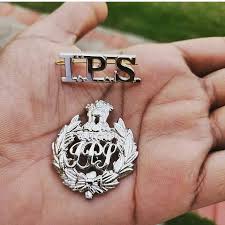
Roles and Responsibilities

๐Ÿ’ผ
Indian Police Services (IPS)
Roles and Responsibilities
Law and Order Maintenance
Ensure public safety by preventing disturbances, riots, and unlawful assemblies in assigned jurisdictions.
Deploy forces and strategies to maintain peace during festivals, elections, or protests.
Crime Investigation and Prevention
Lead investigations into serious crimes like murder, robbery, and organized crime to ensure justice.
Implement preventive measures through patrols, surveillance, and community policing initiatives.
Traffic Management and Road Safety
Oversee traffic regulation to prevent accidents and ensure smooth vehicular movement.
Enforce road safety laws and conduct awareness campaigns to reduce violations.
Intelligence Gathering and Analysis
Collect and analyze data on potential threats, criminal networks, and anti-national activities.
Coordinate with central agencies like IB and RAW for national security operations.
Public Safety and Disaster Response
Lead rescue and relief operations during natural or man-made disasters like floods or riots.
Coordinate with other agencies to provide security and aid in crisis situations.
Administrative and Personnel Management
Manage police stations or districts, overseeing recruitment, training, and welfare of personnel.
Handle budgeting, resource allocation, and policy enforcement for efficient operations.
Cybercrime and Digital Policing
Investigate cybercrimes such as hacking, fraud, and online trafficking with specialized units.
Strengthen digital infrastructure to combat emerging threats in the virtual domain.
Community Engagement and Conflict Resolution
Build trust with local communities through outreach programs and grievance redressal mechanisms.
Mediate disputes and address social issues to prevent escalation into larger conflicts.

Roles and Responsibilities

  • Law and Order Maintenance
    • Ensure public safety by preventing disturbances, riots, and unlawful assemblies in assigned jurisdictions.
    • Deploy forces and strategies to maintain peace during festivals, elections, or protests.
  • Crime Investigation and Prevention
    • Lead investigations into serious crimes like murder, robbery, and organized crime to ensure justice.
    • Implement preventive measures through patrols, surveillance, and community policing initiatives.
  • Traffic Management and Road Safety
    • Oversee traffic regulation to prevent accidents and ensure smooth vehicular movement.
    • Enforce road safety laws and conduct awareness campaigns to reduce violations.
  • Intelligence Gathering and Analysis
    • Collect and analyze data on potential threats, criminal networks, and anti-national activities.
    • Coordinate with central agencies like IB and RAW for national security operations.
  • Public Safety and Disaster Response
    • Lead rescue and relief operations during natural or man-made disasters like floods or riots.
    • Coordinate with other agencies to provide security and aid in crisis situations.
  • Administrative and Personnel Management
    • Manage police stations or districts, overseeing recruitment, training, and welfare of personnel.
    • Handle budgeting, resource allocation, and policy enforcement for efficient operations.
  • Cybercrime and Digital Policing
    • Investigate cybercrimes such as hacking, fraud, and online trafficking with specialized units.
    • Strengthen digital infrastructure to combat emerging threats in the virtual domain.
  • Community Engagement and Conflict Resolution
    • Build trust with local communities through outreach programs and grievance redressal mechanisms.
    • Mediate disputes and address social issues to prevent escalation into larger conflicts.

ย 

Study Route & Eligibility Criteria

Study Route & Eligibility Criteria
Indian Police Services (IPS)
Civil Services Examination (CSE) - Direct Entry
๐Ÿ›๏ธ
1
Complete a Bachelorโ€™s degree in any discipline from a recognized university
๐Ÿ“š
2
Clear UPSC Civil Services Examination
๐Ÿ“š
3
Opt for IPS during service allocation based on rank and preference
๐Ÿ’ผ
4
Undergo training at Lal Bahadur Shastri National Academy of Administration , Mussoorie, followed by specialized training at Sardar Vallabhbhai Patel National Police Academy , Hyderabad
Promotion from State Police Service (SPS)
๐Ÿ“š
1
Join State Police Service through state-level exams
๐Ÿ›๏ธ
2
Serve for a specified number of years
๐Ÿ“š
3
Get nominated for IPS based on performance and seniority by state government
๐Ÿ’ผ
4
Undergo induction training at SVPNPA, Hyderabad after selection
Limited Competitive Examination (LCE) - Rare Route
๐ŸŽ“
1
Serve as an officer in Central Armed Police Forces or State Police with required years of service
๐Ÿ“š
2
Clear Limited Competitive Examination conducted by UPSC for IPS induction
๐Ÿ“š
3
Undergo training at SVPNPA, Hyderabad post-selection
๐Ÿ’ผ
4
Join IPS cadre based on vacancy and merit
Special Recruitment for Specific Roles (Rare Cases)
๐ŸŽ“
1
Possess specialized skills or serve in related fields as per government notification
๐Ÿ›๏ธ
2
Apply through special recruitment drives by Ministry of Home Affairs/UPSC
๐Ÿ“š
3
Clear selection process including interviews and background checks
๐Ÿ’ผ
4
Join IPS after mandatory training at SVPNPA, Hyderabad
Foundation Training for Aspirants (Indirect Preparation)
๐Ÿ›๏ธ
1
Enroll in preparatory courses or coaching for UPSC CSE while pursuing Bachelorโ€™s degree
๐Ÿ“š
2
Participate in mock exams and personality development programs for interview readiness
๐Ÿ“š
3
Focus on optional subjects like Public Administration or Criminology for Mains
๐Ÿ›๏ธ
4
Attempt UPSC CSE with IPS as preferred service choice post-graduation
๐ŸŽฏ Indian Police Services (IPS) - Professional

Significant Observations (Academic Related Points)

๐Ÿ’ก
Indian Police Services (IPS)
Academic Related Points
1
Eligibility Criteria:
Bachelorโ€™s degree mandatory for UPSC CSE; age limits are 21-32 years (relaxations for reserved categories).
2
Competitive Examinations:
Clearing UPSC CSE (Prelims, Mains, Interview) is the primary route with high competition (success rate ~0.2%).
3
Physical Standards:
Strict height, chest, and fitness criteria must be met for field duties (e.g., minimum height 165 cm for men, 150 cm for women).
4
Medical Fitness:
Candidates must pass medical tests to ensure suitability for physically demanding roles.
5
Analytical Knowledge:
Strong grasp of current affairs, governance, and law enhances performance in UPSC exams.
6
Continuous Training:
Post-selection, regular in-service training at SVPNPA and other centers is mandatory for skill updates.
7
Field Readiness:
Practical policing and crisis management skills are prioritized over theoretical knowledge in operations.
8
Strategic Awareness:
Understanding criminal psychology and socio-political issues aids in effective policing.
9
Discipline and Resilience:
Mental and physical endurance are critical for handling high-stress environments.
10
Ethical Commitment:
Integrity and dedication to public service are core to career progression.
11
Teamwork Ability:
Collaboration with other services and local administration is key to operational success.

Internships & Practical Exposure

๐Ÿ’ผ
Indian Police Services (IPS)
Internships & Practical Experience
1
Exposure through internships with NGOs or legal aid organizations for understanding societal issues.
2
Training camps or workshops on law enforcement through police academies or universities.
3
Participation in mock drills for disaster management or crowd control with local police.
4
Observerships during UPSC preparation with retired IPS officers for mentorship.
5
Involvement in community policing initiatives for practical skills in public interaction.
6
Exposure to cybercrime workshops or seminars for modern policing challenges.
7
Volunteer roles in disaster relief or election duty support to build field experience.
8
Collaborative projects with criminology departments for insights into crime patterns.
9
Attendance at public safety awareness drives to understand grassroots policing needs.

Courses & Specializations to Enter the Field

๐Ÿ“š
Indian Police Services (IPS)
Courses & Specializations
๐Ÿ“–
Bachelorโ€™s degree in any discipline (e.g., Arts, Science, Commerce) for UPSC CSE eligibility.
๐Ÿ“–
B.A. in Public Administration, Political Science, or Sociology for relevant UPSC Mains preparation.
๐Ÿ“–
LLB (Bachelor of Laws) for understanding legal frameworks in policing.
๐Ÿ“–
Specialization in Criminology, Cybercrime Investigation, or Forensic Science.
๐Ÿ“–
Short-term courses on Disaster Management and Public Safety.
๐Ÿ“–
Training in Conflict Resolution and Community Policing (post-entry).
๐Ÿ“–
Certifications in Cyber Security and Digital Forensics for modern challenges.
๐Ÿ“–
Advanced programs in National Security and Intelligence Analysis (post-entry).

Prominent Employers

๐Ÿข
Indian Police Services (IPS)
๐ŸŒŸ Top Companies & Organizations
๐Ÿ‡ฎ๐Ÿ‡ณ India
๐ŸŒ International

Advice for Aspiring Indian Police Services (IPS)s

๐Ÿ’ก
Indian Police Services (IPS)
๐ŸŒŸ Tips for Students & Parents
1
Build a strong academic foundation with focus on current affairs and governance for UPSC CSE.
2
Start physical training early to meet the rigorous fitness standards required post-selection.
3
Prepare thoroughly for UPSC Prelims and Mains with emphasis on optional subjects like Public Administration.
4
Gain exposure through internships or volunteering in legal or community service roles for practical insights.
5
Stay updated on national security, crime trends, and legal frameworks for interview stages.
6
Develop discipline and leadership skills to handle the hierarchical and demanding nature of policing.
7
Join reputed coaching institutes or online platforms for structured UPSC preparation guidance.
8
Work on mental resilience to cope with high-stress operational and administrative scenarios.
9
Explore state-level police exams as a fallback or stepping stone to IPS through promotion.
10
Volunteer in public safety or disaster relief initiatives to build a strong profile.
11
Cultivate adaptability to handle frequent transfers and diverse regional challenges.
12
Focus on public service ethos to align with the IPS mission of ensuring safety and justice.
๐ŸŽ“ Final Message
A career in the Indian Police Service offers a unique opportunity to safeguard the nationโ€™s internal security by mastering law enforcement and crisis management, fostering societal stability through dedicated service, and empowering communities with every mission accomplished. IPS officers are the protectors of Indiaโ€™s public order, using their expertise and commitment to ensure safety, uphold justice, and combat crime across diverse urban and rural landscapes. This profession blends administrative acumen with field operations, providing pathways in general policing, intelligence, cybercrime, and traffic management. For those passionate about public safety, driven by a desire to serve the nation through law enforcement, and eager to embrace the evolving landscape of policing, joining the Indian Police Service is a deeply rewarding journey. It empowers individuals to address critical societal and security needs, maintain public trust, and advance human welfare through the transformative power of dedicated policing.
Knowledge & Skills You Will Learn
1
Keen observation
2
Problem-Solving skills
3
Effective leadership
4
Crisis Management
5
Ethical and Professional Integrity
6
Technical expertise in law enforcement, investigation, or cybercrime for operational roles
7
Analytical skills for crime pattern analysis, threat assessment, and problem-solving
8
Physical fitness for enduring high-stress field operations and emergencies
9
Leadership proficiency for commanding teams and managing district operations
10
Communication skills for public interaction and inter-agency coordination
11
Attention to detail for ensuring accuracy in investigations and reporting
12
Project management to oversee station operations, training, and resource allocation
13
Adaptability to handle diverse postings and evolving crime landscapes
14
Teamwork for collaborating with other services and community stakeholders
15
Technological aptitude for using policing software, surveillance, and cyber tools
Assistant Superintendent of Police

Assistant Superintendent of Police

Entry-level officers who manage police stations or sub-divisions, oversee law enforcement, and assist in investigations under senior guidance....

0.0LPA

Superintendent of Police (SP)

Superintendent of Police (SP)

Early-to-mid-level officers who command district police forces, manage major cases, and ensure public order. They oversee operations and welfare....

0.0LPA
Deputy Inspector General (DIG)

Deputy Inspector General (DIG)

Mid-level officers who supervise multiple districts, focus on regional security strategies, and coordinate large-scale operations. They balance...

0.0LPA

Interested in this career?

Take the next step and explore more about Indian Police Services (IPS).