Hippologist

Summary

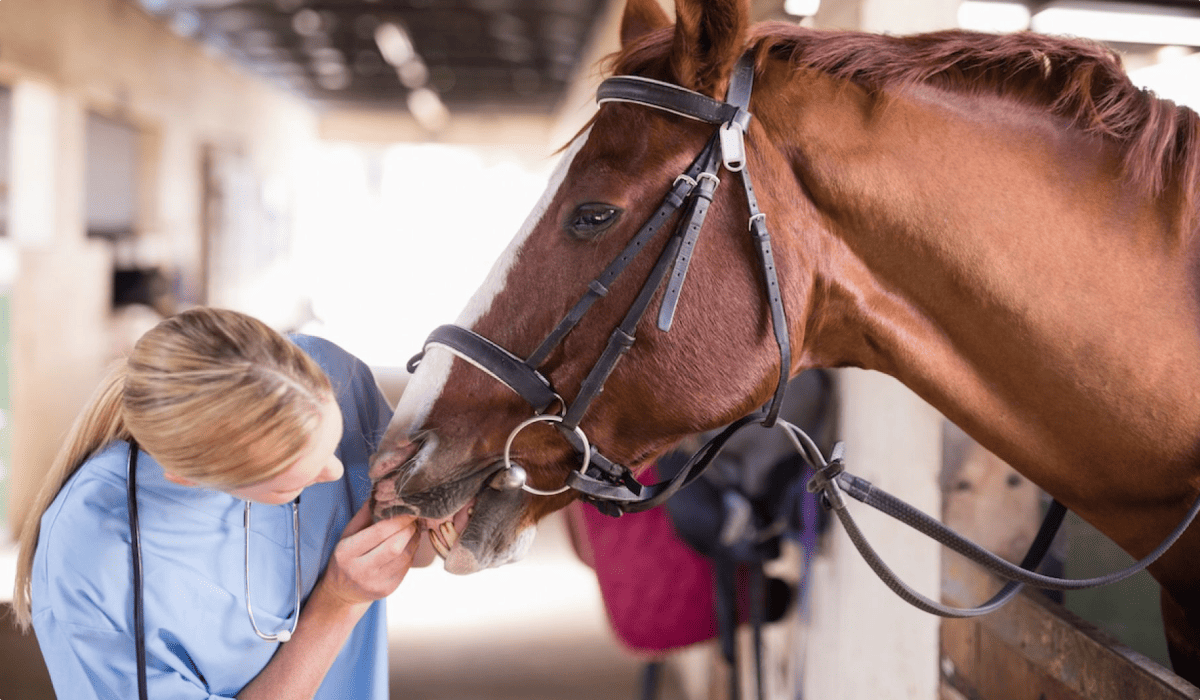
A Hippologist is a professional who specializes in the scientific study and understanding of horses, focusing on their biology, behaviour, care, and management.

Share :
✨ Radial Mind Map - Hippologist
Nodes arranged in concentric circles

Loading radial mind map...

Overview

A Hippologist is a professional who specializes in the scientific study and understanding of horses, focusing on their biology, behaviour, care, and management. They operate within veterinary practices, equine research institutions, breeding farms, and equestrian organizations, collaborating with veterinarians, trainers, and breeders to enhance horse health, performance, and welfare. Hippologists play a crucial role in modern equine science and industry in an era where horse welfare, sustainable breeding, and competitive equestrian sports are increasingly prioritized.

Hippologists are scientifically trained individuals tasked with studying horse anatomy, physiology, behaviour, and nutrition to improve their health, training, and management practices. Their role includes conducting research, advising on breeding programs, and promoting equine welfare standards. They combine expertise in animal science, veterinary medicine, and equine management, working in diverse settings such as stables, research labs, racetracks, and academic institutions. As key contributors to equine science, Hippologists drive progress in a landscape increasingly focused on horse health, performance optimization, and ethical treatment.

Roles and Responsibilities

💼
Hippologist
Roles and Responsibilities
Equine Health and Welfare
Assess and monitor the physical and mental health of horses to ensure optimal well-being.
Develop care protocols to prevent injuries and manage chronic conditions in equine populations.
Behavioural Research and Training
Study horse behaviour to understand social dynamics, stress responses, and learning capabilities.
Advise on training methods that align with natural equine instincts for better performance and safety.
Nutrition and Diet Management
Formulate balanced diets tailored to the needs of horses based on age, activity level, and health status.
Research nutritional supplements and feeding practices to enhance equine performance and recovery.
Breeding and Genetics
Conduct research on equine genetics to improve breeding programs for desired traits like speed, strength, or temperament.
Advise breeders on mating selections to minimize genetic disorders and enhance lineage quality.
Performance Optimization
Analyze biomechanical and physiological factors to improve horse performance in racing, show jumping, or other equestrian sports.
Collaborate with trainers to design conditioning programs that maximize athletic potential.
Disease Prevention and Management
Investigate equine diseases and develop strategies for prevention, vaccination, and treatment.
Educate horse owners on biosecurity measures to control outbreaks in stables or farms.
Education and Outreach
Educate horse owners, trainers, and the public on best practices for equine care and management.
Develop programs or materials to raise awareness about horse welfare and ethical treatment.
Regulatory Compliance and Documentation
Ensure compliance with animal welfare laws and industry standards in equine care and competition.
Maintain detailed records of research data, health assessments, and breeding outcomes.
Scientific Foundation
: Strong understanding of equine biology and animal science is essential for Hippologists.
Analytical Mindset
: A focus on research and problem-solving for horse health and performance issues is critical for success.
Specialized Training
: Advanced degrees or certifications in equine science offer niche expertise.
Technical Skills
: Proficiency in equine health diagnostics and data analysis tools is vital for studies.
Interdisciplinary Knowledge
: Familiarity with veterinary medicine, nutrition, and biomechanics enhances collaboration.
Certification Importance
: Recognized credentials in equine management boost credibility in the field.
Continuing Education
: Regular workshops on new equine care techniques are necessary to stay relevant.
Global Standards
: Exposure to international equine practices enhances career prospects.
Attention to Detail
: Precision in monitoring horse health and documenting findings is critical for reliable outcomes.
Research Preparation
: Competitive roles often require published work or innovation in equine science.
International Opportunities
: Language proficiency or cross-cultural adaptability may be needed for global roles.
George Stubbs (Historical, UK)
: Hippologist since the 1700s. Known for detailed anatomical studies of horses through art and science. His vision shapes equine anatomy. His impact influences early hippology.
Edward Muybridge (Historical, UK/USA)
: Hippologist since the 1800s. Known for pioneering motion studies of horses, proving all hooves leave the ground during a gallop. His expertise drives biomechanics. His contributions influence performance science.
Robert M. Miller (Contemporary, USA)
: Hippologist since the 1950s. Known for natural horsemanship techniques and equine behaviour studies. His creativity fosters humane training. His impact shapes modern horsemanship.
Hilary Clayton (Contemporary, USA)
: Hippologist since the 1980s. Known for research on equine biomechanics and locomotion at Michigan State University. Her leadership drives sports science. Her contributions influence performance optimization.
Andrew McLean (Contemporary, Australia)
: Hippologist since the 1990s. Known for evidence-based equine training methods and founding the International Society for Equitation Science. His vision shapes ethical training. His work impacts welfare.
Desmond Leadon (Contemporary, Ireland)
: Hippologist since the 1980s. Known for equine sports medicine and international horse transport research. His expertise fosters health standards. His contributions influence global equine care.
Nancy Loving (Contemporary, USA)
: Hippologist since the 1980s. Known for equine veterinary research and publications on horse health. Her leadership drives public education. Her work impacts owner awareness.
Warwick Bayly (Contemporary, USA)
: Hippologist since the 1970s. Known for research on equine exercise physiology at Washington State University. His vision shapes athletic training. His contributions influence sports performance.
Chris Pollitt (Contemporary, Australia)
: Hippologist since the 1970s. Known for groundbreaking research on laminitis, a critical equine hoof disease. His expertise drives disease prevention. His work impacts equine health.
R.K. Gupta (Contemporary, India)
: Hippologist since the 1980s. Known for contributions to equine research at the National Research Centre on Equines, Hisar. His leadership drives regional studies. His work impacts Indian equine welfare.

Roles and Responsibilities

  • Equine Health and Welfare
    • Assess and monitor the physical and mental health of horses to ensure optimal well-being.
    • Develop care protocols to prevent injuries and manage chronic conditions in equine populations.
  • Behavioural Research and Training
    • Study horse behaviour to understand social dynamics, stress responses, and learning capabilities.
    • Advise on training methods that align with natural equine instincts for better performance and safety.
  • Nutrition and Diet Management
    • Formulate balanced diets tailored to the needs of horses based on age, activity level, and health status.
    • Research nutritional supplements and feeding practices to enhance equine performance and recovery.
  • Breeding and Genetics
    • Conduct research on equine genetics to improve breeding programs for desired traits like speed, strength, or temperament.
    • Advise breeders on mating selections to minimize genetic disorders and enhance lineage quality.
  • Performance Optimization
    • Analyze biomechanical and physiological factors to improve horse performance in racing, show jumping, or other equestrian sports.
    • Collaborate with trainers to design conditioning programs that maximize athletic potential.
  • Disease Prevention and Management
    • Investigate equine diseases and develop strategies for prevention, vaccination, and treatment.
    • Educate horse owners on biosecurity measures to control outbreaks in stables or farms.
  • Education and Outreach
    • Educate horse owners, trainers, and the public on best practices for equine care and management.
    • Develop programs or materials to raise awareness about horse welfare and ethical treatment.
  • Regulatory Compliance and Documentation
    • Ensure compliance with animal welfare laws and industry standards in equine care and competition.
    • Maintain detailed records of research data, health assessments, and breeding outcomes.


Study Route & Eligibility Criteria

RouteSteps
Route 11. 10+2 in Science stream (Biology preferred)
 2. Bachelor’s in Animal Science, Veterinary Science, or related field (3-4 years)
 3. Start as a Junior Hippologist in equine farms or research organizations
Route 21. 10+2 in Science stream (Biology preferred)
 2. Bachelor’s in Animal Science, Veterinary Science, or related field (3-4 years)
 3. Master’s in Equine Science or related field (2 years)
 4. Work as a Hippologist in research, breeding, or equine management
Route 31. 10+2 in Science stream (Biology preferred)
 2. Bachelor’s in Animal Science, Veterinary Science, or related field (3-4 years)
 3. Master’s in Equine Science or related field (2 years)
 4. Certification or Short Courses in Equine Management (6 months-1 year)
 5. Pursue Roles as a Senior Hippologist or Consultant
Route 41. 10+2 in Science stream (Biology preferred)
 2. Bachelor’s in Animal Science, Veterinary Science, or related field (3-4 years)
 3. Master’s in Equine Science or related field (2 years)
 4. Ph.D. in Equine Science or Veterinary Medicine (3-5 years)
 5. Serve as a Lead Researcher, Professor, or Hippology Industry Expert


Significant Observations (Academic Related Points)

  • Scientific Foundation: Strong understanding of equine biology and animal science is essential for Hippologists.
  • Analytical Mindset: A focus on research and problem-solving for horse health and performance issues is critical for success.
  • Specialized Training: Advanced degrees or certifications in equine science offer niche expertise.
  • Technical Skills: Proficiency in equine health diagnostics and data analysis tools is vital for studies.
  • Interdisciplinary Knowledge: Familiarity with veterinary medicine, nutrition, and biomechanics enhances collaboration.
  • Certification Importance: Recognized credentials in equine management boost credibility in the field.
  • Continuing Education: Regular workshops on new equine care techniques are necessary to stay relevant.
  • Global Standards: Exposure to international equine practices enhances career prospects.
  • Attention to Detail: Precision in monitoring horse health and documenting findings is critical for reliable outcomes.
  • Research Preparation: Competitive roles often require published work or innovation in equine science.
  • International Opportunities: Language proficiency or cross-cultural adaptability may be needed for global roles.


Internships & Practical Exposure

  • Participation in internships at equine farms or veterinary clinics during or after academic programs for hands-on experience.
  • Involvement in student-led equine care or research projects for practical exposure.
  • Assisting senior Hippologists in health assessments or breeding programs for real-world insights.
  • Observerships at racetracks, breeding farms, or equestrian centers for advanced learning and mentorship.
  • Participation in equine science conferences or workshops for skill development and visibility.
  • Training through collaborative projects like equine nutrition studies or performance analysis for diverse exposure.
  • Exposure to industry-standard practices like lameness evaluation or reproductive management.
  • Project-based learning focusing on varied areas like equine behaviour or injury prevention.
  • Community equestrian programs to build practical experience in local horse care.
  • International equine training programs or online courses for exposure to global challenges.


Courses & Specializations to Enter the Field

  • Bachelor of Science (B.Sc.) in Animal Science or Veterinary Science.
  • Master of Science (M.Sc.) in Equine Science or Animal Nutrition.
  • Ph.D. in Equine Science or Veterinary Medicine.
  • Diploma in Equine Management.
  • Specialization in Equine Nutrition and Dietetics.
  • Certification in Equine Behaviour and Training.
  • Training in Equine Reproductive Management.
  • Workshops on Equine Sports Medicine.
  • Short Courses in Equine Disease Prevention.
  • Advanced Training in Equine Biomechanics.


Top Institutes for Hippologist Education (India)

InstituteCourse/ProgramOfficial Link
National Research Centre on Equines (NRCE), HisarResearch and Training in Equine Sciencehttps://nrce.icar.gov.in/
Guru Angad Dev Veterinary and Animal Sciences University (GADVASU), LudhianaB.V.Sc., M.V.Sc. in Veterinary Science (Equine Focus)https://www.gadvasu.in/
Indian Veterinary Research Institute (IVRI), IzatnagarM.V.Sc., Ph.D. in Veterinary Science (Equine Focus)https://www.ivri.nic.in/
Tamil Nadu Veterinary and Animal Sciences University (TANUVAS), ChennaiB.V.Sc., M.V.Sc. in Veterinary Science (Equine Focus)https://www.tanuvas.ac.in/
Rajasthan University of Veterinary and Animal Sciences (RAJUVAS), BikanerB.V.Sc., M.V.Sc. in Veterinary Science (Equine Focus)https://rajuvas.org/
Maharashtra Animal and Fishery Sciences University (MAFSU), NagpurB.V.Sc., M.V.Sc. in Veterinary Science (Equine Focus)https://www.mafsu.in/
Kerala Veterinary and Animal Sciences University (KVASU), WayanadB.V.Sc., M.V.Sc. in Veterinary Science (Equine Focus)https://www.kvasu.ac.in/
West Bengal University of Animal and Fishery Sciences (WBUAFS), KolkataB.V.Sc., M.V.Sc. in Veterinary Science (Equine Focus)https://wbuafscl.ac.in/
Assam Agricultural University (AAU), JorhatB.V.Sc., M.V.Sc. in Veterinary Science (Equine Focus)https://www.aau.ac.in/
Lala Lajpat Rai University of Veterinary and Animal Sciences (LUVAS), HisarB.V.Sc., M.V.Sc. in Veterinary Science (Equine Focus)https://www.luvas.edu.in/


Top International Institutes

InstitutionCourseCountryOfficial Link
University of Kentucky, LexingtonB.Sc., M.Sc., Ph.D. in Equine ScienceUSAhttps://www.uky.edu/
Michigan State University, East LansingB.Sc., M.Sc. in Animal Science (Equine Focus)USAhttps://www.msu.edu/
University of Guelph, GuelphB.Sc., M.Sc. in Equine ManagementCanadahttps://www.uoguelph.ca/
Hartpury University, GloucesterB.Sc., M.Sc. in Equine ScienceUKhttps://www.hartpury.ac.uk/
Royal Veterinary College (RVC), LondonM.Sc., Ph.D. in Equine Veterinary ScienceUKhttps://www.rvc.ac.uk/
University of Melbourne, MelbourneB.Sc., M.Sc. in Animal Science (Equine Focus)Australiahttps://www.unimelb.edu.au/
Swedish University of Agricultural Sciences (SLU), UppsalaM.Sc., Ph.D. in Equine ScienceSwedenhttps://www.slu.se/
Texas A&M University, College StationB.Sc., M.Sc., Ph.D. in Animal Science (Equine)USAhttps://www.tamu.edu/
University of Edinburgh, EdinburghM.Sc. in Equine ScienceUKhttps://www.ed.ac.uk/
Massey University, Palmerston NorthB.Sc., M.Sc. in Equine StudiesNew Zealandhttps://www.massey.ac.nz/


Entrance Tests Required

India:

  • ICAR AIEEA (All India Entrance Examination for Admission): For admission to undergraduate and postgraduate programs in animal and veterinary sciences at ICAR-affiliated institutes.
  • State-Level Veterinary Entrance Exams: Conducted by state veterinary universities like TANUVAS or RAJUVAS for relevant programs.
  • University-Specific Exams: Many institutes like GADVASU or IVRI conduct their own entrance tests for veterinary programs.
  • GATE (Graduate Aptitude Test in Engineering): For postgraduate programs in animal sciences (optional for some institutes).
  • UGC NET (University Grants Commission National Eligibility Test): For research fellowships and Ph.D. programs in equine science.


International:

  • SAT (Scholastic Assessment Test): Required for undergraduate admissions in the USA and some other countries.
  • ACT (American College Testing): Alternative to SAT for undergraduate admissions in the USA.
  • GRE (Graduate Record Examination): Required for postgraduate and Ph.D. programs in equine or animal science globally.
  • TOEFL (Test of English as a Foreign Language): Minimum score of 80-100 required for non-native speakers applying to programs in English-speaking countries.
  • IELTS (International English Language Testing System): Minimum score of 6.5-7.0 required for admission to universities in the UK, Australia, and other English-speaking regions.


Ideal Progressing Career Path

Aspiring Hippologist → Junior Hippologist → Hippologist → Senior Hippologist → Hippology Research Scientist → Hippology Program Manager → Hippology Consultant → Hippology Policy Advisor → Professor → Global Hippology Expert


Major Areas of Employment

  • Equine research institutes for health and performance studies.
  • Veterinary clinics and hospitals for equine care and treatment.
  • Breeding farms for genetic research and lineage management.
  • Equestrian sports organizations for performance optimization.
  • Government animal welfare departments for policy and regulation.
  • Non-profit organizations for equine welfare advocacy.
  • Academic institutions for teaching and research in equine science.
  • Equine nutrition companies for diet formulation and testing.
  • Racetracks and competition venues for health and training support.
  • International equine bodies for global welfare and industry standards.


Prominent Employers

IndiaInternational
National Research Centre on Equines (NRCE), HisarThe Jockey Club, USA
Indian Veterinary Research Institute (IVRI), IzatnagarBritish Horseracing Authority (BHA), UK
Guru Angad Dev Veterinary and Animal Sciences University (GADVASU), LudhianaInternational Federation for Equestrian Sports (FEI), Global
Tamil Nadu Veterinary and Animal Sciences University (TANUVAS), ChennaiAmerican Quarter Horse Association (AQHA), USA
Rajasthan University of Veterinary and Animal Sciences (RAJUVAS), BikanerThoroughbred Breeders Association (TBA), UK
Equine Breeding Farms under Indian ArmyKentucky Horse Park, USA
State Animal Husbandry DepartmentsWorld Horse Welfare, UK
Polo and Equestrian Clubs in IndiaGrayson-Jockey Club Research Foundation, USA
Private Equine Veterinary ClinicsAustralian Thoroughbred Breeders, Australia
Local Horse Breeder AssociationsDubai Racing Club, UAE


Pros and Cons of the Profession

ProsCons
Opportunity to contribute to equine welfare through scientific care and managementPhysically demanding work often involving long hours in stables or outdoor settings
Potential for societal impact by improving horse health and performance in sports and workHigh responsibility to manage health crises or performance failures in valuable horses
Rewarding impact through building bonds with horses and enhancing their quality of lifeOften requires availability during emergencies or critical breeding seasons
Diverse career paths across research, veterinary care, breeding, and sportsLimited funding for pure equine research in some regions
Strong potential for growth with increasing interest in equestrian sports and horse welfareRisk of burnout due to emotional investment in animal health and demanding schedules


Industry Trends and Future Outlook

  • Growing adoption of technology like wearable sensors and AI for monitoring horse health and performance.
  • Rising demand for Hippologists due to increasing focus on equine welfare and competitive sports.
  • Advancements in equine genetics for targeted breeding and disease resistance.
  • Heightened focus on sustainable equine management to reduce environmental impact of large stables.
  • Expansion of interdisciplinary approaches combining hippology with veterinary tech and sports science.
  • Development of specialized rehabilitation programs for injured or retired sport horses.
  • Increased emphasis on specialized training for niche areas like equine sports medicine.
  • Enhanced focus on equine mental health and stress reduction techniques.
  • Growing need for continuous skill development to master emerging equine care tools.
  • Focus on global equine welfare standards to address disparities in horse treatment practices.


Salary Expectations

Career LevelIndia (₹ per annum)International (USD per annum)
Junior Hippologist (Early Career)2,50,000 - 5,00,00030,000 - 50,000
Hippologist (Mid-Career)5,00,000 - 10,00,00050,000 - 80,000
Senior Hippologist (Established)10,00,000 - 15,00,00080,000 - 110,000
Hippology Research Scientist/Program Manager15,00,000 - 25,00,000110,000 - 150,000
Professor/Global Hippology Expert25,00,000+150,000+

Note: Salaries vary widely based on location, experience, sector (government vs. private vs. research), and region. International figures are approximate and depend on the country and funding. High-profile consultancy or roles in elite equestrian sports often yield significantly higher earnings based on impact and demand.


Key Software Tools

  • Equine Health Monitoring Software like EquiTrace for tracking vital signs.
  • Nutrition Planning Tools like FeedXL for designing equine diets.
  • Performance Analysis Software like EquiStat for biomechanical data.
  • Breeding Management Software like Breeders Assistant for lineage tracking.
  • Veterinary Diagnostic Apps for identifying equine health issues.
  • Stable Management Platforms like HorseNotes for operational efficiency.
  • Research Data Tools like SPSS for statistical analysis of experiments.
  • Genetic Analysis Software for studying equine heredity.
  • Data Visualization Software like Tableau for presenting health trends.
  • Collaboration Platforms like Microsoft Teams for team communication in equine settings.


Professional Organizations and Networks

  • Indian Veterinary Association (IVA), India.
  • American Association of Equine Practitioners (AAEP), USA.
  • British Equine Veterinary Association (BEVA), UK.
  • International Federation for Equestrian Sports (FEI), Global.
  • World Equine Veterinary Association (WEVA), Global.
  • Equine Science Society (ESS), USA.
  • International Society for Equitation Science (ISES), Global.
  • Australian Equine Veterinary Association (AEVA), Australia.
  • National Research Centre on Equines (NRCE) Networks, India.
  • World Horse Welfare Networks, Global.


Notable Hippologists and Industry Leaders (Top 10)

  • George Stubbs (Historical, UK): Hippologist since the 1700s. Known for detailed anatomical studies of horses through art and science. His vision shapes equine anatomy. His impact influences early hippology.
     
  • Edward Muybridge (Historical, UK/USA): Hippologist since the 1800s. Known for pioneering motion studies of horses, proving all hooves leave the ground during a gallop. His expertise drives biomechanics. His contributions influence performance science.
     
  • Robert M. Miller (Contemporary, USA): Hippologist since the 1950s. Known for natural horsemanship techniques and equine behaviour studies. His creativity fosters humane training. His impact shapes modern horsemanship.
     
  • Hilary Clayton (Contemporary, USA): Hippologist since the 1980s. Known for research on equine biomechanics and locomotion at Michigan State University. Her leadership drives sports science. Her contributions influence performance optimization.
     
  • Andrew McLean (Contemporary, Australia): Hippologist since the 1990s. Known for evidence-based equine training methods and founding the International Society for Equitation Science. His vision shapes ethical training. His work impacts welfare.
     
  • Desmond Leadon (Contemporary, Ireland): Hippologist since the 1980s. Known for equine sports medicine and international horse transport research. His expertise fosters health standards. His contributions influence global equine care.
     
  • Nancy Loving (Contemporary, USA): Hippologist since the 1980s. Known for equine veterinary research and publications on horse health. Her leadership drives public education. Her work impacts owner awareness.
     
  • Warwick Bayly (Contemporary, USA): Hippologist since the 1970s. Known for research on equine exercise physiology at Washington State University. His vision shapes athletic training. His contributions influence sports performance.
     
  • Chris Pollitt (Contemporary, Australia): Hippologist since the 1970s. Known for groundbreaking research on laminitis, a critical equine hoof disease. His expertise drives disease prevention. His work impacts equine health.
     
  • R.K. Gupta (Contemporary, India): Hippologist since the 1980s. Known for contributions to equine research at the National Research Centre on Equines, Hisar. His leadership drives regional studies. His work impacts Indian equine welfare.


Advice for Aspiring Hippologists

  • Build a strong foundation in animal science and veterinary basics to handle diverse equine challenges.
  • Seek early exposure to horse farms or equestrian centers to confirm interest in a hippologist career.
  • Prepare thoroughly for entrance exams like ICAR AIEEA to secure admission to top programs.
  • Pursue training in specialties like equine nutrition or sports medicine for versatility.
  • Stay updated on equine trends by attending conferences and following research journals.
  • Develop practical skills through consistent participation in internships or stable work.
  • Engage in community or local equestrian programs to build real-world horse care experience.
  • Join professional associations like AAEP or ISES for networking and resources.
  • Work on problem-solving skills to manage equine health crises and performance challenges.
  • Explore international hippology opportunities for exposure to diverse equine practices.
  • Volunteer with local horse breeders or rescue organizations for practical industry exposure.
  • Cultivate adaptability to handle varying stable conditions and unexpected health issues.
  • Attend continuing education programs to stay abreast of new equine care technologies.
  • Build a network with veterinarians, trainers, and breeders for collaborative opportunities.
  • Develop persistence to manage the uncertainty of health outcomes and performance barriers.
  • Balance scientific pursuits with passion for horses to adapt to demanding work environments.


A career as a Hippologist offers a unique opportunity to contribute to equine science, welfare, and performance by navigating complex challenges related to horses for diverse needs. From conducting transformative research to managing breeding programs and advancing horse health, Hippologists play a pivotal role in scientific and equestrian ecosystems. This field combines scientific expertise, practical skill, and a commitment to solving critical challenges, offering diverse paths in research, veterinary care, sports, and beyond. For those passionate about horses, adapting to dynamic industry trends, and addressing global needs in an era of rising equine welfare concerns, a career as a Hippologist provides an intellectually stimulating and professionally rewarding journey with the potential to make significant contributions to society by advancing the science and application of hippological knowledge worldwide.

 

Study Route & Eligibility Criteria

Study Route & Eligibility Criteria
Hippologist
Route 1
🎓
1
10+2 in Science stream
Route 2
🎓
1
10+2 in Science stream
Route 3
🎓
1
10+2 in Science stream
Route 4
🎓
1
10+2 in Science stream
🎯 Hippologist - Professional

Significant Observations (Academic Related Points)

💡
Hippologist
Academic Related Points
1
Scientific Foundation
Strong understanding of equine biology and animal science is essential for Hippologists.
2
Analytical Mindset
A focus on research and problem-solving for horse health and performance issues is critical for success.
3
Specialized Training
Advanced degrees or certifications in equine science offer niche expertise.
4
Technical Skills
Proficiency in equine health diagnostics and data analysis tools is vital for studies.
5
Interdisciplinary Knowledge
Familiarity with veterinary medicine, nutrition, and biomechanics enhances collaboration.
6
Certification Importance
Recognized credentials in equine management boost credibility in the field.
7
Continuing Education
Regular workshops on new equine care techniques are necessary to stay relevant.
8
Global Standards
Exposure to international equine practices enhances career prospects.
9
Attention to Detail
Precision in monitoring horse health and documenting findings is critical for reliable outcomes.
10
Research Preparation
Competitive roles often require published work or innovation in equine science.
11
International Opportunities
Language proficiency or cross-cultural adaptability may be needed for global roles.
12
George Stubbs (Historical, UK)
Hippologist since the 1700s. Known for detailed anatomical studies of horses through art and science. His vision shapes equine anatomy. His impact influences early hippology.
13
Edward Muybridge (Historical, UK/USA)
Hippologist since the 1800s. Known for pioneering motion studies of horses, proving all hooves leave the ground during a gallop. His expertise drives biomechanics. His contributions influence performance science.
14
Robert M. Miller (Contemporary, USA)
Hippologist since the 1950s. Known for natural horsemanship techniques and equine behaviour studies. His creativity fosters humane training. His impact shapes modern horsemanship.
15
Hilary Clayton (Contemporary, USA)
Hippologist since the 1980s. Known for research on equine biomechanics and locomotion at Michigan State University. Her leadership drives sports science. Her contributions influence performance optimization.
16
Andrew McLean (Contemporary, Australia)
Hippologist since the 1990s. Known for evidence-based equine training methods and founding the International Society for Equitation Science. His vision shapes ethical training. His work impacts welfare.
17
Desmond Leadon (Contemporary, Ireland)
Hippologist since the 1980s. Known for equine sports medicine and international horse transport research. His expertise fosters health standards. His contributions influence global equine care.
18
Nancy Loving (Contemporary, USA)
Hippologist since the 1980s. Known for equine veterinary research and publications on horse health. Her leadership drives public education. Her work impacts owner awareness.
19
Warwick Bayly (Contemporary, USA)
Hippologist since the 1970s. Known for research on equine exercise physiology at Washington State University. His vision shapes athletic training. His contributions influence sports performance.
20
Chris Pollitt (Contemporary, Australia)
Hippologist since the 1970s. Known for groundbreaking research on laminitis, a critical equine hoof disease. His expertise drives disease prevention. His work impacts equine health.
21
R.K. Gupta (Contemporary, India)
Hippologist since the 1980s. Known for contributions to equine research at the National Research Centre on Equines, Hisar. His leadership drives regional studies. His work impacts Indian equine welfare.

Internships & Practical Exposure

💼
Hippologist
Internships & Practical Experience
1
Participation in internships at equine farms or veterinary clinics during or after academic programs for hands-on experience.
2
Involvement in student-led equine care or research projects for practical exposure.
3
Assisting senior Hippologists in health assessments or breeding programs for real-world insights.
4
Observerships at racetracks, breeding farms, or equestrian centers for advanced learning and mentorship.
5
Participation in equine science conferences or workshops for skill development and visibility.
6
Training through collaborative projects like equine nutrition studies or performance analysis for diverse exposure.
7
Exposure to industry-standard practices like lameness evaluation or reproductive management.
8
Project-based learning focusing on varied areas like equine behaviour or injury prevention.
9
Community equestrian programs to build practical experience in local horse care.
10
International equine training programs or online courses for exposure to global challenges.
11
Bachelor of Science (B.Sc.) in Animal Science or Veterinary Science.
12
Master of Science (M.Sc.) in Equine Science or Animal Nutrition.
13
Ph.D. in Equine Science or Veterinary Medicine.
14
Diploma in Equine Management.
15
Specialization in Equine Nutrition and Dietetics.
16
Certification in Equine Behaviour and Training.
17
Training in Equine Reproductive Management.
18
Workshops on Equine Sports Medicine.
19
Short Courses in Equine Disease Prevention.
20
Advanced Training in Equine Biomechanics.
21
ICAR AIEEA (All India Entrance Examination for Admission): For admission to undergraduate and postgraduate programs in animal and veterinary sciences at ICAR-affiliated institutes.
22
State-Level Veterinary Entrance Exams: Conducted by state veterinary universities like TANUVAS or RAJUVAS for relevant programs.
23
University-Specific Exams: Many institutes like GADVASU or IVRI conduct their own entrance tests for veterinary programs.
24
GATE (Graduate Aptitude Test in Engineering): For postgraduate programs in animal sciences (optional for some institutes).
25
UGC NET (University Grants Commission National Eligibility Test): For research fellowships and Ph.D. programs in equine science.
26
SAT (Scholastic Assessment Test): Required for undergraduate admissions in the USA and some other countries.
27
ACT (American College Testing): Alternative to SAT for undergraduate admissions in the USA.
28
GRE (Graduate Record Examination): Required for postgraduate and Ph.D. programs in equine or animal science globally.
29
TOEFL (Test of English as a Foreign Language): Minimum score of 80-100 required for non-native speakers applying to programs in English-speaking countries.
30
IELTS (International English Language Testing System): Minimum score of 6.5-7.0 required for admission to universities in the UK, Australia, and other English-speaking regions.
31
Equine research institutes for health and performance studies.
32
Veterinary clinics and hospitals for equine care and treatment.
33
Breeding farms for genetic research and lineage management.
34
Equestrian sports organizations for performance optimization.
35
Government animal welfare departments for policy and regulation.
36
Non-profit organizations for equine welfare advocacy.
37
Academic institutions for teaching and research in equine science.
38
Equine nutrition companies for diet formulation and testing.
39
Racetracks and competition venues for health and training support.
40
International equine bodies for global welfare and industry standards.
41
Growing adoption of technology like wearable sensors and AI for monitoring horse health and performance.
42
Rising demand for Hippologists due to increasing focus on equine welfare and competitive sports.
43
Advancements in equine genetics for targeted breeding and disease resistance.
44
Heightened focus on sustainable equine management to reduce environmental impact of large stables.
45
Expansion of interdisciplinary approaches combining hippology with veterinary tech and sports science.
46
Development of specialized rehabilitation programs for injured or retired sport horses.
47
Increased emphasis on specialized training for niche areas like equine sports medicine.
48
Enhanced focus on equine mental health and stress reduction techniques.
49
Growing need for continuous skill development to master emerging equine care tools.
50
Focus on global equine welfare standards to address disparities in horse treatment practices.
51
Equine Health Monitoring Software like EquiTrace for tracking vital signs.
52
Nutrition Planning Tools like FeedXL for designing equine diets.
53
Performance Analysis Software like EquiStat for biomechanical data.
54
Breeding Management Software like Breeders Assistant for lineage tracking.
55
Veterinary Diagnostic Apps for identifying equine health issues.
56
Stable Management Platforms like HorseNotes for operational efficiency.
57
Research Data Tools like SPSS for statistical analysis of experiments.
58
Genetic Analysis Software for studying equine heredity.
59
Data Visualization Software like Tableau for presenting health trends.
60
Collaboration Platforms like Microsoft Teams for team communication in equine settings.
61
Indian Veterinary Association (IVA), India.
62
American Association of Equine Practitioners (AAEP), USA.
63
British Equine Veterinary Association (BEVA), UK.
64
International Federation for Equestrian Sports (FEI), Global.
65
World Equine Veterinary Association (WEVA), Global.
66
Equine Science Society (ESS), USA.
67
International Society for Equitation Science (ISES), Global.
68
Australian Equine Veterinary Association (AEVA), Australia.
69
National Research Centre on Equines (NRCE) Networks, India.
70
World Horse Welfare Networks, Global.
71
George Stubbs (Historical, UK): Hippologist since the 1700s. Known for detailed anatomical studies of horses through art and science. His vision shapes equine anatomy. His impact influences early hippology.
72
Edward Muybridge (Historical, UK/USA): Hippologist since the 1800s. Known for pioneering motion studies of horses, proving all hooves leave the ground during a gallop. His expertise drives biomechanics. His contributions influence performance science.
73
Robert M. Miller (Contemporary, USA): Hippologist since the 1950s. Known for natural horsemanship techniques and equine behaviour studies. His creativity fosters humane training. His impact shapes modern horsemanship.
74
Hilary Clayton (Contemporary, USA): Hippologist since the 1980s. Known for research on equine biomechanics and locomotion at Michigan State University. Her leadership drives sports science. Her contributions influence performance optimization.
75
Andrew McLean (Contemporary, Australia): Hippologist since the 1990s. Known for evidence-based equine training methods and founding the International Society for Equitation Science. His vision shapes ethical training. His work impacts welfare.
76
Desmond Leadon (Contemporary, Ireland): Hippologist since the 1980s. Known for equine sports medicine and international horse transport research. His expertise fosters health standards. His contributions influence global equine care.
77
Nancy Loving (Contemporary, USA): Hippologist since the 1980s. Known for equine veterinary research and publications on horse health. Her leadership drives public education. Her work impacts owner awareness.
78
Warwick Bayly (Contemporary, USA): Hippologist since the 1970s. Known for research on equine exercise physiology at Washington State University. His vision shapes athletic training. His contributions influence sports performance.
79
Chris Pollitt (Contemporary, Australia): Hippologist since the 1970s. Known for groundbreaking research on laminitis, a critical equine hoof disease. His expertise drives disease prevention. His work impacts equine health.
80
R.K. Gupta (Contemporary, India): Hippologist since the 1980s. Known for contributions to equine research at the National Research Centre on Equines, Hisar. His leadership drives regional studies. His work impacts Indian equine welfare.
81
Build a strong foundation in animal science and veterinary basics to handle diverse equine challenges.
82
Seek early exposure to horse farms or equestrian centers to confirm interest in a hippologist career.
83
Prepare thoroughly for entrance exams like ICAR AIEEA to secure admission to top programs.
84
Pursue training in specialties like equine nutrition or sports medicine for versatility.
85
Stay updated on equine trends by attending conferences and following research journals.
86
Develop practical skills through consistent participation in internships or stable work.
87
Engage in community or local equestrian programs to build real-world horse care experience.
88
Join professional associations like AAEP or ISES for networking and resources.
89
Work on problem-solving skills to manage equine health crises and performance challenges.
90
Explore international hippology opportunities for exposure to diverse equine practices.
91
Volunteer with local horse breeders or rescue organizations for practical industry exposure.
92
Cultivate adaptability to handle varying stable conditions and unexpected health issues.
93
Attend continuing education programs to stay abreast of new equine care technologies.
94
Build a network with veterinarians, trainers, and breeders for collaborative opportunities.
95
Develop persistence to manage the uncertainty of health outcomes and performance barriers.
96
Balance scientific pursuits with passion for horses to adapt to demanding work environments.

Courses & Specializations to Enter the Field

📚
Hippologist
Courses & Specializations
📖
Bachelor of Science (B.Sc.) in Animal Science or Veterinary Science.
📖
Master of Science (M.Sc.) in Equine Science or Animal Nutrition.
📖
Ph.D. in Equine Science or Veterinary Medicine.
📖
Diploma in Equine Management.
📖
Specialization in Equine Nutrition and Dietetics.
📖
Certification in Equine Behaviour and Training.
📖
Training in Equine Reproductive Management.
📖
Workshops on Equine Sports Medicine.
📖
Short Courses in Equine Disease Prevention.
📖
Advanced Training in Equine Biomechanics.
📖
ICAR AIEEA (All India Entrance Examination for Admission): For admission to undergraduate and postgraduate programs in animal and veterinary sciences at ICAR-affiliated institutes.
📖
State-Level Veterinary Entrance Exams: Conducted by state veterinary universities like TANUVAS or RAJUVAS for relevant programs.
📖
University-Specific Exams: Many institutes like GADVASU or IVRI conduct their own entrance tests for veterinary programs.
📖
GATE (Graduate Aptitude Test in Engineering): For postgraduate programs in animal sciences (optional for some institutes).
📖
UGC NET (University Grants Commission National Eligibility Test): For research fellowships and Ph.D. programs in equine science.
📖
SAT (Scholastic Assessment Test): Required for undergraduate admissions in the USA and some other countries.
📖
ACT (American College Testing): Alternative to SAT for undergraduate admissions in the USA.
📖
GRE (Graduate Record Examination): Required for postgraduate and Ph.D. programs in equine or animal science globally.
📖
TOEFL (Test of English as a Foreign Language): Minimum score of 80-100 required for non-native speakers applying to programs in English-speaking countries.
📖
IELTS (International English Language Testing System): Minimum score of 6.5-7.0 required for admission to universities in the UK, Australia, and other English-speaking regions.
📖
Equine research institutes for health and performance studies.
📖
Veterinary clinics and hospitals for equine care and treatment.
📖
Breeding farms for genetic research and lineage management.
📖
Equestrian sports organizations for performance optimization.
📖
Government animal welfare departments for policy and regulation.
📖
Non-profit organizations for equine welfare advocacy.
📖
Academic institutions for teaching and research in equine science.
📖
Equine nutrition companies for diet formulation and testing.
📖
Racetracks and competition venues for health and training support.
📖
International equine bodies for global welfare and industry standards.
📖
Growing adoption of technology like wearable sensors and AI for monitoring horse health and performance.
📖
Rising demand for Hippologists due to increasing focus on equine welfare and competitive sports.
📖
Advancements in equine genetics for targeted breeding and disease resistance.
📖
Heightened focus on sustainable equine management to reduce environmental impact of large stables.
📖
Expansion of interdisciplinary approaches combining hippology with veterinary tech and sports science.
📖
Development of specialized rehabilitation programs for injured or retired sport horses.
📖
Increased emphasis on specialized training for niche areas like equine sports medicine.
📖
Enhanced focus on equine mental health and stress reduction techniques.
📖
Growing need for continuous skill development to master emerging equine care tools.
📖
Focus on global equine welfare standards to address disparities in horse treatment practices.
📖
Equine Health Monitoring Software like EquiTrace for tracking vital signs.
📖
Nutrition Planning Tools like FeedXL for designing equine diets.
📖
Performance Analysis Software like EquiStat for biomechanical data.
📖
Breeding Management Software like Breeders Assistant for lineage tracking.
📖
Veterinary Diagnostic Apps for identifying equine health issues.
📖
Stable Management Platforms like HorseNotes for operational efficiency.
📖
Research Data Tools like SPSS for statistical analysis of experiments.
📖
Genetic Analysis Software for studying equine heredity.
📖
Data Visualization Software like Tableau for presenting health trends.
📖
Collaboration Platforms like Microsoft Teams for team communication in equine settings.
📖
Indian Veterinary Association (IVA), India.
📖
American Association of Equine Practitioners (AAEP), USA.
📖
British Equine Veterinary Association (BEVA), UK.
📖
International Federation for Equestrian Sports (FEI), Global.
📖
World Equine Veterinary Association (WEVA), Global.
📖
Equine Science Society (ESS), USA.
📖
International Society for Equitation Science (ISES), Global.
📖
Australian Equine Veterinary Association (AEVA), Australia.
📖
National Research Centre on Equines (NRCE) Networks, India.
📖
World Horse Welfare Networks, Global.
📖
George Stubbs (Historical, UK): Hippologist since the 1700s. Known for detailed anatomical studies of horses through art and science. His vision shapes equine anatomy. His impact influences early hippology.
📖
Edward Muybridge (Historical, UK/USA): Hippologist since the 1800s. Known for pioneering motion studies of horses, proving all hooves leave the ground during a gallop. His expertise drives biomechanics. His contributions influence performance science.
📖
Robert M. Miller (Contemporary, USA): Hippologist since the 1950s. Known for natural horsemanship techniques and equine behaviour studies. His creativity fosters humane training. His impact shapes modern horsemanship.
📖
Hilary Clayton (Contemporary, USA): Hippologist since the 1980s. Known for research on equine biomechanics and locomotion at Michigan State University. Her leadership drives sports science. Her contributions influence performance optimization.
📖
Andrew McLean (Contemporary, Australia): Hippologist since the 1990s. Known for evidence-based equine training methods and founding the International Society for Equitation Science. His vision shapes ethical training. His work impacts welfare.
📖
Desmond Leadon (Contemporary, Ireland): Hippologist since the 1980s. Known for equine sports medicine and international horse transport research. His expertise fosters health standards. His contributions influence global equine care.
📖
Nancy Loving (Contemporary, USA): Hippologist since the 1980s. Known for equine veterinary research and publications on horse health. Her leadership drives public education. Her work impacts owner awareness.
📖
Warwick Bayly (Contemporary, USA): Hippologist since the 1970s. Known for research on equine exercise physiology at Washington State University. His vision shapes athletic training. His contributions influence sports performance.
📖
Chris Pollitt (Contemporary, Australia): Hippologist since the 1970s. Known for groundbreaking research on laminitis, a critical equine hoof disease. His expertise drives disease prevention. His work impacts equine health.
📖
R.K. Gupta (Contemporary, India): Hippologist since the 1980s. Known for contributions to equine research at the National Research Centre on Equines, Hisar. His leadership drives regional studies. His work impacts Indian equine welfare.
📖
Build a strong foundation in animal science and veterinary basics to handle diverse equine challenges.
📖
Seek early exposure to horse farms or equestrian centers to confirm interest in a hippologist career.
📖
Prepare thoroughly for entrance exams like ICAR AIEEA to secure admission to top programs.
📖
Pursue training in specialties like equine nutrition or sports medicine for versatility.
📖
Stay updated on equine trends by attending conferences and following research journals.
📖
Develop practical skills through consistent participation in internships or stable work.
📖
Engage in community or local equestrian programs to build real-world horse care experience.
📖
Join professional associations like AAEP or ISES for networking and resources.
📖
Work on problem-solving skills to manage equine health crises and performance challenges.
📖
Explore international hippology opportunities for exposure to diverse equine practices.
📖
Volunteer with local horse breeders or rescue organizations for practical industry exposure.
📖
Cultivate adaptability to handle varying stable conditions and unexpected health issues.
📖
Attend continuing education programs to stay abreast of new equine care technologies.
📖
Build a network with veterinarians, trainers, and breeders for collaborative opportunities.
📖
Develop persistence to manage the uncertainty of health outcomes and performance barriers.
📖
Balance scientific pursuits with passion for horses to adapt to demanding work environments.

Prominent Employers

🏢
Hippologist
🌟 Top Companies & Organizations
🇮🇳 India
🏛️
National Research Centre on Equines (NRCE), Hisar
🏛️
Indian Veterinary Research Institute (IVRI), Izatnagar
🏛️
Guru Angad Dev Veterinary and Animal Sciences University (GADVASU), Ludhiana
🏛️
Tamil Nadu Veterinary and Animal Sciences University (TANUVAS), Chennai
🏛️
Rajasthan University of Veterinary and Animal Sciences (RAJUVAS), Bikaner
🏛️
Equine Breeding Farms under Indian Army
🏛️
State Animal Husbandry Departments
🏛️
Polo and Equestrian Clubs in India
🏛️
Private Equine Veterinary Clinics
🏛️
Local Horse Breeder Associations
🌍 International
🌐
The Jockey Club, USA
🌐
British Horseracing Authority (BHA), UK
🌐
International Federation for Equestrian Sports (FEI), Global
🌐
American Quarter Horse Association (AQHA), USA
🌐
Thoroughbred Breeders Association (TBA), UK
🌐
Kentucky Horse Park, USA
🌐
World Horse Welfare, UK
🌐
Grayson-Jockey Club Research Foundation, USA
🌐
Australian Thoroughbred Breeders, Australia
🌐
Dubai Racing Club, UAE

Advice for Aspiring Hippologists

💡
Hippologist
🌟 Tips for Students & Parents
1
Build a strong foundation in animal science and veterinary basics to handle diverse equine challenges.
2
Seek early exposure to horse farms or equestrian centers to confirm interest in a hippologist career.
3
Prepare thoroughly for entrance exams like ICAR AIEEA to secure admission to top programs.
4
Pursue training in specialties like equine nutrition or sports medicine for versatility.
5
Stay updated on equine trends by attending conferences and following research journals.
6
Develop practical skills through consistent participation in internships or stable work.
7
Engage in community or local equestrian programs to build real-world horse care experience.
8
Join professional associations like AAEP or ISES for networking and resources.
9
Work on problem-solving skills to manage equine health crises and performance challenges.
10
Explore international hippology opportunities for exposure to diverse equine practices.
11
Volunteer with local horse breeders or rescue organizations for practical industry exposure.
12
Cultivate adaptability to handle varying stable conditions and unexpected health issues.
13
Attend continuing education programs to stay abreast of new equine care technologies.
14
Build a network with veterinarians, trainers, and breeders for collaborative opportunities.
15
Develop persistence to manage the uncertainty of health outcomes and performance barriers.
16
Balance scientific pursuits with passion for horses to adapt to demanding work environments.
🎓 Final Message
A career as a Hippologist offers a unique opportunity to contribute to equine science, welfare, and performance by navigating complex challenges related to horses for diverse needs. From conducting transformative research to managing breeding programs and advancing horse health, Hippologists play a pivotal role in scientific and equestrian ecosystems. This field combines scientific expertise, practical skill, and a commitment to solving critical challenges, offering diverse paths in research, veterinary care, sports, and beyond. For those passionate about horses, adapting to dynamic industry trends, and addressing global needs in an era of rising equine welfare concerns, a career as a Hippologist provides an intellectually stimulating and professionally rewarding journey with the potential to make significant contributions to society by advancing the science and application of hippological knowledge worldwide.
Knowledge & Skills You Will Learn
1
Growing need for continuous skill development to master emerging equine care tools.
2
Edward Muybridge (Historical, UK/USA): Hippologist since the 1800s. Known for pioneering motion studies of horses, proving all hooves leave the ground during a gallop. His expertise drives biomechanics. His contributions influence performance science.
3
Desmond Leadon (Contemporary, Ireland): Hippologist since the 1980s. Known for equine sports medicine and international horse transport research. His expertise fosters health standards. His contributions influence global equine care.
4
Chris Pollitt (Contemporary, Australia): Hippologist since the 1970s. Known for groundbreaking research on laminitis, a critical equine hoof disease. His expertise drives disease prevention. His work impacts equine health.
5
Develop practical skills through consistent participation in internships or stable work.
6
Work on problem-solving skills to manage equine health crises and performance challenges.
7
Cultivate adaptability to handle varying stable conditions and unexpected health issues.
Aspiring Hippologist

Aspiring Hippologist

Early-career individuals train in academic or research settings to gain experience. They build skills in equine science while seeking...

0.0LPA
Junior Hippologist

Junior Hippologist

Professionals assist in equine research or management under guidance with growing competence. They offer support in fieldwork and learn from...

0.0LPA
Hippologist

Hippologist

Specialists conduct independent equine studies or management projects with notable competence. They integrate science with practical needs for...

0.0LPA

Interested in this career?

Take the next step and explore more about Hippologist.