Gemmologist

Summary

A Gemmologist is a specialized professional who studies, identifies, and evaluates gemstones, focusing on their physical properties, origins, and value.

Share :
✨ Radial Mind Map - Gemmologist
Nodes arranged in concentric circles

Loading radial mind map...

Overview

A Gemmologist is a specialized professional who studies, identifies, and evaluates gemstones, focusing on their physical properties, origins, and value. They work within jewellery industries, gemstone trading companies, research institutions, auction houses, and certification laboratories. Gemmologists investigate gem materials for purposes ranging from quality assessment to authentication and market valuation. Combining expertise in mineralogy, geology, and market trends, they play a crucial role in ensuring the integrity of the gemstone trade, supporting jewellery design, and advancing gemmological research in a world where authenticity, rarity, and ethical sourcing of gemstones are increasingly vital.
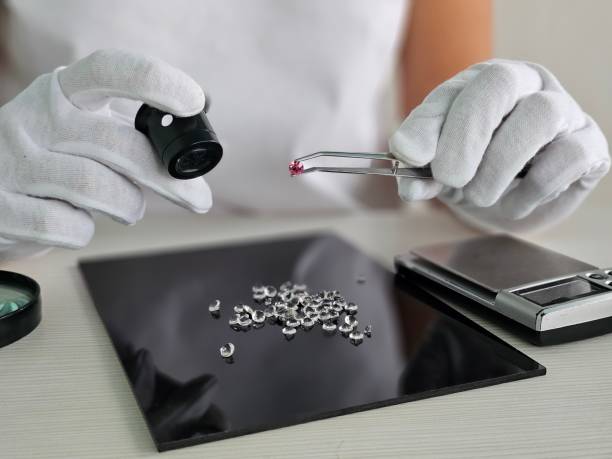
Gemmologists are experts who focus on the study and analysis of gemstones, encompassing their identification, grading, and appraisal, as well as the detection of treatments and synthetic materials. Their work involves conducting detailed examinations using specialized tools, certifying gemstone authenticity in laboratories, assessing market value for trade purposes, and applying findings to jewellery design and consumer protection. They often operate in commercial, academic, or industrial settings, balancing technical analysis with practical applications and interdisciplinary collaboration. Gemmologists are essential to fields like jewellery retail, gemstone mining, and geological research, serving as experts in gem materials, contributing to solutions for ethical sourcing, advancing certification standards, and protecting market integrity, addressing pressing industry and societal issues through precise analysis, and improving outcomes through evidence-based strategies in a commercial landscape where gemmology’s applications continue to expand due to consumer and trade needs.

Roles and Responsibilities

💼
Gemmologist
Roles and Responsibilities
Gemstone Identification and Analysis
Identify gemstones by examining their physical and chemical properties using microscopes and other tools.
Analyze gemstone characteristics such as colour, clarity, cut, and carat weight for grading purposes.
Quality Assessment and Grading
Assess the quality of gemstones based on internationally recognized grading systems.
Provide detailed reports on gemstone value and authenticity for trade and certification.
Authentication and Detection
Detect treatments, enhancements, and synthetic or imitation gemstones using advanced testing methods.
Verify the origin of gemstones to ensure ethical sourcing and compliance with regulations.
Market Valuation and Appraisal
Determine the market value of gemstones for sales, auctions, insurance, or legal purposes.
Advise clients on investment potential and pricing trends in the gemstone market.
Research and Development
Conduct research on gemstone formation, new treatments, and synthetic production techniques.
Contribute to the development of gemmological standards and testing methodologies.
Data Collection and Reporting
Collect data on gemstone properties, origins, and market trends through laboratory and field studies.
Publish research findings in industry journals and present at gemmology conferences.
Industry Collaboration
Work with jewellery designers, manufacturers, and retailers to select gemstones for products.
Consult with mining companies and traders on gemstone extraction and supply chain ethics.
Education and Outreach
Teach courses on gemmology, mineralogy, or jewellery design in academic or vocational institutions.
Educate consumers, jewellers, and policymakers on gemstone authenticity and ethical practices.
Policy and Regulation
Advise on regulations related to gemstone trade, ethical sourcing, and conflict-free certifications.
Develop guidelines for fair trade practices and gemstone labelling standards.
Jewellery Design and Repair
Collaborate with jewellers to recommend gemstones for custom designs and settings.
Assist in the repair or restoration of gemstone jewelry by evaluating damage and suitability.
Competitive Entrance Examinations:
Clearing university-specific entrance tests for Bachelor’s programs or professional certification exams for Gemmology courses in India and abroad is critical for entry into relevant programs.
Variable Academic Commitment:
Requires a journey of 3-6 years post-high school for most roles, with additional years for advanced certifications or research in Gemmology.
Strong Foundation in Core Subjects:
Academic excellence in subjects like Geology, Chemistry, and Physics during undergraduate studies is essential for understanding gemstone properties.
Practical Performance:
Hands-on training during diploma or certification programs is crucial for securing competitive positions in Gemmology.
Research and Publications:
Engaging in gemstone research projects and publishing findings during academic or professional programs can enhance prospects for industry roles.
Fellowship Selection:
Securing internships or fellowships often requires a strong academic record, practical skills, and relevant project experience in gemmological studies.
Continuous Education:
Mandatory participation in workshops, seminars, and short courses to stay updated with evolving gemmological techniques, market trends, and ethical standards.
Specialization Certification:
Obtaining certifications in niche areas like diamond grading or coloured stone identification can provide a competitive edge in the field.
Subspecialty Training:
Pursuing additional training in areas like gemstone synthesis or jewellery appraisal can enhance career prospects.
Language Proficiency for International Practice:
Clearing language proficiency tests like IELTS or TOEFL with high scores is often necessary for pursuing opportunities abroad.
Dr. Edward J. Gübelin (Historical, Switzerland):
Renowned for pioneering gemstone inclusion research, active from the 1930s to 1990s, associated with the Gübelin Gem Lab.
Richard T. Liddicoat (Historical, USA):
Known as the "Father of Modern Gemmology" for developing the GIA diamond grading system, active from the 1940s to 2000s at the Gemmological Institute of America.
Basil Anderson (Historical, UK):
Noted for contributions to gemstone testing and spectroscopy, active from the 1930s to 1980s at the Gemmological Association of Great Britain.
John Koivula (Contemporary, USA):
Recognized for expertise in gemstone photomicrography and inclusions, active since the 1970s at the GIA.
Dr. Henry Hänni (Contemporary, Switzerland):
Known for research on gemstone treatments and origin determination, active since the 1980s at the Swiss Gemmological Institute (SSEF).
Robert Crowningshield (Historical, USA):
Noted for advancements in diamond grading and synthetic detection, active from the 1950s to 1990s at the GIA.
Dr. Lore Kiefert (Contemporary, Germany/Switzerland):
Recognized for work on colored gemstone origin and treatment analysis, active since the 1990s at the Gübelin Gem Lab.
Alan Jobbins (Historical, UK):
Known for contributions to Gemmological education and testing methods, active from the 1950s to 2000s at Gem-A.
Dr.PornsawatWathanakul (Contemporary, Thailand):
Noted for research on corundum and gemstone treatments, active since the 1980s at the Gem and Jewelry Institute of Thailand (GIT).
Vincent Pardieu (Contemporary, France/Thailand):
Recognized for fieldwork on gemstone origins and ethical sourcing, active since the 2000s at the Asian Institute of Gemmological Sciences (AIGS).
Dr.JayshreePanjikar (Contemporary, India):
Recognized for contributions to gemstone research and education, active since the 1980s at the Gemmological Institute of India (GII) and Pangem Testing Laboratory, Pune.
Mr.Bakul R. Mehta (Contemporary, India):
Recognized for pioneering Gemmological education and certification in India, active since the 1970s as the founder of the Gemmological Institute of India (GII), Mumbai.

Roles and Responsibilities:

  • Gemstone Identification and Analysis
    • Identify gemstones by examining their physical and chemical properties using microscopes and other tools.
    • Analyze gemstone characteristics such as colour, clarity, cut, and carat weight for grading purposes.
  • Quality Assessment and Grading
    • Assess the quality of gemstones based on internationally recognized grading systems.
    • Provide detailed reports on gemstone value and authenticity for trade and certification.
  • Authentication and Detection
    • Detect treatments, enhancements, and synthetic or imitation gemstones using advanced testing methods.
    • Verify the origin of gemstones to ensure ethical sourcing and compliance with regulations.
  • Market Valuation and Appraisal
    • Determine the market value of gemstones for sales, auctions, insurance, or legal purposes.
    • Advise clients on investment potential and pricing trends in the gemstone market.
  • Research and Development
    • Conduct research on gemstone formation, new treatments, and synthetic production techniques.
    • Contribute to the development of gemmological standards and testing methodologies.
  • Data Collection and Reporting
    • Collect data on gemstone properties, origins, and market trends through laboratory and field studies.
    • Publish research findings in industry journals and present at gemmology conferences.
  • Industry Collaboration
    • Work with jewellery designers, manufacturers, and retailers to select gemstones for products.
    • Consult with mining companies and traders on gemstone extraction and supply chain ethics.
  • Education and Outreach
    • Teach courses on gemmology, mineralogy, or jewellery design in academic or vocational institutions.
    • Educate consumers, jewellers, and policymakers on gemstone authenticity and ethical practices.
  • Policy and Regulation
    • Advise on regulations related to gemstone trade, ethical sourcing, and conflict-free certifications.
    • Develop guidelines for fair trade practices and gemstone labelling standards.
  • Jewellery Design and Repair
    • Collaborate with jewellers to recommend gemstones for custom designs and settings.
    • Assist in the repair or restoration of gemstone jewelry by evaluating damage and suitability.


Study Route & Eligibility Criteria:

RouteSteps
Route 11. 10+2 with Physics, Chemistry, and Mathematics/Biology (PCM/PCB).
2. Bachelor’s degree in Geology, Mineralogy, or Earth Sciences (3-4 years).
3. Diploma or Master’s degree in Gemmology (1-2 years).
4. Advanced certification in Gemstone Grading or Appraisal (optional).
5. Research or industry experience in gemological labs (optional).
Route 21. 10+2 with Physics, Chemistry, and Mathematics/Biology (PCM/PCB).
2. Bachelor’s degree in Chemistry or Material Science (3-4 years).
3. Professional certification in Gemmology from recognized institutes (6 months-1 year).
4. Specialized training in Gemstone Identification (6 months-1 year).
5. Practical experience in gemstone trading or jewelry industry.
Route 31. 10+2 with Physics, Chemistry, and Mathematics/Biology (PCM/PCB).
2. Bachelor’s degree in Jewelry Design or Applied Sciences (3-4 years).
3. Diploma in Gemmology or related field (1-2 years).
4. Internship or fellowship in gemological labs (1-2 years).
5. Certification in advanced gem testing techniques.
Route 41. 10+2 with Physics, Chemistry, and Mathematics/Biology (PCM/PCB).
2. Bachelor’s degree from India in relevant field (3-4 years).
3. International certification or diploma in Gemmology.
4. Training or internship abroad in gemological institutes (1-2 years).
5. Certification or licensure for international practice (if applicable).


Significant Observations (Academic Related Points):

  • Competitive Entrance Examinations: Clearing university-specific entrance tests for Bachelor’s programs or professional certification exams for Gemmology courses in India and abroad is critical for entry into relevant programs.
  • Variable Academic Commitment: Requires a journey of 3-6 years post-high school for most roles, with additional years for advanced certifications or research in Gemmology.
  • Strong Foundation in Core Subjects: Academic excellence in subjects like Geology, Chemistry, and Physics during undergraduate studies is essential for understanding gemstone properties.
  • Practical Performance: Hands-on training during diploma or certification programs is crucial for securing competitive positions in Gemmology.
  • Research and Publications: Engaging in gemstone research projects and publishing findings during academic or professional programs can enhance prospects for industry roles.
  • Fellowship Selection: Securing internships or fellowships often requires a strong academic record, practical skills, and relevant project experience in gemmological studies.
  • Continuous Education: Mandatory participation in workshops, seminars, and short courses to stay updated with evolving gemmological techniques, market trends, and ethical standards.
  • Specialization Certification: Obtaining certifications in niche areas like diamond grading or coloured stone identification can provide a competitive edge in the field.
  • Subspecialty Training: Pursuing additional training in areas like gemstone synthesis or jewellery appraisal can enhance career prospects.
  • Language Proficiency for International Practice: Clearing language proficiency tests like IELTS or TOEFL with high scores is often necessary for pursuing opportunities abroad.


Internships & Practical Exposure:

  • Laboratory internships in gemmological institutes focusing on gemstone identification and grading.
  • Apprenticeships with jewellery manufacturers or retailers for hands-on gemstone selection experience.
  • Observerships in auction houses or certification labs assessing gemstone authenticity.
  • Fieldwork in gemstone mining areas to study extraction and origin tracing.
  • Participation in gemstone trade shows and exhibitions for market exposure.
  • Training in gem testing equipment like refractometers and spectroscopes under supervision.
  • Experience in gemstone appraisal for insurance or legal purposes in professional settings.
  • Involvement in data collection for gemstone properties and market value studies.
  • Attendance at gemmology or jewellery industry conferences and workshops.
  • Exposure to ethical sourcing and certification processes in gemstone supply chains.


Courses & Specializations to Enter the Field:

  • Bachelor’s in Geology, Mineralogy, or Earth Sciences.
  • Bachelor’s in Chemistry or Material Science.
  • Diploma in Gemmology.
  • Master’s in Gemmology or Mineralogy.
  • Certification courses in Diamond Grading.
  • Training in Coloured Stone Identification.
  • Specialized courses in Synthetic Gemstone Detection.
  • Diploma in Jewellery Design with Gemmology focus.
  • Continuing Education courses in Gemstone Appraisal.
  • Short-term courses in Ethical Gemstone Sourcing.


Top Institutes for Gemmologist Education (India):

InstituteCourse/ProgramOfficial Link
Gemmological Institute of India (GII), MumbaiDiploma in Gemmologyhttps://www.giionline.com/
Indian Diamond Institute (IDI), SuratDiploma in Gemmologyhttps://www.diamondinstitute.net/
Indian Institute of Gems & Jewellery (IIGJ), MumbaiDiploma in Gemmologyhttps://www.iigj.org/
National Institute of Fashion Technology (NIFT), Multiple LocationsCertificate in Gemmologyhttps://www.nift.ac.in/
St. Xavier’s College, MumbaiCertificate in Gemmologyhttps://www.xaviers.ac.in/
University of Mumbai, MumbaiCertificate in Gemmologyhttps://www.mu.ac.in/
HR College of Commerce and Economics, MumbaiCertificate in Gemmologyhttps://www.hrcollege.edu/
Sophia College for Women, MumbaiCertificate in Gemmologyhttps://www.sophiacollege.edu.in/
Indian Institute of Technology (IIT), KharagpurShort Courses in Mineralogyhttps://www.iitkgp.ac.in/
Jadavpur University, KolkataCertificate in Gemmologyhttps://www.jaduniv.edu.in/


Top International Institutes:

InstitutionCourseCountryOfficial Link
Gemological Institute of America (GIA)Graduate Gemologist ProgramUSAhttps://www.gia.edu/
Swiss Gemmological Institute (SSEF)Advanced Gemmology CoursesSwitzerlandhttps://www.ssef.ch/
Asian Institute of Gemological Sciences (AIGS)Diploma in GemmologyThailandhttps://www.aigsthailand.com/
HRD AntwerpDiamond Grading and Gemmology CoursesBelgiumhttps://www.hrdantwerp.com/
University of QueenslandBSc in Earth Sciences (Mineralogy)Australiahttps://www.uq.edu.au/
University of TorontoCertificate in Earth SciencesCanadahttps://www.utoronto.ca/
De Beers Institute of DiamondsDiamond Grading CoursesUKhttps://www.debeersgroup.com/
Gem-A (Gemmological Association of Great Britain)Diploma in GemmologyUKhttps://www.gem-a.com/
Canadian Gemmological Association (CGA)Professional Gemmology ProgramCanadahttps://www.canadiangemmological.com/
International Gemological Institute (IGI)Diploma in GemmologyMultiple Locationshttps://www.igi.org/


Entrance Tests Required:

India:

  • Institute-specific entrance exams for diploma and certificate programs in Gemmology (e.g., GII Entrance Test).
  • University-specific entrance exams for Bachelor’s programs in Geology or Earth Sciences.
  • State-level entrance examinations for science and design-related institutions.
  • National-level design entrance exams like NIFT for jewelry design programs with Gemmology components.
  • Aptitude tests for professional certification courses in gemstone grading.


International:

  • Graduate Record Examination (GRE) for postgraduate programs in Earth Sciences in the USA and Canada.
  • International English Language Testing System (IELTS) with a minimum score of 6.0-6.5 for international programs.
  • Test of English as a Foreign Language (TOEFL) with a minimum score of 80-90 for programs in English-speaking countries.
  • Institute-specific entrance exams for professional Gemmology certifications (e.g., GIA or Gem-A exams).
  • University-specific entrance exams for international Bachelor’s or Master’s programs in related fields.
  • Australian Education Assessment Services for programs in Australia.
  • Specific fellowship or scholarship exams for international training opportunities.


Ideal Progressing Career Path

Undergraduate Student → Certified Trainee (Diploma/Certification) → Junior Gemmologist → Established Gemmologist → Senior Gemmologist/Lab Head → Program Director/Industry Expert


Major Areas of Employment:

  • Jewellery retail and manufacturing companies selecting and valuing gemstones.
  • Gemstone certification laboratories ensuring authenticity and quality.
  • Auction houses appraising gemstones for sales and valuation.
  • Gemstone trading and import/export firms managing supply chains.
  • Mining companies focusing on gemstone extraction and origin tracing.
  • Research institutions studying gemstone formation and synthetic materials.
  • Universities and vocational centers for teaching and training in Gemmology.
  • Insurance companies assessing gemstone value for policies and claims.
  • Government agencies overseeing gemstone trade regulations and ethics.
  • International bodies addressing global gemstone sourcing and certification standards.


Prominent Employers:

IndiaInternational
Gemmological Institute of India (GII)Gemmological Institute of America (GIA)
Indian Diamond Institute (IDI)Swiss Gemmological Institute (SSEF)
Indian Institute of Gems & Jewellery (IIGJ)Asian Institute of Gemmological Sciences (AIGS)
Titan Company Limited (Tanishq)HRD Antwerp
Reliance JewelsDe Beers Group
Malabar Gold & DiamondsTiffany & Co.
PC JewellerSotheby’s
Kalyan JewellersChristie’s
Gitanjali GemsCartier
Ministry of Commerce and IndustryInternational Gemmological Institute (IGI)


Pros and Cons of the Profession:

ProsCons
Significant contribution to the jewelry industry and consumer trust through gemstone authentication.Requires continuous learning to keep up with new treatments and synthetic gemstone technologies.
Intellectually stimulating work combining science, art, and commerce in gemstone analysis.Competitive market for high-level positions, often requiring extensive experience and networking.
High impact on global trade by ensuring ethical sourcing and market integrity.Physically demanding tasks, such as long hours of microscopic analysis, posing ergonomic challenges.
Opportunities for innovation in gemstone testing and certification methodologies.Limited public awareness of Gemmology as a career, leading to fewer mainstream opportunities in some regions.
Growing relevance due to increasing demand for certified and ethically sourced gemstones.Market fluctuations and economic downturns can impact demand for luxury goods like gemstones.


Industry Trends and Future Outlook:

  • Advanced Testing Technologies: Increasing use of spectroscopy, X-ray imaging, and AI for gemstone identification and treatment detection.
  • Ethical Sourcing: Growing focus on traceability and certification of conflict-free and sustainably sourced gemstones.
  • Synthetic Gemstones: Rising demand for lab-grown diamonds and gems, requiring expertise in distinguishing natural from synthetic materials.
  • Digital Certification: Enhanced use of blockchain for transparent gemstone certification and supply chain tracking.
  • Consumer Awareness: Greater emphasis on educating buyers about gemstone quality and ethical considerations.
  • Personalized Jewellery Trends: Rising demand for custom designs driving the need for gemmologists in selecting unique stones.
  • Global Market Expansion: Increased international trade of gemstones, necessitating standardized certification and expertise.
  • Sustainability Focus: Growing interest in eco-friendly mining practices and recycling of gemstone materials.
  • Technological Integration: Development of portable gem-testing devices for on-site authentication and valuation.


Salary Expectations:

Career LevelIndia (₹ per annum)International (US$ per annum)
Trainee/Certified Gemmologist2,00,000 - 4,00,000$25,000 - $35,000
Junior Gemmologist4,00,000 - 8,00,000$40,000 - $55,000
Established Gemmologist8,00,000 - 15,00,000$55,000 - $80,000
Senior Gemmologist/Lab Head15,00,000 - 25,00,000$80,000 - $110,000
Program Director/Industry Expert25,00,000 - 40,00,000$110,000 - $150,000


Key Software Tools:

  • Gemstone Imaging Software: Tools for capturing and analyzing detailed images of gemstone inclusions and characteristics.
  • Data Analysis Software: Tools like Excel and specialized Gemmological software for recording test results and trends.
  • Laboratory Information Management Systems (LIMS): For tracking and managing gemstone samples and certification data.
  • Spectroscopy Analysis Software: For interpreting data from UV-Vis and FTIR spectroscopy in gemstone testing.
  • Digital Certification Platforms: For creating and storing gemstone certificates using blockchain or secure databases.
  • Market Analysis Tools: For tracking gemstone pricing trends and market demand.
  • Database Management Tools: For organizing large datasets of gemstone properties and client records.
  • Visualization Software: For presenting gemstone analysis results to clients or at industry events.
  • Inventory Management Platforms: For coordinating gemstone stock in retail or trade environments.
  • Collaboration Platforms: For interdisciplinary teamwork and data sharing with jewellers and industry stakeholders.


Professional Organizations and Networks:

  • Gemmological Institute of America (GIA)
  • Gemmological Association of Great Britain (Gem-A)
  • International Gemmological Institute (IGI)
  • Swiss Gemmological Institute (SSEF)
  • Asian Institute of Gemmological Sciences (AIGS)
  • Indian Diamond Institute (IDI)
  • Gemmological Institute of India (GII)
  • International Coloured Gemstone Association (ICA)
  • World Jewellery Confederation (CIBJO)
  • American Gem Society (AGS)


Notable Gemmologists and Industry Leaders (Top 10):

  • Dr. Edward J. Gübelin (Historical, Switzerland): Renowned for pioneering gemstone inclusion research, active from the 1930s to 1990s, associated with the Gübelin Gem Lab.
     
  • Richard T. Liddicoat (Historical, USA): Known as the "Father of Modern Gemmology" for developing the GIA diamond grading system, active from the 1940s to 2000s at the Gemmological Institute of America.
     
  • Basil Anderson (Historical, UK): Noted for contributions to gemstone testing and spectroscopy, active from the 1930s to 1980s at the Gemmological Association of Great Britain.
     
  • John Koivula (Contemporary, USA): Recognized for expertise in gemstone photomicrography and inclusions, active since the 1970s at the GIA.
     
  • Dr. Henry Hänni (Contemporary, Switzerland): Known for research on gemstone treatments and origin determination, active since the 1980s at the Swiss Gemmological Institute (SSEF).
     
  • Robert Crowningshield (Historical, USA): Noted for advancements in diamond grading and synthetic detection, active from the 1950s to 1990s at the GIA.
  • Dr. Lore Kiefert (Contemporary, Germany/Switzerland): Recognized for work on colored gemstone origin and treatment analysis, active since the 1990s at the Gübelin Gem Lab.
     
  • Alan Jobbins (Historical, UK): Known for contributions to Gemmological education and testing methods, active from the 1950s to 2000s at Gem-A.
     
  • Dr.PornsawatWathanakul (Contemporary, Thailand): Noted for research on corundum and gemstone treatments, active since the 1980s at the Gem and Jewelry Institute of Thailand (GIT).
     
  • Vincent Pardieu (Contemporary, France/Thailand): Recognized for fieldwork on gemstone origins and ethical sourcing, active since the 2000s at the Asian Institute of Gemmological Sciences (AIGS).
     
  • Dr.JayshreePanjikar (Contemporary, India): Recognized for contributions to gemstone research and education, active since the 1980s at the Gemmological Institute of India (GII) and Pangem Testing Laboratory, Pune.
     
  • Mr.Bakul R. Mehta (Contemporary, India): Recognized for pioneering Gemmological education and certification in India, active since the 1970s as the founder of the Gemmological Institute of India (GII), Mumbai.
     

Advice for Aspiring Gemmologists:

  • Build a strong foundation in geology, chemistry, and physics during undergraduate studies to prepare for specialized learning.
  • Seek early exposure through internships or apprenticeships in Gemmological labs or jewelry firms to gain practical experience.
  • Develop technical skills in gemstone testing, grading, and use of analytical tools during certification programs for a competitive edge.
  • Engage in interdisciplinary learning by exploring mineralogy, market trends, and jewelry design alongside Gemmology.
  • Pursue research opportunities or fellowships to deepen expertise in niche areas like synthetic detection or origin tracing.
  • Cultivate mentoring relationships with established gemmologists for career guidance and networking opportunities.
  • Stay updated with advancements in gemstone testing technologies, ethical sourcing standards, and market dynamics.
  • Publish research findings or case studies in industry journals to establish credibility and contribute to the field.
  • Consider international exposure through collaborative projects, trade shows, or advanced certifications abroad to broaden perspectives.
  • Balance technical expertise with practical applications to address real-world challenges like ethical sourcing and consumer trust.


A career as a Gemmologist offers a unique opportunity to impact the jewelry industry, gemstone trade, and consumer trust by studying and evaluating precious materials. From conducting detailed laboratory analyses to ensuring ethical practices in sourcing, Gemmologists play a pivotal role in addressing some of the world’s most pressing industry challenges. This field combines scientific inquiry, commercial acumen, and interdisciplinary collaboration, offering diverse paths in certification, trade, research, and education. For those passionate about gemstones, mineralogy, and market integrity, a career as a Gemmologist provides a deeply rewarding journey with significant potential for making meaningful contributions to society in an era where authenticity, sustainability, and ethical trade continue to shape global priorities.

Study Route & Eligibility Criteria

Study Route & Eligibility Criteria
Gemmologist
Route 1
🎓
1
10+2 with Physics, Chemistry, and Mathematics/Biology .
🏛️
2
Bachelor’s degree in Geology, Mineralogy, or Earth Sciences .
3-4 years
🎓
3
Diploma or Master’s degree in Gemmology .
1-2 years
💼
4
Advanced certification in Gemstone Grading or Appraisal .
💼
5
Research or industry experience in gemological labs .
Route 2
🎓
1
10+2 with Physics, Chemistry, and Mathematics/Biology .
🏛️
2
Bachelor’s degree in Chemistry or Material Science .
3-4 years
🌍
3
Professional certification in Gemmology from recognized institutes .
💼
4
Specialized training in Gemstone Identification .
💼
5
Practical experience in gemstone trading or jewelry industry.
Route 3
🎓
1
10+2 with Physics, Chemistry, and Mathematics/Biology .
🏛️
2
Bachelor’s degree in Jewelry Design or Applied Sciences .
3-4 years
🎓
3
Diploma in Gemmology or related field .
1-2 years
💼
4
Internship or fellowship in gemological labs .
1-2 years
🌍
5
Certification in advanced gem testing techniques.
Route 4
🎓
1
10+2 with Physics, Chemistry, and Mathematics/Biology .
🏛️
2
Bachelor’s degree from India in relevant field .
3-4 years
🎓
3
International certification or diploma in Gemmology.
💼
4
Training or internship abroad in gemological institutes .
1-2 years
💼
5
Certification or licensure for international practice .
🎯 Gemmologist - Professional

Significant Observations (Academic Related Points)

💡
Gemmologist
Academic Related Points
1
Competitive Entrance Examinations:
Clearing university-specific entrance tests for Bachelor’s programs or professional certification exams for Gemmology courses in India and abroad is critical for entry into relevant programs.
2
Variable Academic Commitment:
Requires a journey of 3-6 years post-high school for most roles, with additional years for advanced certifications or research in Gemmology.
3
Strong Foundation in Core Subjects:
Academic excellence in subjects like Geology, Chemistry, and Physics during undergraduate studies is essential for understanding gemstone properties.
4
Practical Performance:
Hands-on training during diploma or certification programs is crucial for securing competitive positions in Gemmology.
5
Research and Publications:
Engaging in gemstone research projects and publishing findings during academic or professional programs can enhance prospects for industry roles.
6
Fellowship Selection:
Securing internships or fellowships often requires a strong academic record, practical skills, and relevant project experience in gemmological studies.
7
Continuous Education:
Mandatory participation in workshops, seminars, and short courses to stay updated with evolving gemmological techniques, market trends, and ethical standards.
8
Specialization Certification:
Obtaining certifications in niche areas like diamond grading or coloured stone identification can provide a competitive edge in the field.
9
Subspecialty Training:
Pursuing additional training in areas like gemstone synthesis or jewellery appraisal can enhance career prospects.
10
Language Proficiency for International Practice:
Clearing language proficiency tests like IELTS or TOEFL with high scores is often necessary for pursuing opportunities abroad.
11
Dr. Edward J. Gübelin (Historical, Switzerland):
Renowned for pioneering gemstone inclusion research, active from the 1930s to 1990s, associated with the Gübelin Gem Lab.
12
Richard T. Liddicoat (Historical, USA):
Known as the "Father of Modern Gemmology" for developing the GIA diamond grading system, active from the 1940s to 2000s at the Gemmological Institute of America.
13
Basil Anderson (Historical, UK):
Noted for contributions to gemstone testing and spectroscopy, active from the 1930s to 1980s at the Gemmological Association of Great Britain.
14
John Koivula (Contemporary, USA):
Recognized for expertise in gemstone photomicrography and inclusions, active since the 1970s at the GIA.
15
Dr. Henry Hänni (Contemporary, Switzerland):
Known for research on gemstone treatments and origin determination, active since the 1980s at the Swiss Gemmological Institute (SSEF).
16
Robert Crowningshield (Historical, USA):
Noted for advancements in diamond grading and synthetic detection, active from the 1950s to 1990s at the GIA.
17
Dr. Lore Kiefert (Contemporary, Germany/Switzerland):
Recognized for work on colored gemstone origin and treatment analysis, active since the 1990s at the Gübelin Gem Lab.
18
Alan Jobbins (Historical, UK):
Known for contributions to Gemmological education and testing methods, active from the 1950s to 2000s at Gem-A.
19
Dr.PornsawatWathanakul (Contemporary, Thailand):
Noted for research on corundum and gemstone treatments, active since the 1980s at the Gem and Jewelry Institute of Thailand (GIT).
20
Vincent Pardieu (Contemporary, France/Thailand):
Recognized for fieldwork on gemstone origins and ethical sourcing, active since the 2000s at the Asian Institute of Gemmological Sciences (AIGS).
21
Dr.JayshreePanjikar (Contemporary, India):
Recognized for contributions to gemstone research and education, active since the 1980s at the Gemmological Institute of India (GII) and Pangem Testing Laboratory, Pune.
22
Mr.Bakul R. Mehta (Contemporary, India):
Recognized for pioneering Gemmological education and certification in India, active since the 1970s as the founder of the Gemmological Institute of India (GII), Mumbai.

Internships & Practical Exposure

💼
Gemmologist
Internships & Practical Experience
1
Laboratory internships in gemmological institutes focusing on gemstone identification and grading.
2
Apprenticeships with jewellery manufacturers or retailers for hands-on gemstone selection experience.
3
Observerships in auction houses or certification labs assessing gemstone authenticity.
4
Fieldwork in gemstone mining areas to study extraction and origin tracing.
5
Participation in gemstone trade shows and exhibitions for market exposure.
6
Training in gem testing equipment like refractometers and spectroscopes under supervision.
7
Experience in gemstone appraisal for insurance or legal purposes in professional settings.
8
Involvement in data collection for gemstone properties and market value studies.
9
Attendance at gemmology or jewellery industry conferences and workshops.
10
Exposure to ethical sourcing and certification processes in gemstone supply chains.
11
Bachelor’s in Geology, Mineralogy, or Earth Sciences.
12
Bachelor’s in Chemistry or Material Science.
13
Diploma in Gemmology.
14
Master’s in Gemmology or Mineralogy.
15
Certification courses in Diamond Grading.
16
Training in Coloured Stone Identification.
17
Specialized courses in Synthetic Gemstone Detection.
18
Diploma in Jewellery Design with Gemmology focus.
19
Continuing Education courses in Gemstone Appraisal.
20
Short-term courses in Ethical Gemstone Sourcing.
21
Institute-specific entrance exams for diploma and certificate programs in Gemmology (e.g., GII Entrance Test).
22
University-specific entrance exams for Bachelor’s programs in Geology or Earth Sciences.
23
State-level entrance examinations for science and design-related institutions.
24
National-level design entrance exams like NIFT for jewelry design programs with Gemmology components.
25
Aptitude tests for professional certification courses in gemstone grading.
26
Graduate Record Examination (GRE) for postgraduate programs in Earth Sciences in the USA and Canada.
27
International English Language Testing System (IELTS) with a minimum score of 6.0-6.5 for international programs.
28
Test of English as a Foreign Language (TOEFL) with a minimum score of 80-90 for programs in English-speaking countries.
29
Institute-specific entrance exams for professional Gemmology certifications (e.g., GIA or Gem-A exams).
30
University-specific entrance exams for international Bachelor’s or Master’s programs in related fields.
31
Australian Education Assessment Services for programs in Australia.
32
Specific fellowship or scholarship exams for international training opportunities.
33
Jewellery retail and manufacturing companies selecting and valuing gemstones.
34
Gemstone certification laboratories ensuring authenticity and quality.
35
Auction houses appraising gemstones for sales and valuation.
36
Gemstone trading and import/export firms managing supply chains.
37
Mining companies focusing on gemstone extraction and origin tracing.
38
Research institutions studying gemstone formation and synthetic materials.
39
Universities and vocational centers for teaching and training in Gemmology.
40
Insurance companies assessing gemstone value for policies and claims.
41
Government agencies overseeing gemstone trade regulations and ethics.
42
International bodies addressing global gemstone sourcing and certification standards.
43
Advanced Testing Technologies: Increasing use of spectroscopy, X-ray imaging, and AI for gemstone identification and treatment detection.
44
Ethical Sourcing: Growing focus on traceability and certification of conflict-free and sustainably sourced gemstones.
45
Synthetic Gemstones: Rising demand for lab-grown diamonds and gems, requiring expertise in distinguishing natural from synthetic materials.
46
Digital Certification: Enhanced use of blockchain for transparent gemstone certification and supply chain tracking.
47
Consumer Awareness: Greater emphasis on educating buyers about gemstone quality and ethical considerations.
48
Personalized Jewellery Trends: Rising demand for custom designs driving the need for gemmologists in selecting unique stones.
49
Global Market Expansion: Increased international trade of gemstones, necessitating standardized certification and expertise.
50
Sustainability Focus: Growing interest in eco-friendly mining practices and recycling of gemstone materials.
51
Technological Integration: Development of portable gem-testing devices for on-site authentication and valuation.
52
Gemstone Imaging Software: Tools for capturing and analyzing detailed images of gemstone inclusions and characteristics.
53
Data Analysis Software: Tools like Excel and specialized Gemmological software for recording test results and trends.
54
Laboratory Information Management Systems (LIMS): For tracking and managing gemstone samples and certification data.
55
Spectroscopy Analysis Software: For interpreting data from UV-Vis and FTIR spectroscopy in gemstone testing.
56
Digital Certification Platforms: For creating and storing gemstone certificates using blockchain or secure databases.
57
Market Analysis Tools: For tracking gemstone pricing trends and market demand.
58
Database Management Tools: For organizing large datasets of gemstone properties and client records.
59
Visualization Software: For presenting gemstone analysis results to clients or at industry events.
60
Inventory Management Platforms: For coordinating gemstone stock in retail or trade environments.
61
Collaboration Platforms: For interdisciplinary teamwork and data sharing with jewellers and industry stakeholders.
62
Gemmological Institute of America (GIA)
63
Gemmological Association of Great Britain (Gem-A)
64
International Gemmological Institute (IGI)
65
Swiss Gemmological Institute (SSEF)
66
Asian Institute of Gemmological Sciences (AIGS)
67
Indian Diamond Institute (IDI)
68
Gemmological Institute of India (GII)
69
International Coloured Gemstone Association (ICA)
70
World Jewellery Confederation (CIBJO)
71
American Gem Society (AGS)
72
Dr. Edward J. Gübelin (Historical, Switzerland):Renowned for pioneering gemstone inclusion research, active from the 1930s to 1990s, associated with the Gübelin Gem Lab.
73
Richard T. Liddicoat (Historical, USA):Known as the "Father of Modern Gemmology" for developing the GIA diamond grading system, active from the 1940s to 2000s at the Gemmological Institute of America.
74
Basil Anderson (Historical, UK):Noted for contributions to gemstone testing and spectroscopy, active from the 1930s to 1980s at the Gemmological Association of Great Britain.
75
John Koivula (Contemporary, USA):Recognized for expertise in gemstone photomicrography and inclusions, active since the 1970s at the GIA.
76
Dr. Henry Hänni (Contemporary, Switzerland):Known for research on gemstone treatments and origin determination, active since the 1980s at the Swiss Gemmological Institute (SSEF).
77
Robert Crowningshield (Historical, USA):Noted for advancements in diamond grading and synthetic detection, active from the 1950s to 1990s at the GIA.
78
Dr. Lore Kiefert (Contemporary, Germany/Switzerland):Recognized for work on colored gemstone origin and treatment analysis, active since the 1990s at the Gübelin Gem Lab.
79
Alan Jobbins (Historical, UK):Known for contributions to Gemmological education and testing methods, active from the 1950s to 2000s at Gem-A.
80
Dr.PornsawatWathanakul (Contemporary, Thailand):Noted for research on corundum and gemstone treatments, active since the 1980s at the Gem and Jewelry Institute of Thailand (GIT).
81
Vincent Pardieu (Contemporary, France/Thailand):Recognized for fieldwork on gemstone origins and ethical sourcing, active since the 2000s at the Asian Institute of Gemmological Sciences (AIGS).
82
Dr.JayshreePanjikar (Contemporary, India):Recognized for contributions to gemstone research and education, active since the 1980s at the Gemmological Institute of India (GII) and Pangem Testing Laboratory, Pune.
83
Mr.Bakul R. Mehta (Contemporary, India):Recognized for pioneering Gemmological education and certification in India, active since the 1970s as the founder of the Gemmological Institute of India (GII), Mumbai.
84
Build a strong foundation in geology, chemistry, and physics during undergraduate studies to prepare for specialized learning.
85
Seek early exposure through internships or apprenticeships in Gemmological labs or jewelry firms to gain practical experience.
86
Develop technical skills in gemstone testing, grading, and use of analytical tools during certification programs for a competitive edge.
87
Engage in interdisciplinary learning by exploring mineralogy, market trends, and jewelry design alongside Gemmology.
88
Pursue research opportunities or fellowships to deepen expertise in niche areas like synthetic detection or origin tracing.
89
Cultivate mentoring relationships with established gemmologists for career guidance and networking opportunities.
90
Stay updated with advancements in gemstone testing technologies, ethical sourcing standards, and market dynamics.
91
Publish research findings or case studies in industry journals to establish credibility and contribute to the field.
92
Consider international exposure through collaborative projects, trade shows, or advanced certifications abroad to broaden perspectives.
93
Balance technical expertise with practical applications to address real-world challenges like ethical sourcing and consumer trust.

Courses & Specializations to Enter the Field

📚
Gemmologist
Courses & Specializations
📖
Bachelor’s in Geology, Mineralogy, or Earth Sciences.
📖
Bachelor’s in Chemistry or Material Science.
📖
Diploma in Gemmology.
📖
Master’s in Gemmology or Mineralogy.
📖
Certification courses in Diamond Grading.
📖
Training in Coloured Stone Identification.
📖
Specialized courses in Synthetic Gemstone Detection.
📖
Diploma in Jewellery Design with Gemmology focus.
📖
Continuing Education courses in Gemstone Appraisal.
📖
Short-term courses in Ethical Gemstone Sourcing.
📖
Institute-specific entrance exams for diploma and certificate programs in Gemmology (e.g., GII Entrance Test).
📖
University-specific entrance exams for Bachelor’s programs in Geology or Earth Sciences.
📖
State-level entrance examinations for science and design-related institutions.
📖
National-level design entrance exams like NIFT for jewelry design programs with Gemmology components.
📖
Aptitude tests for professional certification courses in gemstone grading.
📖
Graduate Record Examination (GRE) for postgraduate programs in Earth Sciences in the USA and Canada.
📖
International English Language Testing System (IELTS) with a minimum score of 6.0-6.5 for international programs.
📖
Test of English as a Foreign Language (TOEFL) with a minimum score of 80-90 for programs in English-speaking countries.
📖
Institute-specific entrance exams for professional Gemmology certifications (e.g., GIA or Gem-A exams).
📖
University-specific entrance exams for international Bachelor’s or Master’s programs in related fields.
📖
Australian Education Assessment Services for programs in Australia.
📖
Specific fellowship or scholarship exams for international training opportunities.
📖
Jewellery retail and manufacturing companies selecting and valuing gemstones.
📖
Gemstone certification laboratories ensuring authenticity and quality.
📖
Auction houses appraising gemstones for sales and valuation.
📖
Gemstone trading and import/export firms managing supply chains.
📖
Mining companies focusing on gemstone extraction and origin tracing.
📖
Research institutions studying gemstone formation and synthetic materials.
📖
Universities and vocational centers for teaching and training in Gemmology.
📖
Insurance companies assessing gemstone value for policies and claims.
📖
Government agencies overseeing gemstone trade regulations and ethics.
📖
International bodies addressing global gemstone sourcing and certification standards.
📖
Advanced Testing Technologies: Increasing use of spectroscopy, X-ray imaging, and AI for gemstone identification and treatment detection.
📖
Ethical Sourcing: Growing focus on traceability and certification of conflict-free and sustainably sourced gemstones.
📖
Synthetic Gemstones: Rising demand for lab-grown diamonds and gems, requiring expertise in distinguishing natural from synthetic materials.
📖
Digital Certification: Enhanced use of blockchain for transparent gemstone certification and supply chain tracking.
📖
Consumer Awareness: Greater emphasis on educating buyers about gemstone quality and ethical considerations.
📖
Personalized Jewellery Trends: Rising demand for custom designs driving the need for gemmologists in selecting unique stones.
📖
Global Market Expansion: Increased international trade of gemstones, necessitating standardized certification and expertise.
📖
Sustainability Focus: Growing interest in eco-friendly mining practices and recycling of gemstone materials.
📖
Technological Integration: Development of portable gem-testing devices for on-site authentication and valuation.
📖
Gemstone Imaging Software: Tools for capturing and analyzing detailed images of gemstone inclusions and characteristics.
📖
Data Analysis Software: Tools like Excel and specialized Gemmological software for recording test results and trends.
📖
Laboratory Information Management Systems (LIMS): For tracking and managing gemstone samples and certification data.
📖
Spectroscopy Analysis Software: For interpreting data from UV-Vis and FTIR spectroscopy in gemstone testing.
📖
Digital Certification Platforms: For creating and storing gemstone certificates using blockchain or secure databases.
📖
Market Analysis Tools: For tracking gemstone pricing trends and market demand.
📖
Database Management Tools: For organizing large datasets of gemstone properties and client records.
📖
Visualization Software: For presenting gemstone analysis results to clients or at industry events.
📖
Inventory Management Platforms: For coordinating gemstone stock in retail or trade environments.
📖
Collaboration Platforms: For interdisciplinary teamwork and data sharing with jewellers and industry stakeholders.
📖
Gemmological Institute of America (GIA)
📖
Gemmological Association of Great Britain (Gem-A)
📖
International Gemmological Institute (IGI)
📖
Swiss Gemmological Institute (SSEF)
📖
Asian Institute of Gemmological Sciences (AIGS)
📖
Indian Diamond Institute (IDI)
📖
Gemmological Institute of India (GII)
📖
International Coloured Gemstone Association (ICA)
📖
World Jewellery Confederation (CIBJO)
📖
American Gem Society (AGS)
📖
Dr. Edward J. Gübelin (Historical, Switzerland):Renowned for pioneering gemstone inclusion research, active from the 1930s to 1990s, associated with the Gübelin Gem Lab.
📖
Richard T. Liddicoat (Historical, USA):Known as the "Father of Modern Gemmology" for developing the GIA diamond grading system, active from the 1940s to 2000s at the Gemmological Institute of America.
📖
Basil Anderson (Historical, UK):Noted for contributions to gemstone testing and spectroscopy, active from the 1930s to 1980s at the Gemmological Association of Great Britain.
📖
John Koivula (Contemporary, USA):Recognized for expertise in gemstone photomicrography and inclusions, active since the 1970s at the GIA.
📖
Dr. Henry Hänni (Contemporary, Switzerland):Known for research on gemstone treatments and origin determination, active since the 1980s at the Swiss Gemmological Institute (SSEF).
📖
Robert Crowningshield (Historical, USA):Noted for advancements in diamond grading and synthetic detection, active from the 1950s to 1990s at the GIA.
📖
Dr. Lore Kiefert (Contemporary, Germany/Switzerland):Recognized for work on colored gemstone origin and treatment analysis, active since the 1990s at the Gübelin Gem Lab.
📖
Alan Jobbins (Historical, UK):Known for contributions to Gemmological education and testing methods, active from the 1950s to 2000s at Gem-A.
📖
Dr.PornsawatWathanakul (Contemporary, Thailand):Noted for research on corundum and gemstone treatments, active since the 1980s at the Gem and Jewelry Institute of Thailand (GIT).
📖
Vincent Pardieu (Contemporary, France/Thailand):Recognized for fieldwork on gemstone origins and ethical sourcing, active since the 2000s at the Asian Institute of Gemmological Sciences (AIGS).
📖
Dr.JayshreePanjikar (Contemporary, India):Recognized for contributions to gemstone research and education, active since the 1980s at the Gemmological Institute of India (GII) and Pangem Testing Laboratory, Pune.
📖
Mr.Bakul R. Mehta (Contemporary, India):Recognized for pioneering Gemmological education and certification in India, active since the 1970s as the founder of the Gemmological Institute of India (GII), Mumbai.
📖
Build a strong foundation in geology, chemistry, and physics during undergraduate studies to prepare for specialized learning.
📖
Seek early exposure through internships or apprenticeships in Gemmological labs or jewelry firms to gain practical experience.
📖
Develop technical skills in gemstone testing, grading, and use of analytical tools during certification programs for a competitive edge.
📖
Engage in interdisciplinary learning by exploring mineralogy, market trends, and jewelry design alongside Gemmology.
📖
Pursue research opportunities or fellowships to deepen expertise in niche areas like synthetic detection or origin tracing.
📖
Cultivate mentoring relationships with established gemmologists for career guidance and networking opportunities.
📖
Stay updated with advancements in gemstone testing technologies, ethical sourcing standards, and market dynamics.
📖
Publish research findings or case studies in industry journals to establish credibility and contribute to the field.
📖
Consider international exposure through collaborative projects, trade shows, or advanced certifications abroad to broaden perspectives.
📖
Balance technical expertise with practical applications to address real-world challenges like ethical sourcing and consumer trust.

Prominent Employers

🏢
Gemmologist
🌟 Top Companies & Organizations
🇮🇳 India
🏛️
Gemmological Institute of India (GII)
🏛️
Indian Diamond Institute (IDI)
🏛️
Indian Institute of Gems & Jewellery (IIGJ)
🏛️
Titan Company Limited (Tanishq)
🏛️
Reliance Jewels
🏛️
Malabar Gold & Diamonds
🏛️
PC Jeweller
🏛️
Kalyan Jewellers
🏛️
Gitanjali Gems
🏛️
Ministry of Commerce and Industry
🌍 International
🌐
Gemmological Institute of America (GIA)
🌐
Swiss Gemmological Institute (SSEF)
🌐
Asian Institute of Gemmological Sciences (AIGS)
🌐
HRD Antwerp
🌐
De Beers Group
🌐
Tiffany & Co.
🌐
Sotheby’s
🌐
Christie’s
🌐
Cartier
🌐
International Gemmological Institute (IGI)

Advice for Aspiring Gemmologists

💡
Gemmologist
🌟 Tips for Students & Parents
1
Build a strong foundation in geology, chemistry, and physics during undergraduate studies to prepare for specialized learning.
2
Seek early exposure through internships or apprenticeships in Gemmological labs or jewelry firms to gain practical experience.
3
Develop technical skills in gemstone testing, grading, and use of analytical tools during certification programs for a competitive edge.
4
Engage in interdisciplinary learning by exploring mineralogy, market trends, and jewelry design alongside Gemmology.
5
Pursue research opportunities or fellowships to deepen expertise in niche areas like synthetic detection or origin tracing.
6
Cultivate mentoring relationships with established gemmologists for career guidance and networking opportunities.
7
Stay updated with advancements in gemstone testing technologies, ethical sourcing standards, and market dynamics.
8
Publish research findings or case studies in industry journals to establish credibility and contribute to the field.
9
Consider international exposure through collaborative projects, trade shows, or advanced certifications abroad to broaden perspectives.
10
Balance technical expertise with practical applications to address real-world challenges like ethical sourcing and consumer trust.
🎓 Final Message
A career as a Gemmologist offers a unique opportunity to impact the jewelry industry, gemstone trade, and consumer trust by studying and evaluating precious materials. From conducting detailed laboratory analyses to ensuring ethical practices in sourcing, Gemmologists play a pivotal role in addressing some of the world’s most pressing industry challenges. This field combines scientific inquiry, commercial acumen, and interdisciplinary collaboration, offering diverse paths in certification, trade, research, and education. For those passionate about gemstones, mineralogy, and market integrity, a career as a Gemmologist provides a deeply rewarding journey with significant potential for making meaningful contributions to society in an era where authenticity, sustainability, and ethical trade continue to shape global priorities.
Knowledge & Skills You Will Learn
1
Ethical Sourcing: Growing focus on traceability and certification of conflict-free and sustainably sourced gemstones.
2
Synthetic Gemstones: Rising demand for lab-grown diamonds and gems, requiring expertise in distinguishing natural from synthetic materials.
3
Global Market Expansion: Increased international trade of gemstones, necessitating standardized certification and expertise.
4
Sustainability Focus: Growing interest in eco-friendly mining practices and recycling of gemstone materials.
5
John Koivula (Contemporary, USA):Recognized for expertise in gemstone photomicrography and inclusions, active since the 1970s at the GIA.
6
Develop technical skills in gemstone testing, grading, and use of analytical tools during certification programs for a competitive edge.
7
Pursue research opportunities or fellowships to deepen expertise in niche areas like synthetic detection or origin tracing.
8
Balance technical expertise with practical applications to address real-world challenges like ethical sourcing and consumer trust.
Undergraduate Student:

Undergraduate Student:

Undergraduate students complete foundational education in geology or earth sciences, learning basic sciences such as mineralogy and chemistry...

0.0LPA

Certified Trainee (Diploma/Certification):

Certified Trainee (Diploma/Certification):

Trainees in diploma or certification programs focus on practical studies in Gemmology, learning gemstone identification and grading under...

0.0LPA

Junior Gemmologist:

Junior Gemmologist:

Early-career gemmologists establish roles in labs, jewelry firms, or trade companies while developing their expertise and project portfolio. They...

0.0LPA

Interested in this career?

Take the next step and explore more about Gemmologist.