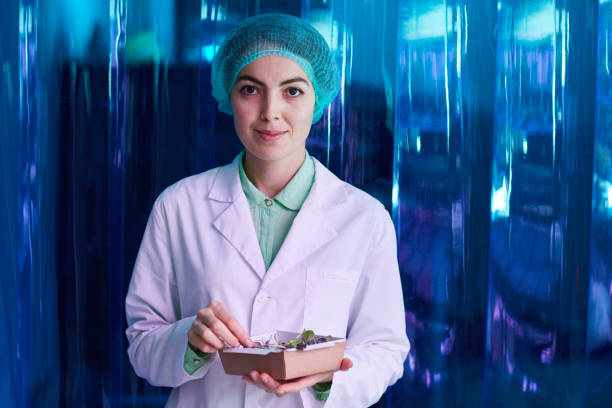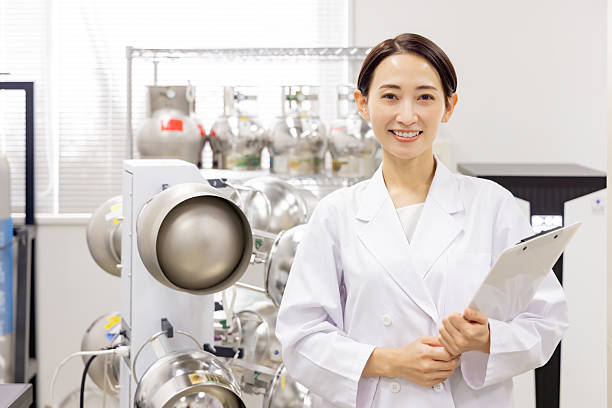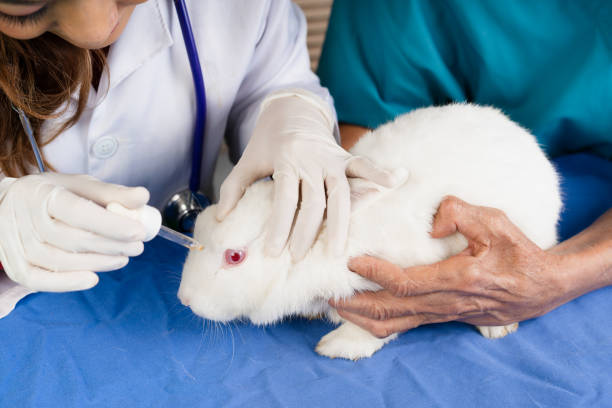
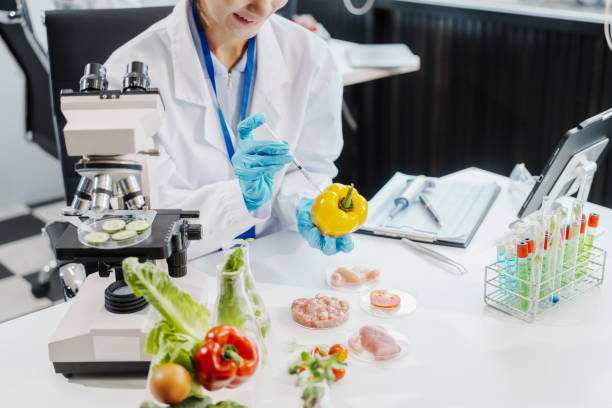
Food Research Scientists are scientific experts tasked with exploring, developing, and testing food products and processes to meet the evolving demands of consumers, regulatory bodies, and the food industry. Their work spans laboratory research, product formulation, and collaboration with cross-functional teams, often in food production facilities or research centers. They apply expertise in chemistry, microbiology, and nutrition to solve issues such as food spoilage, nutritional deficiencies, and sustainable packaging. As key innovators in the food sector, they contribute to healthier diets, safer food supply chains, and eco-friendly practices in an era focused on food security, clean labelling, and personalized nutrition.
- Research and Innovation
- Conduct experiments to develop new food products, flavors, or preservation techniques aligned with market trends.
- Investigate alternative ingredients to enhance nutritional value or reduce environmental impact.
- Product Development and Testing
- Formulate recipes and prototypes for food items, ensuring taste, texture, and shelf-life meet industry standards.
- Perform sensory evaluations and chemical analyses to validate product quality and safety.
- Food Safety and Compliance
- Ensure adherence to food safety regulations and quality control standards during product development.
- Monitor microbial activity and contaminants to prevent foodborne illnesses.
- Sustainability Initiatives
- Research eco-friendly packaging solutions and waste reduction methods for food production.
- Develop processes to minimize food loss and promote sustainable sourcing of ingredients.
- Data Analysis and Reporting
- Analyze experimental data to draw conclusions on food stability, nutritional content, and consumer acceptance.
- Prepare detailed reports and presentations for stakeholders and regulatory submissions.
- Collaboration with Industry
- Partner with food manufacturers, chefs, and marketing teams to align research with commercial goals.
- Work with regulatory agencies to ensure compliance with local and international food laws.
- Consumer Trend Analysis
- Study consumer preferences for health-focused, plant-based, or functional foods to guide research priorities.
- Adapt formulations to meet dietary needs like gluten-free, low-sugar, or allergen-free options.
- Technology Integration
- Utilize advanced tools like biotechnology and food processing software to innovate production methods.
- Explore emerging technologies such as 3D food printing or fermentation for novel food solutions.
| Route | Steps |
| Route 1 | 1. 10+2 with Physics, Chemistry, Biology (PCB) or Mathematics (PCM) 2. Bachelor’s degree in Food Science, Biotechnology, or Chemistry (3-4 years) 3. Internship or lab training (3-6 months) 4. Practice as Junior Food Research Scientist |
| Route 2 | 1. 10+2 with PCB or PCM 2. Bachelor’s degree in Food Technology, Nutrition, or Microbiology (3-4 years) 3. Master’s degree in Food Science or Food Technology (2 years) 4. Work as Food Research Scientist |
| Route 3 | 1. 10+2 with PCB or PCM 2. Bachelor’s degree in Food Science or Biotechnology (3-4 years) 3. Master’s degree in Food Science or Nutrition (2 years) 4. Ph.D. in Food Science or Food Chemistry (3-5 years) 5. Practice as Senior Researcher or Academic |
| Route 4 | 1. 10+2 with PCB or PCM 2. Advanced international training or certification in Food Science (1-2 years) 3. Master’s or Ph.D. as per country requirements 4. Practice abroad or in India |
- Mandatory lab training during degree programs in food research or processing facilities.
- Rotations in food manufacturing units for real-world experience in product development.
- Internships under senior scientists for exposure to experimental design and analysis.
- Observerships in regulatory agencies for insights into food safety compliance.
- Participation in sensory testing or product trials for practical skill-building.
- Training in food safety audits through engagements with quality control teams.
- Exposure to analytical tools like chromatography and spectroscopy during internships.
- Field projects on food preservation or sustainable packaging during training.
- Community initiatives to educate consumers on food safety and nutrition.
- International food science attachments for exposure to global research practices.
- Certificate in Food Safety and Quality Management
- Bachelor’s in Food Science, Biotechnology, or Chemistry
- Master’s in Food Technology, Nutrition, or Food Chemistry
- Ph.D. in Food Science or Food Engineering
- Specialization in Food Microbiology
- Certification in Sensory Analysis for Food Products
- Workshops on Sustainable Food Systems
- Training in Food Packaging Technology
- Specialization in Functional Foods and Nutraceuticals
- Certification in HACCP (Hazard Analysis and Critical Control Points)
| Institute | Course/Program | Official Link |
| Indian Institute of Technology (IIT), Kharagpur | M.Tech in Food Process Engineering | https://www.iitkgp.ac.in/ |
| Central Food Technological Research Institute (CFTRI), Mysore | M.Sc./Ph.D. in Food Technology | https://www.cftri.res.in/ |
| National Institute of Food Technology Entrepreneurship and Management (NIFTEM), Sonepat | B.Tech/M.Tech in Food Technology | https://www.niftem.ac.in/ |
| Tamil Nadu Agricultural University (TNAU), Coimbatore | B.Tech/M.Tech in Food Process Engineering | https://www.tnau.ac.in/ |
| Punjab Agricultural University (PAU), Ludhiana | B.Tech/M.Tech in Food Science | https://www.pau.edu/ |
| University of Mumbai, Mumbai | M.Sc. in Food Science and Nutrition | https://www.mu.ac.in/ |
| Banaras Hindu University (BHU), Varanasi | M.Sc. in Food Science and Technology | https://www.bhu.ac.in/ |
| Anna University, Chennai | B.Tech/M.Tech in Food Technology | https://www.annauniv.edu/ |
| Amity University, Noida | B.Sc./M.Sc. in Food Science | https://www.amity.edu/ |
| Jadavpur University, Kolkata | B.Tech/M.Tech in Food Technology | https://www.jaduniv.edu.in/ |
| Institution | Course | Country | Official Link |
| Cornell University | Food Science Programs | USA | https://www.cornell.edu/ |
| University of California, Davis | Food Science and Technology | USA | https://www.ucdavis.edu/ |
| Wageningen University & Research | Food Technology Programs | Netherlands | https://www.wur.nl/ |
| University of Reading | Food Science and Nutrition | UK | https://www.reading.ac.uk/ |
| University of Massachusetts Amherst | Food Science Programs | USA | https://www.umass.edu/ |
| University of Melbourne | Food Science and Technology | Australia | https://www.unimelb.edu.au/ |
| University of British Columbia | Food Science Programs | Canada | https://www.ubc.ca/ |
| ETH Zurich | Food Science and Nutrition | Switzerland | https://www.ethz.ch/ |
| Technical University of Denmark (DTU) | Food Technology Programs | Denmark | https://www.dtu.dk/ |
| National University of Singapore (NUS) | Food Science and Technology | Singapore | https://www.nus.edu.sg/ |
India:
- GATE (Graduate Aptitude Test in Engineering): For admission to M.Tech programs in food technology at IITs and other institutes.
- ICAR AIEEA (All India Entrance Examination for Admission): For admissions in food science and related programs.
- JEE Main (Joint Entrance Examination): For admission to B.Tech programs in food technology.
- State-Level Entrance Exams: Various states conduct exams for admission to food science programs in state universities.
International:
- TOEFL (Test of English as a Foreign Language): Minimum score of 80-100 required for non-native speakers applying to programs in English-speaking countries.
- IELTS (International English Language Testing System): Minimum score of 6.0-7.0 required for admission to universities in the UK, Australia, and other regions.
- PTE Academic (Pearson Test of English Academic): Accepted by many international institutes as an alternative to TOEFL or IELTS for English proficiency.
Junior Food Research Scientist → Senior Food Research Scientist → Food Research Lead → Food Innovation Manager → R&D Director → Academician/Professor → Food Science Consultant
- Food manufacturing companies for developing new products and improving recipes.
- Research institutions for conducting studies on food safety and nutrition.
- Government agencies for ensuring regulatory compliance and public health.
- Academic institutions for teaching and advancing food science research.
- Private consultancies for advising on food technology and innovation.
- Non-profit organizations for addressing food security and sustainability.
- Biotechnology firms for exploring genetic modifications in food production.
- Quality control labs for testing food safety and standards.
- Packaging industries for researching sustainable materials.
- International food organizations for global food safety and policy projects.
| India | International |
| Nestlé India | Nestlé, Switzerland |
| Hindustan Unilever Limited (HUL) | Unilever, UK/Netherlands |
| ITC Limited | Mondelez International, USA |
| Britannia Industries | PepsiCo, USA |
| Parle Agro | Coca-Cola Company, USA |
| Amul (GCMMF) | Danone, France |
| Mother Dairy | Kraft Heinz, USA |
| Patanjali Ayurved | General Mills, USA |
| Haldiram’s | Mars Incorporated, USA |
| Central Food Technological Research Institute (CFTRI) | Cargill, USA |
| Pros | Cons |
| Opportunity to improve public health through innovative food solutions | High pressure to meet strict regulatory and safety standards in research |
| Growing demand for food scientists due to health and sustainability trends | Long hours in labs with repetitive testing and documentation tasks |
| Rewarding impact on society by enhancing food quality and safety | Limited public recognition compared to other scientific fields |
| Diverse career paths in industry, academia, and consulting | Risk of project delays or failures due to experimental challenges |
| Strong growth potential with focus on functional and sustainable foods | Need for continuous learning to keep up with evolving food technologies |
- Plant-Based Foods: Continued rise in demand for vegan and alternative protein products, driving research into novel ingredients like pea protein and lab-grown meat alternatives.
- Growing Need: Increasing demand for food scientists due to global food security challenges and the need for innovative solutions, with a projected job growth rate of 8% from 2018 to 2028 .
- Precision Nutrition: Use of data analytics and AI to develop personalized dietary solutions tailored to individual health needs, a growing focus in food research.
- Sustainable Packaging: Emphasis on biodegradable and recyclable materials for food products to reduce environmental impact, with ongoing research into edible packaging.
- Food Safety Tech: Adoption of blockchain for traceability in food supply chains to ensure transparency and prevent contamination.
- Functional Foods: Development of products with added health benefits like probiotics, prebiotics, and fortified nutrients, driven by consumer health awareness.
- Policy Support: Government emphasis on food safety and nutrition standards, with initiatives to reduce food waste and promote sustainable practices.
- Global Partnerships: Enhanced collaboration through international research programs to address food sustainability and safety on a global scale.
- Skill Evolution: Growing need for expertise in biotechnology, data analytics, and digital tools to stay competitive in food science research .
- Health Focus: Increased research on reducing sugar, salt, and unhealthy fats in processed foods, aligning with public health campaigns for better diets.
| Career Level | India (₹ per annum) | International (USD per annum) |
| Junior Food Research Scientist (Early Career) | 4,00,000 - 7,00,000 | 55,000 - 76,112 |
| Senior Food Research Scientist (Mid-Career) | 7,00,000 - 12,00,000 | 76,112 - 101,000 |
| Food Research Lead | 12,00,000 - 18,00,000 | 101,000 - 113,171 |
| Food Innovation Manager/R&D Director | 18,00,000 - 25,00,000 | 113,171 - 130,117 |
| Academician/Professor/Food Science Consultant | 25,00,000+ | 130,117+ |
Note: Salaries may vary based on location, employer, experience, and specialization. International figures are based on U.S. data as of December 2025, reflecting averages and medians from multiple sources. Indian figures remain estimated based on prior trends due to limited real-time data in the search results.
- Laboratory Information Management Systems (LIMS) for data tracking.
- Analytical Software (e.g., ChemStation) for food composition analysis.
- Statistical Tools (e.g., SPSS, R) for research data interpretation.
- Food Formulation Software for recipe development and testing.
- Quality Control Systems for monitoring safety standards.
- Teleconferencing tools like Zoom for team and stakeholder collaboration.
- Cloud Platforms (e.g., AWS) for storing and sharing research data.
- Microsoft Office Suite for documentation and reporting.
- Project Management Tools (e.g., Trello, Asana) for research coordination.
- Sensory Analysis Software for evaluating consumer feedback on food products.
- Association of Food Scientists & Technologists (India) (AFSTI)
- Institute of Food Technologists (IFT), USA
- International Union of Food Science and Technology (IUFoST)
- Food Safety and Standards Authority of India (FSSAI)
- European Federation of Food Science and Technology (EFFoST)
- Global Food Safety Initiative (GFSI)
- Sustainable Food Systems Network (SFSN)
- Asia-Pacific Food Science Network (APFSN)
- Dr. V. Prakash (Contemporary, India): Former Director of CFTRI, known for contributions to food technology in India. His research enhances food safety and processing techniques. His impact shapes national policies, particularly in food preservation. He has authored numerous publications guiding Indian food research.
- Dr. N. Anandavalli (Contemporary, India): Food scientist focusing on sustainable food systems in India. Her efforts promote eco-friendly practices in food production. Her impact is regional, supporting small-scale farmers with innovative solutions. She advocates for reducing food waste through technology.
- Dr.Pawan Kumar Agrawal (Contemporary, India): CEO of FSSAI, strengthening food safety frameworks. His policies protect consumers by enforcing stringent quality standards. His impact influences national food regulations. He plays a key role in public health initiatives across India.
- Dr. K. Venkatesh Murthy (Contemporary, India): Senior scientist at CFTRI, specializing in food processing and preservation techniques. His innovations support Indian food industries with cost-effective methods. His impact enhances local technologies. He mentors young scientists in applied food research.
- Dr.PushpaVijayaraghavan (Contemporary, India): Renowned food safety expert and consultant in India, focusing on quality control in food supply chains. Her work ensures compliance with international standards for Indian exporters. Her contributions strengthen trust in Indian food products globally. She frequently collaborates with regulatory bodies.
- Dr. Marion Nestle (Contemporary, USA): Renowned for work on food policy and nutrition science. Her books influence public health by exposing industry practices. Her contributions drive consumer awareness worldwide. She is a prominent voice in advocating for healthier food systems.
- Dr. R. Paul Singh (Contemporary, USA): Expert in food engineering at UC Davis, advancing food processing tech. His innovations improve efficiency in food production. His impact is global, with technologies adopted internationally. He has received numerous awards for his pioneering work.
- Dr. Barbara Kowalcyk (Contemporary, USA): Leader in food safety research and advocacy. Her work prevents foodborne illness through policy and education. Her contributions shape regulations in the U.S. and beyond. She founded initiatives to support victims of food contamination.
- Dr. Louise Fresco (Contemporary, Netherlands): President of Wageningen University, focusing on sustainable food systems. Her vision drives research into global food security. Her contributions are influential in shaping agricultural policies. She is a key figure in international sustainability forums.
- Dr. John Floros (Contemporary, USA): Former IFT President, driving innovation in food science education. His leadership inspires professionals through curriculum advancements. His contributions shape academia by bridging theory and industry needs. He advocates for science-based food solutions.
- Dr. Uma Lele (Contemporary, India/USA): Expert in food security and agricultural research globally. Her work addresses hunger through policy recommendations. Her contributions inspire development programs in multiple countries. She has worked with international organizations to improve food access.
- Build a strong foundation in food science, chemistry, and microbiology to understand food systems.
- Seek early exposure to food labs or industry through internships to confirm interest in the field.
- Prepare thoroughly for entrance exams or certification requirements specific to your program or region.
- Pursue advanced certifications in food safety, sensory analysis, or biotechnology to gain expertise.
- Stay updated on advancements in food technology by attending industry conferences and webinars.
- Develop hands-on skills in lab techniques and data analysis through practical training.
- Engage in research projects on food safety or sustainability to build real-world experience.
- Join professional associations like the Institute of Food Technologists (IFT) for networking and resources.
- Work on precision and problem-solving to ensure reliable and impactful research outcomes.
- Explore international food science initiatives for exposure to diverse challenges and solutions.
- Volunteer in food safety or nutrition outreach programs to understand consumer needs.
- Cultivate adaptability to handle technological and regulatory constraints in food research.
- Attend continuing education programs to stay abreast of evolving food science trends.
- Build a network with food scientists, industry leaders, and regulators for collaborative efforts.
- Develop resilience to manage the experimental and compliance pressures of food research.
- Balance scientific skills with practical application to adapt to rapid advancements in food technology.
A career as a Food Research Scientist offers a unique opportunity to contribute to global health and sustainability by innovating food products and processes that address consumer needs and safety concerns. From developing nutritious foods to integrating cutting-edge technologies, Food Research Scientists play a pivotal role in shaping the future of food systems and public well-being. This field combines scientific inquiry, technological innovation, and a commitment to societal impact, offering diverse paths in industry, academia, and consulting. For those passionate about advancing food science trends, adapting to global food challenges, and addressing critical nutrition and safety needs in an era of health consciousness, a career as a Food Research Scientist provides an intellectually stimulating and professionally rewarding journey with the potential to make significant contributions to society by enhancing the quality and safety of food worldwide.