Enzymologist

Summary

An Enzymologist is a specialized scientist who studies enzymes, the biological catalysts that drive chemical reactions in living organisms. They work in research institutions, universities, pharmaceutical companies, biotechnology firms, and healthcar

Share :
✨ Radial Mind Map - Enzymologist
Nodes arranged in concentric circles

Loading radial mind map...

Overview

An Enzymologist is a specialized scientist who studies enzymes, the biological catalysts that drive chemical reactions in living organisms. They work in research institutions, universities, pharmaceutical companies, biotechnology firms, and healthcare sectors. Enzymologists apply biochemical, molecular, and analytical techniques to understand enzyme structure, function, and regulation, contributing to fields like medicine, agriculture, and industrial biotechnology. Combining expertise in biochemistry, molecular biology, and chemistry, they play a crucial role in developing drugs, improving industrial processes, and advancing scientific knowledge in a world where enzyme applications are vital for addressing health, environmental, and industrial challenges.
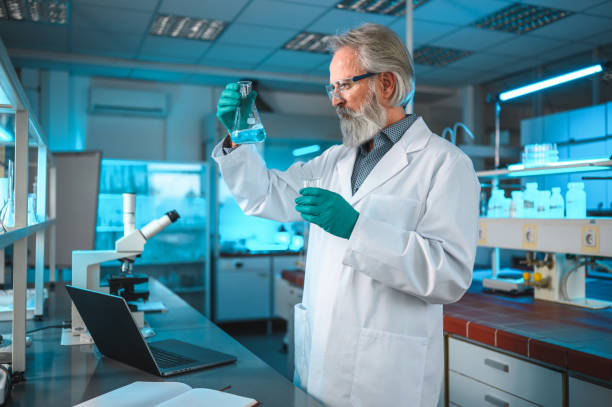
Enzymologists are experts who focus on the properties, mechanisms, and applications of enzymes, investigating their role in metabolic pathways and disease processes. Their work involves conducting laboratory experiments, analyzing enzyme kinetics, designing inhibitors or activators for therapeutic use, and applying findings to solve practical problems in health and industry. They often operate in academic, clinical, or industrial settings, balancing technical research with practical applications and interdisciplinary collaboration. Enzymologists are essential to fields like drug development, biofuel production, and food technology, serving as experts in enzyme science, contributing to solutions for medical treatments, advancing sustainable technologies, and protecting scientific integrity, addressing pressing global issues through precise research, and improving outcomes through evidence-based strategies in a scientific landscape where enzymology’s applications continue to expand due to biotechnological and medical needs.

Roles and Responsibilities

💼
Enzymologist
Roles and Responsibilities
Study of Enzyme Mechanisms
Investigate the catalytic mechanisms of enzymes using biochemical and biophysical methods.
Analyze enzyme-substrate interactions to understand reaction specificity and efficiency.
Enzyme Kinetics Analysis
Measure reaction rates and kinetic parameters to characterize enzyme activity under various conditions.
Determine factors like pH, temperature, and inhibitors affecting enzyme performance.
Structural Analysis
Use techniques like X-ray crystallography and NMR to determine enzyme three-dimensional structures.
Correlate structural features with functional properties for targeted applications.
Enzyme Engineering
Modify enzymes through genetic engineering to enhance activity, stability, or specificity.
Develop novel enzymes for industrial or therapeutic purposes using directed evolution.
Drug Development
Identify enzyme targets for drug design to treat diseases like cancer or metabolic disorders.
Design and test enzyme inhibitors or activators as potential therapeutic agents.
Industrial Applications
Optimize enzymes for use in industrial processes like biofuel production or food processing.
Collaborate with engineers to scale up enzyme-based technologies for commercial use.
Disease Research
Study enzyme dysfunctions in diseases to uncover diagnostic or therapeutic opportunities.
Investigate metabolic pathways to understand disease mechanisms at the molecular level.
Education and Outreach
Teach courses on enzymology, biochemistry, or molecular biology in academic institutions.
Educate industry professionals and the public on the importance of enzyme research.
Policy and Regulation
Advise on regulations related to enzyme use in pharmaceuticals and biotechnology.
Contribute to guidelines for safety and efficacy of enzyme-based products.
Interdisciplinary Collaboration
Work with pharmacologists, geneticists, and engineers to integrate enzyme research into broader projects.
Collaborate with industry experts to apply enzymological data in practical contexts.
Competitive Entrance Examinations:
Clearing university-specific entrance tests for Bachelor’s and Master’s programs or national-level exams for research fellowships in India and abroad is critical for entry into relevant programs.
Variable Academic Commitment:
Requires a journey of 5-10 years post-high school for most roles, with additional years for PhD or postdoctoral research in Enzymology.
Strong Foundation in Core Subjects:
Academic excellence in subjects like Biochemistry, Chemistry, and Biology during undergraduate studies is essential for understanding enzyme mechanisms.
Practical Performance:
Hands-on training during Master’s or PhD programs in laboratory techniques is crucial for securing competitive positions in Enzymology.
Research and Publications:
Engaging in enzymological research projects and publishing findings during academic or professional programs can enhance prospects for academic and industry roles.
Fellowship Selection:
Securing research fellowships or grants often requires a strong academic record, practical skills, and relevant project experience in enzymological studies.
Continuous Education:
Mandatory participation in workshops, seminars, and short courses to stay updated with evolving biochemical techniques and technologies.
Specialization Certification:
Obtaining certifications in niche areas like protein engineering or enzyme kinetics can provide a competitive edge in the field.
Subspecialty Training:
Pursuing additional training in areas like drug design or industrial biotechnology can enhance career prospects.
Language Proficiency for International Practice:
Clearing language proficiency tests like IELTS or TOEFL with high scores is often necessary for pursuing opportunities abroad.
Dr. Arthur Kornberg (Historical, USA):
Renowned for discovering DNA polymerase, active from the 1940s to 2000s at Stanford University.
Dr. Elizabeth Blackburn (Contemporary, USA/Australia):
Known for research on telomerase enzyme and its role in aging, active since the 1970s at the University of California, San Francisco.
Dr. John Walker (Contemporary, UK):
Recognized for elucidating the mechanism of ATP synthase, active since the 1970s at the MRC Laboratory of Molecular Biology, Cambridge.
Dr. Frances Arnold (Contemporary, USA):
Noted for pioneering directed evolution of enzymes, active since the 1980s at the California Institute of Technology (Caltech).
Dr. Richard Henderson (Contemporary, UK):
Known for contributions to structural biology of enzymes using cryo-electron microscopy, active since the 1970s at the MRC Laboratory of Molecular Biology.
Dr. Ada Yonath (Contemporary, Israel):
Recognized for work on ribosome structure and enzymatic processes, active since the 1970s at the Weizmann Institute of Science.
Dr. P. Balaram (Contemporary, India):
Noted for research on protein and enzyme structure-function relationships, active since the 1970s at the Indian Institute of Science (IISc), Bangalore.
Dr. Michael Levitt (Contemporary, USA/UK):
Known for computational enzymology and protein folding studies, active since the 1970s at Stanford University.
Dr. Gregory Winter (Contemporary, UK):
Recognized for enzyme engineering and therapeutic antibody development, active since the 1970s at the MRC Laboratory of Molecular Biology.
Dr. G.N. Ramachandran (Historical, India):
Noted for foundational work on protein structure and enzyme conformation, active from the 1940s to 1980s at the University of Madras and IISc.

Roles and Responsibilities:

  • Study of Enzyme Mechanisms
    • Investigate the catalytic mechanisms of enzymes using biochemical and biophysical methods.
    • Analyze enzyme-substrate interactions to understand reaction specificity and efficiency.
  • Enzyme Kinetics Analysis
    • Measure reaction rates and kinetic parameters to characterize enzyme activity under various conditions.
    • Determine factors like pH, temperature, and inhibitors affecting enzyme performance.
  • Structural Analysis
    • Use techniques like X-ray crystallography and NMR to determine enzyme three-dimensional structures.
    • Correlate structural features with functional properties for targeted applications.
  • Enzyme Engineering
    • Modify enzymes through genetic engineering to enhance activity, stability, or specificity.
    • Develop novel enzymes for industrial or therapeutic purposes using directed evolution.
  • Drug Development
    • Identify enzyme targets for drug design to treat diseases like cancer or metabolic disorders.
    • Design and test enzyme inhibitors or activators as potential therapeutic agents.
  • Industrial Applications
    • Optimize enzymes for use in industrial processes like biofuel production or food processing.
    • Collaborate with engineers to scale up enzyme-based technologies for commercial use.
  • Disease Research
    • Study enzyme dysfunctions in diseases to uncover diagnostic or therapeutic opportunities.
    • Investigate metabolic pathways to understand disease mechanisms at the molecular level.
  • Education and Outreach
    • Teach courses on enzymology, biochemistry, or molecular biology in academic institutions.
    • Educate industry professionals and the public on the importance of enzyme research.
  • Policy and Regulation
    • Advise on regulations related to enzyme use in pharmaceuticals and biotechnology.
    • Contribute to guidelines for safety and efficacy of enzyme-based products.
  • Interdisciplinary Collaboration
    • Work with pharmacologists, geneticists, and engineers to integrate enzyme research into broader projects.
    • Collaborate with industry experts to apply enzymological data in practical contexts.


Study Route & Eligibility Criteria:

RouteSteps
Route 11. 10+2 with Physics, Chemistry, and Biology (PCB).
2. Bachelor’s degree in Biochemistry, Biotechnology, or Chemistry (3-4 years).
3. Master’s degree in Enzymology, Biochemistry, or Molecular Biology (2 years).
4. PhD in Enzymology or related field (3-5 years, optional).
5. Postdoctoral research or industry experience in enzymology labs (optional).
Route 21. 10+2 with Physics, Chemistry, and Biology (PCB).
2. Bachelor’s degree in Biology or Life Sciences (3-4 years).
3. Master’s degree in Biochemistry or Biotechnology (2 years).
4. Specialized training in enzyme kinetics or protein engineering (6 months-1 year).
5. Practical experience in biochemical research labs.
Route 31. 10+2 with Physics, Chemistry, and Biology (PCB).
2. Bachelor’s degree in Biotechnology or Applied Sciences (3-4 years).
3. Master’s degree in Enzymology or Biochemistry (2 years).
4. Internship or fellowship in enzymology research labs (1-2 years).
5. Certification in advanced analytical techniques (optional).
Route 41. 10+2 with Physics, Chemistry, and Biology (PCB).
2. Bachelor’s degree from India in relevant field (3-4 years).
3. Master’s or PhD in Enzymology abroad (2-5 years).
4. Training or postdoctoral research in international labs (1-3 years).
5. Certification or licensure for international practice (if applicable).


Significant Observations (Academic Related Points):

  • Competitive Entrance Examinations: Clearing university-specific entrance tests for Bachelor’s and Master’s programs or national-level exams for research fellowships in India and abroad is critical for entry into relevant programs.
  • Variable Academic Commitment: Requires a journey of 5-10 years post-high school for most roles, with additional years for PhD or postdoctoral research in Enzymology.
  • Strong Foundation in Core Subjects: Academic excellence in subjects like Biochemistry, Chemistry, and Biology during undergraduate studies is essential for understanding enzyme mechanisms.
  • Practical Performance: Hands-on training during Master’s or PhD programs in laboratory techniques is crucial for securing competitive positions in Enzymology.
  • Research and Publications: Engaging in enzymological research projects and publishing findings during academic or professional programs can enhance prospects for academic and industry roles.
  • Fellowship Selection: Securing research fellowships or grants often requires a strong academic record, practical skills, and relevant project experience in enzymological studies.
  • Continuous Education: Mandatory participation in workshops, seminars, and short courses to stay updated with evolving biochemical techniques and technologies.
  • Specialization Certification: Obtaining certifications in niche areas like protein engineering or enzyme kinetics can provide a competitive edge in the field.
  • Subspecialty Training: Pursuing additional training in areas like drug design or industrial biotechnology can enhance career prospects.
  • Language Proficiency for International Practice: Clearing language proficiency tests like IELTS or TOEFL with high scores is often necessary for pursuing opportunities abroad.


Internships & Practical Exposure:

  • Laboratory internships in enzymology or biochemistry labs focusing on enzyme assays.
  • Research apprenticeships with pharmaceutical companies for drug target identification.
  • Observerships in molecular biology labs studying enzyme structure and function.
  • Participation in biotechnology projects optimizing enzymes for industrial applications.
  • Training in advanced instrumentation like spectroscopy under supervision.
  • Experience in clinical research projects studying enzyme-related diseases.
  • Involvement in data collection for metabolic pathway studies.
  • Attendance at biochemistry or biotechnology conferences and workshops.
  • Exposure to interdisciplinary projects with pharmacologists or geneticists.
  • Collaborative research in international enzymology labs for global exposure.


Courses & Specializations to Enter the Field:

  • Bachelor’s in Biochemistry, Biotechnology, or Chemistry.
  • Bachelor’s in Biology or Life Sciences.
  • Master’s in Enzymology or Biochemistry.
  • PhD in Enzymology or Molecular Biology.
  • Certification courses in Enzyme Kinetics and Mechanisms.
  • Training in Protein Engineering and Directed Evolution.
  • Specialized courses in Structural Biology.
  • Master’s in Biotechnology with Enzymology focus.
  • Continuing Education courses in Drug Design.
  • Short-term courses in Industrial Enzymology.


Top Institutes for Enzymologist Education (India):

InstituteCourse/ProgramOfficial Link
Indian Institute of Science (IISc), BangaloreMSc/PhD in Biochemistryhttps://www.iisc.ac.in/
Jawaharlal Nehru University (JNU), New DelhiMSc/PhD in Biotechnologyhttps://www.jnu.ac.in/
University of Delhi, DelhiMSc/PhD in Biochemistryhttps://www.du.ac.in/
Banaras Hindu University (BHU), VaranasiMSc/PhD in Biochemistryhttps://www.bhu.ac.in/
Indian Institute of Technology (IIT), DelhiMSc/PhD in Biochemical Engineeringhttps://www.iitd.ac.in/
University of Calcutta, KolkataMSc/PhD in Biochemistryhttps://www.caluniv.ac.in/
Savitribai Phule Pune University, PuneMSc/PhD in Biotechnologyhttps://www.unipune.ac.in/
Anna University, ChennaiMSc/PhD in Biotechnologyhttps://www.annauniv.edu/
University of Hyderabad, HyderabadMSc/PhD in Biochemistryhttps://www.uohyd.ac.in/
Aligarh Muslim University (AMU), AligarhMSc/PhD in Biochemistryhttps://www.amu.ac.in/


Top International Institutes:

InstitutionCourseCountryOfficial Link
Massachusetts Institute of Technology (MIT)PhD in Biological EngineeringUSAhttps://www.mit.edu/
University of California, BerkeleyPhD in Molecular and Cell BiologyUSAhttps://www.berkeley.edu/
University of OxfordDPhil in BiochemistryUKhttps://www.ox.ac.uk/
ETH ZurichMSc/PhD in BiochemistrySwitzerlandhttps://www.ethz.ch/
University of TorontoMSc/PhD in BiochemistryCanadahttps://www.utoronto.ca/
University of CambridgePhD in BiochemistryUKhttps://www.cam.ac.uk/
Stanford UniversityPhD in BiochemistryUSAhttps://www.stanford.edu/
University of British Columbia (UBC)MSc/PhD in Biochemistry and Molecular BiologyCanadahttps://www.ubc.ca/
California Institute of Technology (Caltech)PhD in Biochemistry and Molecular BiophysicsUSAhttps://www.caltech.edu/
Australian National University (ANU)MSc/PhD in BiochemistryAustraliahttps://www.anu.edu.au/


Entrance Tests Required:

India:

  • Graduate Aptitude Test in Engineering (GATE) for Master’s programs in Biotechnology at IITs and other institutes.
  • Council of Scientific and Industrial Research (CSIR) NET for research fellowships and PhD programs.
  • University-specific entrance exams for Master’s and PhD programs in Biochemistry (e.g., JNU CEEB, DUET).
  • State-level entrance examinations for postgraduate programs in Biotechnology.
  • Indian Institute of Science Entrance Test (IISc) for research programs.


International:

  • Graduate Record Examination (GRE) for postgraduate programs in Biochemistry in the USA and Canada.
  • International English Language Testing System (IELTS) with a minimum score of 6.5-7.0 for international programs.
  • Test of English as a Foreign Language (TOEFL) with a minimum score of 90-100 for programs in English-speaking countries.
  • University-specific entrance exams for international Master’s or PhD programs in related fields.
  • Australian Education Assessment Services for programs in Australia.
  • Specific fellowship or scholarship exams for international research opportunities.


Ideal Progressing Career Path

Undergraduate Student → Graduate Trainee (Master’s) → Junior Enzymologist → Established Enzymologist → Senior Enzymologist/Research Lead → Program Director/Professor


Major Areas of Employment:

  • Academic institutions conducting research and teaching in biochemistry and biotechnology.
  • Pharmaceutical companies developing enzyme-targeted drugs and therapies.
  • Biotechnology firms engineering enzymes for industrial and medical applications.
  • Clinical research organizations studying enzyme-related diseases and diagnostics.
  • Food and beverage industries optimizing enzymes for production processes.
  • Environmental agencies using enzymes for bioremediation and sustainability.
  • Government bodies overseeing biotechnology and healthcare policies.
  • International research collaborations addressing global health and industrial challenges.
  • Agricultural sectors developing enzyme-based solutions for crop improvement.
  • Biofuel industries utilizing enzymes for renewable energy production.


Prominent Employers:

IndiaInternational
Council of Scientific and Industrial Research (CSIR)Pfizer, USA
Indian Institute of Science (IISc)Novartis, Switzerland
National Institute of Immunology (NII)Roche, Switzerland
Biocon LimitedAmgen, USA
Dr. Reddy’s LaboratoriesGlaxoSmithKline (GSK), UK
Serum Institute of IndiaMerck & Co., USA
Department of Biotechnology (DBT), Ministry of Science and TechnologyDuPont, USA
Tata Institute of Fundamental Research (TIFR)Genentech, USA
Zydus CadilaNovo Nordisk, Denmark
Panacea BiotecBayer, Germany


Pros and Cons of the Profession:

ProsCons
Significant contribution to medical and industrial advancements through enzyme research.Requires continuous learning to keep up with new biochemical techniques and technologies.
Intellectually stimulating work combining biochemistry, molecular biology, and chemistry in enzymological analysis.Competitive field for academic and industry positions, often requiring extensive education and publications.
High impact on global health by contributing to drug development and disease treatment.Laboratory-intensive work with potential exposure to hazardous chemicals or biological materials.
Opportunities for innovation in enzyme engineering and biotechnological applications.Limited public awareness of enzymology as a career, leading to fewer mainstream opportunities in some regions.
Growing relevance due to increasing demand for sustainable technologies and personalized medicine.Funding constraints for research projects can limit scope and career progression in academia.


Industry Trends and Future Outlook:

  • Advanced Analytical Technologies: Increasing use of high-throughput screening and mass spectrometry for enzyme characterization.
  • Personalized Medicine: Growing focus on enzyme-targeted therapies for tailored medical treatments.
  • Sustainable Biotechnology: Rising demand for enzymologists in developing eco-friendly industrial processes.
  • Digital Data Integration: Enhanced use of bioinformatics and AI for modeling enzyme interactions and pathways.
  • Interdisciplinary Applications: Greater emphasis on combining enzymology with genomics and proteomics for broader insights.
  • Automation in Laboratories: Increased adoption of automated systems for enzyme assays and protein analysis to enhance efficiency.
  • Novel Enzyme Discovery: Development of techniques to identify and engineer enzymes from extremophiles for unique applications.
  • Global Collaboration: Expansion of international research networks to address large-scale health and industrial challenges.
  • Sustainability Focus: Emphasis on applying enzymological data to support green technologies and bioremediation.
  • Public Policy Integration: Growing role of enzymological data in shaping biotechnology and pharmaceutical regulations.


Salary Expectations:

Career LevelIndia (₹ per annum)International (US$ per annum)
Trainee/Graduate Student3,00,000 - 5,00,000$30,000 - $40,000
Junior Enzymologist5,00,000 - 10,00,000$45,000 - $60,000
Established Enzymologist10,00,000 - 18,00,000$60,000 - $85,000
Senior Enzymologist/Research Lead18,00,000 - 30,00,000$85,000 - $120,000
Program Director/Professor30,00,000 - 50,00,000$120,000 - $160,000


Key Software Tools:

  • Enzyme Kinetics Software: Tools like GraphPad Prism and KinTek Explorer for analyzing reaction rates and mechanisms.
  • Structural Biology Software: Programs such as PyMOL and Chimera for visualizing enzyme structures.
  • Bioinformatics Tools: Software like BLAST and ClustalW for sequence analysis and enzyme comparison.
  • Molecular Modeling Software: Tools such as AutoDock and Schrödinger Suite for simulating enzyme-substrate interactions.
  • Laboratory Information Management Systems (LIMS): For tracking and managing enzyme samples and experimental data.
  • Statistical Analysis Tools: Software like R and SPSS for analyzing large datasets of enzymatic results.
  • Visualization Software: Tools like Origin or MATLAB for presenting enzyme kinetics and structural data graphically.
  • Database Management Platforms: For organizing extensive records of enzyme properties and experimental metadata.
  • Simulation Software: For modeling enzyme behavior under various conditions and testing hypotheses.
  • Collaboration Platforms: For interdisciplinary teamwork and data sharing with biochemists and industry stakeholders.


Professional Organizations and Networks:

  • International Union of Biochemistry and Molecular Biology (IUBMB)
  • American Society for Biochemistry and Molecular Biology (ASBMB)
  • Biochemical Society (UK)
  • European Federation for Medicinal Chemistry (EFMC)
  • Indian Society for Biochemistry and Molecular Biology (ISBMB)
  • Federation of Asian and Oceanian Biochemists and Molecular Biologists (FAOBMB)
  • Protein Society
  • International Society for Computational Biology (ISCB)
  • Society of Biological Chemists (India)
  • Biotechnology Industry Organization (BIO)


Notable Enzymologists and Industry Leaders (Top 10):

  • Dr. Arthur Kornberg (Historical, USA): Renowned for discovering DNA polymerase, active from the 1940s to 2000s at Stanford University.
     
  • Dr. Elizabeth Blackburn (Contemporary, USA/Australia): Known for research on telomerase enzyme and its role in aging, active since the 1970s at the University of California, San Francisco.
     
  • Dr. John Walker (Contemporary, UK): Recognized for elucidating the mechanism of ATP synthase, active since the 1970s at the MRC Laboratory of Molecular Biology, Cambridge.
     
  • Dr. Frances Arnold (Contemporary, USA): Noted for pioneering directed evolution of enzymes, active since the 1980s at the California Institute of Technology (Caltech).
     
  • Dr. Richard Henderson (Contemporary, UK): Known for contributions to structural biology of enzymes using cryo-electron microscopy, active since the 1970s at the MRC Laboratory of Molecular Biology.
     
  • Dr. Ada Yonath (Contemporary, Israel): Recognized for work on ribosome structure and enzymatic processes, active since the 1970s at the Weizmann Institute of Science.
     
  • Dr. P. Balaram (Contemporary, India): Noted for research on protein and enzyme structure-function relationships, active since the 1970s at the Indian Institute of Science (IISc), Bangalore.
     
  • Dr. Michael Levitt (Contemporary, USA/UK): Known for computational enzymology and protein folding studies, active since the 1970s at Stanford University.
     
  • Dr. Gregory Winter (Contemporary, UK): Recognized for enzyme engineering and therapeutic antibody development, active since the 1970s at the MRC Laboratory of Molecular Biology.
     
  • Dr. G.N. Ramachandran (Historical, India): Noted for foundational work on protein structure and enzyme conformation, active from the 1940s to 1980s at the University of Madras and IISc.
     

Advice for Aspiring Enzymologists:

  • Build a strong foundation in biochemistry, chemistry, and molecular biology during undergraduate studies to prepare for specialized learning.
  • Seek early exposure through internships or lab work in biochemical research to gain practical experience in enzyme assays.
  • Develop technical skills in enzyme kinetics, structural analysis, and bioinformatics during Master’s or PhD programs for a competitive edge.
  • Engage in interdisciplinary learning by exploring pharmacology, biotechnology, and computational biology alongside enzymology.
  • Pursue research opportunities or fellowships to deepen expertise in niche areas like enzyme engineering or drug design.
  • Cultivate mentoring relationships with established enzymologists for career guidance and networking opportunities.
  • Stay updated with advancements in analytical technologies, bioinformatics tools, and interdisciplinary applications.
  • Publish research findings or case studies in scientific journals to establish credibility and contribute to the field.
  • Consider international exposure through collaborative projects, conferences, or advanced research abroad to broaden perspectives.
  • Balance technical expertise with practical applications to address real-world challenges like disease treatment and sustainable technologies.


A career as an Enzymologist offers a unique opportunity to impact medical science, industrial biotechnology, and environmental sustainability by studying the fundamental catalysts of life. From conducting precise biochemical analyses to designing novel enzymes for therapeutic and industrial use, Enzymologists play a pivotal role in addressing some of the world’s most pressing scientific and societal challenges. This field combines rigorous research, technological innovation, and interdisciplinary collaboration, offering diverse paths in academia, industry, and healthcare. For those passionate about biochemistry, molecular mechanisms, and scientific discovery, a career as an Enzymologist provides a deeply rewarding journey with significant potential for making meaningful contributions to society in an era where enzyme research continues to shape global health and technological priorities.


Study Route & Eligibility Criteria

Study Route & Eligibility Criteria
Enzymologist
Route 1
🎓
1
10+2 with Physics, Chemistry, and Biology .
🏛️
2
Bachelor’s degree in Biochemistry, Biotechnology, or Chemistry .
3-4 years
🏛️
3
Master’s degree in Enzymology, Biochemistry, or Molecular Biology .
2 years
💼
4
PhD in Enzymology or related field .
💼
5
Postdoctoral research or industry experience in enzymology labs .
Route 2
🎓
1
10+2 with Physics, Chemistry, and Biology .
🏛️
2
Bachelor’s degree in Biology or Life Sciences .
3-4 years
🏛️
3
Master’s degree in Biochemistry or Biotechnology .
2 years
💼
4
Specialized training in enzyme kinetics or protein engineering .
💼
5
Practical experience in biochemical research labs.
Route 3
🎓
1
10+2 with Physics, Chemistry, and Biology .
🏛️
2
Bachelor’s degree in Biotechnology or Applied Sciences .
3-4 years
🏛️
3
Master’s degree in Enzymology or Biochemistry .
2 years
💼
4
Internship or fellowship in enzymology research labs .
1-2 years
🌍
5
Certification in advanced analytical techniques .
Route 4
🎓
1
10+2 with Physics, Chemistry, and Biology .
🏛️
2
Bachelor’s degree from India in relevant field .
3-4 years
🎓
3
Master’s or PhD in Enzymology abroad .
2-5 years
💼
4
Training or postdoctoral research in international labs .
1-3 years
💼
5
Certification or licensure for international practice .
🎯 Enzymologist - Professional

Significant Observations (Academic Related Points)

💡
Enzymologist
Academic Related Points
1
Competitive Entrance Examinations:
Clearing university-specific entrance tests for Bachelor’s and Master’s programs or national-level exams for research fellowships in India and abroad is critical for entry into relevant programs.
2
Variable Academic Commitment:
Requires a journey of 5-10 years post-high school for most roles, with additional years for PhD or postdoctoral research in Enzymology.
3
Strong Foundation in Core Subjects:
Academic excellence in subjects like Biochemistry, Chemistry, and Biology during undergraduate studies is essential for understanding enzyme mechanisms.
4
Practical Performance:
Hands-on training during Master’s or PhD programs in laboratory techniques is crucial for securing competitive positions in Enzymology.
5
Research and Publications:
Engaging in enzymological research projects and publishing findings during academic or professional programs can enhance prospects for academic and industry roles.
6
Fellowship Selection:
Securing research fellowships or grants often requires a strong academic record, practical skills, and relevant project experience in enzymological studies.
7
Continuous Education:
Mandatory participation in workshops, seminars, and short courses to stay updated with evolving biochemical techniques and technologies.
8
Specialization Certification:
Obtaining certifications in niche areas like protein engineering or enzyme kinetics can provide a competitive edge in the field.
9
Subspecialty Training:
Pursuing additional training in areas like drug design or industrial biotechnology can enhance career prospects.
10
Language Proficiency for International Practice:
Clearing language proficiency tests like IELTS or TOEFL with high scores is often necessary for pursuing opportunities abroad.
11
Dr. Arthur Kornberg (Historical, USA):
Renowned for discovering DNA polymerase, active from the 1940s to 2000s at Stanford University.
12
Dr. Elizabeth Blackburn (Contemporary, USA/Australia):
Known for research on telomerase enzyme and its role in aging, active since the 1970s at the University of California, San Francisco.
13
Dr. John Walker (Contemporary, UK):
Recognized for elucidating the mechanism of ATP synthase, active since the 1970s at the MRC Laboratory of Molecular Biology, Cambridge.
14
Dr. Frances Arnold (Contemporary, USA):
Noted for pioneering directed evolution of enzymes, active since the 1980s at the California Institute of Technology (Caltech).
15
Dr. Richard Henderson (Contemporary, UK):
Known for contributions to structural biology of enzymes using cryo-electron microscopy, active since the 1970s at the MRC Laboratory of Molecular Biology.
16
Dr. Ada Yonath (Contemporary, Israel):
Recognized for work on ribosome structure and enzymatic processes, active since the 1970s at the Weizmann Institute of Science.
17
Dr. P. Balaram (Contemporary, India):
Noted for research on protein and enzyme structure-function relationships, active since the 1970s at the Indian Institute of Science (IISc), Bangalore.
18
Dr. Michael Levitt (Contemporary, USA/UK):
Known for computational enzymology and protein folding studies, active since the 1970s at Stanford University.
19
Dr. Gregory Winter (Contemporary, UK):
Recognized for enzyme engineering and therapeutic antibody development, active since the 1970s at the MRC Laboratory of Molecular Biology.
20
Dr. G.N. Ramachandran (Historical, India):
Noted for foundational work on protein structure and enzyme conformation, active from the 1940s to 1980s at the University of Madras and IISc.

Internships & Practical Exposure

💼
Enzymologist
Internships & Practical Experience
1
Laboratory internships in enzymology or biochemistry labs focusing on enzyme assays.
2
Research apprenticeships with pharmaceutical companies for drug target identification.
3
Observerships in molecular biology labs studying enzyme structure and function.
4
Participation in biotechnology projects optimizing enzymes for industrial applications.
5
Training in advanced instrumentation like spectroscopy under supervision.
6
Experience in clinical research projects studying enzyme-related diseases.
7
Involvement in data collection for metabolic pathway studies.
8
Attendance at biochemistry or biotechnology conferences and workshops.
9
Exposure to interdisciplinary projects with pharmacologists or geneticists.
10
Collaborative research in international enzymology labs for global exposure.
11
Bachelor’s in Biochemistry, Biotechnology, or Chemistry.
12
Bachelor’s in Biology or Life Sciences.
13
Master’s in Enzymology or Biochemistry.
14
PhD in Enzymology or Molecular Biology.
15
Certification courses in Enzyme Kinetics and Mechanisms.
16
Training in Protein Engineering and Directed Evolution.
17
Specialized courses in Structural Biology.
18
Master’s in Biotechnology with Enzymology focus.
19
Continuing Education courses in Drug Design.
20
Short-term courses in Industrial Enzymology.
21
Graduate Aptitude Test in Engineering (GATE) for Master’s programs in Biotechnology at IITs and other institutes.
22
Council of Scientific and Industrial Research (CSIR) NET for research fellowships and PhD programs.
23
University-specific entrance exams for Master’s and PhD programs in Biochemistry (e.g., JNU CEEB, DUET).
24
State-level entrance examinations for postgraduate programs in Biotechnology.
25
Indian Institute of Science Entrance Test (IISc) for research programs.
26
Graduate Record Examination (GRE) for postgraduate programs in Biochemistry in the USA and Canada.
27
International English Language Testing System (IELTS) with a minimum score of 6.5-7.0 for international programs.
28
Test of English as a Foreign Language (TOEFL) with a minimum score of 90-100 for programs in English-speaking countries.
29
University-specific entrance exams for international Master’s or PhD programs in related fields.
30
Australian Education Assessment Services for programs in Australia.
31
Specific fellowship or scholarship exams for international research opportunities.
32
Academic institutions conducting research and teaching in biochemistry and biotechnology.
33
Pharmaceutical companies developing enzyme-targeted drugs and therapies.
34
Biotechnology firms engineering enzymes for industrial and medical applications.
35
Clinical research organizations studying enzyme-related diseases and diagnostics.
36
Food and beverage industries optimizing enzymes for production processes.
37
Environmental agencies using enzymes for bioremediation and sustainability.
38
Government bodies overseeing biotechnology and healthcare policies.
39
International research collaborations addressing global health and industrial challenges.
40
Agricultural sectors developing enzyme-based solutions for crop improvement.
41
Biofuel industries utilizing enzymes for renewable energy production.
42
Advanced Analytical Technologies: Increasing use of high-throughput screening and mass spectrometry for enzyme characterization.
43
Personalized Medicine: Growing focus on enzyme-targeted therapies for tailored medical treatments.
44
Sustainable Biotechnology: Rising demand for enzymologists in developing eco-friendly industrial processes.
45
Digital Data Integration: Enhanced use of bioinformatics and AI for modeling enzyme interactions and pathways.
46
Interdisciplinary Applications: Greater emphasis on combining enzymology with genomics and proteomics for broader insights.
47
Automation in Laboratories: Increased adoption of automated systems for enzyme assays and protein analysis to enhance efficiency.
48
Novel Enzyme Discovery: Development of techniques to identify and engineer enzymes from extremophiles for unique applications.
49
Global Collaboration: Expansion of international research networks to address large-scale health and industrial challenges.
50
Sustainability Focus: Emphasis on applying enzymological data to support green technologies and bioremediation.
51
Public Policy Integration: Growing role of enzymological data in shaping biotechnology and pharmaceutical regulations.
52
Enzyme Kinetics Software: Tools like GraphPad Prism and KinTek Explorer for analyzing reaction rates and mechanisms.
53
Structural Biology Software: Programs such as PyMOL and Chimera for visualizing enzyme structures.
54
Bioinformatics Tools: Software like BLAST and ClustalW for sequence analysis and enzyme comparison.
55
Molecular Modeling Software: Tools such as AutoDock and Schrödinger Suite for simulating enzyme-substrate interactions.
56
Laboratory Information Management Systems (LIMS): For tracking and managing enzyme samples and experimental data.
57
Statistical Analysis Tools: Software like R and SPSS for analyzing large datasets of enzymatic results.
58
Visualization Software: Tools like Origin or MATLAB for presenting enzyme kinetics and structural data graphically.
59
Database Management Platforms: For organizing extensive records of enzyme properties and experimental metadata.
60
Simulation Software: For modeling enzyme behavior under various conditions and testing hypotheses.
61
Collaboration Platforms: For interdisciplinary teamwork and data sharing with biochemists and industry stakeholders.
62
International Union of Biochemistry and Molecular Biology (IUBMB)
63
American Society for Biochemistry and Molecular Biology (ASBMB)
64
Biochemical Society (UK)
65
European Federation for Medicinal Chemistry (EFMC)
66
Indian Society for Biochemistry and Molecular Biology (ISBMB)
67
Federation of Asian and Oceanian Biochemists and Molecular Biologists (FAOBMB)
68
Protein Society
69
International Society for Computational Biology (ISCB)
70
Society of Biological Chemists (India)
71
Biotechnology Industry Organization (BIO)
72
Dr. Arthur Kornberg (Historical, USA):Renowned for discovering DNA polymerase, active from the 1940s to 2000s at Stanford University.
73
Dr. Elizabeth Blackburn (Contemporary, USA/Australia):Known for research on telomerase enzyme and its role in aging, active since the 1970s at the University of California, San Francisco.
74
Dr. John Walker (Contemporary, UK):Recognized for elucidating the mechanism of ATP synthase, active since the 1970s at the MRC Laboratory of Molecular Biology, Cambridge.
75
Dr. Frances Arnold (Contemporary, USA):Noted for pioneering directed evolution of enzymes, active since the 1980s at the California Institute of Technology (Caltech).
76
Dr. Richard Henderson (Contemporary, UK):Known for contributions to structural biology of enzymes using cryo-electron microscopy, active since the 1970s at the MRC Laboratory of Molecular Biology.
77
Dr. Ada Yonath (Contemporary, Israel):Recognized for work on ribosome structure and enzymatic processes, active since the 1970s at the Weizmann Institute of Science.
78
Dr. P. Balaram (Contemporary, India):Noted for research on protein and enzyme structure-function relationships, active since the 1970s at the Indian Institute of Science (IISc), Bangalore.
79
Dr. Michael Levitt (Contemporary, USA/UK):Known for computational enzymology and protein folding studies, active since the 1970s at Stanford University.
80
Dr. Gregory Winter (Contemporary, UK):Recognized for enzyme engineering and therapeutic antibody development, active since the 1970s at the MRC Laboratory of Molecular Biology.
81
Dr. G.N. Ramachandran (Historical, India):Noted for foundational work on protein structure and enzyme conformation, active from the 1940s to 1980s at the University of Madras and IISc.
82
Build a strong foundation in biochemistry, chemistry, and molecular biology during undergraduate studies to prepare for specialized learning.
83
Seek early exposure through internships or lab work in biochemical research to gain practical experience in enzyme assays.
84
Develop technical skills in enzyme kinetics, structural analysis, and bioinformatics during Master’s or PhD programs for a competitive edge.
85
Engage in interdisciplinary learning by exploring pharmacology, biotechnology, and computational biology alongside enzymology.
86
Pursue research opportunities or fellowships to deepen expertise in niche areas like enzyme engineering or drug design.
87
Cultivate mentoring relationships with established enzymologists for career guidance and networking opportunities.
88
Stay updated with advancements in analytical technologies, bioinformatics tools, and interdisciplinary applications.
89
Publish research findings or case studies in scientific journals to establish credibility and contribute to the field.
90
Consider international exposure through collaborative projects, conferences, or advanced research abroad to broaden perspectives.
91
Balance technical expertise with practical applications to address real-world challenges like disease treatment and sustainable technologies.

Courses & Specializations to Enter the Field

📚
Enzymologist
Courses & Specializations
📖
Bachelor’s in Biochemistry, Biotechnology, or Chemistry.
📖
Bachelor’s in Biology or Life Sciences.
📖
Master’s in Enzymology or Biochemistry.
📖
PhD in Enzymology or Molecular Biology.
📖
Certification courses in Enzyme Kinetics and Mechanisms.
📖
Training in Protein Engineering and Directed Evolution.
📖
Specialized courses in Structural Biology.
📖
Master’s in Biotechnology with Enzymology focus.
📖
Continuing Education courses in Drug Design.
📖
Short-term courses in Industrial Enzymology.
📖
Graduate Aptitude Test in Engineering (GATE) for Master’s programs in Biotechnology at IITs and other institutes.
📖
Council of Scientific and Industrial Research (CSIR) NET for research fellowships and PhD programs.
📖
University-specific entrance exams for Master’s and PhD programs in Biochemistry (e.g., JNU CEEB, DUET).
📖
State-level entrance examinations for postgraduate programs in Biotechnology.
📖
Indian Institute of Science Entrance Test (IISc) for research programs.
📖
Graduate Record Examination (GRE) for postgraduate programs in Biochemistry in the USA and Canada.
📖
International English Language Testing System (IELTS) with a minimum score of 6.5-7.0 for international programs.
📖
Test of English as a Foreign Language (TOEFL) with a minimum score of 90-100 for programs in English-speaking countries.
📖
University-specific entrance exams for international Master’s or PhD programs in related fields.
📖
Australian Education Assessment Services for programs in Australia.
📖
Specific fellowship or scholarship exams for international research opportunities.
📖
Academic institutions conducting research and teaching in biochemistry and biotechnology.
📖
Pharmaceutical companies developing enzyme-targeted drugs and therapies.
📖
Biotechnology firms engineering enzymes for industrial and medical applications.
📖
Clinical research organizations studying enzyme-related diseases and diagnostics.
📖
Food and beverage industries optimizing enzymes for production processes.
📖
Environmental agencies using enzymes for bioremediation and sustainability.
📖
Government bodies overseeing biotechnology and healthcare policies.
📖
International research collaborations addressing global health and industrial challenges.
📖
Agricultural sectors developing enzyme-based solutions for crop improvement.
📖
Biofuel industries utilizing enzymes for renewable energy production.
📖
Advanced Analytical Technologies: Increasing use of high-throughput screening and mass spectrometry for enzyme characterization.
📖
Personalized Medicine: Growing focus on enzyme-targeted therapies for tailored medical treatments.
📖
Sustainable Biotechnology: Rising demand for enzymologists in developing eco-friendly industrial processes.
📖
Digital Data Integration: Enhanced use of bioinformatics and AI for modeling enzyme interactions and pathways.
📖
Interdisciplinary Applications: Greater emphasis on combining enzymology with genomics and proteomics for broader insights.
📖
Automation in Laboratories: Increased adoption of automated systems for enzyme assays and protein analysis to enhance efficiency.
📖
Novel Enzyme Discovery: Development of techniques to identify and engineer enzymes from extremophiles for unique applications.
📖
Global Collaboration: Expansion of international research networks to address large-scale health and industrial challenges.
📖
Sustainability Focus: Emphasis on applying enzymological data to support green technologies and bioremediation.
📖
Public Policy Integration: Growing role of enzymological data in shaping biotechnology and pharmaceutical regulations.
📖
Enzyme Kinetics Software: Tools like GraphPad Prism and KinTek Explorer for analyzing reaction rates and mechanisms.
📖
Structural Biology Software: Programs such as PyMOL and Chimera for visualizing enzyme structures.
📖
Bioinformatics Tools: Software like BLAST and ClustalW for sequence analysis and enzyme comparison.
📖
Molecular Modeling Software: Tools such as AutoDock and Schrödinger Suite for simulating enzyme-substrate interactions.
📖
Laboratory Information Management Systems (LIMS): For tracking and managing enzyme samples and experimental data.
📖
Statistical Analysis Tools: Software like R and SPSS for analyzing large datasets of enzymatic results.
📖
Visualization Software: Tools like Origin or MATLAB for presenting enzyme kinetics and structural data graphically.
📖
Database Management Platforms: For organizing extensive records of enzyme properties and experimental metadata.
📖
Simulation Software: For modeling enzyme behavior under various conditions and testing hypotheses.
📖
Collaboration Platforms: For interdisciplinary teamwork and data sharing with biochemists and industry stakeholders.
📖
International Union of Biochemistry and Molecular Biology (IUBMB)
📖
American Society for Biochemistry and Molecular Biology (ASBMB)
📖
Biochemical Society (UK)
📖
European Federation for Medicinal Chemistry (EFMC)
📖
Indian Society for Biochemistry and Molecular Biology (ISBMB)
📖
Federation of Asian and Oceanian Biochemists and Molecular Biologists (FAOBMB)
📖
Protein Society
📖
International Society for Computational Biology (ISCB)
📖
Society of Biological Chemists (India)
📖
Biotechnology Industry Organization (BIO)
📖
Dr. Arthur Kornberg (Historical, USA):Renowned for discovering DNA polymerase, active from the 1940s to 2000s at Stanford University.
📖
Dr. Elizabeth Blackburn (Contemporary, USA/Australia):Known for research on telomerase enzyme and its role in aging, active since the 1970s at the University of California, San Francisco.
📖
Dr. John Walker (Contemporary, UK):Recognized for elucidating the mechanism of ATP synthase, active since the 1970s at the MRC Laboratory of Molecular Biology, Cambridge.
📖
Dr. Frances Arnold (Contemporary, USA):Noted for pioneering directed evolution of enzymes, active since the 1980s at the California Institute of Technology (Caltech).
📖
Dr. Richard Henderson (Contemporary, UK):Known for contributions to structural biology of enzymes using cryo-electron microscopy, active since the 1970s at the MRC Laboratory of Molecular Biology.
📖
Dr. Ada Yonath (Contemporary, Israel):Recognized for work on ribosome structure and enzymatic processes, active since the 1970s at the Weizmann Institute of Science.
📖
Dr. P. Balaram (Contemporary, India):Noted for research on protein and enzyme structure-function relationships, active since the 1970s at the Indian Institute of Science (IISc), Bangalore.
📖
Dr. Michael Levitt (Contemporary, USA/UK):Known for computational enzymology and protein folding studies, active since the 1970s at Stanford University.
📖
Dr. Gregory Winter (Contemporary, UK):Recognized for enzyme engineering and therapeutic antibody development, active since the 1970s at the MRC Laboratory of Molecular Biology.
📖
Dr. G.N. Ramachandran (Historical, India):Noted for foundational work on protein structure and enzyme conformation, active from the 1940s to 1980s at the University of Madras and IISc.
📖
Build a strong foundation in biochemistry, chemistry, and molecular biology during undergraduate studies to prepare for specialized learning.
📖
Seek early exposure through internships or lab work in biochemical research to gain practical experience in enzyme assays.
📖
Develop technical skills in enzyme kinetics, structural analysis, and bioinformatics during Master’s or PhD programs for a competitive edge.
📖
Engage in interdisciplinary learning by exploring pharmacology, biotechnology, and computational biology alongside enzymology.
📖
Pursue research opportunities or fellowships to deepen expertise in niche areas like enzyme engineering or drug design.
📖
Cultivate mentoring relationships with established enzymologists for career guidance and networking opportunities.
📖
Stay updated with advancements in analytical technologies, bioinformatics tools, and interdisciplinary applications.
📖
Publish research findings or case studies in scientific journals to establish credibility and contribute to the field.
📖
Consider international exposure through collaborative projects, conferences, or advanced research abroad to broaden perspectives.
📖
Balance technical expertise with practical applications to address real-world challenges like disease treatment and sustainable technologies.

Prominent Employers

🏢
Enzymologist
🌟 Top Companies & Organizations
🇮🇳 India
🏛️
Council of Scientific and Industrial Research (CSIR)
🏛️
Indian Institute of Science (IISc)
🏛️
National Institute of Immunology (NII)
🏛️
Biocon Limited
🏛️
Dr. Reddy’s Laboratories
🏛️
Serum Institute of India
🏛️
Department of Biotechnology (DBT), Ministry of Science and Technology
🏛️
Tata Institute of Fundamental Research (TIFR)
🏛️
Zydus Cadila
🏛️
Panacea Biotec
🌍 International
🌐
Pfizer, USA
🌐
Novartis, Switzerland
🌐
Roche, Switzerland
🌐
Amgen, USA
🌐
GlaxoSmithKline (GSK), UK
🌐
Merck & Co., USA
🌐
DuPont, USA
🌐
Genentech, USA
🌐
Novo Nordisk, Denmark
🌐
Bayer, Germany

Advice for Aspiring Enzymologists

💡
Enzymologist
🌟 Tips for Students & Parents
1
Build a strong foundation in biochemistry, chemistry, and molecular biology during undergraduate studies to prepare for specialized learning.
2
Seek early exposure through internships or lab work in biochemical research to gain practical experience in enzyme assays.
3
Develop technical skills in enzyme kinetics, structural analysis, and bioinformatics during Master’s or PhD programs for a competitive edge.
4
Engage in interdisciplinary learning by exploring pharmacology, biotechnology, and computational biology alongside enzymology.
5
Pursue research opportunities or fellowships to deepen expertise in niche areas like enzyme engineering or drug design.
6
Cultivate mentoring relationships with established enzymologists for career guidance and networking opportunities.
7
Stay updated with advancements in analytical technologies, bioinformatics tools, and interdisciplinary applications.
8
Publish research findings or case studies in scientific journals to establish credibility and contribute to the field.
9
Consider international exposure through collaborative projects, conferences, or advanced research abroad to broaden perspectives.
10
Balance technical expertise with practical applications to address real-world challenges like disease treatment and sustainable technologies.
🎓 Final Message
A career as an Enzymologist offers a unique opportunity to impact medical science, industrial biotechnology, and environmental sustainability by studying the fundamental catalysts of life. From conducting precise biochemical analyses to designing novel enzymes for therapeutic and industrial use, Enzymologists play a pivotal role in addressing some of the world’s most pressing scientific and societal challenges. This field combines rigorous research, technological innovation, and interdisciplinary collaboration, offering diverse paths in academia, industry, and healthcare. For those passionate about biochemistry, molecular mechanisms, and scientific discovery, a career as an Enzymologist provides a deeply rewarding journey with significant potential for making meaningful contributions to society in an era where enzyme research continues to shape global health and technological priorities.
Knowledge & Skills You Will Learn
1
Sustainability Focus: Emphasis on applying enzymological data to support green technologies and bioremediation.
2
Develop technical skills in enzyme kinetics, structural analysis, and bioinformatics during Master’s or PhD programs for a competitive edge.
3
Pursue research opportunities or fellowships to deepen expertise in niche areas like enzyme engineering or drug design.
4
Balance technical expertise with practical applications to address real-world challenges like disease treatment and sustainable technologies.
Undergraduate Student:

Undergraduate Student:

Undergraduate students complete foundational education in biochemistry or biotechnology, learning basic sciences such as chemistry and biology...

0.0LPA

Graduate Trainee (Master’s):

Graduate Trainee (Master’s):

Trainees in Master’s programs focus on advanced studies in enzymology, learning biochemical techniques under supervision. They provide support in...

0.0LPA

Junior Enzymologist:

Junior Enzymologist:

Early-career enzymologists establish roles in research labs, pharmaceutical companies, or biotech firms while developing their expertise and...

0.0LPA

Interested in this career?

Take the next step and explore more about Enzymologist.