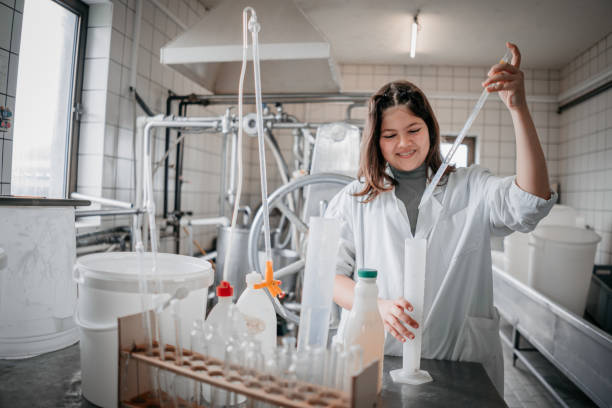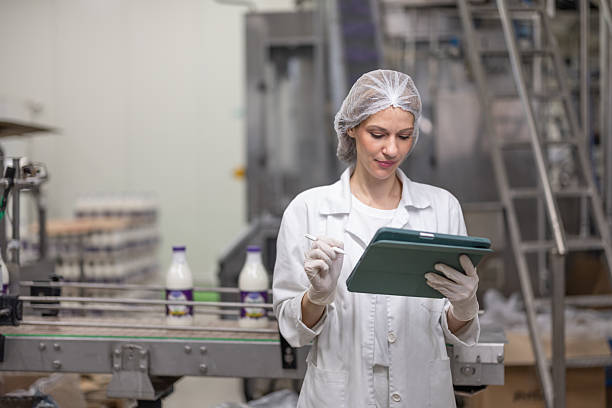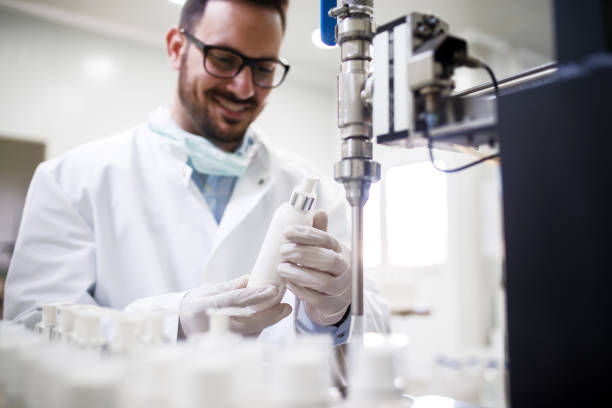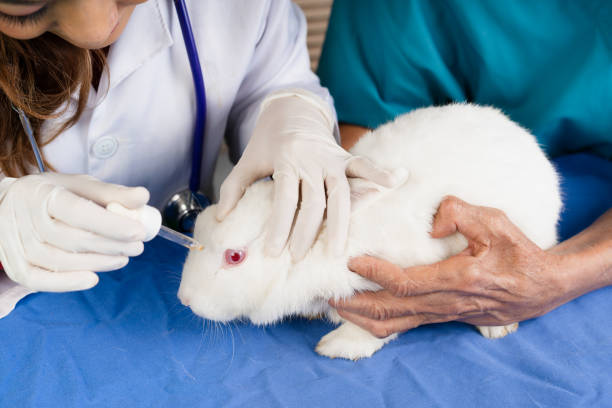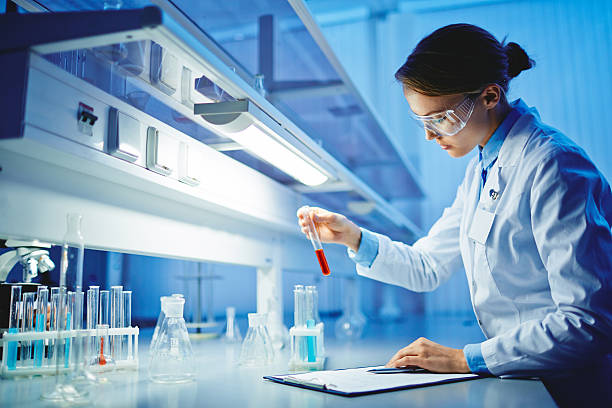
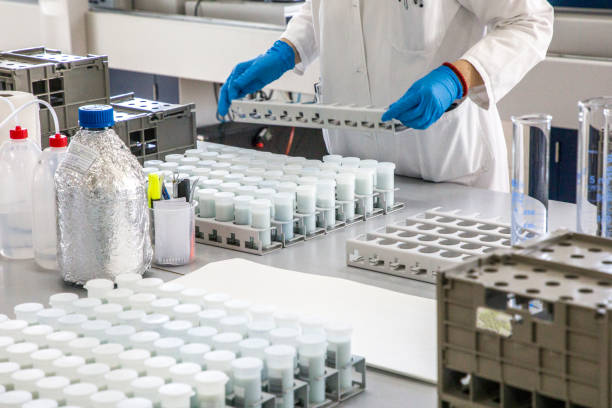
Dairy Scientists are research-driven experts responsible for advancing the science behind dairy farming and processing, including improving milk yield, studying dairy microbiology, and developing innovative products like functional foods or lactose-free options. Their role involves conducting experiments, analyzing data, ensuring regulatory compliance, and often working in laboratories, farms, or processing plants. They combine expertise in biology, chemistry, and food science to address challenges such as animal health, environmental impact, and consumer demands. As key contributors to the dairy sector, they help shape sustainable and efficient practices in an industry increasingly focused on health and ecological responsibility.
- Research and Development
- Conduct studies to improve milk production, quality, and nutritional content
- Develop new dairy products such as fortified milk, cheeses, or probiotics
- Animal Nutrition and Health
- Formulate feed and supplements to enhance dairy cattle productivity and health
- Study the impact of diet on milk composition and yield
- Food Safety and Quality Control
- Test dairy products for pathogens, contaminants, and quality standards
- Ensure compliance with food safety regulations and industry guidelines
- Process Optimization
- Innovate processing techniques to improve shelf life and product consistency
- Reduce waste and energy use in dairy production through technological advancements
- Microbiological Analysis
- Study microorganisms in milk to enhance fermentation processes for yogurt and cheese
- Develop methods to prevent spoilage and extend product freshness
- Sustainability Practices
- Research eco-friendly farming practices to reduce the environmental footprint of dairy operations
- Advise on waste management and recycling in dairy processing
- Data Analysis and Reporting
- Analyze experimental data to draw conclusions on dairy production improvements
- Publish findings in scientific journals or present to industry stakeholders
- Collaboration and Advisory
- Work with farmers to implement scientifically backed dairy farming practices
- Provide technical guidance to dairy companies on product innovation and safety
| Route | Steps |
| Route 1 | 1. 10+2 with Physics, Chemistry, Biology (PCB) or Agriculture 2. Bachelor’s degree in Dairy Science or Food Technology (3-4 years) 3. Internship or research training (3-6 months) 4. Practice as Junior Dairy Scientist |
| Route 2 | 1. 10+2 with PCB or Agriculture 2. Bachelor’s degree in Dairy Technology or Animal Science (3-4 years) 3. Master’s degree in Dairy Science or Food Microbiology (2 years) 4. Work as Dairy Scientist |
| Route 3 | 1. 10+2 with PCB or Agriculture 2. Bachelor’s degree in Dairy Science or Food Science (3-4 years) 3. Master’s degree in Dairy Chemistry or Microbiology (2 years) 4. Ph.D. in Dairy Science or related field (3-5 years) 5. Practice as Senior Researcher or Academic |
| Route 4 | 1. 10+2 with PCB or Agriculture 2. Advanced international training or certification in Dairy Science (1-2 years) 3. Master’s or Ph.D. as per country requirements 4. Practice abroad or in India |
- Mandatory lab training during degree programs in dairy research facilities
- Rotations in dairy farms for hands-on experience with milk production systems
- Internships under senior scientists for exposure to real-time research projects
- Observerships in quality testing labs for experience in safety and compliance analysis
- Participation in mock research studies for practical skill development
- Training in dairy processing plants through real-world product development projects
- Exposure to sustainable dairy farming protocols during internships
- Field projects on animal nutrition or milk quality during training
- Community outreach initiatives for educating farmers on scientific dairy practices
- International dairy research attachments for global exposure to innovative methods
- Certificate in Dairy Science or Food Safety
- Bachelor’s in Dairy Science, Food Technology, or Animal Science
- Master’s in Dairy Microbiology, Dairy Chemistry, or Food Science
- Ph.D. in Dairy Science or Food Biotechnology
- Specialization in Dairy Product Innovation
- Certification in Hazard Analysis and Critical Control Points (HACCP)
- Workshops on Sustainable Dairy Farming
- Training in Dairy Quality Assurance Techniques
- Specialization in Dairy Animal Nutrition
- Certification in Food Microbiology for Dairy
| Institute | Course/Program | Official Link |
| National Dairy Research Institute (NDRI), Karnal | B.Tech/M.Tech/Ph.D. in Dairy Science | https://www.ndri.res.in/ |
| Anand Agricultural University (AAU), Gujarat | B.Tech/M.Tech in Dairy Science | https://www.aau.in/ |
| Guru Angad Dev Veterinary and Animal Sciences University (GADVASU), Ludhiana | B.Tech/M.Tech in Dairy Science | https://www.gadvasu.in/ |
| Kerala Veterinary and Animal Sciences University (KVASU), Wayanad | B.Tech/M.Tech in Dairy Science | https://www.kvasu.ac.in/ |
| Tamil Nadu Veterinary and Animal Sciences University (TANUVAS), Chennai | B.Tech/M.Tech in Food Science | https://www.tanuvas.ac.in/ |
| University of Agricultural Sciences (UAS), Bangalore | B.Tech/M.Tech in Dairy Science | https://www.uasbangalore.edu.in/ |
| Maharashtra Animal and Fishery Sciences University (MAFSU), Nagpur | B.Tech/M.Tech in Dairy Science | https://www.mafsu.in/ |
| Rajasthan University of Veterinary and Animal Sciences (RAJUVAS), Bikaner | B.Tech/M.Tech in Dairy Science | https://www.rajuvas.org/ |
| West Bengal University of Animal and Fishery Sciences (WBUAFS), Kolkata | B.Tech/M.Tech in Dairy Science | https://www.wbuafscl.ac.in/ |
| Banaras Hindu University (BHU), Varanasi | M.Sc./Ph.D. in Animal Science | https://www.bhu.ac.in/ |
| Institution | Course | Country | Official Link |
| University of Wisconsin-Madison | Dairy Science Programs | USA | https://www.wisc.edu/ |
| Cornell University | Dairy Science and Animal Science Programs | USA | https://www.cornell.edu/ |
| Wageningen University & Research | Dairy Science and Food Technology Programs | Netherlands | https://www.wur.nl/ |
| University of Copenhagen | Dairy Science and Food Science Programs | Denmark | https://www.ku.dk/ |
| University of Reading | Food and Dairy Science Programs | UK | https://www.reading.ac.uk/ |
| Massey University | Dairy Science and Agribusiness Programs | New Zealand | https://www.massey.ac.nz/ |
| University of Guelph | Dairy Science and Food Science Programs | Canada | https://www.uoguelph.ca/ |
| ETH Zurich | Food Science and Technology Programs | Switzerland | https://www.ethz.ch/ |
| University of Queensland | Food Science and Dairy Programs | Australia | https://www.uq.edu.au/ |
| Swedish University of Agricultural Sciences (SLU) | Dairy Science and Animal Science Programs | Sweden | https://www.slu.se/ |
India:
- ICAR AIEEA (All India Entrance Examination for Admission): Conducted by the Indian Council of Agricultural Research for admissions in dairy science and related programs.
- JEE Main (Joint Entrance Examination): For admission to B.Tech programs in dairy science at certain institutes.
- State-Level Entrance Exams: Various states conduct exams for admission to dairy science programs in state universities.
International:
- TOEFL (Test of English as a Foreign Language): Minimum score of 80-100 required for non-native speakers applying to programs in English-speaking countries.
- IELTS (International English Language Testing System): Minimum score of 6.0-7.0 required for admission to universities in the UK, Australia, and other English-speaking regions.
- PTE Academic (Pearson Test of English Academic): Accepted by many international institutes as an alternative to TOEFL or IELTS for English proficiency.
- Duolingo English Test: Accepted by some institutions as a convenient alternative for English language proficiency testing.
Trainee → Junior Dairy Scientist → Senior Dairy Scientist → Dairy Research Lead → Product Development Scientist → Dairy Technology Specialist → Research Director → Dairy Industry Consultant
- Research institutions for dairy science innovation and studies
- Dairy processing companies for product development and quality testing
- Agricultural universities for academic research and teaching in dairy science
- Government agencies for dairy policy and food safety regulation
- Non-governmental organizations (NGOs) for sustainable dairy farming projects
- Animal nutrition firms for developing dairy cattle feed solutions
- Food safety labs for testing and compliance in dairy products
- International dairy organizations for global research and standardization
- Private consultancies for advisory on dairy technology and innovation
- Farmer cooperatives for implementing scientific dairy farming practices
| India | International |
| National Dairy Research Institute (NDRI), Karnal | Nestlé Research, Global |
| National Dairy Development Board (NDDB) | Danone Research & Innovation, France |
| Amul (Gujarat Cooperative Milk Marketing Federation) | Fonterra Research Centre, New Zealand |
| Mother Dairy, Delhi | Arla Foods Innovation, Denmark |
| Indian Council of Agricultural Research (ICAR) | Dairy Farmers of America Research, USA |
| Anand Agricultural University (AAU) | Lactalis Research, France |
| Guru Angad Dev Veterinary and Animal Sciences University (GADVASU) | FrieslandCampina Research, Netherlands |
| Kerala Veterinary and Animal Sciences University (KVASU) | Saputo Innovation, Canada |
| Tamil Nadu Veterinary and Animal Sciences University (TANUVAS) | Yili Innovation Center, China |
| Heritage Foods Ltd. (Research Division) | Mengniu Dairy Research, China |
| Pros | Cons |
| Opportunity to contribute to food security and nutrition through dairy innovation | Physically demanding fieldwork with exposure to farm conditions |
| High demand for dairy scientists due to global focus on sustainable food systems | Limited funding for research in some regions or institutions |
| Rewarding impact on dairy industry and consumer health through scientific advancements | Risk of slow adoption of research findings by traditional farmers |
| Diverse career paths across research, industry, and academia | Limited public recognition compared to other scientific fields |
| Strong potential for growth with increasing emphasis on dairy technology | Dependency on fluctuating industry priorities and government support |
- Technological Integration: Growing use of precision farming tools, sensors, and AI for monitoring dairy cattle health and milk quality, enhancing research accuracy.
- Rising Demand: Increasing need for dairy scientists due to global demand for high-quality, safe, and sustainable dairy products.
- Functional Dairy Products: Advancements in developing fortified and health-focused dairy items like probiotic yogurt and lactose-free milk for niche markets.
- Sustainability Focus: Heightened emphasis on reducing greenhouse gas emissions and water usage in dairy farming through scientific interventions.
- Animal Welfare Research: Expansion of studies on stress-free farming practices to improve milk yield and ethical dairy production.
- Digital Tools Development: Emergence of data analytics platforms for real-time dairy farm monitoring and research optimization.
- Training Emphasis: Increased focus on specialized training programs for dairy scientists to address modern challenges like climate impact on dairy farming.
- Interdisciplinary Collaboration: Enhanced partnerships between dairy scientists, veterinarians, and environmentalists to integrate sustainability into dairy systems.
- Skill Development Needs: Growing necessity for continuous education in emerging fields like dairy biotechnology and genetic engineering.
- Global Standards Alignment: Focus on aligning dairy research with international food safety and quality frameworks for cohesive global efforts.
| Career Level | India (₹ per annum) | International (USD per annum) |
| Trainee/Junior Dairy Scientist (Early Career) | 3,00,000 - 5,00,000 | 30,000 - 45,000 |
| Senior Dairy Scientist (Mid-Career) | 5,00,000 - 8,00,000 | 45,000 - 65,000 |
| Dairy Research Lead | 8,00,000 - 12,00,000 | 65,000 - 85,000 |
| Product Development Scientist/Technology Specialist | 12,00,000 - 16,00,000 | 85,000 - 100,000 |
| Research Director/Dairy Industry Consultant | 16,00,000+ | 100,000+ |
| Note: Salaries may vary based on location, employer, experience, and specialization. |
- Laboratory Information Management Systems (LIMS) for managing research data
- Data Analysis Tools like R or SPSS for statistical research in dairy science
- Dairy Farm Management Software for monitoring cattle health and milk yield
- Quality Testing Software for analyzing milk composition and safety parameters
- Biotechnology Tools for genetic research in dairy cattle breeding
- Teleconferencing tools like Zoom for research collaboration and presentations
- Scientific Databases for accessing dairy research literature (e.g., PubMed)
- Microsoft Office Suite for documentation and report preparation
- Project Management Tools for coordinating research initiatives
- Simulation Software for modeling dairy production systems and outcomes
- Indian Dairy Association (IDA)
- International Dairy Federation (IDF)
- National Dairy Development Board (NDDB), India
- Dairy Science Association (DSA)
- Indian Society of Animal Production and Management (ISAPM)
- Institute of Food Technologists (IFT)
- American Dairy Science Association (ADSA)
- Global Dairy Platform (GDP)
- Society for Dairy Technology (SDT)
- World Organization for Animal Health (OIE)
- Dr.VergheseKurien (Historical, India): Known as the "Father of the White Revolution" for pioneering dairy development in India. His work transformed the global dairy landscape. His contributions impact cooperative models worldwide.
- Dr. Norman Borlaug (Historical, USA): Renowned for agricultural innovations indirectly supporting dairy through feed crop improvements. His research boosted dairy farming efficiency. His legacy influences food security globally.
- Dr. R.K. Narayan (Contemporary, India): Notable researcher at NDRI, focusing on dairy microbiology and safety. His studies enhance product quality. His impact strengthens India’s dairy research.
- Dr. Bruce German (Contemporary, USA): Professor known for research on milk bioactive compounds and nutrition. His work shapes functional dairy products. His contributions advance global health science.
- Dr.Harjinder Singh (Contemporary, New Zealand): Expert in dairy protein chemistry at Massey University. His innovations improve dairy processing. His efforts impact international dairy technology.
- Dr. A.K. Srivastava (Contemporary, India): Former Director of NDRI, known for advancing dairy research and education. His leadership fosters scientific growth. His impact bolsters India’s dairy sector.
- Dr. Peggy Tomasula (Contemporary, USA): USDA researcher focusing on sustainable dairy processing technologies. Her innovations reduce environmental impact. Her contributions influence global dairy practices.
- Dr. Paul Ross (Contemporary, Ireland): Expert in dairy fermentation and probiotics at Teagasc. His research enhances dairy health benefits. His efforts shape functional food trends.
- Dr. K. Rathnakumar (Contemporary, India): NDRI scientist specializing in dairy engineering and processing. His work optimizes production systems. His impact improves regional dairy efficiency.
- Dr.LotharSteidler (Contemporary, Belgium): Researcher known for dairy biotechnology and genetic engineering. His innovations advance dairy product diversity. His contributions drive scientific progress internationally.
- Build a strong foundation in dairy science, microbiology, and animal nutrition to understand dairy systems.
- Seek early exposure to dairy research through lab or farm internships to confirm interest in the field.
- Prepare thoroughly for entrance exams or certification requirements specific to your chosen program or region.
- Pursue advanced certifications in food safety or dairy biotechnology to gain expertise.
- Stay updated on advancements in dairy technology by attending scientific conferences and workshops.
- Develop hands-on skills in lab analysis through practical training in research settings.
- Engage in dairy farm projects or quality testing initiatives to build real-world experience.
- Join professional associations like the American Dairy Science Association (ADSA) for networking and resources.
- Work on precision and problem-solving to ensure accurate research outcomes and dairy solutions.
- Explore international dairy research programs for exposure to diverse scientific practices and standards.
- Volunteer in dairy cooperatives or research NGOs to understand industry challenges and build experience.
- Cultivate adaptability to handle unpredictable research conditions and industry demands.
- Attend continuing education programs to stay abreast of evolving dairy science methods and sustainability trends.
- Build a network with dairy farmers, researchers, and industry leaders for collaborative efforts.
- Develop resilience to manage the intellectual and funding demands of dairy research.
- Balance lab work with continuous learning to adapt to rapid advancements in food science and technology.
A career as a Dairy Scientist offers a unique opportunity to contribute to the dairy industry by advancing scientific knowledge and improving the quality, safety, and sustainability of dairy products for global consumption. From enhancing milk production to innovating health-focused dairy items, Dairy Scientists play a pivotal role in modern food science and agricultural development. This field combines rigorous research, practical application, and a commitment to innovation, offering diverse paths in academia, industry, and policy. For those passionate about shaping dairy trends, adapting to global food challenges, and addressing critical sustainability needs in an era of evolving nutritional demands, a career as a Dairy Scientist provides an intellectually stimulating and professionally rewarding journey with the potential to make significant contributions to society by enhancing the quality of dairy systems and industry standards worldwide.