Culinary R&D Chef

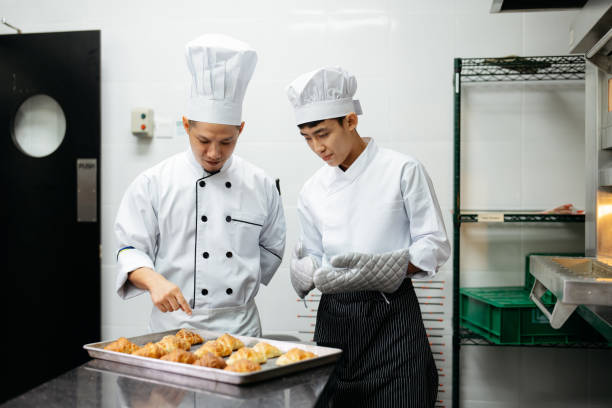
A Culinary R&D Chef, also known as a Research and Development Chef, is a professional who specializes in creating innovative recipes, developing new food products, and improving culinary techniques for restaurants, food manufacturers, or hospitality brands. They work in the culinary arts and food industry, collaborating with chefs, food scientists, and business teams to bring creative and marketable food concepts to life. Culinary R&D Chefs play a crucial role in the food sector by driving innovation and meeting consumer demands in an era where unique flavors, dietary needs, and sustainability are central to dining and food production.
Share :
✨ Radial Mind Map - Culinary R&D Chef
Nodes arranged in concentric circles

Loading radial mind map...

Overview

A Culinary R&D Chef, also known as a Research and Development Chef, is a professional who specializes in creating innovative recipes, developing new food products, and improving culinary techniques for restaurants, food manufacturers, or hospitality brands. They work in the culinary arts and food industry, collaborating with chefs, food scientists, and business teams to bring creative and marketable food concepts to life. Culinary R&D Chefs play a crucial role in the food sector by driving innovation and meeting consumer demands in an era where unique flavors, dietary needs, and sustainability are central to dining and food production.

Culinary R&D Chefs are creative and technical experts tasked with experimenting with ingredients, designing menus, and developing food products that align with market trends and client goals. Their role includes testing recipes, ensuring food safety standards, and addressing challenges ranging from cost efficiency to dietary restrictions. They combine skills in culinary arts, food science, and project management, working in kitchens, labs, or corporate settings to innovate food offerings. As key contributors to the food industry, Culinary R&D Chefs drive culinary creativity and business success in a landscape increasingly focused on unique dining experiences and sustainable food solutions.

Roles and Responsibilities

💼
Culinary R&D Chef
Roles and Responsibilities
Recipe Development and Innovation
Create and test new recipes to meet consumer trends, dietary needs, or brand objectives.
Experiment with flavors, textures, and presentation to develop unique food concepts.
Product Development for Commercial Use
Design food products for mass production, ensuring scalability and consistency.
Collaborate with food manufacturers to adapt recipes for packaged or frozen goods.
Menu Planning and Optimization
Develop or refine menus for restaurants, hotels, or catering services.
Balance creativity with cost-effectiveness and operational feasibility.
Food Safety and Quality Assurance
Ensure all recipes and products comply with food safety regulations and quality standards.
Conduct sensory evaluations and shelf-life testing for developed products.
Market Research and Trend Analysis
Research culinary trends, consumer preferences, and competitor offerings.
Incorporate findings into innovative food solutions or menu designs.
Collaboration with Cross-Functional Teams
Work with marketing teams to align food concepts with branding and customer appeal.
Partner with food scientists to ensure nutritional accuracy and product stability.
Cost Management and Ingredient Sourcing
Optimize recipes to control costs without compromising quality.
Source sustainable, high-quality ingredients and evaluate supplier options.
Training and Documentation
Train kitchen staff or production teams on new recipes and techniques.
Document recipes, processes, and testing results for consistency and replication.
Culinary Foundation
: Strong knowledge of cooking techniques and flavor profiles is essential for R&D chefs.
Innovation Mindset
: A flair for creativity and experimentation is critical for developing new food concepts.
Specialized Training
: Certifications in food science or product development offer niche expertise.
Technical Awareness
: Understanding food safety and nutritional standards improves outcomes.
Interdisciplinary Knowledge
: Familiarity with marketing or business enhances product viability.
Certification Importance
: Industry-recognized certifications can enhance opportunities for advanced roles.
Continuing Education
: Regular workshops on food trends and technology are necessary to stay updated.
Global Standards
: Compliance with international food safety and culinary standards enhances prospects.
Attention to Detail
: Precision in recipe testing and documentation is critical for consistency.
Entrance Examination Success
: Certain programs may require aptitude or creativity tests for admission.
International Testing Requirements
: For global opportunities, language proficiency tests or industry certifications may be needed.
FerranAdrià (Contemporary, Spain)
: Culinary Innovator since the 1980s. Known for molecular gastronomy at elBulli. His vision drives avant-garde cuisine. His impact shapes modern culinary arts.
Heston Blumenthal (Contemporary, UK)
: Chef and Innovator since the 1990s. Famous for experimental cooking at The Fat Duck. His creativity fosters sensory dining. His legacy impacts food science.
Grant Achatz (Contemporary, USA)
: Chef and R&D Pioneer since the 2000s. Known for innovative dishes at Alinea. His vision inspires progressive cuisine. His work influences fine dining.
René Redzepi (Contemporary, Denmark)
: Chef and Innovator since the 2000s. Co-founder of Noma, focusing on local and sustainable ingredients. His artistry drives foraging trends. His contributions influence Nordic cuisine.
Dominique Crenn (Contemporary, USA/France)
: Chef and Innovator since the 2000s. Known for poetic cuisine at Atelier Crenn. Her vision shapes artistic dining. Her impact fosters female leadership in culinary arts.
Gaggan Anand (Contemporary, India/Thailand)
: Chef and Innovator since the 2000s. Known for progressive Indian cuisine at Gaggan. His creativity drives flavor innovation. His work impacts global Indian cuisine.
Massimo Bottura (Contemporary, Italy)
: Chef and Innovator since the 1990s. Known for modern Italian cuisine at Osteria Francescana. His vision promotes sustainability. His contributions influence food waste reduction.
Dan Barber (Contemporary, USA)
: Chef and Advocate since the 2000s. Known for farm-to-table innovation at Blue Hill. His leadership drives ethical cooking. His impact shapes sustainable cuisine.
José Andrés (Contemporary, Spain/USA)
: Chef and Humanitarian since the 1990s. Known for innovative tapas and disaster relief through World Central Kitchen. His vision fosters social impact. His work influences culinary philanthropy.
Vikas Khanna (Contemporary, India/USA)
: Chef and Innovator since the 2000s. Known for modern Indian cuisine at Junoon. His creativity drives cultural storytelling. His contributions impact global Indian flavours.

Roles and Responsibilities

  • Recipe Development and Innovation
    • Create and test new recipes to meet consumer trends, dietary needs, or brand objectives.
    • Experiment with flavors, textures, and presentation to develop unique food concepts.
  • Product Development for Commercial Use
    • Design food products for mass production, ensuring scalability and consistency.
    • Collaborate with food manufacturers to adapt recipes for packaged or frozen goods.
  • Menu Planning and Optimization
    • Develop or refine menus for restaurants, hotels, or catering services.
    • Balance creativity with cost-effectiveness and operational feasibility.
  • Food Safety and Quality Assurance
    • Ensure all recipes and products comply with food safety regulations and quality standards.
    • Conduct sensory evaluations and shelf-life testing for developed products.
  • Market Research and Trend Analysis
    • Research culinary trends, consumer preferences, and competitor offerings.
    • Incorporate findings into innovative food solutions or menu designs.
  • Collaboration with Cross-Functional Teams
    • Work with marketing teams to align food concepts with branding and customer appeal.
    • Partner with food scientists to ensure nutritional accuracy and product stability.
  • Cost Management and Ingredient Sourcing
    • Optimize recipes to control costs without compromising quality.
    • Source sustainable, high-quality ingredients and evaluate supplier options.
  • Training and Documentation
    • Train kitchen staff or production teams on new recipes and techniques.
    • Document recipes, processes, and testing results for consistency and replication.


Study Route & Eligibility Criteria

RouteSteps
Route 11. 10+2 in any stream (preferably with Home Science or Science)
 2. Certificate or Diploma in Culinary Arts or Food Technology (6 months-1 year)
 3. Internship or practical training in kitchens or food companies (3-6 months)
 4. Work as Junior Culinary Assistant or Test Kitchen Chef
Route 21. 10+2 in any stream
 2. Bachelor’s degree in Culinary Arts, Hospitality, or Food Science (3-4 years)
 3. Short-term certifications in food innovation or product development
 4. Practice as Culinary Developer or Sous Chef
Route 31. 10+2 in any stream
 2. Diploma in Culinary Arts or Food Production (1-2 years)
 3. Advanced certifications in food science or sensory analysis
 4. Work as Culinary R&D Chef or Menu Developer
Route 41. 10+2 in any stream
 2. International training or certification in Culinary Arts/Food Innovation (1-2 years)
 3. Specialized courses as per country or industry requirements
 4. Practice globally or in India as a certified Culinary R&D Chef


Significant Observations (Academic Related Points)

  • Culinary Foundation: Strong knowledge of cooking techniques and flavor profiles is essential for R&D chefs.
  • Innovation Mindset: A flair for creativity and experimentation is critical for developing new food concepts.
  • Specialized Training: Certifications in food science or product development offer niche expertise.
  • Technical Awareness: Understanding food safety and nutritional standards improves outcomes.
  • Interdisciplinary Knowledge: Familiarity with marketing or business enhances product viability.
  • Certification Importance: Industry-recognized certifications can enhance opportunities for advanced roles.
  • Continuing Education: Regular workshops on food trends and technology are necessary to stay updated.
  • Global Standards: Compliance with international food safety and culinary standards enhances prospects.
  • Attention to Detail: Precision in recipe testing and documentation is critical for consistency.
  • Entrance Examination Success: Certain programs may require aptitude or creativity tests for admission.
  • International Testing Requirements: For global opportunities, language proficiency tests or industry certifications may be needed.


Internships & Practical Exposure

  • Mandatory practical training during certificate or diploma programs in culinary arts.
  • Rotations in professional kitchens, test labs, or food companies for hands-on experience.
  • Internships under senior R&D chefs or food scientists for exposure to professional workflows.
  • Observerships at restaurants or food production facilities for real-world learning.
  • Participation in mock recipe development or product testing for practical skill development.
  • Training in collaborative projects through real-world menu creation or client pitches.
  • Exposure to industry-standard culinary tools and safety protocols during internships.
  • Project-based learning focusing on diverse cuisines, dietary needs, and food challenges.
  • Public outreach initiatives like assisting in food festivals or community kitchens.
  • International attachments or online collaborations for global exposure to culinary innovation.


Courses & Specializations to Enter the Field

  • Certificate in Culinary Arts and Food Innovation.
  • Diploma in Food Production and Culinary Management.
  • Bachelor’s in Culinary Arts or Food Science and Technology.
  • Specialization in Menu Development and Design.
  • Certification in Food Safety and Quality Assurance.
  • Workshops on Food Trends and Sensory Analysis.
  • Training in Sustainable Culinary Practices.
  • Specialization in Dietary and Nutritional Cooking.
  • Certification in Food Product Development.
  • Short Courses in Culinary Technology and Molecular Gastronomy.


Top Institutes for Culinary R&D Chef Education (India)

InstituteCourse/ProgramOfficial Link
Institute of Hotel Management (IHM), Multiple LocationsDiploma & Bachelor’s in Culinary Artshttps://www.ihmctan.edu/
Culinary Academy of India, HyderabadBachelor’s & Diploma in Culinary Artshttps://www.iactchefacademy.com/
Welcomgroup Graduate School of Hotel Administration, ManipalBachelor’s in Culinary Arts & Food Productionhttps://www.manipal.edu/
Symbiosis School of Culinary Arts, PuneBachelor’s in Culinary Artshttps://www.ssca.edu.in/
International Institute of Hotel Management (IIHM), Multiple LocationsDiploma & Bachelor’s in Culinary Managementhttps://www.iihm.ac.in/
Oberoi Centre of Learning and Development (OCLD), DelhiCulinary Operations Programhttps://www.oberoihotels.com/
Amity School of Hospitality, NoidaBachelor’s in Culinary Arts & Food Technologyhttps://www.amity.edu/
Christ University, BangaloreBachelor’s in Hotel Management with Culinary Focushttps://www.christuniversity.in/
Banarsidas Chandiwala Institute of Hotel Management, DelhiBachelor’s in Culinary Artshttps://www.bcips.ac.in/
UEI Global, Multiple LocationsDiploma & Degree in Culinary Artshttps://www.uei-global.com/


Top International Institutes

InstitutionCourseCountryOfficial Link
Le Cordon Bleu, Multiple LocationsDiploma & Bachelor’s in Culinary ArtsFrance/UK/Australiahttps://www.cordonbleu.edu/
Culinary Institute of America (CIA)Bachelor’s in Culinary Science & ManagementUSAhttps://www.ciachef.edu/
Johnson & Wales UniversityBachelor’s in Culinary Arts & Food InnovationUSAhttps://www.jwu.edu/
Ferrandi ParisAdvanced Culinary Programs & Food InnovationFrancehttps://www.ferrandi-paris.com/
George Brown CollegeCulinary Management & Food Development DiplomaCanadahttps://www.georgebrown.ca/
William Angliss InstituteBachelor of Culinary ManagementAustraliahttps://www.angliss.edu.au/
Basque Culinary CenterBachelor’s in Gastronomy & Culinary ArtsSpainhttps://www.bculinary.com/
Hattori Nutrition CollegeCulinary Arts & Food Technology ProgramsJapanhttps://www.hattori.ac.jp/
University of Gastronomic SciencesMaster’s in Food Innovation & SustainabilityItalyhttps://www.unisg.it/
Les Roches Global Hospitality EducationCulinary Business Management SpecializationSwitzerland/Spainhttps://www.lesroches.edu/


Entrance Tests Required

India:

  • NCHM JEE (National Council for Hotel Management Joint Entrance Exam): Conducted for admission to culinary programs at IHMs.
  • IIHM eCHAT (Electronic Common Hospitality Admission Test): For admission to IIHM culinary programs.
  • Symbiosis Entrance Test (SET): Required for culinary programs at Symbiosis School of Culinary Arts.
  • Personal Interviews: Many institutes conduct interviews or practical cooking assessments for admission.


International:

  • SAT (Scholastic Aptitude Test): Required for undergraduate programs in countries like the USA.
  • TOEFL (Test of English as a Foreign Language): Minimum score of 80-100 required for non-native speakers applying to programs in English-speaking countries.
  • IELTS (International English Language Testing System): Minimum score of 6.0-7.0 required for admission to universities in the UK, Australia, and other English-speaking regions.
  • PTE Academic (Pearson Test of English Academic): Accepted by many international institutes as an alternative to TOEFL or IELTS for English proficiency.
  • Duolingo English Test: Accepted by some institutions as a convenient alternative for English language proficiency testing.


Ideal Progressing Career Path

Junior Culinary Assistant → Test Kitchen Chef → Culinary Developer → Culinary R&D Chef → Senior R&D Chef → Food Innovation Manager → Culinary Director → Food Product Consultant → Culinary Entrepreneur


Major Areas of Employment

  • Restaurants and hotel chains for menu innovation.
  • Food manufacturing companies for product development.
  • Culinary consultancies for recipe and concept creation.
  • Test kitchens for food brands and media companies.
  • Hospitality groups for catering and event menus.
  • Retail food sectors for packaged and ready-to-eat products.
  • Freelance opportunities for independent culinary consulting.
  • Non-profit organizations for sustainable food initiatives.
  • Government agencies for food safety and innovation projects.
  • International food companies for global product launches.


Prominent Employers

IndiaInternational
Taj Hotels (Culinary Division)Nestlé, Switzerland
ITC Hotels (Kitchens of India)Unilever, UK/Netherlands
Oberoi Hotels & ResortsPepsiCo, USA
The Leela Palaces, Hotels and ResortsKraft Heinz, USA
Britannia IndustriesMondelez International, USA
Nestlé IndiaGeneral Mills, USA
Haldiram’sMcDonald’s Corporation, USA
Amul (Gujarat Cooperative Milk Marketing Federation)Coca-Cola Company, USA
Parle ProductsTyson Foods, USA
Zomato (Culinary Innovation Teams)Sysco Corporation, USA


Pros and Cons of the Profession

ProsCons
Opportunity to work in creative and innovative food environmentsHigh pressure to constantly innovate and meet market demands
High demand for R&D chefs in growing food and hospitality sectorsLong hours in kitchens or labs during testing phases
Rewarding impact through unique culinary creations and productsRisk of project failures due to taste or scalability issues
Diverse career paths across restaurants, retail, and food brandsLimited job security in freelance or project-based roles
Strong potential for personal branding with signature recipes or productsDependency on consumer trends and economic conditions


Industry Trends and Future Outlook

  • Growing adoption of plant-based and alternative protein products in culinary innovation.
  • Rising demand for Culinary R&D Chefs due to increasing focus on unique dining experiences.
  • Advancements in food technology for precision cooking and product development.
  • Heightened focus on sustainability in ingredient sourcing and food production.
  • Expansion of culinary arts in digital platforms for recipe sharing and virtual kitchens.
  • Development of AI-assisted tools for recipe formulation and nutritional analysis.
  • Increased emphasis on health-conscious and allergen-free food solutions.
  • Enhanced collaboration between chefs and food scientists for innovative products.
  • Growing need for continuous training to master emerging culinary technologies.
  • Focus on global culinary standards to align practices internationally.


Salary Expectations

Career LevelIndia (₹ per annum)International (USD per annum)
Junior Culinary Assistant (Early Career)2,00,000 - 4,00,00025,000 - 35,000
Test Kitchen Chef (Mid-Career)4,00,000 - 6,00,00035,000 - 50,000
Culinary Developer/R&D Chef6,00,000 - 10,00,00050,000 - 65,000
Senior R&D Chef/Food Innovation Manager10,00,000 - 15,00,00065,000 - 80,000
Culinary Director/Consultant/Entrepreneur15,00,000+80,000+

Note: Salaries vary based on location, experience, employer, and specialization. International figures are approximate and depend on the country and sector.


Key Software Tools

  • Recipe Management Software like ChefTec for formulation and costing.
  • Nutritional Analysis Tools like ESHA Research for dietary compliance.
  • Communication Apps like Slack for team coordination.
  • Project Management Tools like Trello or Asana for task organization.
  • Sensory Analysis Software like Compusense for product evaluation.
  • CRM Software like HubSpot for client relationship management.
  • Microsoft Office Suite for documentation and presentations.
  • Design Tools like Canva for food photography and marketing visuals.
  • Social Media Platforms like Instagram for culinary trend analysis.
  • Data Analysis Tools like Tableau for market and consumer insights.


Professional Organizations and Networks

  • Indian Culinary Forum (ICF), India.
  • Research Chefs Association (RCA), USA.
  • World Association of Chefs Societies (Worldchefs), Global.
  • American Culinary Federation (ACF), USA.
  • Institute of Food Technologists (IFT), USA.
  • Federation of Hotel & Restaurant Associations of India (FHRAI), India.
  • International Food Information Council (IFIC), Global.
  • Slow Food International, Global.
  • Culinary Institute of America (CIA) Alumni Network, USA.
  • Chefs Collaborative, USA.


Notable Culinary R&D Chefs and Industry Leaders (Top 10)

  • FerranAdrià (Contemporary, Spain): Culinary Innovator since the 1980s. Known for molecular gastronomy at elBulli. His vision drives avant-garde cuisine. His impact shapes modern culinary arts.
     
  • Heston Blumenthal (Contemporary, UK): Chef and Innovator since the 1990s. Famous for experimental cooking at The Fat Duck. His creativity fosters sensory dining. His legacy impacts food science.
     
  • Grant Achatz (Contemporary, USA): Chef and R&D Pioneer since the 2000s. Known for innovative dishes at Alinea. His vision inspires progressive cuisine. His work influences fine dining.
     
  • René Redzepi (Contemporary, Denmark): Chef and Innovator since the 2000s. Co-founder of Noma, focusing on local and sustainable ingredients. His artistry drives foraging trends. His contributions influence Nordic cuisine.
     
  • Dominique Crenn (Contemporary, USA/France): Chef and Innovator since the 2000s. Known for poetic cuisine at Atelier Crenn. Her vision shapes artistic dining. Her impact fosters female leadership in culinary arts.
     
  • Gaggan Anand (Contemporary, India/Thailand): Chef and Innovator since the 2000s. Known for progressive Indian cuisine at Gaggan. His creativity drives flavor innovation. His work impacts global Indian cuisine.
     
  • Massimo Bottura (Contemporary, Italy): Chef and Innovator since the 1990s. Known for modern Italian cuisine at Osteria Francescana. His vision promotes sustainability. His contributions influence food waste reduction.
     
  • Dan Barber (Contemporary, USA): Chef and Advocate since the 2000s. Known for farm-to-table innovation at Blue Hill. His leadership drives ethical cooking. His impact shapes sustainable cuisine.
     
  • José Andrés (Contemporary, Spain/USA): Chef and Humanitarian since the 1990s. Known for innovative tapas and disaster relief through World Central Kitchen. His vision fosters social impact. His work influences culinary philanthropy.
     
  • Vikas Khanna (Contemporary, India/USA): Chef and Innovator since the 2000s. Known for modern Indian cuisine at Junoon. His creativity drives cultural storytelling. His contributions impact global Indian flavours.


Advice for Aspiring Culinary R&D Chefs

  • Build a strong foundation in culinary techniques and food science to handle innovation challenges.
  • Seek early exposure to professional kitchens or test labs through internships to confirm interest.
  • Prepare thoroughly for practical assessments or creativity tests specific to your chosen program.
  • Pursue advanced certifications in specific areas like molecular gastronomy or food safety for expertise.
  • Stay updated on culinary trends and food technologies by attending workshops and industry events.
  • Develop hands-on skills in recipe testing through personal projects or kitchen roles.
  • Engage in culinary challenges or online communities to build real-world experience.
  • Join professional associations like RCA for networking and resources.
  • Work on precision and creativity to ensure high-quality food innovations.
  • Explore international culinary programs for exposure to diverse cooking standards.
  • Volunteer in food festivals or community kitchens to understand consumer needs and build experience.
  • Cultivate adaptability to handle complex recipe and market challenges.
  • Attend continuing education programs to stay abreast of evolving culinary methodologies.
  • Build a network with culinary professionals and food scientists for collaborative efforts.
  • Develop resilience to manage the stress and unpredictability of food development.
  • Balance creative duties with continuous learning to adapt to rapid advancements in food technology.


A career as a Culinary R&D Chef offers a unique opportunity to contribute to culinary innovation, consumer satisfaction, and industry growth by creating impactful food solutions for diverse audiences. From developing groundbreaking recipes to advancing sustainable food products and dining experiences, Culinary R&D Chefs play a pivotal role in modern culinary and food production landscapes. This field combines culinary expertise, scientific skills, and a commitment to solving complex food challenges, offering diverse paths in restaurants, food brands, hospitality, and beyond. For those passionate about cooking, adapting to dynamic trends, and addressing consumer needs in an era of culinary exploration, a career as a Culinary R&D Chef provides an intellectually stimulating and professionally rewarding journey with the potential to make significant contributions to society by advancing the art and application of food innovation worldwide.


Study Route & Eligibility Criteria

Study Route & Eligibility Criteria
Culinary R&D Chef
Route 1
🎓
1
10+2 in any stream
Route 2
🎓
1
10+2 in any stream
Route 3
🎓
1
10+2 in any stream
Route 4
🎓
1
10+2 in any stream
🎯 Culinary R&D Chef - Professional

Significant Observations (Academic Related Points)

💡
Culinary R&D Chef
Academic Related Points
1
Culinary Foundation
Strong knowledge of cooking techniques and flavor profiles is essential for R&D chefs.
2
Innovation Mindset
A flair for creativity and experimentation is critical for developing new food concepts.
3
Specialized Training
Certifications in food science or product development offer niche expertise.
4
Technical Awareness
Understanding food safety and nutritional standards improves outcomes.
5
Interdisciplinary Knowledge
Familiarity with marketing or business enhances product viability.
6
Certification Importance
Industry-recognized certifications can enhance opportunities for advanced roles.
7
Continuing Education
Regular workshops on food trends and technology are necessary to stay updated.
8
Global Standards
Compliance with international food safety and culinary standards enhances prospects.
9
Attention to Detail
Precision in recipe testing and documentation is critical for consistency.
10
Entrance Examination Success
Certain programs may require aptitude or creativity tests for admission.
11
International Testing Requirements
For global opportunities, language proficiency tests or industry certifications may be needed.
12
FerranAdrià (Contemporary, Spain)
Culinary Innovator since the 1980s. Known for molecular gastronomy at elBulli. His vision drives avant-garde cuisine. His impact shapes modern culinary arts.
13
Heston Blumenthal (Contemporary, UK)
Chef and Innovator since the 1990s. Famous for experimental cooking at The Fat Duck. His creativity fosters sensory dining. His legacy impacts food science.
14
Grant Achatz (Contemporary, USA)
Chef and R&D Pioneer since the 2000s. Known for innovative dishes at Alinea. His vision inspires progressive cuisine. His work influences fine dining.
15
René Redzepi (Contemporary, Denmark)
Chef and Innovator since the 2000s. Co-founder of Noma, focusing on local and sustainable ingredients. His artistry drives foraging trends. His contributions influence Nordic cuisine.
16
Dominique Crenn (Contemporary, USA/France)
Chef and Innovator since the 2000s. Known for poetic cuisine at Atelier Crenn. Her vision shapes artistic dining. Her impact fosters female leadership in culinary arts.
17
Gaggan Anand (Contemporary, India/Thailand)
Chef and Innovator since the 2000s. Known for progressive Indian cuisine at Gaggan. His creativity drives flavor innovation. His work impacts global Indian cuisine.
18
Massimo Bottura (Contemporary, Italy)
Chef and Innovator since the 1990s. Known for modern Italian cuisine at Osteria Francescana. His vision promotes sustainability. His contributions influence food waste reduction.
19
Dan Barber (Contemporary, USA)
Chef and Advocate since the 2000s. Known for farm-to-table innovation at Blue Hill. His leadership drives ethical cooking. His impact shapes sustainable cuisine.
20
José Andrés (Contemporary, Spain/USA)
Chef and Humanitarian since the 1990s. Known for innovative tapas and disaster relief through World Central Kitchen. His vision fosters social impact. His work influences culinary philanthropy.
21
Vikas Khanna (Contemporary, India/USA)
Chef and Innovator since the 2000s. Known for modern Indian cuisine at Junoon. His creativity drives cultural storytelling. His contributions impact global Indian flavours.

Internships & Practical Exposure

💼
Culinary R&D Chef
Internships & Practical Experience
1
Mandatory practical training during certificate or diploma programs in culinary arts.
2
Rotations in professional kitchens, test labs, or food companies for hands-on experience.
3
Internships under senior R&D chefs or food scientists for exposure to professional workflows.
4
Observerships at restaurants or food production facilities for real-world learning.
5
Participation in mock recipe development or product testing for practical skill development.
6
Training in collaborative projects through real-world menu creation or client pitches.
7
Exposure to industry-standard culinary tools and safety protocols during internships.
8
Project-based learning focusing on diverse cuisines, dietary needs, and food challenges.
9
Public outreach initiatives like assisting in food festivals or community kitchens.
10
International attachments or online collaborations for global exposure to culinary innovation.
11
Certificate in Culinary Arts and Food Innovation.
12
Diploma in Food Production and Culinary Management.
13
Bachelor’s in Culinary Arts or Food Science and Technology.
14
Specialization in Menu Development and Design.
15
Certification in Food Safety and Quality Assurance.
16
Workshops on Food Trends and Sensory Analysis.
17
Training in Sustainable Culinary Practices.
18
Specialization in Dietary and Nutritional Cooking.
19
Certification in Food Product Development.
20
Short Courses in Culinary Technology and Molecular Gastronomy.
21
NCHM JEE (National Council for Hotel Management Joint Entrance Exam): Conducted for admission to culinary programs at IHMs.
22
IIHM eCHAT (Electronic Common Hospitality Admission Test): For admission to IIHM culinary programs.
23
Symbiosis Entrance Test (SET): Required for culinary programs at Symbiosis School of Culinary Arts.
24
Personal Interviews: Many institutes conduct interviews or practical cooking assessments for admission.
25
SAT (Scholastic Aptitude Test): Required for undergraduate programs in countries like the USA.
26
TOEFL (Test of English as a Foreign Language): Minimum score of 80-100 required for non-native speakers applying to programs in English-speaking countries.
27
IELTS (International English Language Testing System): Minimum score of 6.0-7.0 required for admission to universities in the UK, Australia, and other English-speaking regions.
28
PTE Academic (Pearson Test of English Academic): Accepted by many international institutes as an alternative to TOEFL or IELTS for English proficiency.
29
Duolingo English Test: Accepted by some institutions as a convenient alternative for English language proficiency testing.
30
Restaurants and hotel chains for menu innovation.
31
Food manufacturing companies for product development.
32
Culinary consultancies for recipe and concept creation.
33
Test kitchens for food brands and media companies.
34
Hospitality groups for catering and event menus.
35
Retail food sectors for packaged and ready-to-eat products.
36
Freelance opportunities for independent culinary consulting.
37
Non-profit organizations for sustainable food initiatives.
38
Government agencies for food safety and innovation projects.
39
International food companies for global product launches.
40
Growing adoption of plant-based and alternative protein products in culinary innovation.
41
Rising demand for Culinary R&D Chefs due to increasing focus on unique dining experiences.
42
Advancements in food technology for precision cooking and product development.
43
Heightened focus on sustainability in ingredient sourcing and food production.
44
Expansion of culinary arts in digital platforms for recipe sharing and virtual kitchens.
45
Development of AI-assisted tools for recipe formulation and nutritional analysis.
46
Increased emphasis on health-conscious and allergen-free food solutions.
47
Enhanced collaboration between chefs and food scientists for innovative products.
48
Growing need for continuous training to master emerging culinary technologies.
49
Focus on global culinary standards to align practices internationally.
50
Recipe Management Software like ChefTec for formulation and costing.
51
Nutritional Analysis Tools like ESHA Research for dietary compliance.
52
Communication Apps like Slack for team coordination.
53
Project Management Tools like Trello or Asana for task organization.
54
Sensory Analysis Software like Compusense for product evaluation.
55
CRM Software like HubSpot for client relationship management.
56
Microsoft Office Suite for documentation and presentations.
57
Design Tools like Canva for food photography and marketing visuals.
58
Social Media Platforms like Instagram for culinary trend analysis.
59
Data Analysis Tools like Tableau for market and consumer insights.
60
Indian Culinary Forum (ICF), India.
61
Research Chefs Association (RCA), USA.
62
World Association of Chefs Societies (Worldchefs), Global.
63
American Culinary Federation (ACF), USA.
64
Institute of Food Technologists (IFT), USA.
65
Federation of Hotel & Restaurant Associations of India (FHRAI), India.
66
International Food Information Council (IFIC), Global.
67
Slow Food International, Global.
68
Culinary Institute of America (CIA) Alumni Network, USA.
69
Chefs Collaborative, USA.
70
FerranAdrià (Contemporary, Spain): Culinary Innovator since the 1980s. Known for molecular gastronomy at elBulli. His vision drives avant-garde cuisine. His impact shapes modern culinary arts.
71
Heston Blumenthal (Contemporary, UK): Chef and Innovator since the 1990s. Famous for experimental cooking at The Fat Duck. His creativity fosters sensory dining. His legacy impacts food science.
72
Grant Achatz (Contemporary, USA): Chef and R&D Pioneer since the 2000s. Known for innovative dishes at Alinea. His vision inspires progressive cuisine. His work influences fine dining.
73
René Redzepi (Contemporary, Denmark): Chef and Innovator since the 2000s. Co-founder of Noma, focusing on local and sustainable ingredients. His artistry drives foraging trends. His contributions influence Nordic cuisine.
74
Dominique Crenn (Contemporary, USA/France): Chef and Innovator since the 2000s. Known for poetic cuisine at Atelier Crenn. Her vision shapes artistic dining. Her impact fosters female leadership in culinary arts.
75
Gaggan Anand (Contemporary, India/Thailand): Chef and Innovator since the 2000s. Known for progressive Indian cuisine at Gaggan. His creativity drives flavor innovation. His work impacts global Indian cuisine.
76
Massimo Bottura (Contemporary, Italy): Chef and Innovator since the 1990s. Known for modern Italian cuisine at Osteria Francescana. His vision promotes sustainability. His contributions influence food waste reduction.
77
Dan Barber (Contemporary, USA): Chef and Advocate since the 2000s. Known for farm-to-table innovation at Blue Hill. His leadership drives ethical cooking. His impact shapes sustainable cuisine.
78
José Andrés (Contemporary, Spain/USA): Chef and Humanitarian since the 1990s. Known for innovative tapas and disaster relief through World Central Kitchen. His vision fosters social impact. His work influences culinary philanthropy.
79
Vikas Khanna (Contemporary, India/USA): Chef and Innovator since the 2000s. Known for modern Indian cuisine at Junoon. His creativity drives cultural storytelling. His contributions impact global Indian flavours.
80
Build a strong foundation in culinary techniques and food science to handle innovation challenges.
81
Seek early exposure to professional kitchens or test labs through internships to confirm interest.
82
Prepare thoroughly for practical assessments or creativity tests specific to your chosen program.
83
Pursue advanced certifications in specific areas like molecular gastronomy or food safety for expertise.
84
Stay updated on culinary trends and food technologies by attending workshops and industry events.
85
Develop hands-on skills in recipe testing through personal projects or kitchen roles.
86
Engage in culinary challenges or online communities to build real-world experience.
87
Join professional associations like RCA for networking and resources.
88
Work on precision and creativity to ensure high-quality food innovations.
89
Explore international culinary programs for exposure to diverse cooking standards.
90
Volunteer in food festivals or community kitchens to understand consumer needs and build experience.
91
Cultivate adaptability to handle complex recipe and market challenges.
92
Attend continuing education programs to stay abreast of evolving culinary methodologies.
93
Build a network with culinary professionals and food scientists for collaborative efforts.
94
Develop resilience to manage the stress and unpredictability of food development.
95
Balance creative duties with continuous learning to adapt to rapid advancements in food technology.

Courses & Specializations to Enter the Field

📚
Culinary R&D Chef
Courses & Specializations
📖
Certificate in Culinary Arts and Food Innovation.
📖
Diploma in Food Production and Culinary Management.
📖
Bachelor’s in Culinary Arts or Food Science and Technology.
📖
Specialization in Menu Development and Design.
📖
Certification in Food Safety and Quality Assurance.
📖
Workshops on Food Trends and Sensory Analysis.
📖
Training in Sustainable Culinary Practices.
📖
Specialization in Dietary and Nutritional Cooking.
📖
Certification in Food Product Development.
📖
Short Courses in Culinary Technology and Molecular Gastronomy.
📖
NCHM JEE (National Council for Hotel Management Joint Entrance Exam): Conducted for admission to culinary programs at IHMs.
📖
IIHM eCHAT (Electronic Common Hospitality Admission Test): For admission to IIHM culinary programs.
📖
Symbiosis Entrance Test (SET): Required for culinary programs at Symbiosis School of Culinary Arts.
📖
Personal Interviews: Many institutes conduct interviews or practical cooking assessments for admission.
📖
SAT (Scholastic Aptitude Test): Required for undergraduate programs in countries like the USA.
📖
TOEFL (Test of English as a Foreign Language): Minimum score of 80-100 required for non-native speakers applying to programs in English-speaking countries.
📖
IELTS (International English Language Testing System): Minimum score of 6.0-7.0 required for admission to universities in the UK, Australia, and other English-speaking regions.
📖
PTE Academic (Pearson Test of English Academic): Accepted by many international institutes as an alternative to TOEFL or IELTS for English proficiency.
📖
Duolingo English Test: Accepted by some institutions as a convenient alternative for English language proficiency testing.
📖
Restaurants and hotel chains for menu innovation.
📖
Food manufacturing companies for product development.
📖
Culinary consultancies for recipe and concept creation.
📖
Test kitchens for food brands and media companies.
📖
Hospitality groups for catering and event menus.
📖
Retail food sectors for packaged and ready-to-eat products.
📖
Freelance opportunities for independent culinary consulting.
📖
Non-profit organizations for sustainable food initiatives.
📖
Government agencies for food safety and innovation projects.
📖
International food companies for global product launches.
📖
Growing adoption of plant-based and alternative protein products in culinary innovation.
📖
Rising demand for Culinary R&D Chefs due to increasing focus on unique dining experiences.
📖
Advancements in food technology for precision cooking and product development.
📖
Heightened focus on sustainability in ingredient sourcing and food production.
📖
Expansion of culinary arts in digital platforms for recipe sharing and virtual kitchens.
📖
Development of AI-assisted tools for recipe formulation and nutritional analysis.
📖
Increased emphasis on health-conscious and allergen-free food solutions.
📖
Enhanced collaboration between chefs and food scientists for innovative products.
📖
Growing need for continuous training to master emerging culinary technologies.
📖
Focus on global culinary standards to align practices internationally.
📖
Recipe Management Software like ChefTec for formulation and costing.
📖
Nutritional Analysis Tools like ESHA Research for dietary compliance.
📖
Communication Apps like Slack for team coordination.
📖
Project Management Tools like Trello or Asana for task organization.
📖
Sensory Analysis Software like Compusense for product evaluation.
📖
CRM Software like HubSpot for client relationship management.
📖
Microsoft Office Suite for documentation and presentations.
📖
Design Tools like Canva for food photography and marketing visuals.
📖
Social Media Platforms like Instagram for culinary trend analysis.
📖
Data Analysis Tools like Tableau for market and consumer insights.
📖
Indian Culinary Forum (ICF), India.
📖
Research Chefs Association (RCA), USA.
📖
World Association of Chefs Societies (Worldchefs), Global.
📖
American Culinary Federation (ACF), USA.
📖
Institute of Food Technologists (IFT), USA.
📖
Federation of Hotel & Restaurant Associations of India (FHRAI), India.
📖
International Food Information Council (IFIC), Global.
📖
Slow Food International, Global.
📖
Culinary Institute of America (CIA) Alumni Network, USA.
📖
Chefs Collaborative, USA.
📖
FerranAdrià (Contemporary, Spain): Culinary Innovator since the 1980s. Known for molecular gastronomy at elBulli. His vision drives avant-garde cuisine. His impact shapes modern culinary arts.
📖
Heston Blumenthal (Contemporary, UK): Chef and Innovator since the 1990s. Famous for experimental cooking at The Fat Duck. His creativity fosters sensory dining. His legacy impacts food science.
📖
Grant Achatz (Contemporary, USA): Chef and R&D Pioneer since the 2000s. Known for innovative dishes at Alinea. His vision inspires progressive cuisine. His work influences fine dining.
📖
René Redzepi (Contemporary, Denmark): Chef and Innovator since the 2000s. Co-founder of Noma, focusing on local and sustainable ingredients. His artistry drives foraging trends. His contributions influence Nordic cuisine.
📖
Dominique Crenn (Contemporary, USA/France): Chef and Innovator since the 2000s. Known for poetic cuisine at Atelier Crenn. Her vision shapes artistic dining. Her impact fosters female leadership in culinary arts.
📖
Gaggan Anand (Contemporary, India/Thailand): Chef and Innovator since the 2000s. Known for progressive Indian cuisine at Gaggan. His creativity drives flavor innovation. His work impacts global Indian cuisine.
📖
Massimo Bottura (Contemporary, Italy): Chef and Innovator since the 1990s. Known for modern Italian cuisine at Osteria Francescana. His vision promotes sustainability. His contributions influence food waste reduction.
📖
Dan Barber (Contemporary, USA): Chef and Advocate since the 2000s. Known for farm-to-table innovation at Blue Hill. His leadership drives ethical cooking. His impact shapes sustainable cuisine.
📖
José Andrés (Contemporary, Spain/USA): Chef and Humanitarian since the 1990s. Known for innovative tapas and disaster relief through World Central Kitchen. His vision fosters social impact. His work influences culinary philanthropy.
📖
Vikas Khanna (Contemporary, India/USA): Chef and Innovator since the 2000s. Known for modern Indian cuisine at Junoon. His creativity drives cultural storytelling. His contributions impact global Indian flavours.
📖
Build a strong foundation in culinary techniques and food science to handle innovation challenges.
📖
Seek early exposure to professional kitchens or test labs through internships to confirm interest.
📖
Prepare thoroughly for practical assessments or creativity tests specific to your chosen program.
📖
Pursue advanced certifications in specific areas like molecular gastronomy or food safety for expertise.
📖
Stay updated on culinary trends and food technologies by attending workshops and industry events.
📖
Develop hands-on skills in recipe testing through personal projects or kitchen roles.
📖
Engage in culinary challenges or online communities to build real-world experience.
📖
Join professional associations like RCA for networking and resources.
📖
Work on precision and creativity to ensure high-quality food innovations.
📖
Explore international culinary programs for exposure to diverse cooking standards.
📖
Volunteer in food festivals or community kitchens to understand consumer needs and build experience.
📖
Cultivate adaptability to handle complex recipe and market challenges.
📖
Attend continuing education programs to stay abreast of evolving culinary methodologies.
📖
Build a network with culinary professionals and food scientists for collaborative efforts.
📖
Develop resilience to manage the stress and unpredictability of food development.
📖
Balance creative duties with continuous learning to adapt to rapid advancements in food technology.

Prominent Employers

🏢
Culinary R&D Chef
🌟 Top Companies & Organizations
🇮🇳 India
🏛️
Taj Hotels (Culinary Division)
🏛️
ITC Hotels (Kitchens of India)
🏛️
Oberoi Hotels & Resorts
🏛️
The Leela Palaces, Hotels and Resorts
🏛️
Britannia Industries
🏛️
Nestlé India
🏛️
Haldiram’s
🏛️
Amul (Gujarat Cooperative Milk Marketing Federation)
🏛️
Parle Products
🏛️
Zomato (Culinary Innovation Teams)
🌍 International
🌐
Nestlé, Switzerland
🌐
Unilever, UK/Netherlands
🌐
PepsiCo, USA
🌐
Kraft Heinz, USA
🌐
Mondelez International, USA
🌐
General Mills, USA
🌐
McDonald’s Corporation, USA
🌐
Coca-Cola Company, USA
🌐
Tyson Foods, USA
🌐
Sysco Corporation, USA

Advice for Aspiring Culinary R&D Chefs

💡
Culinary R&D Chef
🌟 Tips for Students & Parents
1
Build a strong foundation in culinary techniques and food science to handle innovation challenges.
2
Seek early exposure to professional kitchens or test labs through internships to confirm interest.
3
Prepare thoroughly for practical assessments or creativity tests specific to your chosen program.
4
Pursue advanced certifications in specific areas like molecular gastronomy or food safety for expertise.
5
Stay updated on culinary trends and food technologies by attending workshops and industry events.
6
Develop hands-on skills in recipe testing through personal projects or kitchen roles.
7
Engage in culinary challenges or online communities to build real-world experience.
8
Join professional associations like RCA for networking and resources.
9
Work on precision and creativity to ensure high-quality food innovations.
10
Explore international culinary programs for exposure to diverse cooking standards.
11
Volunteer in food festivals or community kitchens to understand consumer needs and build experience.
12
Cultivate adaptability to handle complex recipe and market challenges.
13
Attend continuing education programs to stay abreast of evolving culinary methodologies.
14
Build a network with culinary professionals and food scientists for collaborative efforts.
15
Develop resilience to manage the stress and unpredictability of food development.
16
Balance creative duties with continuous learning to adapt to rapid advancements in food technology.
🎓 Final Message
A career as a Culinary R&D Chef offers a unique opportunity to contribute to culinary innovation, consumer satisfaction, and industry growth by creating impactful food solutions for diverse audiences. From developing groundbreaking recipes to advancing sustainable food products and dining experiences, Culinary R&D Chefs play a pivotal role in modern culinary and food production landscapes. This field combines culinary expertise, scientific skills, and a commitment to solving complex food challenges, offering diverse paths in restaurants, food brands, hospitality, and beyond. For those passionate about cooking, adapting to dynamic trends, and addressing consumer needs in an era of culinary exploration, a career as a Culinary R&D Chef provides an intellectually stimulating and professionally rewarding journey with the potential to make significant contributions to society by advancing the art and application of food innovation worldwide.
Knowledge & Skills You Will Learn
1
Heightened focus on sustainability in ingredient sourcing and food production.
2
Massimo Bottura (Contemporary, Italy): Chef and Innovator since the 1990s. Known for modern Italian cuisine at Osteria Francescana. His vision promotes sustainability. His contributions influence food waste reduction.
3
Pursue advanced certifications in specific areas like molecular gastronomy or food safety for expertise.
4
Develop hands-on skills in recipe testing through personal projects or kitchen roles.
5
Cultivate adaptability to handle complex recipe and market challenges.
6
Develop resilience to manage the stress and unpredictability of food development.
Junior Culinary Assistant

Junior Culinary Assistant

Early-career professionals assist in basic recipe testing under supervision. They build skills in cooking while ensuring accurate documentation....

0.0LPA

Test Kitchen Chef

Test Kitchen Chef

Experienced professionals manage recipe trials with high competence, using culinary skills. They offer expertise in ingredient testing. Their...

0.0LPA

Culinary Developer

Culinary Developer

Specialists oversee specific food projects with exceptional competence. They integrate deep culinary knowledge with expertise in trends for...

0.0LPA

Interested in this career?

Take the next step and explore more about Culinary R&D Chef.