
Cultural Tourism Guide

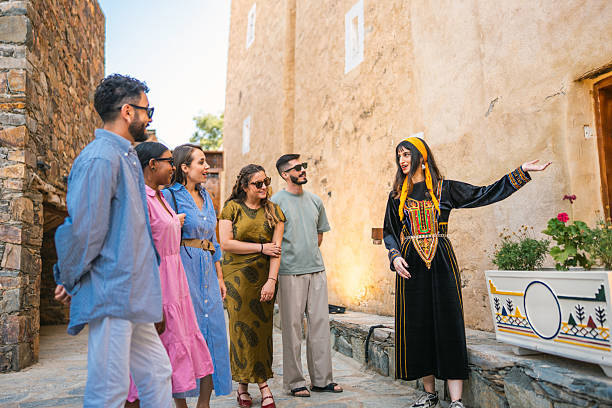
Cultural Tourism Guide is a vibrant and enriching field within hospitality and tourism that focuses on leading visitors through historical, cultural, and heritage sites, providing in-depth knowledge and storytelling to create immersive experiences that connect travelers with a destination’s traditions and past. In India, Cultural Tourism Guiding is a significant career path, fueled by the country’s unparalleled cultural diversity, ancient monuments, and UNESCO World Heritage Sites like the Taj Mahal, attracting millions of domestic and international tourists. With advancements in experiential tourism, digital storytelling tools, and sustainable travel practices, this career plays a crucial role in preserving cultural heritage while educating and entertaining visitors. Cultural Tourism Guides are essential for bridging the gap between travelers and local cultures, ensuring authentic and respectful interactions. This profession contributes to industry progress through trends like virtual cultural tours, community-based tourism, and personalized heritage experiences.
Share :
Career tree mind map (horizontal) — Cultural Tourism Guide
Colored branches, hub circles, and underlined topics — same style as counselor course classic (types 18–19 in admin).
Loading mind map…

Cultural Tourism Guides work in diverse environments such as historical landmarks, museums, cultural festivals, or rural heritage villages, often collaborating with tour operators, local communities, historians, and tourism boards. Their responsibilities include narrating historical and cultural stories, guiding groups through sites, and ensuring visitor safety and satisfaction during tours. They face challenges like addressing India’s linguistic and cultural diversity, managing large tourist groups, and adapting to varying visitor knowledge levels. By applying expertise in history, local traditions, and communication, they bring cultural narratives to life for travelers. As key contributors to India’s hospitality and tourism sectors, they drive advancements through trends like augmented reality in heritage tours, multilingual guiding, and eco-conscious cultural exploration.

  • Cultural Storytelling and Education
    • Share detailed knowledge of historical events, cultural practices, and local traditions at heritage sites.
    • Craft engaging narratives to captivate tourists and deepen their understanding of a destination’s heritage.
  • Tour Planning and Execution
    • Plan itineraries for cultural tours, ensuring coverage of significant sites and experiences within time constraints.
    • Lead groups through museums, monuments, temples, or villages, managing logistics and pacing.
  • Visitor Safety and Comfort
    • Ensure the safety of tourists by providing clear instructions and monitoring group behavior at sites.
    • Address visitor needs, such as language assistance, accessibility, or health concerns during tours.
  • Cultural Sensitivity and Mediation
    • Educate tourists on local customs, etiquette, and dress codes to promote respectful interactions.
    • Act as a cultural mediator between visitors and local communities to foster mutual understanding.
  • Language and Communication
    • Communicate effectively in multiple languages to cater to diverse international and domestic tourists.
    • Use visual aids, storytelling techniques, and humor to make tours accessible and enjoyable for all.
  • Collaboration with Stakeholders
    • Work with tour operators, local artisans, and community leaders to include authentic cultural experiences.
    • Partner with tourism boards to promote lesser-known cultural destinations or festivals.
  • Sustainability Advocacy
    • Promote sustainable tourism by encouraging minimal environmental impact at heritage sites.
    • Educate tourists on preserving cultural artifacts and supporting local economies through ethical purchases.
  • Documentation and Feedback
    • Maintain records of tour schedules, group sizes, and visitor feedback for quality improvement.
    • Use insights from tourists to refine storytelling approaches and enhance future tour experiences.

RouteSteps
Route 1: Bachelor’s in Tourism or History - Direct Entry

1. Complete 10+2 in any stream with minimum 50-60% marks.

2. Pursue Bachelor’s in Tourism Management, History, or Cultural Studies (3-4 years) via entrance exams or merit.

3. Gain experience in guiding or tourism roles through entry positions.

4. Progress to Cultural Tourism Guide with skills or certifications.

Route 2: Bachelor’s to Master’s Pathway

1. Complete 10+2 and enroll in a Bachelor’s degree in relevant fields.

2. Pursue Master’s in Tourism Management, Heritage Studies, or Cultural Anthropology via entrance exams.

3. Build expertise through advanced research or internships in cultural tourism.

4. Join specialized guiding roles with advanced qualifications.

Route 3: Master’s to Ph.D. Specialization

1. Complete Bachelor’s and Master’s in Tourism or Cultural Studies.

2. Pursue Ph.D. in Cultural Tourism or Heritage Management via entrance exams like UGC-NET.

3. Conduct research on cultural preservation or tourism impacts.

4. Join senior roles in academia, consultancy, or leading organizations.

Route 4: International Education Path

1. Complete 10+2 and clear relevant language tests (e.g., IELTS, TOEFL).

2. Pursue degrees in Cultural Tourism or Heritage Studies from international universities (e.g., USA, UK).

3. Gain global exposure through international internships or projects.

4. Return to India or work internationally in cultural guiding roles.

Route 5: Diploma to Degree Pathway

1. Complete 10th or 12th standard and enroll in Diploma in Tourism or Cultural Studies (1-2 years).

2. Transition to Bachelor’s degree via lateral entry or direct admission.

3. Work in assistant guiding roles for practical learning.

4. Build expertise and network to secure guide positions with experience.

  • Bachelor of Arts (BA) in History or Cultural Studies for foundational knowledge of heritage and traditions.
  • Bachelor of Business Administration (BBA) in Tourism and Travel Management for skills in tourism operations and guiding.
  • Master of Arts (MA) in Cultural Tourism or Heritage Management for advanced expertise in cultural preservation and tourism.
  • Master of Tourism Administration (MTA) for specialized skills in cultural and heritage tourism strategies.
  • Ph.D. in Cultural Tourism or Heritage Studies for research and leadership roles in cultural preservation.
  • Specialization in Heritage Site Guiding, Cultural Storytelling, Sustainable Cultural Tourism, or Multilingual Tourism Guiding.
  • Short-term courses on Indian History and Culture, Tour Guiding Techniques, and Digital Storytelling for Tourism.
  • Certifications in Tour Guide Training (Ministry of Tourism, India), Cultural Heritage Tourism (UNESCO), and Sustainable Tourism Guiding (GSTC) for professional credibility.

InstituteCourse/ProgramOfficial Link
Indian Institute of Tourism and Travel Management (IITTM), GwaliorBBA/MBA in Tourism and Travel Managementhttps://www.iittm.ac.in/
University of Delhi (DU), DelhiBA/MA in History and Tourism Managementhttps://www.du.ac.in/
Banaras Hindu University (BHU), VaranasiBA/MA in History and Cultural Studieshttps://www.bhu.ac.in/
Christ University, BangaloreBBA in Tourism and Travel Managementhttps://www.christuniversity.in/
Amity University, NoidaBBA in Tourism Managementhttps://www.amity.edu/
Pondicherry University, PuducherryMA in Tourism and Cultural Studieshttps://www.pondiuni.edu.in/
Jawaharlal Nehru University (JNU), DelhiMA in History and Cultural Studieshttps://www.jnu.ac.in/
Manipal Academy of Higher Education, ManipalBBA in Hospitality and Tourismhttps://www.manipal.edu/
Jamia Millia Islamia, DelhiMaster of Tourism and Travel Managementhttps://www.jmi.ac.in/
IGNOU (Indira Gandhi National Open University), DelhiBA/MA in Tourism Studieshttps://www.ignou.ac.in/

InstitutionCourseCountryOfficial Link
University of Edinburgh, EdinburghM.Sc. in Cultural Heritage and Tourism ManagementUKhttps://www.ed.ac.uk/
University of Barcelona, BarcelonaMaster’s in Cultural TourismSpainhttps://www.ub.edu/
University of Queensland, BrisbaneB.Int.Tourism/M.Int.Tourism in Cultural TourismAustraliahttps://www.uq.edu.au/
University of York, YorkMA in Cultural Heritage ManagementUKhttps://www.york.ac.uk/
Leiden University, LeidenMA in Heritage and Museum StudiesNetherlandshttps://www.universiteitleiden.nl/
University of Massachusetts Amherst, AmherstMS in Sustainable Cultural TourismUSAhttps://www.umass.edu/
University of Toronto, TorontoMA in Museum Studies and Cultural TourismCanadahttps://www.utoronto.ca/
Sorbonne University, ParisMaster’s in Cultural Heritage and TourismFrancehttps://www.sorbonne-universite.fr/
University of Melbourne, MelbourneMaster of Cultural HeritageAustraliahttps://www.unimelb.edu.au/
National University of Singapore (NUS), SingaporeMA in Cultural Studies and TourismSingaporehttps://www.nus.edu.sg/

India:

  • University-Specific Entrance Exams: Many institutes like DU, JNU, or Christ University conduct their own tests for tourism and cultural studies programs (Written Test).
  • NCHMCT JEE (National Council for Hotel Management Joint Entrance Exam): For admission to hospitality undergraduate programs with tourism focus (Written Test).
  • UGC-NET (University Grants Commission National Eligibility Test): Required for Ph.D. or some Master’s programs in cultural tourism or history (Written Test).
  • CAT (Common Admission Test): Required for MBA programs in tourism at select institutes like IITTM (Written Test).
  • MAT (Management Aptitude Test): Accepted for MBA in Tourism or Hospitality at various universities (Written Test).

International (for Relevant Studies or Exposure):

  • IELTS (International English Language Testing System): Minimum score of 6.0-6.5 for non-native speakers applying to programs in the UK, Canada, Australia, etc.
  • TOEFL (Test of English as a Foreign Language): Minimum score of 80-100 for programs in English-speaking countries like the USA.
  • SAT (Scholastic Assessment Test): Often required for undergraduate programs in the USA or Canada (Written Test).
  • GRE (Graduate Record Examination): Often required for postgraduate programs in cultural tourism at international universities (Quantitative, Verbal, Analytical Writing).
  • Interview/Portfolio: Some programs may require interviews or cultural project portfolios to assess passion and fit for guiding roles.

 Cultural Tourism Guide → Senior Cultural Tourism Guide → Cultural Tour Coordinator → Cultural Tourism Program Manager → Director of Cultural Tourism Initiatives

  • Tour Operator Companies for leading cultural and heritage tours for domestic and international tourists.
  • Government Tourism Departments for guiding visitors at state-managed heritage sites and cultural events.
  • Museums and Cultural Institutions for providing interpretive tours and educational content about exhibits.
  • UNESCO World Heritage Sites for guiding tourists at globally recognized cultural and historical landmarks.
  • Local Community Tourism Projects for facilitating authentic cultural experiences in rural or tribal areas.
  • Travel Agencies for designing and leading customized cultural itineraries for niche traveler groups.
  • Cultural Festivals and Events for guiding attendees through traditional celebrations and performances.

Indian OrganizationsInternational Organizations
Ministry of Tourism, Government of India, DelhiUNESCO (Cultural Heritage Programs), Global
Incredible India Campaign, DelhiIntrepid Travel, Australia
MakeMyTrip (Cultural Tours), GurugramG Adventures, Canada
Yatra Online (Heritage Tours), GurugramTrafalgar, UK
Thomas Cook India (Cultural Packages), MumbaiAbercrombie & Kent, USA
Cox & Kings (Heritage Tours), MumbaiNational Geographic Expeditions, USA
SOTC Travel (Cultural Journeys), MumbaiSmithsonian Journeys, USA
Kerala Tourism Development Corporation, ThiruvananthapuramExodus Travels, UK
Rajasthan Tourism Development Corporation, JaipurResponsible Travel, UK
Archaeological Survey of India (ASI), DelhiCultural Heritage Alliance, Global

ProsCons
High impact through educating tourists and preserving cultural heritagePhysically demanding due to long hours of walking and standing during tours
Opportunity to work at iconic historical and cultural sitesIrregular hours, especially during peak tourist seasons or festivals
Key role in fostering cultural appreciation and cross-cultural understandingChallenges in managing diverse tourist expectations and language barriers
Growing demand in India’s expanding cultural and heritage tourism sectorStress from ensuring tourist safety and handling large groups in crowded sites
Potential for recognition through exceptional storytelling or visitor feedbackLimited income stability due to seasonal nature of tourism in some regions

Career Level (Private/Public Sector Example)India (₹ per annum)International (USD per annum, Tentative)
Cultural Tourism Guide (Entry to Mid-Level)1,80,000 - 3,60,00015,000 - 25,000
Senior Cultural Tourism Guide (Mid-Level)3,60,000 - 6,00,00025,000 - 35,000
Cultural Tour Coordinator (Senior Level)6,00,000 - 9,00,00035,000 - 50,000
Cultural Tourism Program Manager (Top Tier)9,00,000 - 15,00,00050,000 - 70,000
Director of Cultural Tourism Initiatives (Elite Level)15,00,000 - 25,00,000+70,000 - 90,000+
Heritage Site Interpreter (Specialized Role)2,40,000 - 4,80,00020,000 - 30,000

Note: Salaries are indicative and vary based on location (metro vs. non-metro for India; country/region for international roles), tour frequency (seasonal vs. year-round), and employer type (government vs. private). Figures for India are updated estimates based on industry trends as of 2025, reflecting market growth, demand for cultural tourism expertise, and data from sources like Glassdoor and industry reports. International figures are approximate averages based on global cultural tourism trends in countries like the USA, UK, or Spain, sourced from recent job portals and market analyses. Salaries may also include tips or commissions, especially for freelance guides.

  • Google Maps: For navigating cultural sites, planning tour routes, and providing location-based information to tourists.
  • Duolingo: For learning and improving language skills to communicate with international tourists effectively.
  • Audio Guide Apps (e.g., Rick Steves Audio Europe): For providing pre-recorded cultural narratives during tours.
  • TripAdvisor: For accessing reviews, recommendations, and cultural insights to enhance tour content.
  • Microsoft Word: For creating tour itineraries, scripts, and educational handouts for tourists.
  • Canva: For designing visual aids, brochures, or promotional materials for cultural tours.
  • WhatsApp: For real-time communication with tour groups, operators, and local contacts during tours.
  • Google Translate: For overcoming language barriers with tourists through instant translation features.
  • Instagram: For sharing cultural highlights and promoting tours through visual storytelling.
  • Trello: For organizing tour schedules, group details, and logistical tasks efficiently.

  • Ministry of Tourism, Government of India, India.
  • Indian Association of Tour Operators (IATO), India.
  • Archaeological Survey of India (ASI), India.
  • Travel Agents Association of India (TAAI), India.
  • World Federation of Tourist Guide Associations (WFTGA), Global.
  • International Federation for Public History (IFPH), Global.
  • European Federation of Tourist Guide Associations (FEG), Europe.
  • UNESCO (Cultural Heritage Programs), Global.
  • World Tourism Organization (UNWTO), Global.

  • Romila Thapar (India, Contemporary): Romila Thapar, a renowned historian, has influenced cultural tourism in India through her extensive work on Indian history, inspiring guides with authentic narratives. Her research shapes storytelling. Her impact preserves heritage.
     
  • William Dalrymple (India/UK, Contemporary): William Dalrymple, a historian and writer based in India, has shaped cultural tourism by chronicling Delhi’s history, guiding cultural understanding through his books. His stories captivate tourists. His work bridges cultures.
     
  • Amitabh Kant (India, Contemporary): Amitabh Kant, former CEO of NITI Aayog, has advanced cultural tourism in India by spearheading the Incredible India campaign, promoting heritage sites globally. His vision attracts visitors. His efforts elevate culture.
     
  • Jyoti Mayal (India, Contemporary): Jyoti Mayal, President of TAAI, has contributed to cultural tourism by advocating for sustainable heritage travel and guiding initiatives in India. Her leadership fosters preservation. Her work supports guides.
     
  • Pronab Sarkar (India, Contemporary): Pronab Sarkar, President of IATO, has influenced cultural tourism by promoting inbound heritage tours and supporting guide training in India. His initiatives build networks. His impact enriches experiences.
     
  • Rick Steves (USA, Contemporary): Rick Steves, a travel writer and guide, has transformed cultural tourism globally by creating detailed European cultural tours and guidebooks. His insights educate travelers. His work inspires guides.
     
  • Lonely Planet Founders (Tony and Maureen Wheeler, Australia, Historical/Contemporary): Tony and Maureen Wheeler, founders of Lonely Planet, have shaped cultural tourism by providing in-depth cultural guides worldwide. Their publications guide millions. Their legacy defines travel.
     
  • Judith Keppel (UK, Contemporary): Judith Keppel, a cultural historian and travel guide, has influenced cultural tourism in Europe through her expertise in historical tours. Her knowledge enriches journeys. Her impact deepens understanding.
     
  • Peter Sommer (Turkey/UK, Contemporary): Peter Sommer, an archaeologist and guide, has advanced cultural tourism by leading specialized historical tours in Turkey and Greece. His expertise uncovers pasts. His work captivates visitors.
     
  • Francesca Caruso (Italy, Contemporary): Francesca Caruso, a prominent cultural guide in Italy, has contributed to cultural tourism by offering immersive tours of Rome’s heritage sites. Her passion educates tourists. Her storytelling preserves history.
     

  • Build a strong foundation in history, cultural studies, and tourism principles to excel in narrating heritage stories.
  • Pursue early exposure through internships with tour operators, museums, or heritage sites to understand real-world guiding dynamics.
  • Create a portfolio showcasing cultural tour experiences, storytelling scripts, or visitor feedback to demonstrate your skills to potential employers.
  • Stay updated on digital storytelling tools, sustainable tourism practices, and local heritage trends through continuous learning and workshops.
  • Develop proficiency in multiple languages, cultural interpretation, and basic navigation tools for a competitive edge in the field.
  • Join reputed institutes like IITTM or international programs for high-quality education and valuable industry connections in cultural tourism.
  • Work on resilience to manage long hours, diverse tourist needs, and physical demands of guiding effectively.
  • Explore opportunities in smaller tour firms or local heritage projects to gain practical experience if larger roles are initially out of reach.
  • Network with historians, local artisans, and tourism professionals at cultural events to expand career opportunities.
  • Cultivate adaptability to handle varied cultural contexts, tourist demographics, and evolving travel preferences with confidence.
  • Focus on societal impact by preserving cultural heritage and fostering respectful tourism that benefits local communities.

A career in Cultural Tourism Guide presents a captivating opportunity to illuminate the past by weaving historical insight with a passion for hospitality, guiding travelers through the rich tapestries of culture, and forging profound connections with every heritage tale shared. Cultural Tourism Guides stand as the passionate custodians of India’s storied legacy, employing their narrative artistry and cultural depth to unveil the nation’s treasures to curious explorers from around the globe. This field blends educational storytelling with a devotion to cultural exchange, opening avenues in heritage site interpretation, community-based tourism, sustainable guiding, and more. For those enchanted by the mission of bringing history to life through guiding excellence, fueled by the desire to inspire appreciation for diverse traditions, and ready to tackle the intricate challenges of cultural mediation, physical endurance, and visitor engagement, a career as a Cultural Tourism Guide offers a uniquely fulfilling journey. It empowers individuals to address the curiosity of global wanderers, safeguard invaluable cultural assets, and contribute to a deeper understanding of humanity’s shared history through the evocative realm of cultural tourism guiding.

Knowledge & Skills You Will Learn
1
Cultural Knowledge Proficiency for providing accurate historical, traditional, and cultural information about sites
2
Storytelling Expertise to craft engaging, memorable narratives that captivate and educate tourists
3
Multilingual Communication Skills to interact with diverse domestic and international visitors effectively
4
Group Management Knowledge to lead large tourist groups, ensuring safety and cohesion during tours
5
Cultural Sensitivity Abilities to educate tourists on local customs and promote respectful interactions
6
Software Mastery for using tools like Google Maps, audio guide apps, and social media for tour enhancement
7
Problem-Solving Capabilities to handle unexpected issues like weather changes, group delays, or health emergencies
8
Interpersonal Skills to build rapport with tourists, local communities, and tour operators for better experiences
9
Local Geography Awareness to navigate cultural sites, villages, and cities efficiently during tours
10
Adaptability to handle varied tourist demographics, cultural nuances, and evolving tourism trends with confidence
Cultural Tourism Guide (Entry to Mid-Level)

Cultural Tourism Guide (Entry to Mid-Level)

Cultural Tourism Guides lead heritage tours in cities like Jaipur and Varanasi, sharing historical narratives. They educate visitors on culture....

0.0LPA
Senior Cultural Tourism Guide (Mid-Level)

Senior Cultural Tourism Guide (Mid-Level)

Senior Cultural Tourism Guides oversee complex tours in hubs like Delhi or Agra, mentoring junior guides. They design detailed itineraries. Their...

0.0LPA
Cultural Tour Coordinator (Senior Level)

Cultural Tour Coordinator (Senior Level)

Cultural Tour Coordinators manage multiple cultural tours in regions like Rajasthan or Kerala, organizing logistics and teams. They ensure...

0.0LPA

Interested in this career?

Take the next step and explore more about Cultural Tourism Guide.