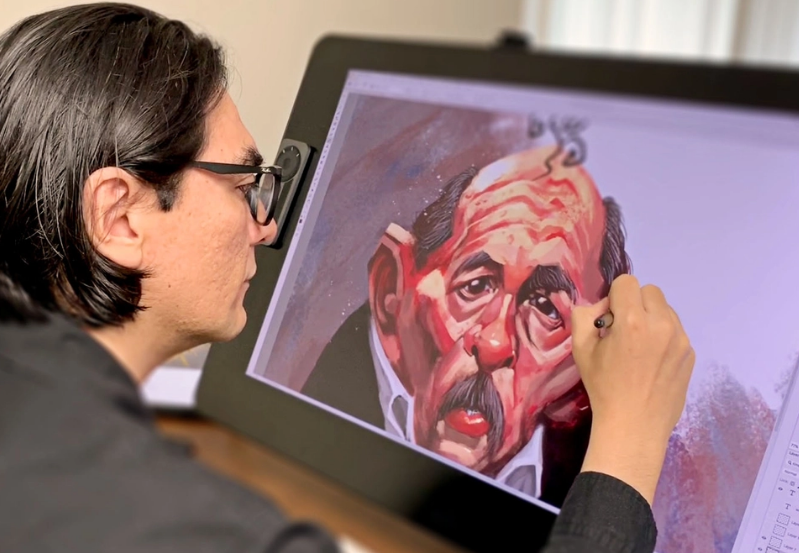
Craft Designer

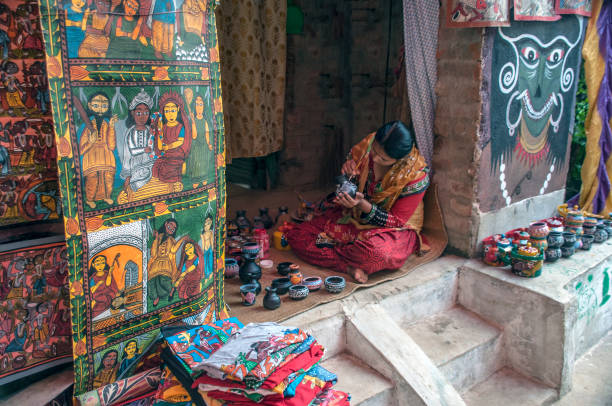
A Craft Designer is a creative professional who specializes in designing and creating handmade or artisanal products, blending traditional craftsmanship with contemporary aesthetics to produce functional and decorative items such as textiles, pottery, jewellery, or home decor. In India, craft design is a vibrant field deeply rooted in the countryโ€™s rich cultural heritage, supporting livelihoods and preserving traditional skills while adapting to modern markets. With origins in ancient artisanal practices and modern advancements like sustainable materials and digital design tools, this career is vital for sustaining cultural identity and promoting handmade goods. Craft Designers are essential for innovating traditional crafts, enhancing market appeal, and supporting rural economies. This career contributes to advancements through trends such as eco-friendly production, fusion designs, and global export of Indian crafts.
Share :
โœจ Radial Mind Map - Craft Designer
Nodes arranged in concentric circles

Loading radial mind map...

Overview

A Craft Designer is a creative professional who specializes in designing and creating handmade or artisanal products, blending traditional craftsmanship with contemporary aesthetics to produce functional and decorative items such as textiles, pottery, jewellery, or home decor. In India, craft design is a vibrant field deeply rooted in the countryโ€™s rich cultural heritage, supporting livelihoods and preserving traditional skills while adapting to modern markets. With origins in ancient artisanal practices and modern advancements like sustainable materials and digital design tools, this career is vital for sustaining cultural identity and promoting handmade goods. Craft Designers are essential for innovating traditional crafts, enhancing market appeal, and supporting rural economies. This career contributes to advancements through trends such as eco-friendly production, fusion designs, and global export of Indian crafts.

Craft Designers work in diverse settings such as independent studios, craft cooperatives, design firms, NGOs focused on artisan welfare, or as freelancers, often collaborating with artisans, retailers, and clients. Their roles include conceptualizing designs, selecting materials, crafting or overseeing production, and marketing products to domestic and international audiences. They face challenges like balancing tradition with modernity, accessing markets for handmade goods, and ensuring fair compensation for artisans in India. By leveraging expertise in design principles, cultural knowledge, and sustainable practices, they create unique craft pieces that preserve heritage while meeting contemporary demands. As key contributors to Indiaโ€™s craft ecosystem, they drive progress through trends like upcycled materials, digital marketplaces, and cross-cultural design collaborations.


Roles and Responsibilities

๐Ÿ’ผ
Craft Designer
Roles and Responsibilities
Concept Development and Design
Create original designs for craft products, incorporating traditional techniques and modern trends.
Sketch and prototype concepts using both manual and digital tools to visualize final products.
Material Selection and Sourcing
Choose sustainable and locally sourced materials like natural fibers, clay, or recycled items for authenticity and eco-friendliness.
Test materials for durability, texture, and suitability for specific craft techniques.
Craft Production and Artisan Collaboration
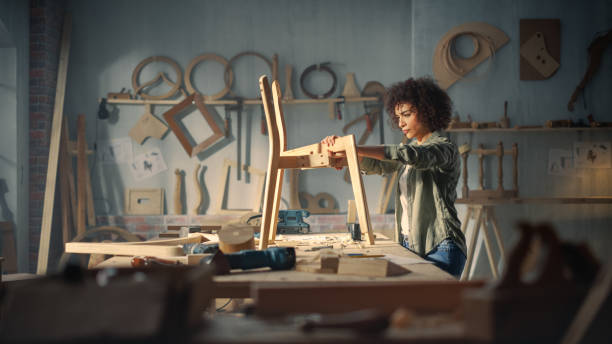
Craft items using traditional methods like weaving, carving, or embroidery, often working hands-on or guiding artisans.
Collaborate with rural or tribal artisans to ensure designs respect cultural significance and skills.
Product Innovation and Adaptation
Adapt traditional crafts for modern uses, such as creating contemporary home decor from heritage textiles.
Innovate by blending multiple craft forms or integrating global design influences for wider appeal.
Market Research and Trend Analysis
Study consumer preferences, global craft trends, and cultural shifts to design marketable products.
Identify niche markets for unique handmade goods, both locally and internationally.
Marketing and Branding
Promote craft products through exhibitions, online platforms, and social media to reach broader audiences.
Build a brand identity that highlights the story, tradition, and sustainability behind each piece.
Sustainability and Ethical Practices
Focus on eco-friendly production methods and fair trade practices to support artisan communities.
Educate consumers about the value of handmade, sustainable crafts over mass-produced items.
Training and Community Development
Conduct workshops to train artisans in modern design techniques or business skills for better market access.
Work with NGOs or government schemes to uplift craft communities and preserve dying art forms.

Roles and Responsibilities

  • Concept Development and Design
    • Create original designs for craft products, incorporating traditional techniques and modern trends.
    • Sketch and prototype concepts using both manual and digital tools to visualize final products.
  • Material Selection and Sourcing
    • Choose sustainable and locally sourced materials like natural fibers, clay, or recycled items for authenticity and eco-friendliness.
    • Test materials for durability, texture, and suitability for specific craft techniques.
  • Craft Production and Artisan Collaboration
    • Craft items using traditional methods like weaving, carving, or embroidery, often working hands-on or guiding artisans.
    • Collaborate with rural or tribal artisans to ensure designs respect cultural significance and skills.
  • Product Innovation and Adaptation
    • Adapt traditional crafts for modern uses, such as creating contemporary home decor from heritage textiles.
    • Innovate by blending multiple craft forms or integrating global design influences for wider appeal.
  • Market Research and Trend Analysis
    • Study consumer preferences, global craft trends, and cultural shifts to design marketable products.
    • Identify niche markets for unique handmade goods, both locally and internationally.
  • Marketing and Branding
    • Promote craft products through exhibitions, online platforms, and social media to reach broader audiences.
    • Build a brand identity that highlights the story, tradition, and sustainability behind each piece.
  • Sustainability and Ethical Practices
    • Focus on eco-friendly production methods and fair trade practices to support artisan communities.
    • Educate consumers about the value of handmade, sustainable crafts over mass-produced items.
  • Training and Community Development
    • Conduct workshops to train artisans in modern design techniques or business skills for better market access.
    • Work with NGOs or government schemes to uplift craft communities and preserve dying art forms.

ย 

Study Route & Eligibility Criteria

Study Route & Eligibility Criteria
Craft Designer
Bachelorโ€™s in Design/Related Field - Direct Entry
๐ŸŽ“
1
Complete 10+2 in any stream with minimum 50% marks
๐Ÿ›๏ธ
2
Pursue Bachelorโ€™s in Craft Design, Industrial Design, or Fine Arts
3-4 years
๐Ÿ’ผ
3
Join craft studios, NGOs, or firms after internships
๐Ÿ’ผ
4
Gain experience through entry-level design roles
Diploma to Degree Pathway
๐ŸŽ“
1
Complete 10+2 and enroll in a 1-2 year Diploma in Craft Design, Textile Design, or Applied Arts
๐Ÿ›๏ธ
2
Gain lateral entry into degree programs or start working
๐Ÿ’ผ
3
Build skills through practical projects or apprenticeships
๐Ÿ’ผ
4
Join cooperatives or pursue advanced certifications for growth
Masterโ€™s Specialization (M.Des/MFA)
๐Ÿ›๏ธ
1
Complete Bachelorโ€™s in Design, Fine Arts, or related field
๐ŸŽ“
2
Pursue Master of Design or Master of Fine Arts in Craft Design or Textile Design via entrance exams like CEED
๐ŸŽ“
3
Gain advanced skills through postgraduate projects or internships
๐Ÿ’ผ
4
Join senior roles in design firms or start own craft studio
International Education Path
๐ŸŽ“
1
Complete 10+2 and clear relevant entrance exams or language tests
๐Ÿ›๏ธ
2
Pursue craft design or applied arts degree from international universities
๐Ÿ’ผ
3
Gain global exposure through internships abroad
๐Ÿ’ผ
4
Return to India or work internationally with design firms or brands
Short-Term Courses and Practical Entry
๐ŸŽ“
1
Complete 10+2 or basic education in any stream
๐Ÿ“š
2
Enroll in short-term certificate courses in Craft Design or Specific Crafts
3-6 months
๐Ÿ’ผ
3
Work as apprentices under established artisans for hands-on learning
๐Ÿ’ผ
4
Build portfolio and network to establish roles in studios or freelance work
๐ŸŽฏ Craft Designer - Professional

Significant Observations (Academic Related Points)

๐Ÿ’ก
Craft Designer
Academic Related Points
1
Eligibility Criteria:
10+2 in any stream is generally required for undergraduate or diploma programs; an artistic or creative background is advantageous.
2
Competitive Examinations:
Entrance exams like NIFT, NID, or CEED are required for design programs in premier institutes in India.
3
Practical Skills:
Hands-on training in specific crafts and real-world project experience are critical for success.
4
Physical Standards:
Not typically mandatory, though some crafts may require manual dexterity and stamina for repetitive tasks.
5
Technical Knowledge:
Familiarity with design software and traditional craft techniques is essential for modern roles.
6
Continuous Training:
Workshops on new craft trends or sustainable practices are crucial for staying relevant.
7
Field Readiness:
Exposure to artisan communities and market dynamics builds practical competence.
8
Strategic Awareness:
Understanding cultural significance and consumer trends aids in creating marketable designs.
9
Creative and Technical Balance:
Combining artistic creativity with technical knowledge of materials is key to effective craft design.
10
Ethical Commitment:
Adherence to fair trade and sustainability builds professional credibility.
11
Teamwork Ability:
Collaboration with artisans, NGOs, and retailers is crucial for project success.

Internships & Practical Exposure

๐Ÿ’ผ
Craft Designer
Internships & Practical Experience
1
Exposure through internships at craft studios or cooperatives for hands-on design and production experience.
2
Training workshops on traditional crafts like block printing, pottery, or weaving with master artisans.
3
Participation in real projects for practical skills in creating marketable craft products.
4
Observerships at NGOs or government craft initiatives to understand artisan welfare and market access.
5
Involvement in craft fairs or exhibitions for showcasing designs and gaining market feedback.
6
Exposure to digital tools for design and e-commerce during internships with modern craft brands.
7
Workshops on sustainable craft practices and upcycling for modern expertise.
8
Volunteer roles in community craft projects to build initial experience and portfolios.
9
Collaborative projects with retailers or exporters for networking and business insights.

Courses & Specializations to Enter the Field

๐Ÿ“š
Craft Designer
Courses & Specializations
๐Ÿ“–
Bachelor of Design (B.Des) in Craft Design or Textile Design for foundational training.
๐Ÿ“–
Master of Design (M.Des) in Craft and Textile Design for advanced creative and business skills.
๐Ÿ“–
Bachelor of Fine Arts (BFA) with electives in Applied Arts or Crafts for an artistic base.
๐Ÿ“–
Diploma in Craft Design, Handloom Technology, or Specific Crafts for entry-level practical roles.
๐Ÿ“–
Specialization in Textile Crafts, Ceramic Design, Jewelry Design, or Sustainable Craft Practices.
๐Ÿ“–
Short-term courses on Traditional Indian Crafts, Upcycling, and Digital Craft Marketing.
๐Ÿ“–
Training in Eco-Friendly Craft Production and Fair Trade Practices for sustainability-focused expertise.
๐Ÿ“–
Certifications in Design Software (e.g., Adobe Suite) and Craft Business Management for professional credibility.

Prominent Employers

๐Ÿข
Craft Designer
๐ŸŒŸ Top Companies & Organizations
๐Ÿ‡ฎ๐Ÿ‡ณ India
๐ŸŒ International

Advice for Aspiring Craft Designers

๐Ÿ’ก
Craft Designer
๐ŸŒŸ Tips for Students & Parents
1
Build a strong foundation in art, design, and cultural studies for academic success.
2
Pursue internships or apprenticeships early to gain hands-on craft experience with artisans.
3
Create a diverse portfolio showcasing craft designs, techniques, and cultural stories.
4
Stay updated on craft industry trends like sustainability or digital sales through workshops.
5
Develop proficiency in design software and traditional crafting skills for a competitive edge.
6
Join reputed institutes like NID or NIFT for quality education and industry connections.
7
Work on resilience to handle slow market growth and physical crafting demands effectively.
8
Explore freelance or small-scale craft projects to build experience if firm roles are delayed.
9
Network with artisans and attend craft fairs to stay inspired and informed.
10
Cultivate adaptability to work across diverse crafts like textiles, ceramics, or jewelry.
11
Focus on societal impact by delivering designs that preserve culture and empower artisan communities.
๐ŸŽ“ Final Message
A career in Craft Design offers a unique opportunity to shape cultural and sustainable narratives by mastering creativity and craftsmanship, fostering innovation through authentic handmade solutions, and empowering communities with every design crafted. Craft Designers are the visionaries of Indiaโ€™s heritage landscape, using their expertise and passion to ensure captivating craft creations across diverse contexts. This profession blends artistic expression with cultural preservation, providing pathways in textile crafts, ceramic design, sustainable practices, and bespoke products. For those passionate about transforming traditions into art, driven by a desire to create through heritage, and eager to embrace the evolving landscape of craft markets, a career as a Craft Designer is a deeply rewarding journey. It empowers individuals to address cultural and economic needs, enhance artisanal livelihoods, and advance societal appreciation through the transformative power of handmade design.
Knowledge & Skills You Will Learn
1
Creative expertise in designing original craft products with cultural relevance
2
Technical skills for traditional crafting techniques like weaving, carving, or pottery
3
Material knowledge to select and source authentic, sustainable resources
4
Project management to oversee design-to-production timelines and artisan coordination
5
Communication proficiency for client consultations and artisan training
6
Attention to detail for ensuring precision in intricate craft designs
7
Adaptability to incorporate evolving trends like sustainability or digital marketing
8
Problem-solving to address production challenges or market access issues
9
Teamwork for collaborating with artisans, NGOs, and retailers
10
Technological aptitude for using design software and online platforms for marketing
Craft Designer (Early-Mid Level)

Craft Designer (Early-Mid Level)

Early-to-mid-level designers who manage specific craft projects, create original designs, and oversee small-scale production. They supervise...

0.0LPA
Senior Craft Designer (Mid-Level)

Senior Craft Designer (Mid-Level)

Mid-level professionals who lead complex craft projects, mentor juniors, and handle high-value or export commissions. They balance tradition with...

0.0LPA

Craft Studio Manager (Senior Level)

Craft Studio Manager (Senior Level)

Senior professionals who oversee multiple craft projects, manage teams, and ensure client satisfaction in studios or cooperatives. They handle...

0.0LPA

Interested in this career?

Take the next step and explore more about Craft Designer.