
Construction Engineer

Construction Engineering is a dynamic and integral field within engineering that focuses on the planning, design, management, and execution of construction projects, such as buildings, bridges, roads, and dams, leveraging advanced technology and engineering principles to transform blueprints into tangible infrastructure. In India, Construction Engineering is a pivotal career path, fueled by rapid urbanization, massive infrastructure initiatives, and the demand for sustainable and resilient structures. With advancements in construction management software, green building techniques, and modular construction methods, this career plays a central role in shaping the built environment and driving economic growth. Construction Engineers are essential for ensuring projects are completed on time, within budget, and to the highest safety and quality standards. This profession contributes to industry progress through trends like Building Information Modeling (BIM), smart construction technologies, and eco-friendly materials.

Share :
Career tree mind map (horizontal) — Construction Engineer
Colored branches, hub circles, and underlined topics — same style as counselor course classic (types 18–19 in admin).
Loading mind map…

Construction Engineers work in diverse environments such as construction sites, project offices, government agencies, or consulting firms, often collaborating with architects, structural engineers, contractors, and project stakeholders. Their responsibilities include overseeing construction processes, solving on-site technical challenges, and ensuring compliance with design specifications and regulations. They face challenges like addressing India’s complex logistical constraints, managing labor-intensive projects, and adapting to diverse climatic and geological conditions under tight schedules. By applying expertise in structural design, project management, and construction technology, they bring architectural visions to life. As vital contributors to India’s infrastructure and technology sectors, they drive advancements through trends like prefabrication, automated construction equipment, and sustainable building practices.

  • Project Planning and Design Coordination
    • Collaborate with architects and designers to interpret blueprints and develop feasible construction plans.
    • Ensure designs are practical, cost-effective, and compliant with safety and regulatory standards.
  • Construction Site Management
    • Supervise on-site activities, ensuring construction aligns with project timelines, budgets, and quality benchmarks.
    • Coordinate labor, equipment, and material resources to maintain workflow efficiency.
  • Technical Problem Solving
    • Address structural or logistical issues during construction, providing engineering solutions to unforeseen challenges.
    • Modify plans or methods to adapt to site-specific conditions or client requirements.
  • Safety and Compliance Oversight
    • Implement safety protocols to protect workers and ensure adherence to occupational health and safety regulations.
    • Ensure compliance with local building codes, environmental laws, and project specifications.
  • Cost Estimation and Budget Management
    • Prepare detailed cost estimates for materials, labor, and equipment to support project budgeting.
    • Monitor expenditures and implement cost-saving measures without compromising quality.
  • Quality Control and Assurance
    • Conduct inspections and tests to verify the quality of materials and construction work.
    • Ensure finished structures meet design standards and client expectations.
  • Stakeholder Communication and Reporting
    • Act as a liaison between clients, contractors, and project teams to provide updates and resolve conflicts.
    • Prepare progress reports, technical documentation, and final project evaluations for stakeholders.
  • Innovation and Sustainability Integration
    • Incorporate sustainable construction practices, such as energy-efficient designs and recycled materials.
    • Adopt new technologies like BIM or drones for enhanced project monitoring and efficiency.

RouteSteps
Route 1: Bachelor’s in Construction or Civil Engineering - Direct Entry

1. Complete 10+2 in Science stream (Physics, Chemistry, Mathematics) with minimum 60% marks.

2. Pursue B.Tech/B.E. in Civil or Construction Engineering (4 years) via entrance exams.

3. Gain experience in construction firms or infrastructure projects through entry roles.

4. Progress to Construction Engineer with skills or higher studies.

Route 2: Bachelor’s to Master’s Pathway

1. Complete 10+2 and enroll in B.Tech/B.E. in Civil or Construction Engineering.

2. Pursue M.Tech/M.E. in Construction Engineering or Management via entrance exams.

3. Build expertise through advanced projects or research.

4. Join specialized roles in construction management or design with advanced qualifications.

Route 3: Master’s to Ph.D. Specialization

1. Complete Bachelor’s and Master’s in Construction or Civil Engineering.

2. Pursue Ph.D. in Construction Engineering via entrance exams like UGC-NET or GATE.

3. Conduct research on construction technologies or sustainable practices.

4. Join senior roles in academia, R&D, or leading organizations.

Route 4: International Education Path

1. Complete 10+2 and clear relevant entrance exams or language tests (e.g., IELTS, TOEFL).

2. Pursue degrees in Construction Engineering from international universities (e.g., USA, UK).

3. Gain global exposure through international projects or internships.

4. Return to India or work internationally in construction engineering roles.

Route 5: Diploma to Degree Pathway

1. Complete 10th standard and enroll in Diploma in Civil Engineering (3 years).

2. Transition to B.Tech/B.E. via lateral entry programs.

3. Work in assistant roles for practical learning.

4. Build expertise and network to secure engineer positions with experience.

  • Bachelor of Technology (B.Tech) in Civil Engineering for foundational skills in infrastructure and construction.
  • Bachelor of Technology (B.Tech) in Construction Engineering for focused training in construction processes and management.
  • Master of Technology (M.Tech) in Construction Engineering and Management for advanced expertise in project execution and planning.
  • Master of Science (M.Sc.) in Construction Management for research-oriented skills in construction efficiency and innovation.
  • Ph.D. in Construction Engineering for cutting-edge research and leadership roles in construction technology.
  • Specialization in Construction Management, Structural Construction, Sustainable Building Design, or Infrastructure Development.
  • Short-term courses on Building Information Modeling (BIM), Construction Safety, and Project Scheduling.
  • Certifications in Project Management Professional (PMP), Construction Management (from NICMAR), and LEED (Green Building) for professional credibility.

InstituteCourse/ProgramOfficial Link
Indian Institute of Technology (IIT), BombayB.Tech/M.Tech in Civil Engineering with Construction Focushttps://www.iitb.ac.in/
Indian Institute of Technology (IIT), DelhiB.Tech/M.Tech in Civil Engineering with Construction Focushttps://www.iitd.ac.in/
Indian Institute of Technology (IIT), MadrasB.Tech/M.Tech in Civil Engineering with Construction Focushttps://www.iitm.ac.in/
Indian Institute of Technology (IIT), KharagpurB.Tech/M.Tech in Civil Engineering with Construction Focushttps://www.iitkgp.ac.in/
National Institute of Technology (NIT), TrichyB.Tech/M.Tech in Civil Engineering with Construction Focushttps://www.nitt.edu/
Anna University, ChennaiB.E./M.E. in Civil & Construction Engineeringhttps://www.annauniv.edu/
Vellore Institute of Technology (VIT), VelloreB.Tech in Civil Engineering with Construction Focushttps://www.vit.ac.in/
National Institute of Construction Management and Research (NICMAR), PunePGP in Advanced Construction Managementhttps://www.nicmar.ac.in/
Sardar Patel College of Engineering (SPCE), MumbaiB.E./M.E. in Civil Engineering with Construction Focushttps://www.spce.ac.in/
College of Engineering, Pune (COEP)B.Tech/M.Tech in Civil Engineering with Construction Focushttps://www.coep.org.in/

InstitutionCourseCountryOfficial Link
Massachusetts Institute of Technology (MIT), CambridgeB.S./M.S./Ph.D. in Civil Engineering & Construction FocusUSAhttps://www.mit.edu/
Stanford University, StanfordB.S./M.S./Ph.D. in Civil Engineering & Construction ManagementUSAhttps://www.stanford.edu/
University of California, BerkeleyB.S./M.S./Ph.D. in Civil Engineering & Construction StudiesUSAhttps://www.berkeley.edu/
University of Cambridge, CambridgeM.Eng./Ph.D. in Civil Engineering & Construction FocusUKhttps://www.cam.ac.uk/
Imperial College London, LondonM.Eng./Ph.D. in Civil Engineering & Construction ManagementUKhttps://www.imperial.ac.uk/
ETH Zurich, ZurichB.Sc./M.Sc./Ph.D. in Civil Engineering & Construction FocusSwitzerlandhttps://www.ethz.ch/
National University of Singapore (NUS), SingaporeB.Eng./M.Eng./Ph.D. in Civil Engineering & Construction FocusSingaporehttps://www.nus.edu.sg/
University of Melbourne, MelbourneB.Eng./M.Eng./Ph.D. in Civil Engineering & Construction StudiesAustraliahttps://www.unimelb.edu.au/
Technical University of Munich (TUM), MunichB.Sc./M.Sc./Ph.D. in Civil Engineering & Construction FocusGermanyhttps://www.tum.de/
University of Toronto, TorontoB.A.Sc./M.A.Sc./Ph.D. in Civil Engineering & Construction FocusCanadahttps://www.utoronto.ca/

India:

  • JEE Main (Joint Entrance Examination Main): Required for admission to B.Tech programs at NITs, IIITs, and other institutes (Written Test).
  • JEE Advanced: Required for admission to B.Tech programs at IITs after qualifying JEE Main (Written Test).
  • GATE (Graduate Aptitude Test in Engineering): Required for M.Tech admissions in Construction Engineering or related fields (Written Test).
  • BITSAT (Birla Institute of Technology and Science Admission Test): For admission to B.E. programs at BITS campuses (Written Test).
  • State-Level Entrance Exams (e.g., MHT-CET, KCET, AP EAMCET): For admission to state engineering colleges offering relevant programs (Written Test).

International (for Relevant Studies or Exposure):

  • IELTS (International English Language Testing System): Minimum score of 6.5-7.0 for non-native speakers applying to programs in the UK, Canada, Australia, etc.
  • TOEFL (Test of English as a Foreign Language): Minimum score of 90-100 for programs in English-speaking countries like the USA.
  • SAT (Scholastic Assessment Test): Often required for undergraduate programs in the USA or Canada (Written Test).
  • GRE (Graduate Record Examination): Often required for postgraduate programs in construction engineering at international universities (Quantitative, Verbal, Analytical Writing).
  • Interview/Portfolio: Some advanced programs may require interviews or project portfolios to assess technical fit and preparedness.

Construction Engineer → Senior Construction Engineer → Construction Project Manager → Director of Construction Engineering → Vice President of Construction Operations

  • Government Infrastructure Departments for managing public construction projects like roads and public buildings.
  • Private Construction Companies for executing residential, commercial, and industrial building projects.
  • Real Estate Developers for overseeing large-scale housing and commercial property developments.
  • Consulting Engineering Firms for providing technical expertise and project management services.
  • Public-Private Partnership (PPP) Projects for collaborating on major infrastructure initiatives.
  • Research and Academic Institutions for advancing construction technologies and educating future engineers.
  • Disaster Recovery Organizations for rebuilding infrastructure in areas affected by natural calamities.

Indian OrganizationsInternational Organizations
Larsen & Toubro (L&T), MumbaiBechtel Corporation, USA
Tata Projects, MumbaiVinci Construction, France
Hindustan Construction Company (HCC), MumbaiSkanska, Sweden
Gammon India, MumbaiAECOM, USA
Afcons Infrastructure, MumbaiFluor Corporation, USA
GMR Infrastructure, BangaloreTurner Construction Company, USA
Adani Enterprises (Infrastructure), AhmedabadBouygues Construction, France
Shapoorji Pallonji Group, MumbaiHochtief AG, Germany
National Highways Authority of India (NHAI), DelhiJacobs Engineering Group, USA
Central Public Works Department (CPWD), DelhiClark Construction Group, USA

ProsCons
High impact through shaping the physical landscape with tangible projectsHigh pressure due to tight deadlines and responsibility for large budgets
Opportunity to work on diverse, high-profile infrastructure developmentsLong hours during critical construction phases or project deadlines
Key role in building sustainable and safe environments for communitiesChallenges in managing labor disputes, supply chain delays, or weather issues
Growing demand in India’s rapid urbanization and infrastructure boomStress from ensuring safety and quality under complex site conditions
Potential for recognition through successful completion of landmark projectsRisk of physical strain during on-site supervision in demanding environments

Career Level (Private/Public Sector Example)India (₹ per annum)International (USD per annum, Tentative)
Construction Engineer (Entry to Mid-Level)3,00,000 - 6,50,00030,000 - 45,000
Senior Construction Engineer (Mid-Level)6,50,000 - 12,00,00045,000 - 70,000
Construction Project Manager (Senior Level)12,00,000 - 20,00,00070,000 - 100,000
Director of Construction Engineering (Top Tier)20,00,000 - 30,00,000100,000 - 130,000
Vice President of Construction Operations (Elite Level)30,00,000 - 50,00,000+130,000 - 180,000+
Site Engineer (Specialized Role)3,50,000 - 7,00,00035,000 - 50,000
Structural Construction Engineer (Specialized Role)4,00,000 - 8,50,00040,000 - 60,000
Construction Safety Engineer (Specialized Role)4,50,000 - 9,00,00040,000 - 60,000
Construction Cost Estimator (Specialized Role)4,00,000 - 8,00,00035,000 - 55,000

Note: Salaries are indicative and vary based on location (metro vs. non-metro for India; country/region for international roles), organization type, and project scale (e.g., residential vs. infrastructure). Figures for India are updated estimates based on industry trends as of 2025, reflecting market growth, demand for construction engineering expertise, and data from sources like Glassdoor and industry reports. International figures are approximate averages based on global construction engineering trends in countries like the USA, UK, or Australia, sourced from recent job portals and market analyses.

  • AutoCAD: For creating precise 2D and 3D designs of construction plans and structural components.
  • Revit: For Building Information Modeling (BIM) to enhance design collaboration and project visualization.
  • Primavera P6: For project scheduling, resource management, and tracking construction timelines.
  • MS Project: For planning and managing construction project schedules and budgets effectively.
  • Civil 3D (Autodesk): For integrating site design and construction documentation with civil engineering data.
  • STAAD.Pro: For structural analysis and design to ensure stability and safety of constructions.
  • SAP2000: For advanced structural analysis of complex building and infrastructure projects.
  • Procore: For construction management, enabling real-time collaboration and project tracking.
  • Navisworks: For clash detection and project review in BIM workflows to prevent construction errors.
  • PlanGrid: For digital blueprints and field collaboration to streamline on-site communication.

  • Indian Society of Structural Engineers (ISSE), India.
  • Builders Association of India (BAI), India.
  • Construction Industry Development Council (CIDC), India.
  • National Highways Authority of India (NHAI), India.
  • Central Public Works Department (CPWD), India.
  • American Society of Civil Engineers (ASCE), USA.
  • Institution of Civil Engineers (ICE), UK.
  • International Federation of Consulting Engineers (FIDIC), Global.
  • Construction Management Association of America (CMAA), USA.
  • Chartered Institute of Building (CIOB), UK.

  • Nitin Gadkari (India, Contemporary): Nitin Gadkari, Union Minister for Road Transport and Highways, has driven India’s infrastructure boom with projects like Bharatmala, advancing construction engineering. His vision transforms connectivity. His impact shapes national growth.
     
  • E. Sreedharan (India, Historical/Contemporary): E. Sreedharan, dubbed the "Metro Man," led the Delhi Metro project, revolutionizing urban construction engineering in India with precision and efficiency. His leadership redefined transit. His legacy inspires innovation.
     
  • Karan Adani (India, Contemporary): Karan Adani, CEO of Adani Ports, has influenced construction engineering through large-scale port and infrastructure projects across India. His strategies enhance trade. His efforts boost development.
     
  • PallonjiMistry (India, Historical/Contemporary): Pallonji Mistry, associated with Shapoorji Pallonji Group, oversaw iconic construction projects in India, shaping modern engineering landmarks. His contributions built skylines. His vision drives excellence.
     
  • Anil Kumar Gupta (India, Contemporary): Anil Kumar Gupta, a key figure in Indian Railways, has advanced construction engineering through rail infrastructure modernization in India. His work strengthens networks. His impact supports mobility.
     
  • Frank Lloyd Wright (USA, Historical): Frank Lloyd Wright, a legendary architect and engineer, influenced construction engineering with innovative designs like Fallingwater, blending structure with nature. His ideas inspire creativity. His legacy shapes aesthetics.
     
  • Gustave Eiffel (France, Historical): Gustave Eiffel, known for the Eiffel Tower, pioneered construction engineering with iconic iron structures, setting global benchmarks. His projects symbolize innovation. His work impacts history.
     
  • Isambard Kingdom Brunel (UK, Historical): Isambard Kingdom Brunel, a British engineer, revolutionized construction engineering with bridges and railways, including the Great Western Railway. His vision transformed transport. His contributions endure.
     
  • John Roebling (Germany/USA, Historical): John Roebling, designer of the Brooklyn Bridge, advanced construction engineering with suspension bridge innovations in the USA. His designs connect cities. His legacy defines engineering.
     
  • Zaha Hadid (Iraq/UK, Contemporary): Zaha Hadid, a renowned architect and engineer, reshaped construction engineering with futuristic, fluid designs like the Heydar Aliyev Center. Her creativity pushes boundaries. Her impact inspires modern construction.
     

  • Build a strong foundation in civil engineering, mathematics, and physics to excel in designing and executing construction projects.
  • Pursue early exposure through internships at construction firms, infrastructure projects, or consultancies to understand real-world dynamics.
  • Create a portfolio showcasing project designs, site management plans, or cost estimations to demonstrate your skills to potential employers.
  • Stay updated on BIM, sustainable building practices, and safety regulations through continuous learning and professional events.
  • Develop proficiency in construction management software, structural analysis tools, and on-site coordination for a competitive edge in the field.
  • Join reputed institutes like IITs or international programs for high-quality education and valuable industry connections.
  • Work on resilience to manage demanding site schedules, physical challenges, and high-stakes project responsibilities effectively.
  • Explore opportunities in smaller construction firms or local projects to gain hands-on experience if larger roles are initially out of reach.
  • Network with architects, contractors, and project managers at industry conferences to expand career opportunities.
  • Cultivate adaptability to handle diverse project types, technological advancements, and site-specific challenges with confidence.
  • Focus on societal impact by creating safe, sustainable structures that improve living standards and support economic progress.

A career in Construction Engineering provides an exceptional opportunity to craft the physical framework of progress by integrating technical expertise with hands-on leadership, turning visionary designs into enduring realities, and elevating communities with every structure raised. Construction Engineers stand as the dedicated builders of India’s evolving skyline, harnessing their analytical skills and practical ingenuity to manage the complexities of creating robust infrastructure. This field merges engineering precision with transformative potential, offering avenues in site management, structural execution, project oversight, and sustainable development. For those passionate about erecting the pillars of modern society through engineering prowess, motivated by the prospect of shaping environments where people live and thrive, and prepared to navigate the demanding realms of logistical challenges, safety imperatives, and technological evolution, a career as a Construction Engineer presents a truly consequential mission. It empowers individuals to address pressing infrastructural needs, enhance the built landscape, and contribute to societal advancement through the remarkable discipline of construction engineering.


Knowledge & Skills You Will Learn
1
Construction Design Proficiency for interpreting blueprints and ensuring structural feasibility during execution
2
Site Management Expertise to oversee on-site operations, coordinating labor, materials, and equipment efficiently
3
Structural Engineering Skills to address technical challenges related to load, stability, and material use in construction
4
Project Management Knowledge to plan, schedule, and monitor projects for timely and cost-effective completion
5
Safety Protocol Implementation to ensure worker safety and compliance with occupational health standards
6
Software Mastery for using tools like AutoCAD, Primavera P6, and Revit for design and project planning
7
Problem-Solving Capabilities to tackle unexpected site issues, design flaws, or logistical bottlenecks effectively
8
Cost Estimation Skills to prepare accurate budgets and control expenditures throughout the project lifecycle
9
Quality Control Focus to inspect materials and workmanship, ensuring adherence to design and regulatory standards
10
Adaptability to handle diverse project scopes, evolving technologies, and dynamic site conditions with confidence
Construction Engineer (Entry to Mid-Level)

Construction Engineer (Entry to Mid-Level)

Construction Engineers oversee site activities and technical aspects of building projects in cities like Bangalore and Delhi. They ensure project...

0.0LPA
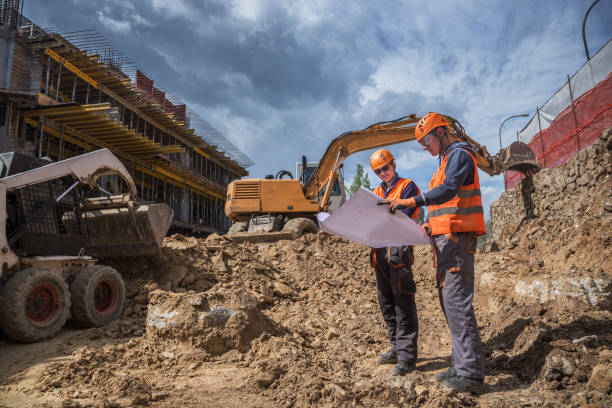
Senior Construction Engineer (Mid-Level)

Senior Construction Engineer (Mid-Level)

Senior Construction Engineers lead complex construction projects in hubs like Mumbai or Chennai, mentoring junior staff. They optimize workflows....

0.0LPA

Construction Project Manager (Senior Level)

Construction Project Manager (Senior Level)

Construction Project Managers oversee entire projects in metro cities like Hyderabad or Pune, managing budgets and teams. They ensure overall...

0.0LPA

Interested in this career?

Take the next step and explore more about Construction Engineer.