Arborist
Trainee
Explore CareerA Conservation Scientist, also known as a Natural Resource Scientist or Environmental Conservationist, is a professional who studies and manages natural resources to protect ecosystems, biodiversity, and sustainable land use. They work in government agencies, research institutions, non-profit organizations, and private sectors, collaborating with ecologists, policymakers, and community stakeholders. Conservation Scientists play a vital role in modern environmental management by addressing challenges such as climate change, habitat loss, and resource depletion in an era where sustainability is critical to global well-being.

A Conservation Scientist, also known as a Natural Resource Scientist or Environmental Conservationist, is a professional who studies and manages natural resources to protect ecosystems, biodiversity, and sustainable land use. They work in government agencies, research institutions, non-profit organizations, and private sectors, collaborating with ecologists, policymakers, and community stakeholders. Conservation Scientists play a vital role in modern environmental management by addressing challenges such as climate change, habitat loss, and resource depletion in an era where sustainability is critical to global well-being.
Conservation Scientists are research-oriented experts responsible for assessing and protecting natural environments, including forests, wetlands, and wildlife habitats, through scientific analysis and policy recommendations. Their role includes conducting field studies, monitoring environmental changes, developing conservation plans, and educating communities, often under diverse outdoor and office conditions. They combine scientific expertise with practical application, working to balance human needs with ecological preservation. As key contributors to environmental sustainability, they help mitigate the impact of human activity in a landscape increasingly focused on climate resilience and biodiversity protection.
Roles and Responsibilities
Study Route & Eligibility Criteria
| Route | Steps |
| Route 1 | 1. 10+2 with Physics, Chemistry, Biology (PCB) or Environmental Science 2. Bachelor’s degree in Environmental Science or Conservation Biology (3-4 years) 3. Internship or field training (3-6 months) 4. Practice as Junior Conservation Scientist |
| Route 2 | 1. 10+2 with PCB or Environmental Science 2. Bachelor’s degree in Environmental Science or Forestry (3-4 years) 3. Master’s degree in Conservation Science or related field (2 years) 4. Work as Conservation Scientist |
| Route 3 | 1. 10+2 with PCB or Environmental Science 2. Bachelor’s degree in Environmental Science or Biology (3-4 years) 3. Master’s degree in Conservation Biology (2 years) 4. Ph.D. in Conservation Science or Ecology (3-5 years) 5. Practice as Senior Researcher or Academic |
| Route 4 | 1. 10+2 with PCB or Environmental Science 2. Advanced international training or certification in Conservation Science (1-2 years) 3. Master’s or Ph.D. as per country requirements 4. Practice abroad or in India |
Significant Observations (Academic Related Points)
Internships & Practical Exposure
Courses & Specializations to Enter the Field
Top Institutes for Conservation Scientist Education (India)
| Institute | Course/Program | Official Link |
| Wildlife Institute of India (WII), Dehradun | M.Sc./Ph.D. in Wildlife Science | https://www.wii.gov.in/ |
| Indian Institute of Science (IISc), Bangalore | M.Sc./Ph.D. in Ecological Sciences | https://www.iisc.ac.in/ |
| Jawaharlal Nehru University (JNU), New Delhi | M.Sc./Ph.D. in Environmental Science | https://www.jnu.ac.in/ |
| Forest Research Institute (FRI), Dehradun | M.Sc./Ph.D. in Forestry/Environment | https://www.fri.icfre.gov.in/ |
| University of Delhi, Delhi | M.Sc./Ph.D. in Environmental Studies | https://www.du.ac.in/ |
| Banaras Hindu University (BHU), Varanasi | M.Sc./Ph.D. in Environmental Science | https://www.bhu.ac.in/ |
| University of Hyderabad, Hyderabad | M.Sc./Ph.D. in Environmental Science | https://www.uohyd.ac.in/ |
| Tata Institute of Social Sciences (TISS), Mumbai | M.A./M.Sc. in Climate and Sustainability | https://www.tiss.edu/ |
| TERI School of Advanced Studies, New Delhi | M.Sc./Ph.D. in Environmental Studies | https://www.terisas.ac.in/ |
| Amity University, Noida | M.Sc./Ph.D. in Environmental Science | https://www.amity.edu/ |
Top International Institutes
| Institution | Course | Country | Official Link |
| Yale University (School of the Environment) | Conservation and Environmental Programs | USA | https://www.yale.edu/ |
| Stanford University | Environmental Science Programs | USA | https://www.stanford.edu/ |
| University of Oxford | Biodiversity and Conservation Programs | UK | https://www.ox.ac.uk/ |
| University of Cambridge | Conservation Science Programs | UK | https://www.cam.ac.uk/ |
| Wageningen University & Research | Environmental and Conservation Programs | Netherlands | https://www.wur.nl/ |
| University of California, Berkeley | Environmental Science Programs | USA | https://www.berkeley.edu/ |
| Australian National University (ANU) | Conservation Biology Programs | Australia | https://www.anu.edu.au/ |
| University of British Columbia (UBC) | Natural Resource Conservation Programs | Canada | https://www.ubc.ca/ |
| ETH Zurich | Environmental Sciences Programs | Switzerland | https://www.ethz.ch/ |
| University of Copenhagen | Conservation and Ecology Programs | Denmark | https://www.ku.dk/ |
Entrance Tests RequiredIndia:
International:
Ideal Progressing Career Path
Trainee → Junior Conservation Scientist → Senior Conservation Scientist → Conservation Project Manager → Wildlife Ecologist → Policy Advisor → Conservation Director → Environmental Consultant
Major Areas of Employment
Prominent Employers
| India | International |
| Ministry of Environment, Forest and Climate Change, India | World Wildlife Fund (WWF), Global |
| Wildlife Institute of India (WII) | International Union for Conservation of Nature (IUCN), Switzerland |
| Indian Council of Forestry Research and Education (ICFRE) | United Nations Environment Programme (UNEP), Kenya |
| National Biodiversity Authority (NBA) | Conservation International, USA |
| Bombay Natural History Society (BNHS) | The Nature Conservancy, USA |
| Ashoka Trust for Research in Ecology and the Environment (ATREE) | Greenpeace International, Global |
| Centre for Science and Environment (CSE) | Wildlife Conservation Society (WCS), USA |
| TERI - The Energy and Resources Institute | Rainforest Foundation, Global |
| Wildlife Trust of India (WTI) | Fauna & Flora International, UK |
| Sanctuary Nature Foundation | Environmental Defense Fund (EDF), USA |
Pros and Cons of the Profession
| Pros | Cons |
| Opportunity to contribute to environmental sustainability and biodiversity | Physically demanding fieldwork with exposure to harsh conditions |
| High demand for conservation scientists due to global environmental challenges | Limited funding and resources for conservation projects |
| Rewarding impact on ecosystems and future generations | Risk of conflict with industries or communities over land use |
| Diverse career paths across research, policy, and advocacy | Limited public recognition compared to other scientific fields |
| Strong potential for growth with increasing focus on climate change | Dependency on government policies and fluctuating support |
Industry Trends and Future Outlook
Salary Expectations
| Career Level | India (₹ per annum) | International (USD per annum) |
| Trainee/Junior Conservation Scientist (Early Career) | 3,00,000 - 5,00,000 | 30,000 - 46,700 |
| Senior Conservation Scientist (Mid-Career) | 5,00,000 - 8,00,000 | 46,700 - 67,950 |
| Conservation Project Manager | 8,00,000 - 12,00,000 | 67,950 - 80,060 |
| Wildlife Ecologist/Policy Advisor | 12,00,000 - 16,00,000 | 80,060 - 88,966 |
| Conservation Director/Environmental Consultant | 16,00,000+ | 88,966+ |
| Note: Salaries may vary based on location, employer, experience, and specialization. |
Key Software Tools
Professional Organizations and Networks
Notable Conservation Scientists and Industry Leaders (Top 10)
Advice for Aspiring Conservation Scientists
A career as a Conservation Scientist offers a unique opportunity to contribute to environmental sustainability and biodiversity protection by managing and preserving natural resources for future generations. From restoring habitats to shaping environmental policies, Conservation Scientists play a pivotal role in modern ecological management and climate resilience. This field combines scientific rigor, field application, and a commitment to sustainability, offering diverse paths in research, policy, and community engagement. For those passionate about protecting ecosystems, adapting to global environmental challenges, and addressing critical sustainability needs in an era of rapid climate change, a career as a Conservation Scientist provides an intellectually stimulating and professionally rewarding journey with the potential to make significant contributions to society by enhancing the quality of natural environments and ecological balance worldwide.


Entry-level individuals undergo basic training in conservation research under supervision. They acquire practical skills through field and lab...
0.0LPA
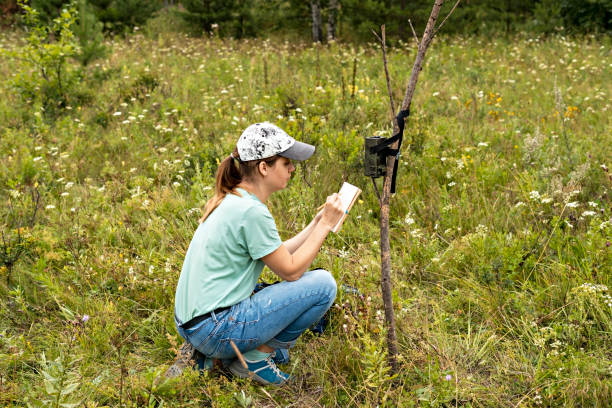
Early-career professionals conduct basic field studies with increasing autonomy. They hone skills in monitoring and reporting while ensuring data...
0.0LPA
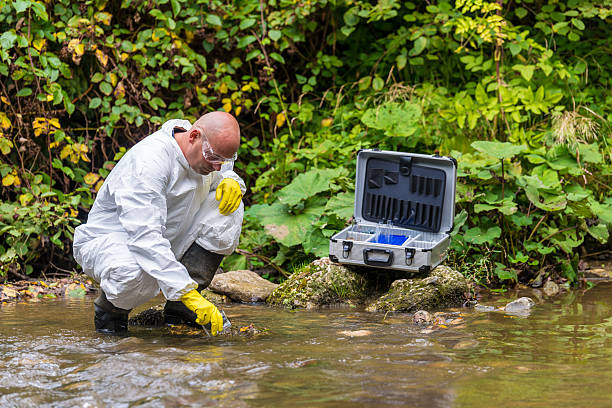
Experienced professionals manage complex conservation projects with high accuracy, using advanced tools. They offer technical expertise in habitat...
0.0LPA
Take the next step and explore more about Conservation Scientist.
Explore similar career paths that might interest you