Restoration Architect
Junior Restoration Architect
Explore CareerA Conservation Officer is a dedicated professional who works to protect and manage natural resources, wildlife, and ecosystems by enforcing environmental laws, educating the public, and implementing conservation programs. They work for government agencies, wildlife departments, non-profit organizations, or environmental consultancies, collaborating with scientists, policymakers, and local communities. Conservation Officers play a crucial role in preserving biodiversity and ensuring sustainable use of natural resources in a sector focused on environmental protection, climate resilience, and ecological balance.

A Conservation Officer is a dedicated professional who works to protect and manage natural resources, wildlife, and ecosystems by enforcing environmental laws, educating the public, and implementing conservation programs. They work for government agencies, wildlife departments, non-profit organizations, or environmental consultancies, collaborating with scientists, policymakers, and local communities. Conservation Officers play a crucial role in preserving biodiversity and ensuring sustainable use of natural resources in a sector focused on environmental protection, climate resilience, and ecological balance.
Conservation Officers are enforcement and education specialists responsible for safeguarding natural habitats, monitoring wildlife populations, and ensuring compliance with environmental regulations while promoting conservation awareness. Their role involves fieldwork, law enforcement, and community engagement, often working in forests, parks, or remote areas as well as in offices for planning and reporting. They combine knowledge of ecology, wildlife management, and legal frameworks to address challenges like poaching, habitat destruction, and climate change impacts. As key contributors to environmental stewardship, they help shape sustainable practices in an industry increasingly focused on biodiversity restoration, climate adaptation, and public involvement in conservation efforts.
Roles and Responsibilities
Study Route & Eligibility Criteria
| Route | Steps |
| Route 1 | 1. 10+2 in Science stream (preferably Biology or Environmental Science) 2. Bachelor’s degree in Wildlife Management, Environmental Science, or Forestry (3-4 years) 3. Internship or field training (3-6 months) 4. Practice as Junior Conservation Officer |
| Route 2 | 1. 10+2 in Science stream 2. Bachelor’s degree in Environmental Science or related field (3-4 years) 3. Master’s degree in Wildlife Conservation, Environmental Management, or Ecology (2 years) 4. Work as Conservation Officer |
| Route 3 | 1. 10+2 in Science stream 2. Bachelor’s degree in Wildlife Management or Environmental Science (3-4 years) 3. Master’s degree in Conservation Biology or Ecology (2 years) 4. Ph.D. in Wildlife Conservation or Environmental Science (3-5 years) 5. Practice as Senior Researcher or Academic |
| Route 4 | 1. 10+2 in Science stream 2. Advanced international training or certification in Wildlife Conservation (1-2 years) 3. Master’s or Ph.D. as per country requirements 4. Practice abroad or in India |
Significant Observations (Academic Related Points)
Internships & Practical Exposure
Courses & Specializations to Enter the Field
Top Institutes for Conservation Officer Education (India)
| Institute | Course/Program | Official Link |
| Wildlife Institute of India (WII), Dehradun | M.Sc. in Wildlife Science | https://www.wii.gov.in/ |
| Forest Research Institute (FRI), Dehradun | M.Sc. in Forestry | https://www.fri.res.in/ |
| Indian Institute of Forest Management (IIFM), Bhopal | Post Graduate Diploma in Forestry Management | https://www.iifm.ac.in/ |
| Jawaharlal Nehru University (JNU), New Delhi | M.Sc. in Environmental Sciences | https://www.jnu.ac.in/ |
| Tata Institute of Social Sciences (TISS), Mumbai | M.A. in Ecology, Environment & Sustainable Development | https://www.tiss.edu/ |
| University of Delhi, Delhi | M.Sc. in Environmental Studies | https://www.du.ac.in/ |
| Banaras Hindu University (BHU), Varanasi | M.Sc. in Environmental Science | https://www.bhu.ac.in/ |
| Amity Institute of Environmental Sciences, Noida | M.Sc. in Environmental Sciences | https://www.amity.edu/ |
| TERI School of Advanced Studies, New Delhi | M.Sc. in Environmental Studies & Resource Management | https://www.terisas.ac.in/ |
| Christ University, Bangalore | M.Sc. in Sustainable Development | https://www.christuniversity.in/ |
Top International Institutes
| Institution | Course | Country | Official Link |
| University of Oxford | MSc in Biodiversity, Conservation and Management | UK | https://www.ox.ac.uk/ |
| University of California, Berkeley | MS in Environmental Science, Policy, and Management | USA | https://www.berkeley.edu/ |
| Yale School of the Environment | Master of Environmental Management | USA | https://environment.yale.edu/ |
| Australian National University (ANU) | Master of Environmental Management and Development | Australia | https://www.anu.edu.au/ |
| University of British Columbia (UBC) | MSc in Forestry and Conservation | Canada | https://www.ubc.ca/ |
| Wageningen University & Research | MSc in Environmental Sciences | Netherlands | https://www.wur.nl/ |
| University of Cape Town | MSc in Conservation Biology | South Africa | https://www.uct.ac.za/ |
| National University of Singapore (NUS) | MSc in Environmental Management | Singapore | https://www.nus.edu.sg/ |
| University of Copenhagen | MSc in Nature Management | Denmark | https://www.ku.dk/ |
| Stockholm University | MSc in Environmental Science | Sweden | https://www.su.se/ |
Entrance Tests Required
India:
International:
Ideal Progressing Career Path
Junior Conservation Officer → Senior Conservation Officer → Conservation Project Coordinator → Wildlife Program Manager → Regional Conservation Director → Policy Advisor → Academician/Professor → Conservation Consultant
Major Areas of Employment
Prominent Employers
| India | International |
| Ministry of Environment, Forest and Climate Change, India | World Wildlife Fund (WWF), Switzerland |
| Wildlife Institute of India (WII), Dehradun | International Union for Conservation of Nature (IUCN), Switzerland |
| Forest Survey of India (FSI), Dehradun | United Nations Environment Programme (UNEP), Kenya |
| National Tiger Conservation Authority (NTCA), New Delhi | Conservation International, USA |
| Bombay Natural History Society (BNHS), Mumbai | The Nature Conservancy, USA |
| Wildlife Trust of India (WTI), Noida | Wildlife Conservation Society (WCS), USA |
| Indian Forest Service (IFS), Government of India | Greenpeace International, Netherlands |
| State Forest Departments (e.g., Karnataka, Assam) | African Wildlife Foundation (AWF), Kenya |
| Ashoka Trust for Research in Ecology and the Environment (ATREE), Bangalore | Fauna & Flora International, UK |
| Centre for Wildlife Studies (CWS), Bangalore | BirdLife International, UK |
Pros and Cons of the Profession
| Pros | Cons |
| Opportunity to contribute to environmental protection and biodiversity preservation | High pressure to balance human-wildlife conflicts and enforce regulations under challenging conditions |
| High demand for conservation experts due to increasing environmental threats and climate change | Requires continuous learning to keep up with evolving ecological challenges and legal frameworks |
| Rewarding impact on society through safeguarding ecosystems for future generations | Fieldwork can be physically demanding and involve risks in remote or hazardous environments |
| Diverse career paths across government, non-profits, and international organizations | Risk of burnout due to emotional toll of dealing with wildlife loss or habitat destruction |
| Strong potential for growth with increasing focus on sustainability and global conservation goals | Limited resources or funding can hinder effective implementation of conservation programs |
Industry Trends and Future Outlook
Salary Expectations
| Career Level | India (₹ per annum) | International (USD per annum) |
| Junior Conservation Officer (Early Career) | 3,00,000 - 5,00,000 | 30,000 - 45,000 |
| Senior Conservation Officer (Mid-Career) | 5,00,000 - 8,00,000 | 45,000 - 60,000 |
| Conservation Project Coordinator | 8,00,000 - 12,00,000 | 60,000 - 80,000 |
| Wildlife Program Manager/Regional Director | 12,00,000 - 18,00,000 | 80,000 - 110,000 |
| Academician/Professor/Conservation Consultant | 18,00,000+ | 110,000+ |
| Note: Salaries may vary based on location, employer, experience, and specialization. |
Key Software Tools
Professional Organizations and Networks
Notable Conservation Officers and Industry Leaders
Advice for Aspiring Conservation Officers
A career as a Conservation Officer offers a unique opportunity to contribute to environmental sustainability and biodiversity by protecting critical ecosystems and addressing pressing ecological challenges. From enforcing wildlife laws to educating communities, Conservation Officers play a pivotal role in modern environmental stewardship. This field combines scientific expertise, enforcement skills, and a commitment to societal well-being, offering diverse paths in government, non-profits, and international conservation. For those passionate about shaping environmental trends, adapting to global ecological challenges, and addressing critical sustainability needs in an era of climate urgency, a career as a Conservation Officer provides an intellectually stimulating and professionally rewarding journey with the potential to make significant contributions to society by enhancing the health of ecosystems and industry standards worldwide.

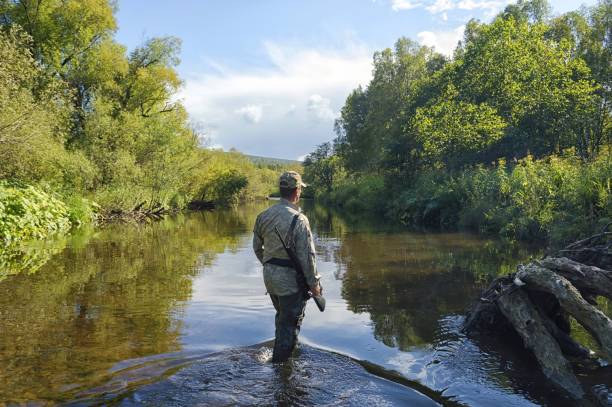
Early-career professionals handle basic enforcement and monitoring tasks with increasing autonomy. They hone skills in wildlife protection and...
0.0LPA

Experienced professionals manage complex conservation duties with high accuracy, using advanced methodologies. They offer technical expertise in...
0.0LPA

Specialists oversee specific conservation projects with exceptional competence. They integrate deep ecological knowledge with expertise in...
0.0LPA
Take the next step and explore more about Conservation Officer.
Explore similar career paths that might interest you