Citriculturist
Aspiring
Explore CareerA Chronobiologist is a specialized scientist who studies biological rhythms and timing mechanisms in living organisms, including humans, animals, plants, and microorganisms. They work within research institutions, universities, medical centers, pharmaceutical companies, and sleep disorder clinics. Chronobiologists investigate how internal biological clocks regulate physiological processes, behavior, and adaptation to environmental cycles, particularly the 24-hour day-night cycle. Combining expertise in biology, physiology, neuroscience, genetics, and behavioral science, they play a crucial role in advancing our understanding of temporal organization in biological systems in a world where circadian rhythm disruptions from shift work, jet lag, artificial lighting, and digital device use are increasingly linked to numerous health disorders, affecting millions of people across all age groups and requiring specialized scientific investigation for proper understanding and development of interventions.
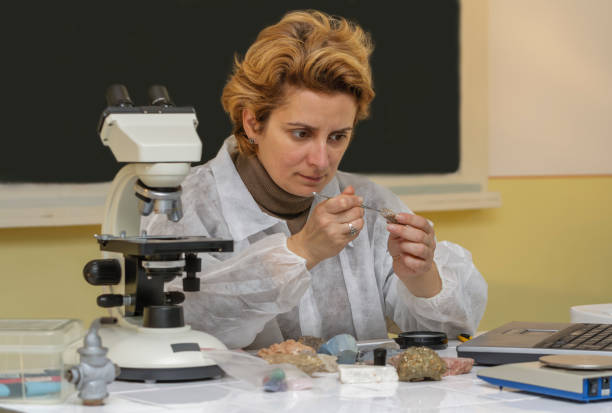
A Chronobiologist is a specialized scientist who studies biological rhythms and timing mechanisms in living organisms, including humans, animals, plants, and microorganisms. They work within research institutions, universities, medical centers, pharmaceutical companies, and sleep disorder clinics. Chronobiologists investigate how internal biological clocks regulate physiological processes, behavior, and adaptation to environmental cycles, particularly the 24-hour day-night cycle. Combining expertise in biology, physiology, neuroscience, genetics, and behavioral science, they play a crucial role in advancing our understanding of temporal organization in biological systems in a world where circadian rhythm disruptions from shift work, jet lag, artificial lighting, and digital device use are increasingly linked to numerous health disorders, affecting millions of people across all age groups and requiring specialized scientific investigation for proper understanding and development of interventions.
Chronobiologists are scientific specialists who focus on investigating biological rhythms and timing mechanisms within living organisms. Their work involves:
They often operate in laboratory settings, balancing experimental research with data analysis and interdisciplinary collaboration. Chronobiologists are essential to scientific advancement, serving as experts in temporal biology, providing insights into sleep disorders, metabolic conditions, and mental health issues related to circadian disruption, investigating mechanisms underlying jet lag and shift work disorder, and improving human health through evidence-based interventions and ongoing research in a scientific landscape where understanding of biological timing continues to increase in relevance and complexity for medicine, agriculture, and ecological studies.
Roles and Responsibilities
Study Route & Eligibility Criteria
| Route | Steps |
|---|---|
| Route 1 | 1. 10+2 with Physics, Chemistry, Biology (PCB) |
| 2. BSc in Biology, Physiology, or Neuroscience (3 years) | |
| 3. MSc in Chronobiology, Neuroscience, or Physiology (2 years) | |
| 4. PhD in Chronobiology or related field (4-6 years) | |
| 5. Postdoctoral research in specialized chronobiology laboratory | |
| Route 2 | 1. 10+2 with Physics, Chemistry, Biology (PCB) |
| 2. BSc in Biochemistry or Molecular Biology (3 years) | |
| 3. MSc in Genetics or Molecular Biology (2 years) | |
| 4. PhD focusing on clock genes and molecular chronobiology (4-6 years) | |
| 5. Specialized training in chronobiology research methods | |
| Route 3 | 1. 10+2 with Physics, Chemistry, Biology (PCB) |
| 2. MBBS degree (5.5 years including internship) | |
| 3. MD in Physiology or related field (3 years) | |
| 4. Research fellowship in Sleep Medicine or Chronobiology (2-3 years) | |
| 5. Advanced research training in clinical chronobiology | |
| Route 4 | 1. 10+2 with Physics, Chemistry, Mathematics (PCM) |
| 2. BTech/BE in Biomedical Engineering or Biotechnology (4 years) | |
| 3. MTech/ME in Biomedical Engineering (2 years) | |
| 4. PhD in Biomedical Sciences with focus on biological rhythm technology (4-5 years) | |
| 5. Specialized training in chronobiology instrumentation and analysis |
Significant Observations
Internships & Practical Exposure
Courses & Specializations to Enter the Field
Top Institutes for Chronobiologist Education (India)
| Institute | Course/Program | Official Link |
|---|---|---|
| Jawaharlal Nehru University, New Delhi | PhD in Life Sciences with Chronobiology focus | https://www.jnu.ac.in/ |
| All India Institute of Medical Sciences (AIIMS), New Delhi | MD in Physiology with Chronobiology research | https://www.aiims.edu/ |
| Tata Institute of Fundamental Research, Mumbai | PhD in Biology with Chronobiology specialization | https://www.tifr.res.in/ |
| Indian Institute of Science, Bangalore | PhD in Neuroscience with Biological Rhythm focus | https://www.iisc.ac.in/ |
| National Brain Research Centre, Manesar | PhD in Neuroscience with Chronobiology emphasis | http://www.nbrc.ac.in/ |
| University of Delhi | MSc and PhD in Physiology with Chronobiology research | http://www.du.ac.in/ |
| Centre for Cellular and Molecular Biology, Hyderabad | PhD in Molecular Chronobiology | https://www.ccmb.res.in/ |
| Banaras Hindu University | PhD in Zoology with Chronobiology specialization | https://www.bhu.ac.in/ |
| National Institute of Mental Health and Neurosciences | PhD in Neuroscience with Sleep Research focus | https://nimhans.ac.in/ |
| Indian Institute of Technology Madras | PhD in Biotechnology with Chronobiology research | https://www.iitm.ac.in/ |
Top International Institutes
| Institution | Course | Country | Official Link |
|---|---|---|---|
| University of California, San Diego | PhD in Biology (Chronobiology) | USA | https://ucsd.edu/ |
| Ludwig Maximilian University of Munich | MSc and PhD in Chronobiology | Germany | https://www.en.uni-muenchen.de/ |
| University of Surrey | MSc in Sleep Medicine | UK | https://www.surrey.ac.uk/ |
| Harvard Medical School | PhD in Neuroscience (Circadian Biology) | USA | https://hms.harvard.edu/ |
| University of Groningen | MSc in Behavioral and Cognitive Neurosciences | Netherlands | https://www.rug.nl/ |
| University of Oxford | DPhil in Physiology, Anatomy and Genetics | UK | https://www.ox.ac.uk/ |
| University of Zurich | PhD in Neuroscience (Chronobiology) | Switzerland | https://www.uzh.ch/en.html |
| McGill University | PhD in Neuroscience (Biological Rhythms) | Canada | https://www.mcgill.ca/ |
| Kyoto University | PhD in Biological Sciences (Chronobiology) | Japan | https://www.kyoto-u.ac.jp/en |
| University of Edinburgh | PhD in Sleep and Circadian Neuroscience | UK | https://www.ed.ac.uk/ |
Entrance Tests Required
India:
International:
Ideal Progressing Career Path
Undergraduate Student → Research Assistant → Graduate Student → PhD Candidate → Postdoctoral Researcher → Junior Scientist/Assistant Professor → Associate Scientist/Associate Professor → Senior Scientist/Professor → Research Director/Department Chair
Major Areas of Employment
Prominent Employers
| India | International |
|---|---|
| Tata Institute of Fundamental Research | University of California System, USA |
| All India Institute of Medical Sciences | Max Planck Institutes, Germany |
| Indian Institute of Science | National Institutes of Health, USA |
| National Brain Research Centre | Harvard University, USA |
| Centre for Cellular and Molecular Biology | University of Oxford, UK |
| Jawaharlal Nehru University | Stanford University, USA |
| National Institute of Mental Health and Neurosciences | University of Cambridge, UK |
| Indian Institute of Technology System | Karolinska Institutet, Sweden |
| Bhabha Atomic Research Centre | University of Tokyo, Japan |
| Council of Scientific and Industrial Research Laboratories | ETH Zurich, Switzerland |
Pros and Cons of the Profession
| Pros | Cons |
|---|---|
| Intellectually stimulating field at the frontier of biological science | Limited direct career paths compared to more established scientific fields |
| Opportunity to make significant contributions to fundamental knowledge | Extended training period requiring 8-12 years after high school |
| Growing relevance to human health, performance, and disease treatment | Competitive funding environment for research |
| Diverse research applications across multiple biological systems | Often requires frequent publication to maintain career progression |
| Interdisciplinary nature allowing collaboration across scientific fields | Limited public understanding of the field's importance |
Industry Trends and Future Outlook
Salary Expectations
| Career Level | India (₹ per annum) | International (US$ per annum) |
|---|---|---|
| Research Assistant | 3,00,000 - 5,00,000 | $30,000 - $45,000 |
| PhD Student | 4,00,000 - 6,00,000 | $25,000 - $35,000 |
| Postdoctoral Researcher | 6,00,000 - 10,00,000 | $45,000 - $65,000 |
| Assistant Professor/Scientist | 8,00,000 - 15,00,000 | $70,000 - $90,000 |
| Associate Professor/Scientist | 12,00,000 - 20,00,000 | $85,000 - $120,000 |
| Professor/Senior Scientist | 18,00,000 - 30,00,000 | $100,000 - $150,000 |
Key Software Tools
Professional Organizations and Networks
Notable Chronobiologists and Industry Leaders (Top 10)
Advice for Aspiring Chronobiologists
Conclusion
A career as a Chronobiologist offers the profound opportunity to unravel the mysteries of biological timing systems that govern virtually all living organisms on Earth. From investigating the molecular mechanisms of circadian clocks to developing interventions for circadian disorders, Chronobiologists play a pivotal role in expanding scientific knowledge about how time shapes life at every level. This field combines rigorous scientific investigation, interdisciplinary collaboration, and innovative thinking, offering diverse paths in academic research, medical applications, agricultural science, and biotechnology. For those passionate about biological sciences and understanding the temporal dimension of life, a career as a Chronobiologist provides a deeply rewarding journey with significant potential for meaningful contributions to science and human health.


Students complete foundational education in biology, physiology, or related fields while developing interest in biological timing. They learn...
0.0LPA
Entry-level researchers assist in chronobiology laboratories, gaining hands-on experience with experimental techniques and data collection. They...
0.0LPA
Master's students specialize in chronobiology or related fields, conducting supervised research projects on biological rhythms. They focus on...
0.0LPA
Take the next step and explore more about chronobiologist.
Explore similar career paths that might interest you