Cell Biologist

A Cell Biologist is a dedicated scientific professional who studies the structure, function, and behavior of cellsโ€”the fundamental units of lifeโ€”to uncover insights into biological processes, disease mechanisms, and therapeutic possibilities. They work in academic institutions, research laboratories, biotechnology firms, and healthcare sectors, collaborating with scientists, clinicians, and industry experts to advance knowledge in cellular mechanisms and contribute to innovations in medicine, genetics, and regenerative therapies. Cell Biologists play a critical role in scientific discovery and health solutions in an era where cellular research drives progress in combating diseases, understanding aging, and enhancing biotechnological applications.
Share :
โœจ Radial Mind Map - Cell Biologist
Nodes arranged in concentric circles

Loading radial mind map...

Overview

A Cell Biologist is a dedicated scientific professional who studies the structure, function, and behavior of cellsโ€”the fundamental units of lifeโ€”to uncover insights into biological processes, disease mechanisms, and therapeutic possibilities. They work in academic institutions, research laboratories, biotechnology firms, and healthcare sectors, collaborating with scientists, clinicians, and industry experts to advance knowledge in cellular mechanisms and contribute to innovations in medicine, genetics, and regenerative therapies. Cell Biologists play a critical role in scientific discovery and health solutions in an era where cellular research drives progress in combating diseases, understanding aging, and enhancing biotechnological applications.

Cell Biologists are meticulous researchers focused on exploring cellular components, interactions, and dynamics using advanced microscopy, molecular techniques, and computational tools to understand how cells operate, communicate, and respond to their environments. Their work involves designing experiments, analyzing intricate data, and applying findings to critical areas such as cancer treatment, stem cell therapy, and infectious disease control. Operating primarily in laboratory settings, they blend technical precision, analytical thinking, and specialized expertise to push the boundaries of cellular science. As essential contributors to pure sciences and research, Cell Biologists fuel advancements in a landscape increasingly shaped by cellular therapies, genetic engineering, and personalized medicine.

Roles and Responsibilities

๐Ÿ’ผ
Cell Biologist
Roles and Responsibilities
Cellular Research and Experimentation:
Investigate cellular structures, functions, and processes like cell division, signaling, or apoptosis through controlled experiments.
Employ advanced techniques such as fluorescence microscopy, flow cytometry, and cell culture to study cellular behavior.
Molecular and Genetic Analysis:
Analyze cellular components like organelles, membranes, or DNA to understand their roles in health and disease.
Study gene expression and protein interactions within cells to identify mechanisms of cellular dysfunction.
Data Collection and Interpretation:
Collect and process data from cellular experiments using specialized software and statistical methods.
Interpret results to draw conclusions about cellular mechanisms and their implications for biological systems.
Collaboration with Research Teams:
Partner with molecular biologists, geneticists, and medical researchers to explore cellular bases of diseases or therapies.
Work on interdisciplinary projects integrating cell biology with biochemistry, bioinformatics, or pharmacology.
Publication and Dissemination:
Publish research findings in peer-reviewed journals and write grant proposals to secure funding for cellular studies.
Present discoveries at scientific conferences or seminars to share knowledge with peers and stakeholders.
Application of Cellular Insights:
Translate cellular research into practical applications, such as developing cell-based therapies or diagnostic tools.
Contribute to advancements in areas like tissue engineering, cancer research, or regenerative medicine.
Teaching and Mentorship:
Educate students or junior researchers in academic environments on cell biology principles and experimental techniques.
Guide trainees in mastering cell culture, imaging, and data analysis methodologies.
Innovation in Cellular Techniques:
Develop or refine experimental methods to enhance the study of cellular processes or improve research accuracy.
Stay abreast of emerging technologies like single-cell sequencing or organoid modeling to advance research capabilities.

Roles and Responsibilities:

  • Cellular Research and Experimentation:
    • Investigate cellular structures, functions, and processes like cell division, signaling, or apoptosis through controlled experiments.
    • Employ advanced techniques such as fluorescence microscopy, flow cytometry, and cell culture to study cellular behavior.
  • Molecular and Genetic Analysis:
    • Analyze cellular components like organelles, membranes, or DNA to understand their roles in health and disease.
    • Study gene expression and protein interactions within cells to identify mechanisms of cellular dysfunction.
  • Data Collection and Interpretation:
    • Collect and process data from cellular experiments using specialized software and statistical methods.
    • Interpret results to draw conclusions about cellular mechanisms and their implications for biological systems.
  • Collaboration with Research Teams:
    • Partner with molecular biologists, geneticists, and medical researchers to explore cellular bases of diseases or therapies.
    • Work on interdisciplinary projects integrating cell biology with biochemistry, bioinformatics, or pharmacology.
  • Publication and Dissemination:
    • Publish research findings in peer-reviewed journals and write grant proposals to secure funding for cellular studies.
    • Present discoveries at scientific conferences or seminars to share knowledge with peers and stakeholders.
  • Application of Cellular Insights:
    • Translate cellular research into practical applications, such as developing cell-based therapies or diagnostic tools.
    • Contribute to advancements in areas like tissue engineering, cancer research, or regenerative medicine.
  • Teaching and Mentorship:
    • Educate students or junior researchers in academic environments on cell biology principles and experimental techniques.
    • Guide trainees in mastering cell culture, imaging, and data analysis methodologies.
  • Innovation in Cellular Techniques:
    • Develop or refine experimental methods to enhance the study of cellular processes or improve research accuracy.
    • Stay abreast of emerging technologies like single-cell sequencing or organoid modeling to advance research capabilities.

ย 

Study Route & Eligibility Criteria

Study Route & Eligibility Criteria
Cell Biologist
Route 1
๐ŸŽ“
1
10+2 in Science stream
Route 2
๐ŸŽ“
1
10+2 in Science stream
Route 3
๐ŸŽ“
1
10+2 in Science stream
Route 4
๐ŸŽ“
1
10+2 in Science stream
๐ŸŽฏ Cell Biologist - Professional

Significant Observations (Academic Related Points)

๐Ÿ’ก
Cell Biologist
Academic Related Points
1
Scientific Foundation:
A deep grasp of biology, biochemistry, and cellular processes is essential for Cell Biologists.
2
Analytical Mindset:
Proficiency in data analysis and problem-solving is critical for interpreting cellular phenomena.
3
Specialized Training:
Advanced degrees or certifications in cell signaling or stem cell research offer focused expertise.
4
Technological Competence:
Mastery of cutting-edge tools like confocal microscopy enhances research precision.
5
Interdisciplinary Knowledge:
Understanding of molecular biology, genetics, and bioinformatics broadens research impact.
6
Certification Value:
Recognized academic credentials or specialized training elevate professional standing.
7
Continuing Education:
Participation in workshops on new cellular technologies is necessary to stay current.
8
Global Standards:
Familiarity with international research protocols and ethics boosts career prospects.
9
Attention to Detail:
Precision in experimental execution and data documentation ensures reliable outcomes.
10
Research Preparation:
Competitive positions often require published research, grant-writing experience, or lab proficiency.
11
International Opportunities:
Language skills and adaptability to global research settings open worldwide avenues.

Internships & Practical Exposure

๐Ÿ’ผ
Cell Biologist
Internships & Practical Experience
1
Participation in cell biology lab internships during or after academic programs for hands-on experience with cell culture or imaging techniques.
2
Involvement in university research projects focusing on cell signaling, apoptosis, or stem cell differentiation for practical learning.
3
Assisting senior researchers in biotech or academic labs to gain insights into cellular experimental design and analysis.
4
Observerships with pharmaceutical firms or research institutes for exposure to applied cellular research in drug development.
5
Participation in scientific conferences or cell biology competitions for skill enhancement and professional networking.
6
Training through collaborative projects like organoid development or single-cell analysis for diverse technical exposure.
7
Exposure to industry-standard practices such as using advanced microscopes or conducting cell-based assays.
8
Project-based learning in specialized areas like cancer cell biology, neurobiology, or immunology for focused experience.
9
Community health or biotech initiatives to apply cellular knowledge in practical settings like disease modeling.
10
International research programs or online cell biology courses for exposure to global scientific challenges and methodologies.

Courses & Specializations to Enter the Field

๐Ÿ“š
Cell Biologist
Courses & Specializations
๐Ÿ“–
Bachelor of Science (B.Sc.) in Cell Biology, Biotechnology, or Life Sciences.
๐Ÿ“–
Master of Science (M.Sc.) in Cell Biology or Cellular and Molecular Biology.
๐Ÿ“–
Ph.D. in Cell Biology or related disciplines.
๐Ÿ“–
Specialization in Stem Cell Biology or Cell Signaling.
๐Ÿ“–
Certification in Advanced Microscopy or Flow Cytometry.
๐Ÿ“–
Training in Organoid and Tissue Engineering Technologies.
๐Ÿ“–
Workshops on Cellular Immunology or Cancer Biology.
๐Ÿ“–
Short Courses in Single-Cell Sequencing and Analysis.
๐Ÿ“–
Advanced Training in Regenerative Medicine.
๐Ÿ“–
Courses in Cell Cycle Regulation and Apoptosis.

Prominent Employers

๐Ÿข
Cell Biologist
๐ŸŒŸ Top Companies & Organizations
๐Ÿ‡ฎ๐Ÿ‡ณ India
๐Ÿ›๏ธ
Indian Council of Medical Research (ICMR)
๐Ÿ›๏ธ
Council of Scientific and Industrial Research (CSIR)
๐Ÿ›๏ธ
Department of Biotechnology (DBT)
๐Ÿ›๏ธ
National Institute of Immunology (NII)
๐Ÿ›๏ธ
Biocon
๐Ÿ›๏ธ
Serum Institute of India
๐Ÿ›๏ธ
Dr. Reddyโ€™s Laboratories
๐Ÿ›๏ธ
Centre for Cellular and Molecular Biology (CCMB)
๐Ÿ›๏ธ
National Centre for Cell Science (NCCS)
๐Ÿ›๏ธ
Tata Institute of Fundamental Research (TIFR)
๐ŸŒ International
๐ŸŒ
National Institutes of Health (NIH), USA
๐ŸŒ
World Health Organization (WHO), Global
๐ŸŒ
Centers for Disease Control and Prevention (CDC), USA
๐ŸŒ
European Molecular Biology Laboratory (EMBL), Europe
๐ŸŒ
Pfizer, USA
๐ŸŒ
Novartis, Switzerland
๐ŸŒ
Roche, Switzerland
๐ŸŒ
GlaxoSmithKline (GSK), UK
๐ŸŒ
Bayer, Germany
๐ŸŒ
Amgen, USA

Advice for Aspiring Cell Biologists

๐Ÿ’ก
Cell Biologist
๐ŸŒŸ Tips for Students & Parents
1
Establish a solid grounding in biology and biochemistry to navigate the complexities of cellular research.
2
Gain early lab experience through internships or university projects to affirm interest in cell biology.
3
Prepare thoroughly for entrance exams like NEET, GATE, or GRE to access premier academic programs.
4
Seek specialized training in areas like stem cell research or cellular imaging for a competitive advantage.
5
Keep abreast of scientific progress by attending conferences and engaging with cell biology publications.
6
Sharpen technical skills by assisting in small-scale cellular studies or lab support roles.
7
Participate in community health or biotech projects to apply cellular knowledge in practical contexts.
8
Join professional bodies like ASCB or ISCB for networking opportunities and access to resources.
9
Build resilience to handle research obstacles, funding uncertainties, or experimental setbacks.
10
Explore international research avenues to gain exposure to diverse cellular science challenges.
11
Volunteer in academic labs or cellular research initiatives to grasp real-world dynamics.
12
Develop analytical prowess to tackle intricate cellular questions and adopt emerging technologies.
13
Engage in continuing education to stay updated on innovative cellular tools and techniques.
14
Forge connections with researchers, academics, and industry professionals for collaborative prospects.
15
Cultivate perseverance to manage the unpredictability of research results and funding cycles.
16
Harmonize academic pursuits with ongoing learning to adapt to swift advancements in cellular science.
๐ŸŽ“ Final Message
Embarking on a career as a Cell Biologist presents an extraordinary opportunity to probe the very essence of life, unlocking cellular secrets that pave the way for medical breakthroughs and scientific progress. From deciphering disease mechanisms to pioneering regenerative therapies, Cell Biologists are at the heart of transformative research. This domain integrates rigorous analysis, innovative experimentation, and an unwavering commitment to unraveling lifeโ€™s microscopic intricacies, offering varied trajectories in academia, industry, and healthcare. For those captivated by the mysteries of cellular function, keen to embrace rapidly advancing scientific frontiers, and dedicated to solving critical global health issues, a career as a Cell Biologist offers a profoundly stimulating and immensely rewarding professional path with the potential to leave a lasting impact on science and humanity.
Knowledge & Skills You Will Learn
1
Expertise in cellular techniques like cell culture, microscopy, and flow cytometry with accuracy
2
Analytical proficiency to interpret complex cellular data and experimental outcomes
3
In-depth understanding of cellular structures, functions, and interactions in biological systems
4
Critical thinking to design experiments addressing fundamental or applied cellular questions
5
Precision and attention to detail to ensure reliability in experimental protocols and data recording
6
Time management to juggle research deadlines, publications, and funding applications
7
Adaptability to integrate emerging cellular technologies like single-cell analysis into research
8
Collaboration skills for working effectively with multidisciplinary scientific teams
9
Problem-solving ability to troubleshoot experimental challenges or unexpected cellular behaviours
10
Communication skills to articulate findings through scientific papers, presentations, or proposals
Junior Research Assistant

Junior Research Assistant

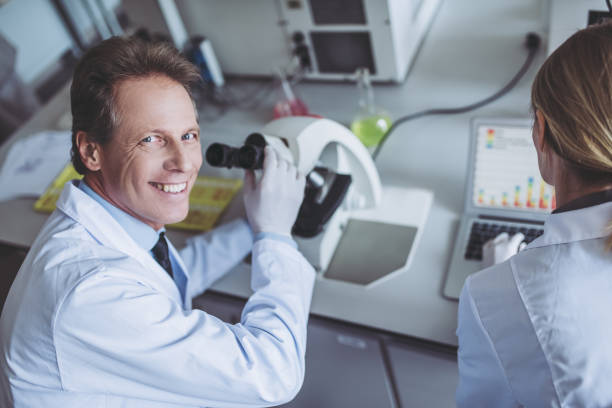
Early-career professionals assist in cell biology experiments, handling tasks like cell culture maintenance or data collection under supervision....

0.0LPA
Cell Biology Researcher

Cell Biology Researcher

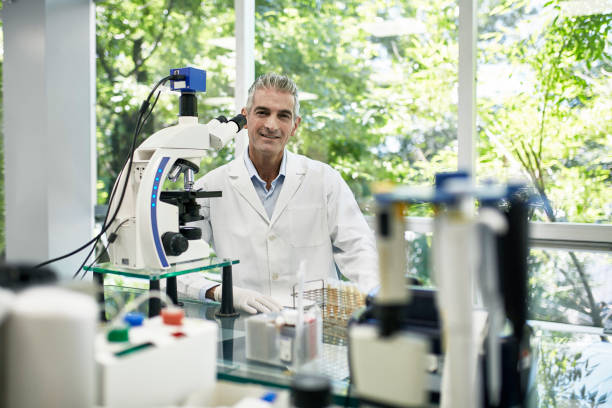
Specialists conduct independent or team-based research on cellular processes, focusing on areas like cell signaling or differentiation. They...

0.0LPA
Senior Cell Biologist

Senior Cell Biologist

Experienced researchers lead specific studies or oversee lab teams, specializing in topics like stem cells or cancer biology. They guide...

0.0LPA

Interested in this career?

Take the next step and explore more about Cell Biologist.