Cartography

A Cartographer is a professional who designs, creates, and interprets maps to represent geographical, environmental, or cultural data, using scientific, artistic, and technological skills. They work in government agencies, private mapping firms, environmental organizations, or technology companies, collaborating with geographers, surveyors, and data scientists. Cartographers play a crucial role in urban planning, disaster management, navigation, and resource exploration by providing accurate spatial information in a field driven by precision, innovation, and digital transformation.

Share :
✨ Radial Mind Map - Cartography
Nodes arranged in concentric circles

Loading radial mind map...

Overview

A Cartographer is a professional who designs, creates, and interprets maps to represent geographical, environmental, or cultural data, using scientific, artistic, and technological skills. They work in government agencies, private mapping firms, environmental organizations, or technology companies, collaborating with geographers, surveyors, and data scientists. Cartographers play a crucial role in urban planning, disaster management, navigation, and resource exploration by providing accurate spatial information in a field driven by precision, innovation, and digital transformation.

Cartographers are detail-oriented and tech-savvy professionals who work in office environments, field settings, or remote sensing labs, using tools such as Geographic Information Systems (GIS), remote sensing software, and drones. Their role involves collecting spatial data, designing maps for various purposes like navigation or climate analysis, and addressing challenges such as data accuracy or evolving user needs. They combine expertise in geography, computer science, and design to visualize complex spatial relationships. As key contributors to planning and decision-making, they help shape the future of infrastructure, environmental conservation, and public safety in an industry increasingly driven by digital mapping, big data, and geospatial technologies.

Roles and Responsibilities

💼
Cartography
Roles and Responsibilities
Map Design and Creation
Design and produce maps using GIS software for applications in navigation, urban planning, or research.
Ensure maps are visually clear, accurate, and tailored to specific user needs.
Data Collection and Analysis
Gather spatial data through surveys, satellite imagery, and remote sensing technologies.
Analyze geographical data to identify patterns, trends, or anomalies for mapping purposes.
Geospatial Technology Application
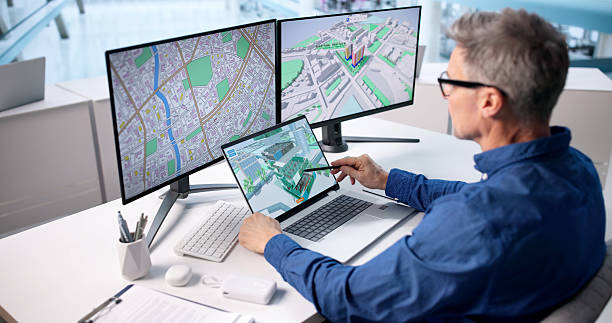
Utilize GIS and remote sensing tools to create digital maps and 3D visualizations.
Integrate real-time data into maps for dynamic applications like disaster response.
Fieldwork and Surveying
Conduct field surveys to validate data or collect ground truth information for map accuracy.
Collaborate with surveyors to ensure precise measurements of physical landscapes.
Cartographic Research
Study historical maps or new geospatial trends to improve mapping techniques.
Investigate innovative ways to represent complex data visually.
Collaboration with Stakeholders
Work with urban planners, environmentalists, or policymakers to create specialized maps.
Provide technical input for projects like infrastructure development or conservation.
Data Management and Updates
Maintain and update map databases to reflect changes in geography or infrastructure.
Ensure data integrity and accessibility for long-term use.
Teaching and Training
Educate students or professionals on cartographic techniques and GIS tools.
Mentor junior cartographers in map design and data interpretation.
Policy and Ethical Compliance
Adhere to ethical standards in representing sensitive or restricted geographical data.
Advise on legal and privacy issues related to geospatial information.

Roles and Responsibilities

  • Map Design and Creation
    • Design and produce maps using GIS software for applications in navigation, urban planning, or research.
    • Ensure maps are visually clear, accurate, and tailored to specific user needs.
  • Data Collection and Analysis
    • Gather spatial data through surveys, satellite imagery, and remote sensing technologies.
    • Analyze geographical data to identify patterns, trends, or anomalies for mapping purposes.
  • Geospatial Technology Application
    • Utilize GIS and remote sensing tools to create digital maps and 3D visualizations.
    • Integrate real-time data into maps for dynamic applications like disaster response.
  • Fieldwork and Surveying
    • Conduct field surveys to validate data or collect ground truth information for map accuracy.
    • Collaborate with surveyors to ensure precise measurements of physical landscapes.
  • Cartographic Research
    • Study historical maps or new geospatial trends to improve mapping techniques.
    • Investigate innovative ways to represent complex data visually.
  • Collaboration with Stakeholders
    • Work with urban planners, environmentalists, or policymakers to create specialized maps.
    • Provide technical input for projects like infrastructure development or conservation.
  • Data Management and Updates
    • Maintain and update map databases to reflect changes in geography or infrastructure.
    • Ensure data integrity and accessibility for long-term use.
  • Teaching and Training
    • Educate students or professionals on cartographic techniques and GIS tools.
    • Mentor junior cartographers in map design and data interpretation.
  • Policy and Ethical Compliance
    • Adhere to ethical standards in representing sensitive or restricted geographical data.
    • Advise on legal and privacy issues related to geospatial information.


Study Route & Eligibility Criteria

Study Route & Eligibility Criteria
Cartography
Route 1
🎓
1
10+2 in Science stream
🏛️
2
Bachelor’s degree in Geography, Cartography, or Geomatics
3-4 years
💼
3
Internship or assistant role in mapping or GIS projects
💼
4
Practice as Junior Cartographer or GIS Technician
Route 2
🎓
1
10+2 in Science or Arts stream with Geography
🏛️
2
Bachelor’s degree in Geography or Environmental Science
3-4 years
🏛️
3
Master’s degree in Cartography or Geospatial Science
1-2 years
💼
4
Gain practical experience through GIS projects
💼
5
Work as Cartographer or GIS Analyst
Route 3
🎓
1
10+2 in Science with Mathematics or Computer Science
🏛️
2
B.Tech in Geoinformatics or Civil Engineering with GIS focus
4 years
📚
3
Certification or short-term course in GIS and Remote Sensing
3-6 months
💼
4
Internship in mapping or tech firms
💼
5
Practice as Geospatial Specialist or Cartographic Technician
Route 4
🎓
1
10+2 in Science or Arts stream
🏛️
2
Bachelor’s degree in Geography or related field
3-4 years
📚
3
Ph.D. in Cartography or Geospatial Science
3-5 years
💼
4
Post-doctoral research or consultancy role
💼
5
Practice as Senior Cartographer or Research Consultant
🎯 Cartography - Professional

Significant Observations (Academic Related Points)

💡
Cartography
Academic Related Points
1
Scientific Foundation:
Strong understanding of geography and spatial analysis is essential for map-making.
2
Analytical Skills:
Training in data interpretation and visualization develops core cartographic competencies.
3
Specialized Training:
Certifications in GIS or remote sensing are critical for advanced roles.
4
Technology Proficiency:
Familiarity with mapping software and geospatial tools is vital for modern cartography.
5
Interdisciplinary Knowledge:
Understanding computer science, design, and environmental science enhances project impact.
6
Certification Importance:
Specialized courses or certifications boost professional credibility in niche areas.
7
Continuing Education:
Regular updates on geospatial technologies and trends are necessary to stay relevant.
8
Global Standards:
Familiarity with international mapping protocols enhances opportunities for global roles.
9
Attention to Detail:
Precision in data collection and map design is critical for reliable outcomes.
10
Entrance Examination Success:
Competitive exams are often required for admission to top programs.
11
International Testing Requirements:
Language proficiency tests like IELTS may be needed for global opportunities.

Internships & Practical Exposure

💼
Cartography
Internships & Practical Experience
1
Mandatory internships during degree programs at mapping agencies or GIS firms for real-world experience.
2
Rotations in geospatial analysis or field survey teams for hands-on exposure to cartographic applications.
3
Internships under experienced Cartographers for training in advanced tools like ArcGIS or QGIS.
4
Observerships at environmental or urban planning organizations for applied mapping insights.
5
Participation in mock mapping projects for skill development in data visualization and GIS.
6
Training in remote sensing techniques through real-world projects like land-use mapping.
7
Exposure to data privacy regulations during internships for skills in compliance and ethics.
8
Volunteer roles in community mapping or disaster response initiatives to build a portfolio.
9
Community engagement projects for promoting geospatial awareness in planning or education.
10
International research attachments for global exposure to cutting-edge cartographic innovations and practices.

Courses & Specializations to Enter the Field

📚
Cartography
Courses & Specializations
📖
Certificate in GIS and Remote Sensing.
📖
Bachelor’s in Geography, Cartography, or Geoinformatics.
📖
Master’s in Cartography, Geospatial Science, or Geomatics.
📖
B.Tech/M.Tech in Geoinformatics or Civil Engineering with GIS focus.
📖
Specialization in Digital Cartography, Thematic Mapping, or Topographic Mapping.
📖
Ph.D. in Cartography or Geospatial Science for advanced research roles.
📖
Workshops on GIS Software (ArcGIS, QGIS), Drone Mapping, or 3D Visualization.
📖
Training in Urban Mapping or Environmental Cartography.
📖
Specialization in Historical Cartography or Marine Cartography.
📖
Certification in Spatial Data Analysis for Cartographic Research.

Prominent Employers

🏢
Cartography
🌟 Top Companies & Organizations
🇮🇳 India
🏛️
Survey of India
🏛️
National Remote Sensing Centre (NRSC)
🏛️
Indian Space Research Organisation (ISRO)
🏛️
Geological Survey of India (GSI)
🏛️
National Atlas & Thematic Mapping Organisation (NATMO)
🏛️
Forest Survey of India (FSI)
🏛️
Ministry of Urban Development
🏛️
Central Water Commission (CWC)
🏛️
Indian Institute of Remote Sensing (IIRS)
🏛️
State Remote Sensing Application Centres
🌍 International
🌐
Google Maps, Global
🌐
Esri, Global
🌐
Apple Maps, Global
🌐
HERE Technologies, Global
🌐
TomTom, Global
🌐
Garmin, Global
🌐
Ordnance Survey, UK
🌐
National Geographic, USA
🌐
USGS (United States Geological Survey), USA
🌐
Mapbox, Global

Advice for Aspiring Cartographys

💡
Cartography
🌟 Tips for Students & Parents
1
Build a strong foundation in geography and spatial thinking to understand mapping principles.
2
Seek early exposure to GIS roles through internships to confirm interest in cartography.
3
Prepare thoroughly for competitive exams like GATE or GRE with structured study plans.
4
Pursue short courses in GIS or remote sensing to gain expertise in emerging areas.
5
Stay updated on cartographic trends by following journals like Cartography and Geographic Information Science.
6
Develop hands-on skills in map design and data analysis through practical projects.
7
Engage in internships at mapping agencies or tech firms for real-world experience.
8
Join professional associations like ICA or INCA for networking and resources.
9
Work on precision in data collection and map design to ensure credible outcomes.
10
Explore international opportunities for exposure to global geospatial advancements.
11
Volunteer in community mapping initiatives to understand practical cartographic challenges.
12
Cultivate adaptability to handle rapid changes in mapping technology and user demands.
13
Attend continuing education programs to stay abreast of GIS tools and trends.
14
Build a network with geospatial experts, planners, and policymakers for collaborative efforts.
15
Develop resilience to manage the detailed and often repetitive demands of mapping work.
16
Balance technical rigor with ethical integrity to adapt to evolving geospatial landscapes.
🎓 Final Message
A career as a Cartographer offers a profound opportunity to visualize the world, driving progress through precise spatial representation and technological expertise, fostering global well-being with every map created. Cartographers are the architects of spatial understanding, using their skills to support urban planning, environmental protection, and disaster response across industries. This profession blends scientific analysis with creative design, providing pathways in government, technology, education, and beyond. For those passionate about geography, driven by a desire to solve spatial challenges, and eager to embrace the evolving landscape of digital mapping and geospatial technologies, becoming a Cartographer is a deeply rewarding journey. It empowers individuals to shape decision-making outcomes, address critical global issues, and advance human progress through the transformative power of cartography.
Knowledge & Skills You Will Learn
1
Rising Demand:Growing need for Cartographers skilled in GIS, drone mapping, and 3D visualization.
2
Skill Development Needs:Growing necessity for training in cloud-based GIS and big data analytics.
3
Sustainability Focus:Increased efforts to apply cartography in environmental conservation and resource management.
GIS Technician

GIS Technician

Mid-level professionals who specialize in using GIS software to analyze and visualize spatial data, often supporting cartographic projects. They...

0.0LPA
Cartographer

Cartographer

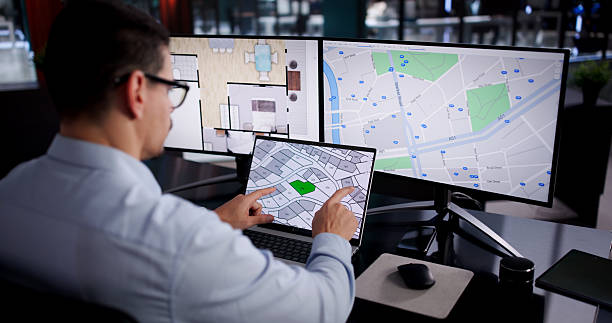
Professionals who lead independent mapping projects, applying cartographic principles to create detailed and accurate maps for specific purposes...

0.0LPA
Senior Cartographer

Senior Cartographer

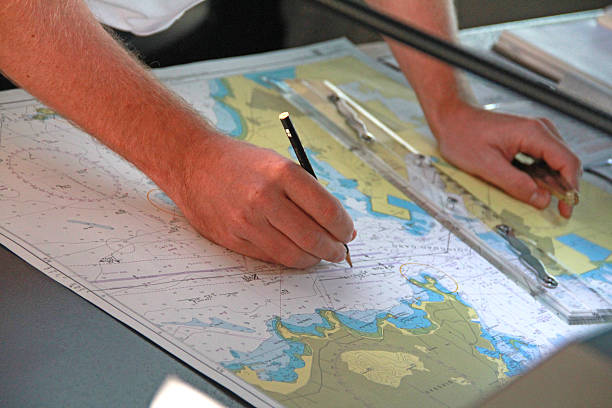
Experienced leaders who oversee complex cartographic projects, managing teams and resources across multiple mapping initiatives or regions. They...

0.0LPA

Interested in this career?

Take the next step and explore more about Cartography.