Carcinologist

Summary

A Carcinologist is a specialized scientist who studies crustaceans, a diverse group of arthropods including crabs, lobsters, shrimp, and crayfish, focusing on their biology, ecology, behavior, and evolutionary relationships.

Share :
✨ Radial Mind Map - Carcinologist
Nodes arranged in concentric circles

Loading radial mind map...

Overview

A Carcinologist is a specialized scientist who studies crustaceans, a diverse group of arthropods including crabs, lobsters, shrimp, and crayfish, focusing on their biology, ecology, behavior, and evolutionary relationships. They work within research institutions, universities, marine conservation organizations, aquaculture industries, and governmental bodies. Carcinologists investigate crustaceans for purposes ranging from biodiversity conservation and fisheries management to understanding ecological roles and evolutionary biology. Combining expertise in zoology, marine biology, and ecology, they play a crucial role in addressing global challenges like sustainable seafood production, habitat preservation, and climate change impacts by studying crustaceans, which are vital to aquatic ecosystems and human economies in a world where marine resources are increasingly under pressure.
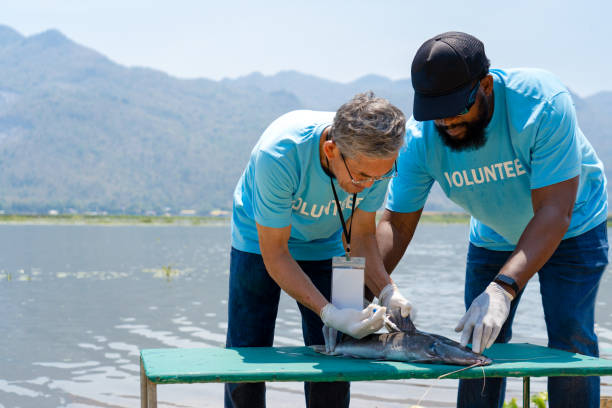
Carcinologists are scientists who focus on the study of crustaceans, encompassing their taxonomy, physiology, genetics, and ecological significance. Their work involves conducting field studies to observe crustacean populations, laboratory experiments to analyze their biology, developing conservation strategies for endangered species, and educating stakeholders on sustainable practices. They often operate in academic, governmental, or industrial settings, balancing research with practical applications and interdisciplinary collaboration. Carcinologists are essential to marine and freshwater ecosystem studies, serving as experts in crustacean biology, contributing to solutions for biodiversity protection, aquaculture innovation, and environmental monitoring, addressing pressing ecological and economic issues through innovative research, and improving societal well-being through evidence-based strategies in a scientific landscape where crustaceans’ roles as ecological indicators and resources continue to grow due to environmental and industrial factors.

Roles and Responsibilities

💼
Carcinologist
Roles and Responsibilities
Research and Analysis
Conduct field and laboratory research on crustacean species, behavior, and physiology.
Analyze genetic and evolutionary relationships among crustacean groups for taxonomic studies.
Conservation and Monitoring
Study crustacean populations to assess biodiversity and identify conservation needs.
Monitor habitat health and human impacts on crustacean ecosystems in marine and freshwater environments.
Aquaculture and Fisheries Management
Develop sustainable practices for crustacean farming, such as shrimp or crab cultivation.
Provide expertise on managing wild crustacean stocks for commercial fisheries.
Ecological Studies
Investigate crustaceans’ roles in food webs and nutrient cycling within aquatic ecosystems.
Assess the impact of climate change and pollution on crustacean populations and habitats.
Data Collection and Reporting
Collect data on crustacean distribution, abundance, and life cycles through surveys and experiments.
Publish research findings in scientific journals and present at conferences.
Industry Collaboration
Work with aquaculture industries to improve breeding techniques and disease management for crustaceans.
Consult with environmental agencies on policies affecting crustacean habitats.
Education and Outreach
Teach courses on carcinology, marine biology, or zoology in academic institutions.
Educate the public and policymakers on the importance of crustacean conservation and sustainable use.
Policy and Regulation
Advise on environmental policies related to crustacean habitat protection and fisheries regulations.
Develop guidelines for sustainable harvesting and aquaculture practices.
Environmental Applications
Study crustaceans as bioindicators to monitor water quality and ecosystem health.
Contribute to restoration projects for degraded aquatic habitats where crustaceans play key roles.
Competitive Entrance Examinations:
Clearing exams like NEET-UG (for related undergraduate programs in India), university-specific entrance tests for Master’s and PhD programs, or international exams like GRE for global opportunities is critical for entry into relevant programs in Carcinology.
Extended Academic Commitment:
Requires a prolonged academic journey of 8-12 years post-high school for research roles, including Bachelor’s, Master’s, and PhD programs, with additional years for postdoctoral research in Carcinology.
Strong Foundation in Core Subjects:
Academic excellence in subjects like Zoology, Marine Biology, and Ecology during undergraduate studies is essential for understanding crustacean systems.
Research Performance:
Outstanding research during Master’s or PhD programs is crucial for securing competitive positions or funding in Carcinology.
Research and Publications:
Engaging in research projects and publishing papers during academic programs can significantly enhance prospects for academic and industry roles in Carcinology.
Fellowship Selection:
Securing research fellowships often requires a strong academic record, recommendation letters, and relevant project experience in crustacean studies.
Continuous Education:
Mandatory participation in workshops, seminars, and certifications to stay updated with evolving carcinological research, marine conservation techniques, and ecological applications.
Specialization Certification:
Obtaining certifications in niche areas like crustacean taxonomy or aquaculture can provide a competitive edge in the field.
Subspecialty Training:
Pursuing additional academic training in areas like marine ecology or crustacean genetics can enhance career prospects.
Language Proficiency for International Practice:
Clearing language proficiency tests like IELTS or TOEFL with high scores is often necessary for pursuing academic and research opportunities abroad.
Dr. Martin Thiel (Contemporary, Chile):
Renowned for research on crustacean behavior and marine conservation, active since the 1990s at Universidad Católica del Norte.
Dr. Sammy De Grave (Contemporary, UK):
Expert in crustacean taxonomy and biodiversity, contributing since the 1990s at the Oxford University Museum of Natural History.
Dr. Peter K. L. Ng (Contemporary, Singapore):
Noted for studies on crab taxonomy and freshwater crustaceans, active since the 1980s at the National University of Singapore.
Dr. Jody W. Deming (Contemporary, USA):
Known for research on deep-sea crustaceans and microbial interactions, active since the 1980s at the University of Washington.
Dr. Bella S. Galil (Contemporary, Israel):
Recognized for work on invasive crustacean species in the Mediterranean, contributing since the 1980s at the Steinhardt Museum of Natural History.
Dr. Shane T. Ahyong (Contemporary, Australia):
Expert in crustacean systematics and marine biodiversity, active since the 1990s at the Australian Museum.
Dr. Les Watling (Contemporary, USA):
Professor at the University of Hawaii, noted for deep-sea crustacean ecology research since the 1970s.
Dr.Niel L. Bruce (Contemporary, Australia):
Known for studies on isopod crustaceans and marine taxonomy, active since the 1980s at the Museum of Tropical Queensland.
Dr. T. Chad Walter (Contemporary, USA):
Researcher at the Smithsonian Institution, recognized for copepod taxonomy since the 1980s.
Dr. K. K. Vijayan (Contemporary, India):
Expert in crustacean aquaculture and disease management, active since the 1990s at the Central Marine Fisheries Research Institute.
Dr. A. Gopalakrishnan (Contemporary, India):
Known for research on crustacean genetics and fisheries management, active since the 1990s at the Central Marine Fisheries Research Institute.
Dr. E. V. Radhakrishnan (Contemporary, India):
Recognized for studies on lobster biology and sustainable fisheries, active since the 1980s at the Central Marine Fisheries Research Institute.
Dr.Josileen Jose (Contemporary, India):
Noted for contributions to crab biology and aquaculture, active since the 1990s at the Central Marine Fisheries Research Institute.

Roles and Responsibilities:

  • Research and Analysis
    • Conduct field and laboratory research on crustacean species, behavior, and physiology.
    • Analyze genetic and evolutionary relationships among crustacean groups for taxonomic studies.
  • Conservation and Monitoring
    • Study crustacean populations to assess biodiversity and identify conservation needs.
    • Monitor habitat health and human impacts on crustacean ecosystems in marine and freshwater environments.
  • Aquaculture and Fisheries Management
    • Develop sustainable practices for crustacean farming, such as shrimp or crab cultivation.
    • Provide expertise on managing wild crustacean stocks for commercial fisheries.
  • Ecological Studies
    • Investigate crustaceans’ roles in food webs and nutrient cycling within aquatic ecosystems.
    • Assess the impact of climate change and pollution on crustacean populations and habitats.
  • Data Collection and Reporting
    • Collect data on crustacean distribution, abundance, and life cycles through surveys and experiments.
    • Publish research findings in scientific journals and present at conferences.
  • Industry Collaboration
    • Work with aquaculture industries to improve breeding techniques and disease management for crustaceans.
    • Consult with environmental agencies on policies affecting crustacean habitats.
  • Education and Outreach
    • Teach courses on carcinology, marine biology, or zoology in academic institutions.
    • Educate the public and policymakers on the importance of crustacean conservation and sustainable use.
  • Policy and Regulation
    • Advise on environmental policies related to crustacean habitat protection and fisheries regulations.
    • Develop guidelines for sustainable harvesting and aquaculture practices.
  • Environmental Applications
    • Study crustaceans as bioindicators to monitor water quality and ecosystem health.
    • Contribute to restoration projects for degraded aquatic habitats where crustaceans play key roles.


Study Route & Eligibility Criteria:

RouteSteps
Route 11. 10+2 with Physics, Chemistry, Biology (PCB).
2. Bachelor’s degree in Zoology, Marine Biology, or Biology (3-4 years).
3. Master’s degree in Carcinology, Marine Biology, or Aquatic Ecology (2 years).
4. PhD in Carcinology or related field for research roles (3-5 years).
5. Postdoctoral research or certification in specialized techniques (optional).
Route 21. 10+2 with Physics, Chemistry, Biology (PCB).
2. Bachelor’s degree in Life Sciences or Environmental Science (3-4 years).
3. Master’s degree in Marine Ecology or Aquatic Biology (2 years).
4. Specialized training or diploma in Carcinology (1-2 years).
5. Research or industry experience in crustacean studies.
Route 31. 10+2 with Physics, Chemistry, Biology (PCB).
2. Bachelor’s degree in Fisheries Science or Biotechnology (3-4 years).
3. Master’s degree in Aquaculture or Crustacean Biology (2 years).
4. Fellowship or research project in Carcinology (1-3 years).
5. Certification in marine conservation or related fields.
Route 41. 10+2 with Physics, Chemistry, Biology (PCB).
2. Bachelor’s degree from India in relevant field (3-4 years).
3. International Master’s or PhD program in Carcinology or Marine Biology.
4. Research or training abroad in specialized carcinology labs (2-5 years).
5. Certification or licensure for international practice (if applicable).


Significant Observations (Academic Related Points):

  • Competitive Entrance Examinations: Clearing exams like NEET-UG (for related undergraduate programs in India), university-specific entrance tests for Master’s and PhD programs, or international exams like GRE for global opportunities is critical for entry into relevant programs in Carcinology.
  • Extended Academic Commitment: Requires a prolonged academic journey of 8-12 years post-high school for research roles, including Bachelor’s, Master’s, and PhD programs, with additional years for postdoctoral research in Carcinology.
  • Strong Foundation in Core Subjects: Academic excellence in subjects like Zoology, Marine Biology, and Ecology during undergraduate studies is essential for understanding crustacean systems.
  • Research Performance: Outstanding research during Master’s or PhD programs is crucial for securing competitive positions or funding in Carcinology.
  • Research and Publications: Engaging in research projects and publishing papers during academic programs can significantly enhance prospects for academic and industry roles in Carcinology.
  • Fellowship Selection: Securing research fellowships often requires a strong academic record, recommendation letters, and relevant project experience in crustacean studies.
  • Continuous Education: Mandatory participation in workshops, seminars, and certifications to stay updated with evolving carcinological research, marine conservation techniques, and ecological applications.
  • Specialization Certification: Obtaining certifications in niche areas like crustacean taxonomy or aquaculture can provide a competitive edge in the field.
  • Subspecialty Training: Pursuing additional academic training in areas like marine ecology or crustacean genetics can enhance career prospects.
  • Language Proficiency for International Practice: Clearing language proficiency tests like IELTS or TOEFL with high scores is often necessary for pursuing academic and research opportunities abroad.


Internships & Practical Exposure:

  • Fieldwork in marine and freshwater environments for crustacean sampling and observation.
  • Internships in aquaculture facilities focusing on crustacean breeding and management.
  • Observerships with marine conservation organizations studying crustacean habitats.
  • Research assistantships in carcinology or marine biology projects.
  • Participation in projects related to crustacean taxonomy or ecological monitoring.
  • Training in laboratory techniques for crustacean identification and genetic analysis under supervision.
  • Experience in fisheries management for sustainable crustacean harvesting.
  • Involvement in data collection for crustacean population dynamics or habitat studies.
  • Attendance at marine biology or carcinology conferences and workshops.
  • Exposure to industrial applications of crustaceans in seafood production and biotechnology firms.


Courses & Specializations to Enter the Field:

  • Bachelor’s in Zoology, Marine Biology, or Biology.
  • Bachelor’s in Life Sciences or Fisheries Science.
  • Master’s in Carcinology or Marine Biology.
  • Master’s in Aquatic Ecology or Crustacean Biology.
  • PhD in Carcinology or Marine Ecology.
  • Certification courses in Crustacean Taxonomy.
  • Training in Aquaculture and Fisheries Management.
  • Specialized courses in Marine Conservation.
  • Diploma in Aquatic Biology (Crustacean focus).
  • Continuing Education courses in Sustainable Marine Practices.


Top Institutes for Carcinologist Education (India):

InstituteCourse/ProgramOfficial Link
University of Madras, ChennaiM.Sc. in Marine Biologyhttps://www.unom.ac.in/
Cochin University of Science and Technology (CUSAT), KochiM.Sc. in Marine Biologyhttps://www.cusat.ac.in/
University of Kerala, ThiruvananthapuramM.Sc. in Aquatic Biology and Fisherieshttps://www.keralauniversity.ac.in/
Andhra University, VisakhapatnamM.Sc. in Marine Biologyhttps://www.andhrauniversity.edu.in/
Annamalai University, Tamil NaduM.Sc. in Marine Biologyhttps://www.annamalaiuniversity.ac.in/
University of Calcutta, KolkataM.Sc. in Marine Sciencehttps://www.caluniv.ac.in/
Banaras Hindu University (BHU), VaranasiM.Sc. in Zoologyhttps://www.bhu.ac.in/
University of Delhi, DelhiM.Sc. in Zoologyhttps://www.du.ac.in/
Savitribai Phule Pune University, PuneM.Sc. in Zoologyhttps://www.unipune.ac.in/
Jawaharlal Nehru University (JNU), DelhiM.Sc. in Life Scienceshttps://www.jnu.ac.in/


Top International Institutes:

InstitutionCourseCountryOfficial Link
University of MaineMS/PhD in Marine BiologyUSAhttps://umaine.edu/
University of SouthamptonMSc in OceanographyUKhttps://www.southampton.ac.uk/
University of Western AustraliaMSc/PhD in Marine ScienceAustraliahttps://www.uwa.edu.au/
University of British ColumbiaMSc/PhD in OceanographyCanadahttps://www.ubc.ca/
University of CopenhagenMSc in Marine BiologyDenmarkhttps://www.ku.dk/
University of AucklandMSc in Marine ScienceNew Zealandhttps://www.auckland.ac.nz/
Stockholm UniversityMSc in Marine BiologySwedenhttps://www.su.se/
University of TokyoPhD in Aquatic BiosciencesJapanhttps://www.u-tokyo.ac.jp/
University of BergenMSc in Marine BiologyNorwayhttps://www.uib.no/
University of California, San Diego (Scripps)MS/PhD in OceanographyUSAhttps://scripps.ucsd.edu/


Entrance Tests Required:

India:

  • National Eligibility cum Entrance Test (NEET-UG) for related undergraduate programs.
  • University-specific entrance exams for Bachelor’s and Master’s programs (e.g., BHU PET, JNU CEEB).
  • Graduate Aptitude Test in Engineering (GATE) for some biotechnology programs.
  • Joint Admission Test for Masters (JAM) for science programs at IITs and IISc.
  • Council of Scientific and Industrial Research (CSIR) NET for research fellowships.
  • Indian Council of Agricultural Research (ICAR) AIEEA for fisheries and related programs.
  • State-level entrance examinations for various science institutions.
  • Institute-specific entrance examinations for specialized programs.
  • National Board of Examinations for certain diploma courses.
  • Entrance tests for PhD programs at specific universities.


International:

  • Graduate Record Examination (GRE) for postgraduate programs in the USA and Canada.
  • International English Language Testing System (IELTS) with a minimum score of 6.5-7.0 for international programs.
  • Test of English as a Foreign Language (TOEFL) with a minimum score of 90-100 for programs in English-speaking countries.
  • Subject-specific GRE tests for certain graduate programs.
  • University-specific entrance exams for international Master’s and PhD programs.
  • Australian Education Assessment Services for programs in Australia.
  • European Union standardized tests for specific programs in Europe.
  • Japanese Language Proficiency Test (JLPT) for programs in Japan, if applicable.
  • Canadian Academic English Language (CAEL) test for programs in Canada.
  • Specific fellowship or scholarship exams for international research opportunities.


Ideal Progressing Career Path

Undergraduate Student → Graduate Researcher (Master’s) → Doctoral Researcher (PhD) → Junior Carcinologist → Established Carcinologist → Senior Carcinologist/Research Head → Program Director/Professor of Carcinology


Major Areas of Employment:

  • Research institutions studying crustacean biology and ecology.
  • Government agencies focused on marine conservation and fisheries management.
  • Universities and academic centers for teaching and research in carcinology.
  • Aquaculture industries developing sustainable crustacean farming.
  • Environmental organizations monitoring aquatic ecosystems and biodiversity.
  • Fisheries sectors managing wild crustacean stocks.
  • Marine laboratories studying crustacean genetics and physiology.
  • Non-governmental organizations (NGOs) working on marine conservation.
  • International bodies addressing global biodiversity and marine resource challenges.
  • Biotechnology firms exploring crustacean-derived products.


Prominent Employers:

IndiaInternational
Central Marine Fisheries Research Institute (CMFRI)National Oceanic and Atmospheric Administration (NOAA), USA
Indian Council of Agricultural Research (ICAR)World Wildlife Fund (WWF)
National Institute of Oceanography (NIO)International Union for Conservation of Nature (IUCN)
University of MadrasUniversity of Maine, USA
Cochin University of Science and Technology (CUSAT)University of Southampton, UK
Wildlife Institute of India (WII)Smithsonian Institution, USA
Jawaharlal Nehru University (JNU)University of Western Australia, Australia
Ministry of Environment, Forest and Climate ChangeUniversity of British Columbia, Canada
Andhra UniversityScripps Institution of Oceanography, USA
Ministry of Fisheries, Animal Husbandry and DairyingFood and Agriculture Organization (FAO)


Pros and Cons of the Profession:

ProsCons
Significant contribution to marine biodiversity and sustainable fisheries through crustacean research.Extended academic journey requiring 8-12 years for advanced roles, demanding time and resources.
Intellectually stimulating work combining zoology, marine biology, and ecology.Competitive research funding, often requiring persistent effort to secure grants.
High impact on global challenges like sustainable seafood production and habitat conservation.Fieldwork risks, including exposure to harsh marine environments during data collection.
Opportunities for innovation in aquaculture and marine biotechnology.Limited public awareness of carcinology, leading to fewer mainstream job opportunities in some regions.
Growing relevance due to increasing demand for marine conservation and sustainable resources.Technological and economic barriers in scaling up crustacean aquaculture or conservation projects.


Industry Trends and Future Outlook:

  • Sustainable Aquaculture: Increasing focus on developing environmentally friendly crustacean farming techniques to meet global seafood demand.
  • Biodiversity Conservation: Growing emphasis on protecting crustacean species and habitats amidst climate change and habitat loss.
  • Genomic Research: Rising use of genetic tools to study crustacean evolution, disease resistance, and breeding optimization.
  • Climate Impact Studies: Enhanced research into how warming oceans and acidification affect crustacean populations and ecosystems.
  • Biotechnology Applications: Expanding exploration of crustacean-derived compounds for pharmaceuticals and industrial uses.
  • Fisheries Management: Greater adoption of science-based policies for sustainable harvesting of wild crustacean stocks.
  • Ecological Monitoring: Increased use of crustaceans as bioindicators for assessing aquatic ecosystem health.
  • Global Collaboration: Rising international partnerships to address transboundary marine conservation and resource management.
  • Technological Innovation: Development of advanced tools for underwater monitoring and crustacean population tracking.
  • Policy Integration: Stronger involvement of carcinologists in shaping marine conservation and aquaculture regulations.


Salary Expectations:

Career LevelIndia (₹ per annum)International (US$ per annum)
Research Scholar (PhD)3,00,000 - 6,00,000$30,000 - $40,000
Junior Carcinologist5,00,000 - 10,00,000$50,000 - $70,000
Established Carcinologist10,00,000 - 18,00,000$70,000 - $100,000
Senior Carcinologist/Research Lead18,00,000 - 30,00,000$100,000 - $130,000
Program Director/Professor30,00,000 - 45,00,000$130,000 - $160,000


Key Software Tools:

  • Data Analysis Software: Tools like R and Python for statistical analysis of crustacean research data.
  • Geographic Information Systems (GIS): For mapping crustacean habitats and distribution patterns.
  • Genetic Analysis Software: For studying crustacean DNA and phylogenetic relationships.
  • Ecological Modeling Tools: For simulating crustacean population dynamics and ecosystem interactions.
  • Statistical Software: Tools like SPSS for analyzing experimental and field data.
  • Database Management Tools: For organizing large datasets of crustacean species and ecological variables.
  • Visualization Software: For presenting research findings on crustacean biology and conservation.
  • Field Data Collection Apps: For recording observations during marine and freshwater surveys.
  • Collaboration Platforms: For interdisciplinary teamwork and data sharing with scientists and policymakers.
  • Remote Sensing Tools: For monitoring aquatic environments and crustacean habitats via satellite imagery.


Professional Organizations and Networks:

  • The Crustacean Society (TCS)
  • International Association of Astacology (IAA)
  • World Aquaculture Society (WAS)
  • Marine Biological Association (MBA)
  • Indian Society for Fisheries and Aquaculture (ISFA)
  • Society for Conservation Biology (SCB)
  • International Union for Conservation of Nature (IUCN)
  • American Fisheries Society (AFS)
  • European Aquaculture Society (EAS)
  • Asia-Pacific Marine Science Association (APMSA)


Notable Carcinologists and Industry Leaders :

  • Dr. Martin Thiel (Contemporary, Chile): Renowned for research on crustacean behavior and marine conservation, active since the 1990s at Universidad Católica del Norte.
     
  • Dr. Sammy De Grave (Contemporary, UK): Expert in crustacean taxonomy and biodiversity, contributing since the 1990s at the Oxford University Museum of Natural History.
     
  • Dr. Peter K. L. Ng (Contemporary, Singapore): Noted for studies on crab taxonomy and freshwater crustaceans, active since the 1980s at the National University of Singapore.
     
  • Dr. Jody W. Deming (Contemporary, USA): Known for research on deep-sea crustaceans and microbial interactions, active since the 1980s at the University of Washington.
     
  • Dr. Bella S. Galil (Contemporary, Israel): Recognized for work on invasive crustacean species in the Mediterranean, contributing since the 1980s at the Steinhardt Museum of Natural History.
     
  • Dr. Shane T. Ahyong (Contemporary, Australia): Expert in crustacean systematics and marine biodiversity, active since the 1990s at the Australian Museum.
     
  • Dr. Les Watling (Contemporary, USA): Professor at the University of Hawaii, noted for deep-sea crustacean ecology research since the 1970s.
     
  • Dr.Niel L. Bruce (Contemporary, Australia): Known for studies on isopod crustaceans and marine taxonomy, active since the 1980s at the Museum of Tropical Queensland.
     
  • Dr. T. Chad Walter (Contemporary, USA): Researcher at the Smithsonian Institution, recognized for copepod taxonomy since the 1980s.
     
  • Dr. K. K. Vijayan (Contemporary, India): Expert in crustacean aquaculture and disease management, active since the 1990s at the Central Marine Fisheries Research Institute.
     
  • Dr. A. Gopalakrishnan (Contemporary, India): Known for research on crustacean genetics and fisheries management, active since the 1990s at the Central Marine Fisheries Research Institute.
     
  • Dr. E. V. Radhakrishnan (Contemporary, India): Recognized for studies on lobster biology and sustainable fisheries, active since the 1980s at the Central Marine Fisheries Research Institute.
     
  • Dr.Josileen Jose (Contemporary, India): Noted for contributions to crab biology and aquaculture, active since the 1990s at the Central Marine Fisheries Research Institute.
     

Advice for Aspiring Carcinologists:

  • Build a strong foundation in zoology, marine biology, and ecology during undergraduate studies to prepare for specialized learning.
  • Seek early exposure through internships or fieldwork in marine environments or aquaculture facilities to gain practical experience.
  • Develop technical skills in genetic analysis, ecological modeling, and data interpretation during graduate studies for a competitive edge.
  • Engage in interdisciplinary learning by exploring conservation biology, fisheries science, and biotechnology alongside carcinology.
  • Pursue research opportunities or fellowships to deepen expertise in niche areas like crustacean taxonomy or aquaculture innovation.
  • Cultivate mentoring relationships with established carcinologists for career guidance and networking opportunities.
  • Stay updated with advancements in marine genomics, sustainable aquaculture, and conservation strategies.
  • Publish research findings in reputed journals to establish credibility and contribute to the scientific community.
  • Consider international exposure through collaborative projects, conferences, or advanced studies abroad to broaden perspectives.
  • Balance academic pursuits with practical applications to address real-world challenges like marine conservation and sustainable seafood production.


A career as a Carcinologist offers a unique opportunity to impact marine and freshwater biodiversity, sustainable aquaculture, and ecological health by studying crustaceans, which are fundamental to aquatic ecosystems and human economies. From conducting detailed field and laboratory research to developing strategies for conservation and industrial applications, Carcinologists play a pivotal role in addressing some of the world’s most pressing challenges. This field combines scientific inquiry, technological innovation, and interdisciplinary collaboration, offering diverse paths in research, industry, policy, and education. For those passionate about marine biology, ecology, and sustainable development, a career as a Carcinologist provides a deeply rewarding journey with significant potential for making meaningful contributions to society in an era where marine resources, biodiversity protection, and environmental adaptation continue to shape global priorities.


Study Route & Eligibility Criteria

Study Route & Eligibility Criteria
Carcinologist
Route 1
🎓
1
10+2 with Physics, Chemistry, Biology .
🏛️
2
Bachelor’s degree in Zoology, Marine Biology, or Biology .
3-4 years
🏛️
3
Master’s degree in Carcinology, Marine Biology, or Aquatic Ecology .
2 years
💼
4
PhD in Carcinology or related field for research roles .
3-5 years
🌍
5
Postdoctoral research or certification in specialized techniques .
Route 2
🎓
1
10+2 with Physics, Chemistry, Biology .
🏛️
2
Bachelor’s degree in Life Sciences or Environmental Science .
3-4 years
🏛️
3
Master’s degree in Marine Ecology or Aquatic Biology .
2 years
🎓
4
Specialized training or diploma in Carcinology .
1-2 years
💼
5
Research or industry experience in crustacean studies.
Route 3
🎓
1
10+2 with Physics, Chemistry, Biology .
🏛️
2
Bachelor’s degree in Fisheries Science or Biotechnology .
3-4 years
🏛️
3
Master’s degree in Aquaculture or Crustacean Biology .
2 years
💼
4
Fellowship or research project in Carcinology .
1-3 years
🌍
5
Certification in marine conservation or related fields.
Route 4
🎓
1
10+2 with Physics, Chemistry, Biology .
🏛️
2
Bachelor’s degree from India in relevant field .
3-4 years
🎓
3
International Master’s or PhD program in Carcinology or Marine Biology.
💼
4
Research or training abroad in specialized carcinology labs .
2-5 years
💼
5
Certification or licensure for international practice .
🎯 Carcinologist - Professional

Significant Observations (Academic Related Points)

💡
Carcinologist
Academic Related Points
1
Competitive Entrance Examinations:
Clearing exams like NEET-UG (for related undergraduate programs in India), university-specific entrance tests for Master’s and PhD programs, or international exams like GRE for global opportunities is critical for entry into relevant programs in Carcinology.
2
Extended Academic Commitment:
Requires a prolonged academic journey of 8-12 years post-high school for research roles, including Bachelor’s, Master’s, and PhD programs, with additional years for postdoctoral research in Carcinology.
3
Strong Foundation in Core Subjects:
Academic excellence in subjects like Zoology, Marine Biology, and Ecology during undergraduate studies is essential for understanding crustacean systems.
4
Research Performance:
Outstanding research during Master’s or PhD programs is crucial for securing competitive positions or funding in Carcinology.
5
Research and Publications:
Engaging in research projects and publishing papers during academic programs can significantly enhance prospects for academic and industry roles in Carcinology.
6
Fellowship Selection:
Securing research fellowships often requires a strong academic record, recommendation letters, and relevant project experience in crustacean studies.
7
Continuous Education:
Mandatory participation in workshops, seminars, and certifications to stay updated with evolving carcinological research, marine conservation techniques, and ecological applications.
8
Specialization Certification:
Obtaining certifications in niche areas like crustacean taxonomy or aquaculture can provide a competitive edge in the field.
9
Subspecialty Training:
Pursuing additional academic training in areas like marine ecology or crustacean genetics can enhance career prospects.
10
Language Proficiency for International Practice:
Clearing language proficiency tests like IELTS or TOEFL with high scores is often necessary for pursuing academic and research opportunities abroad.
11
Dr. Martin Thiel (Contemporary, Chile):
Renowned for research on crustacean behavior and marine conservation, active since the 1990s at Universidad Católica del Norte.
12
Dr. Sammy De Grave (Contemporary, UK):
Expert in crustacean taxonomy and biodiversity, contributing since the 1990s at the Oxford University Museum of Natural History.
13
Dr. Peter K. L. Ng (Contemporary, Singapore):
Noted for studies on crab taxonomy and freshwater crustaceans, active since the 1980s at the National University of Singapore.
14
Dr. Jody W. Deming (Contemporary, USA):
Known for research on deep-sea crustaceans and microbial interactions, active since the 1980s at the University of Washington.
15
Dr. Bella S. Galil (Contemporary, Israel):
Recognized for work on invasive crustacean species in the Mediterranean, contributing since the 1980s at the Steinhardt Museum of Natural History.
16
Dr. Shane T. Ahyong (Contemporary, Australia):
Expert in crustacean systematics and marine biodiversity, active since the 1990s at the Australian Museum.
17
Dr. Les Watling (Contemporary, USA):
Professor at the University of Hawaii, noted for deep-sea crustacean ecology research since the 1970s.
18
Dr.Niel L. Bruce (Contemporary, Australia):
Known for studies on isopod crustaceans and marine taxonomy, active since the 1980s at the Museum of Tropical Queensland.
19
Dr. T. Chad Walter (Contemporary, USA):
Researcher at the Smithsonian Institution, recognized for copepod taxonomy since the 1980s.
20
Dr. K. K. Vijayan (Contemporary, India):
Expert in crustacean aquaculture and disease management, active since the 1990s at the Central Marine Fisheries Research Institute.
21
Dr. A. Gopalakrishnan (Contemporary, India):
Known for research on crustacean genetics and fisheries management, active since the 1990s at the Central Marine Fisheries Research Institute.
22
Dr. E. V. Radhakrishnan (Contemporary, India):
Recognized for studies on lobster biology and sustainable fisheries, active since the 1980s at the Central Marine Fisheries Research Institute.
23
Dr.Josileen Jose (Contemporary, India):
Noted for contributions to crab biology and aquaculture, active since the 1990s at the Central Marine Fisheries Research Institute.

Internships & Practical Exposure

💼
Carcinologist
Internships & Practical Experience
1
Fieldwork in marine and freshwater environments for crustacean sampling and observation.
2
Internships in aquaculture facilities focusing on crustacean breeding and management.
3
Observerships with marine conservation organizations studying crustacean habitats.
4
Research assistantships in carcinology or marine biology projects.
5
Participation in projects related to crustacean taxonomy or ecological monitoring.
6
Training in laboratory techniques for crustacean identification and genetic analysis under supervision.
7
Experience in fisheries management for sustainable crustacean harvesting.
8
Involvement in data collection for crustacean population dynamics or habitat studies.
9
Attendance at marine biology or carcinology conferences and workshops.
10
Exposure to industrial applications of crustaceans in seafood production and biotechnology firms.
11
Bachelor’s in Zoology, Marine Biology, or Biology.
12
Bachelor’s in Life Sciences or Fisheries Science.
13
Master’s in Carcinology or Marine Biology.
14
Master’s in Aquatic Ecology or Crustacean Biology.
15
PhD in Carcinology or Marine Ecology.
16
Certification courses in Crustacean Taxonomy.
17
Training in Aquaculture and Fisheries Management.
18
Specialized courses in Marine Conservation.
19
Diploma in Aquatic Biology (Crustacean focus).
20
Continuing Education courses in Sustainable Marine Practices.
21
National Eligibility cum Entrance Test (NEET-UG) for related undergraduate programs.
22
University-specific entrance exams for Bachelor’s and Master’s programs (e.g., BHU PET, JNU CEEB).
23
Graduate Aptitude Test in Engineering (GATE) for some biotechnology programs.
24
Joint Admission Test for Masters (JAM) for science programs at IITs and IISc.
25
Council of Scientific and Industrial Research (CSIR) NET for research fellowships.
26
Indian Council of Agricultural Research (ICAR) AIEEA for fisheries and related programs.
27
State-level entrance examinations for various science institutions.
28
Institute-specific entrance examinations for specialized programs.
29
National Board of Examinations for certain diploma courses.
30
Entrance tests for PhD programs at specific universities.
31
Graduate Record Examination (GRE) for postgraduate programs in the USA and Canada.
32
International English Language Testing System (IELTS) with a minimum score of 6.5-7.0 for international programs.
33
Test of English as a Foreign Language (TOEFL) with a minimum score of 90-100 for programs in English-speaking countries.
34
Subject-specific GRE tests for certain graduate programs.
35
University-specific entrance exams for international Master’s and PhD programs.
36
Australian Education Assessment Services for programs in Australia.
37
European Union standardized tests for specific programs in Europe.
38
Japanese Language Proficiency Test (JLPT) for programs in Japan, if applicable.
39
Canadian Academic English Language (CAEL) test for programs in Canada.
40
Specific fellowship or scholarship exams for international research opportunities.
41
Research institutions studying crustacean biology and ecology.
42
Government agencies focused on marine conservation and fisheries management.
43
Universities and academic centers for teaching and research in carcinology.
44
Aquaculture industries developing sustainable crustacean farming.
45
Environmental organizations monitoring aquatic ecosystems and biodiversity.
46
Fisheries sectors managing wild crustacean stocks.
47
Marine laboratories studying crustacean genetics and physiology.
48
Non-governmental organizations (NGOs) working on marine conservation.
49
International bodies addressing global biodiversity and marine resource challenges.
50
Biotechnology firms exploring crustacean-derived products.
51
Sustainable Aquaculture: Increasing focus on developing environmentally friendly crustacean farming techniques to meet global seafood demand.
52
Biodiversity Conservation: Growing emphasis on protecting crustacean species and habitats amidst climate change and habitat loss.
53
Genomic Research: Rising use of genetic tools to study crustacean evolution, disease resistance, and breeding optimization.
54
Climate Impact Studies: Enhanced research into how warming oceans and acidification affect crustacean populations and ecosystems.
55
Biotechnology Applications: Expanding exploration of crustacean-derived compounds for pharmaceuticals and industrial uses.
56
Fisheries Management: Greater adoption of science-based policies for sustainable harvesting of wild crustacean stocks.
57
Ecological Monitoring: Increased use of crustaceans as bioindicators for assessing aquatic ecosystem health.
58
Global Collaboration: Rising international partnerships to address transboundary marine conservation and resource management.
59
Technological Innovation: Development of advanced tools for underwater monitoring and crustacean population tracking.
60
Policy Integration: Stronger involvement of carcinologists in shaping marine conservation and aquaculture regulations.
61
Data Analysis Software: Tools like R and Python for statistical analysis of crustacean research data.
62
Geographic Information Systems (GIS): For mapping crustacean habitats and distribution patterns.
63
Genetic Analysis Software: For studying crustacean DNA and phylogenetic relationships.
64
Ecological Modeling Tools: For simulating crustacean population dynamics and ecosystem interactions.
65
Statistical Software: Tools like SPSS for analyzing experimental and field data.
66
Database Management Tools: For organizing large datasets of crustacean species and ecological variables.
67
Visualization Software: For presenting research findings on crustacean biology and conservation.
68
Field Data Collection Apps: For recording observations during marine and freshwater surveys.
69
Collaboration Platforms: For interdisciplinary teamwork and data sharing with scientists and policymakers.
70
Remote Sensing Tools: For monitoring aquatic environments and crustacean habitats via satellite imagery.
71
The Crustacean Society (TCS)
72
International Association of Astacology (IAA)
73
World Aquaculture Society (WAS)
74
Marine Biological Association (MBA)
75
Indian Society for Fisheries and Aquaculture (ISFA)
76
Society for Conservation Biology (SCB)
77
International Union for Conservation of Nature (IUCN)
78
American Fisheries Society (AFS)
79
European Aquaculture Society (EAS)
80
Asia-Pacific Marine Science Association (APMSA)
81
Dr. Martin Thiel (Contemporary, Chile):Renowned for research on crustacean behavior and marine conservation, active since the 1990s at Universidad Católica del Norte.
82
Dr. Sammy De Grave (Contemporary, UK):Expert in crustacean taxonomy and biodiversity, contributing since the 1990s at the Oxford University Museum of Natural History.
83
Dr. Peter K. L. Ng (Contemporary, Singapore):Noted for studies on crab taxonomy and freshwater crustaceans, active since the 1980s at the National University of Singapore.
84
Dr. Jody W. Deming (Contemporary, USA):Known for research on deep-sea crustaceans and microbial interactions, active since the 1980s at the University of Washington.
85
Dr. Bella S. Galil (Contemporary, Israel):Recognized for work on invasive crustacean species in the Mediterranean, contributing since the 1980s at the Steinhardt Museum of Natural History.
86
Dr. Shane T. Ahyong (Contemporary, Australia):Expert in crustacean systematics and marine biodiversity, active since the 1990s at the Australian Museum.
87
Dr. Les Watling (Contemporary, USA):Professor at the University of Hawaii, noted for deep-sea crustacean ecology research since the 1970s.
88
Dr.Niel L. Bruce (Contemporary, Australia):Known for studies on isopod crustaceans and marine taxonomy, active since the 1980s at the Museum of Tropical Queensland.
89
Dr. T. Chad Walter (Contemporary, USA):Researcher at the Smithsonian Institution, recognized for copepod taxonomy since the 1980s.
90
Dr. K. K. Vijayan (Contemporary, India):Expert in crustacean aquaculture and disease management, active since the 1990s at the Central Marine Fisheries Research Institute.
91
Dr. A. Gopalakrishnan (Contemporary, India):Known for research on crustacean genetics and fisheries management, active since the 1990s at the Central Marine Fisheries Research Institute.
92
Dr. E. V. Radhakrishnan (Contemporary, India):Recognized for studies on lobster biology and sustainable fisheries, active since the 1980s at the Central Marine Fisheries Research Institute.
93
Dr.Josileen Jose (Contemporary, India):Noted for contributions to crab biology and aquaculture, active since the 1990s at the Central Marine Fisheries Research Institute.
94
Build a strong foundation in zoology, marine biology, and ecology during undergraduate studies to prepare for specialized learning.
95
Seek early exposure through internships or fieldwork in marine environments or aquaculture facilities to gain practical experience.
96
Develop technical skills in genetic analysis, ecological modeling, and data interpretation during graduate studies for a competitive edge.
97
Engage in interdisciplinary learning by exploring conservation biology, fisheries science, and biotechnology alongside carcinology.
98
Pursue research opportunities or fellowships to deepen expertise in niche areas like crustacean taxonomy or aquaculture innovation.
99
Cultivate mentoring relationships with established carcinologists for career guidance and networking opportunities.
100
Stay updated with advancements in marine genomics, sustainable aquaculture, and conservation strategies.
101
Publish research findings in reputed journals to establish credibility and contribute to the scientific community.
102
Consider international exposure through collaborative projects, conferences, or advanced studies abroad to broaden perspectives.
103
Balance academic pursuits with practical applications to address real-world challenges like marine conservation and sustainable seafood production.

Courses & Specializations to Enter the Field

📚
Carcinologist
Courses & Specializations
📖
Bachelor’s in Zoology, Marine Biology, or Biology.
📖
Bachelor’s in Life Sciences or Fisheries Science.
📖
Master’s in Carcinology or Marine Biology.
📖
Master’s in Aquatic Ecology or Crustacean Biology.
📖
PhD in Carcinology or Marine Ecology.
📖
Certification courses in Crustacean Taxonomy.
📖
Training in Aquaculture and Fisheries Management.
📖
Specialized courses in Marine Conservation.
📖
Diploma in Aquatic Biology (Crustacean focus).
📖
Continuing Education courses in Sustainable Marine Practices.
📖
National Eligibility cum Entrance Test (NEET-UG) for related undergraduate programs.
📖
University-specific entrance exams for Bachelor’s and Master’s programs (e.g., BHU PET, JNU CEEB).
📖
Graduate Aptitude Test in Engineering (GATE) for some biotechnology programs.
📖
Joint Admission Test for Masters (JAM) for science programs at IITs and IISc.
📖
Council of Scientific and Industrial Research (CSIR) NET for research fellowships.
📖
Indian Council of Agricultural Research (ICAR) AIEEA for fisheries and related programs.
📖
State-level entrance examinations for various science institutions.
📖
Institute-specific entrance examinations for specialized programs.
📖
National Board of Examinations for certain diploma courses.
📖
Entrance tests for PhD programs at specific universities.
📖
Graduate Record Examination (GRE) for postgraduate programs in the USA and Canada.
📖
International English Language Testing System (IELTS) with a minimum score of 6.5-7.0 for international programs.
📖
Test of English as a Foreign Language (TOEFL) with a minimum score of 90-100 for programs in English-speaking countries.
📖
Subject-specific GRE tests for certain graduate programs.
📖
University-specific entrance exams for international Master’s and PhD programs.
📖
Australian Education Assessment Services for programs in Australia.
📖
European Union standardized tests for specific programs in Europe.
📖
Japanese Language Proficiency Test (JLPT) for programs in Japan, if applicable.
📖
Canadian Academic English Language (CAEL) test for programs in Canada.
📖
Specific fellowship or scholarship exams for international research opportunities.
📖
Research institutions studying crustacean biology and ecology.
📖
Government agencies focused on marine conservation and fisheries management.
📖
Universities and academic centers for teaching and research in carcinology.
📖
Aquaculture industries developing sustainable crustacean farming.
📖
Environmental organizations monitoring aquatic ecosystems and biodiversity.
📖
Fisheries sectors managing wild crustacean stocks.
📖
Marine laboratories studying crustacean genetics and physiology.
📖
Non-governmental organizations (NGOs) working on marine conservation.
📖
International bodies addressing global biodiversity and marine resource challenges.
📖
Biotechnology firms exploring crustacean-derived products.
📖
Sustainable Aquaculture: Increasing focus on developing environmentally friendly crustacean farming techniques to meet global seafood demand.
📖
Biodiversity Conservation: Growing emphasis on protecting crustacean species and habitats amidst climate change and habitat loss.
📖
Genomic Research: Rising use of genetic tools to study crustacean evolution, disease resistance, and breeding optimization.
📖
Climate Impact Studies: Enhanced research into how warming oceans and acidification affect crustacean populations and ecosystems.
📖
Biotechnology Applications: Expanding exploration of crustacean-derived compounds for pharmaceuticals and industrial uses.
📖
Fisheries Management: Greater adoption of science-based policies for sustainable harvesting of wild crustacean stocks.
📖
Ecological Monitoring: Increased use of crustaceans as bioindicators for assessing aquatic ecosystem health.
📖
Global Collaboration: Rising international partnerships to address transboundary marine conservation and resource management.
📖
Technological Innovation: Development of advanced tools for underwater monitoring and crustacean population tracking.
📖
Policy Integration: Stronger involvement of carcinologists in shaping marine conservation and aquaculture regulations.
📖
Data Analysis Software: Tools like R and Python for statistical analysis of crustacean research data.
📖
Geographic Information Systems (GIS): For mapping crustacean habitats and distribution patterns.
📖
Genetic Analysis Software: For studying crustacean DNA and phylogenetic relationships.
📖
Ecological Modeling Tools: For simulating crustacean population dynamics and ecosystem interactions.
📖
Statistical Software: Tools like SPSS for analyzing experimental and field data.
📖
Database Management Tools: For organizing large datasets of crustacean species and ecological variables.
📖
Visualization Software: For presenting research findings on crustacean biology and conservation.
📖
Field Data Collection Apps: For recording observations during marine and freshwater surveys.
📖
Collaboration Platforms: For interdisciplinary teamwork and data sharing with scientists and policymakers.
📖
Remote Sensing Tools: For monitoring aquatic environments and crustacean habitats via satellite imagery.
📖
The Crustacean Society (TCS)
📖
International Association of Astacology (IAA)
📖
World Aquaculture Society (WAS)
📖
Marine Biological Association (MBA)
📖
Indian Society for Fisheries and Aquaculture (ISFA)
📖
Society for Conservation Biology (SCB)
📖
International Union for Conservation of Nature (IUCN)
📖
American Fisheries Society (AFS)
📖
European Aquaculture Society (EAS)
📖
Asia-Pacific Marine Science Association (APMSA)
📖
Dr. Martin Thiel (Contemporary, Chile):Renowned for research on crustacean behavior and marine conservation, active since the 1990s at Universidad Católica del Norte.
📖
Dr. Sammy De Grave (Contemporary, UK):Expert in crustacean taxonomy and biodiversity, contributing since the 1990s at the Oxford University Museum of Natural History.
📖
Dr. Peter K. L. Ng (Contemporary, Singapore):Noted for studies on crab taxonomy and freshwater crustaceans, active since the 1980s at the National University of Singapore.
📖
Dr. Jody W. Deming (Contemporary, USA):Known for research on deep-sea crustaceans and microbial interactions, active since the 1980s at the University of Washington.
📖
Dr. Bella S. Galil (Contemporary, Israel):Recognized for work on invasive crustacean species in the Mediterranean, contributing since the 1980s at the Steinhardt Museum of Natural History.
📖
Dr. Shane T. Ahyong (Contemporary, Australia):Expert in crustacean systematics and marine biodiversity, active since the 1990s at the Australian Museum.
📖
Dr. Les Watling (Contemporary, USA):Professor at the University of Hawaii, noted for deep-sea crustacean ecology research since the 1970s.
📖
Dr.Niel L. Bruce (Contemporary, Australia):Known for studies on isopod crustaceans and marine taxonomy, active since the 1980s at the Museum of Tropical Queensland.
📖
Dr. T. Chad Walter (Contemporary, USA):Researcher at the Smithsonian Institution, recognized for copepod taxonomy since the 1980s.
📖
Dr. K. K. Vijayan (Contemporary, India):Expert in crustacean aquaculture and disease management, active since the 1990s at the Central Marine Fisheries Research Institute.
📖
Dr. A. Gopalakrishnan (Contemporary, India):Known for research on crustacean genetics and fisheries management, active since the 1990s at the Central Marine Fisheries Research Institute.
📖
Dr. E. V. Radhakrishnan (Contemporary, India):Recognized for studies on lobster biology and sustainable fisheries, active since the 1980s at the Central Marine Fisheries Research Institute.
📖
Dr.Josileen Jose (Contemporary, India):Noted for contributions to crab biology and aquaculture, active since the 1990s at the Central Marine Fisheries Research Institute.
📖
Build a strong foundation in zoology, marine biology, and ecology during undergraduate studies to prepare for specialized learning.
📖
Seek early exposure through internships or fieldwork in marine environments or aquaculture facilities to gain practical experience.
📖
Develop technical skills in genetic analysis, ecological modeling, and data interpretation during graduate studies for a competitive edge.
📖
Engage in interdisciplinary learning by exploring conservation biology, fisheries science, and biotechnology alongside carcinology.
📖
Pursue research opportunities or fellowships to deepen expertise in niche areas like crustacean taxonomy or aquaculture innovation.
📖
Cultivate mentoring relationships with established carcinologists for career guidance and networking opportunities.
📖
Stay updated with advancements in marine genomics, sustainable aquaculture, and conservation strategies.
📖
Publish research findings in reputed journals to establish credibility and contribute to the scientific community.
📖
Consider international exposure through collaborative projects, conferences, or advanced studies abroad to broaden perspectives.
📖
Balance academic pursuits with practical applications to address real-world challenges like marine conservation and sustainable seafood production.

Prominent Employers

🏢
Carcinologist
🌟 Top Companies & Organizations
🇮🇳 India
🏛️
Central Marine Fisheries Research Institute (CMFRI)
🏛️
Indian Council of Agricultural Research (ICAR)
🏛️
National Institute of Oceanography (NIO)
🏛️
University of Madras
🏛️
Cochin University of Science and Technology (CUSAT)
🏛️
Wildlife Institute of India (WII)
🏛️
Jawaharlal Nehru University (JNU)
🏛️
Ministry of Environment, Forest and Climate Change
🏛️
Andhra University
🏛️
Ministry of Fisheries, Animal Husbandry and Dairying
🌍 International
🌐
National Oceanic and Atmospheric Administration (NOAA), USA
🌐
World Wildlife Fund (WWF)
🌐
International Union for Conservation of Nature (IUCN)
🌐
University of Maine, USA
🌐
University of Southampton, UK
🌐
Smithsonian Institution, USA
🌐
University of Western Australia, Australia
🌐
University of British Columbia, Canada
🌐
Scripps Institution of Oceanography, USA
🌐
Food and Agriculture Organization (FAO)

Advice for Aspiring Carcinologists

💡
Carcinologist
🌟 Tips for Students & Parents
1
Build a strong foundation in zoology, marine biology, and ecology during undergraduate studies to prepare for specialized learning.
2
Seek early exposure through internships or fieldwork in marine environments or aquaculture facilities to gain practical experience.
3
Develop technical skills in genetic analysis, ecological modeling, and data interpretation during graduate studies for a competitive edge.
4
Engage in interdisciplinary learning by exploring conservation biology, fisheries science, and biotechnology alongside carcinology.
5
Pursue research opportunities or fellowships to deepen expertise in niche areas like crustacean taxonomy or aquaculture innovation.
6
Cultivate mentoring relationships with established carcinologists for career guidance and networking opportunities.
7
Stay updated with advancements in marine genomics, sustainable aquaculture, and conservation strategies.
8
Publish research findings in reputed journals to establish credibility and contribute to the scientific community.
9
Consider international exposure through collaborative projects, conferences, or advanced studies abroad to broaden perspectives.
10
Balance academic pursuits with practical applications to address real-world challenges like marine conservation and sustainable seafood production.
🎓 Final Message
A career as a Carcinologist offers a unique opportunity to impact marine and freshwater biodiversity, sustainable aquaculture, and ecological health by studying crustaceans, which are fundamental to aquatic ecosystems and human economies. From conducting detailed field and laboratory research to developing strategies for conservation and industrial applications, Carcinologists play a pivotal role in addressing some of the world’s most pressing challenges. This field combines scientific inquiry, technological innovation, and interdisciplinary collaboration, offering diverse paths in research, industry, policy, and education. For those passionate about marine biology, ecology, and sustainable development, a career as a Carcinologist provides a deeply rewarding journey with significant potential for making meaningful contributions to society in an era where marine resources, biodiversity protection, and environmental adaptation continue to shape global priorities.
Knowledge & Skills You Will Learn
1
Develop technical skills in genetic analysis, ecological modeling, and data interpretation during graduate studies for a competitive edge.
2
Pursue research opportunities or fellowships to deepen expertise in niche areas like crustacean taxonomy or aquaculture innovation.
Undergraduate Student:

Undergraduate Student:

Undergraduate students complete foundational education in zoology or marine biology, learning basic sciences such as biology and ecology while...

0.0LPA

Graduate Researcher (Master’s):

Graduate Researcher (Master’s):

Graduate students in Master’s programs focus on advanced studies in carcinology or marine biology, conducting supervised research on crustacean...

0.0LPA

Doctoral Researcher (PhD):

Doctoral Researcher (PhD):

Doctoral researchers receive specialized training in carcinology, focusing on original research in areas like crustacean taxonomy or aquaculture...

0.0LPA

Interested in this career?

Take the next step and explore more about Carcinologist.