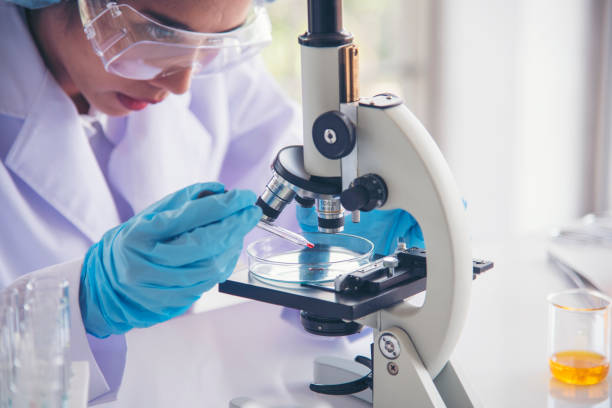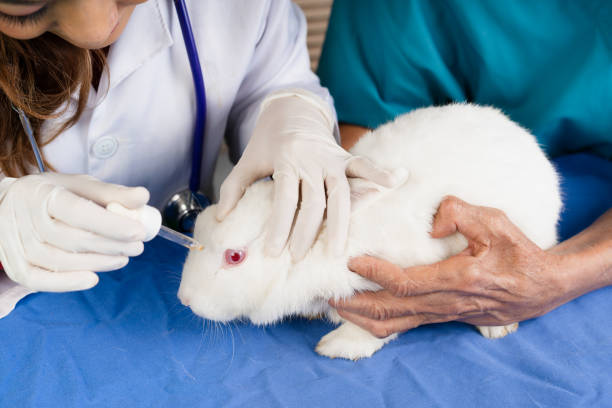
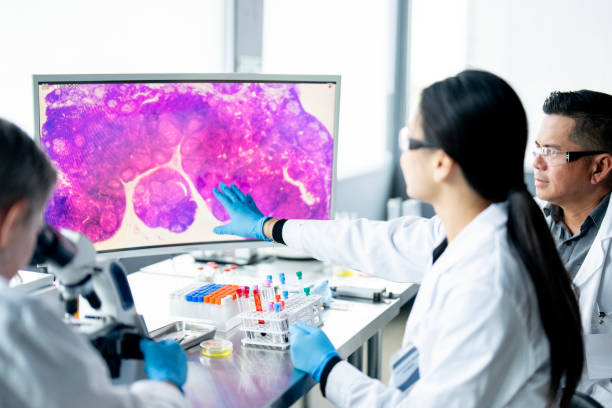
Cancer Research Scientists are experts who focus on understanding the biology of cancer, identifying therapeutic targets, and developing strategies to prevent, diagnose, or treat the disease, applying their findings to address challenges in healthcare, drug discovery, and public health. Their work involves conducting experiments, analyzing genetic and clinical data, and collaborating with interdisciplinary teams to translate research into practical medical solutions. They often operate in academic, clinical, or industrial settings, balancing rigorous scientific investigation with real-world impact. Cancer Research Scientists are essential to fields like oncology, immunotherapy, and precision medicine, serving as key contributors to science-driven solutions for cancer management, advancing therapeutic innovations, and ensuring improved patient care. They tackle critical issues through methodical research and improve outcomes through evidence-based strategies in a landscape where cancer remains a leading global health challenge due to its complexity and prevalence.
- Cancer Biology Research
- Conduct experiments to study cancer cell behavior, tumor growth, and metastasis mechanisms.
- Analyze genetic mutations and molecular pathways associated with cancer development.
- Drug Discovery and Development
- Identify and test potential therapeutic compounds for cancer treatment.
- Evaluate drug efficacy and safety through preclinical and clinical studies.
- Diagnostic Tool Development
- Develop and validate biomarkers for early cancer detection and prognosis.
- Design diagnostic assays to improve accuracy in identifying cancer types and stages.
- Reporting and Communication
- Prepare scientific papers, grants, and presentations to share research findings with the scientific community.
- Communicate complex cancer research concepts to clinicians, policymakers, and the public.
- Clinical Research and Trials
- Collaborate with medical teams to design and monitor clinical trials for new cancer therapies.
- Analyze patient data to assess treatment outcomes and side effects.
- Laboratory Management and Safety
- Oversee laboratory operations, ensuring compliance with ethical and safety standards.
- Maintain protocols for handling hazardous materials and biological samples.
- Consulting and Advisory
- Advise healthcare providers, organizations, or governments on cancer treatment strategies.
- Offer insights on emerging trends in cancer research and therapeutic approaches.
- Research and Development
- Innovate new techniques for studying cancer, such as gene editing or organoid models.
- Contribute to academic publications or industry advancements in oncology.
- Technology Integration
- Use bioinformatics tools to analyze cancer genomics and proteomic data.
- Leverage advanced imaging and AI for tumor analysis and drug screening.
- Interdisciplinary Collaboration
- Work with oncologists, geneticists, and data scientists to integrate cancer research into broader health initiatives.
- Partner with global health organizations for coordinated efforts in cancer prevention and treatment.
| Route | Steps |
| Route 1 | 1. 10+2 with Biology, Chemistry, and Physics as core subjects. 2. Bachelor's degree in Biology, Biotechnology, or Biochemistry (3-4 years). 3. Master's degree in Cancer Biology, Molecular Biology, or Oncology (2 years). 4. PhD in Cancer Research or related field (3-5 years, optional). 5. Postdoctoral research or industry experience in cancer studies (optional). |
| Route 2 | 1. 10+2 with Biology and Chemistry. 2. Bachelor's degree in Biomedical Sciences or Life Sciences (3-4 years). 3. Master's degree in Cancer Biology or Translational Medicine (2 years). 4. Specialized training in cancer research techniques (6 months-1 year). 5. Practical experience in cancer labs or internships. |
| Route 3 | 1. 10+2 with Biology and Chemistry. 2. Bachelor's degree in Medicine (MBBS) or Pharmacy (5-5.5 years). 3. Master's degree or Diploma in Oncology or Clinical Research (2-3 years). 4. Fellowship or residency in cancer research or medical oncology (1-2 years). 5. Certification in advanced cancer research techniques (optional). |
| Route 4 | 1. 10+2 with Biology and Chemistry. 2. Bachelor's degree from India in relevant field (3-4 years). 3. Master's or PhD in Cancer Biology or Oncology abroad (2-5 years). 4. Training or postdoctoral research in international cancer research programs (1-3 years). 5. Certification or licensure for international practice (if applicable). |
- Internships in cancer research labs focusing on tumour biology and drug testing.
- Research apprenticeships with academic or clinical teams for applied cancer projects.
- Observerships in hospitals or oncology centers studying cancer patient data.
- Participation in drug development projects analyzing cancer treatment efficacy.
- Training in advanced molecular tools like CRISPR and sequencing under supervision.
- Experience in clinical research units conducting cancer trials.
- Involvement in field studies for cancer epidemiology and risk factor analysis.
- Attendance at oncology or cancer research conferences and workshops.
- Exposure to interdisciplinary projects with geneticists or oncologists.
- Collaborative research in international cancer labs for global exposure.
- Bachelor’s in Biology, Biotechnology, or Biochemistry.
- Bachelor’s in Biomedical Sciences or Life Sciences.
- Master’s in Cancer Biology, Molecular Biology, or Oncology.
- PhD in Cancer Research or Tumor Immunology.
- Certification courses in Cancer Genomics and Drug Development.
- Training in Precision Oncology and Immunotherapy.
- Specialized courses in Bioinformatics for Cancer Research.
- Master’s in Clinical Research with Oncology focus.
- Continuing Education courses in Emerging Cancer Therapies.
- Short-term courses in Molecular Oncology Techniques.
| Institute | Course/Program | Official Link |
| Tata Memorial Centre, Mumbai | MSc/PhD in Cancer Biology | https://tmc.gov.in/ |
| Indian Institute of Science (IISc), Bangalore | PhD in Biological Sciences (Cancer focus) | https://www.iisc.ac.in/ |
| All India Institute of Medical Sciences (AIIMS), New Delhi | MSc/PhD in Oncology | https://www.aiims.edu/ |
| Christian Medical College (CMC), Vellore | MSc/PhD in Biomedical Sciences | https://www.cmch-vellore.edu/ |
| Jawaharlal Institute of Postgraduate Medical Education & Research (JIPMER), Puducherry | MSc/PhD in Medical Biochemistry | https://www.jipmer.edu.in/ |
| University of Hyderabad, Hyderabad | MSc/PhD in Biotechnology (Cancer focus) | https://www.uohyd.ac.in/ |
| Banaras Hindu University (BHU), Varanasi | MSc/PhD in Biochemistry | https://www.bhu.ac.in/ |
| University of Delhi, Delhi | MSc/PhD in Biomedical Sciences | https://www.du.ac.in/ |
| National Institute of Immunology (NII), New Delhi | PhD in Immunology (Cancer focus) | https://www.nii.res.in/ |
| Amity Institute of Biotechnology, Noida | MSc in Cancer Biology | https://www.amity.edu/ |
| Institution | Course | Country | Official Link |
| Harvard University | PhD in Cancer Biology | USA | https://www.harvard.edu/ |
| University of Oxford | MSc/DPhil in Oncology | UK | https://www.ox.ac.uk/ |
| Johns Hopkins University | PhD in Oncology | USA | https://www.jhu.edu/ |
| University of Cambridge | MPhil/PhD in Cancer Sciences | UK | https://www.cam.ac.uk/ |
| University of California, San Francisco (UCSF) | PhD in Biomedical Sciences (Cancer focus) | USA | https://www.ucsf.edu/ |
| Stanford University | PhD in Cancer Biology | USA | https://www.stanford.edu/ |
| University of Toronto | MSc/PhD in Medical Biophysics (Cancer focus) | Canada | https://www.utoronto.ca/ |
| Australian National University (ANU) | MSc/PhD in Cancer Research | Australia | https://www.anu.edu.au/ |
| National University of Singapore (NUS) | MSc/PhD in Cancer Science | Singapore | https://www.nus.edu.sg/ |
| Karolinska Institutet | MSc/PhD in Oncology | Sweden | https://ki.se/en |
India:
- National Eligibility cum Entrance Test (NEET) for medical-related undergraduate programs.
- Graduate Aptitude Test in Engineering (GATE) for Master's programs in Biotechnology at IITs and other institutes.
- Council of Scientific and Industrial Research (CSIR) NET for research fellowships and PhD programs.
- Indian Council of Medical Research (ICMR) JRF for cancer research fellowships.
- University-specific entrance exams for Master's and PhD programs in Cancer Research (e.g., JIPMER Entrance, AIIMS PG).
International:
- Graduate Record Examination (GRE) for postgraduate programs in Cancer Research in the USA and Canada.
- International English Language Testing System (IELTS) with a minimum score of 6.5-7.0 for international programs.
- Test of English as a Foreign Language (TOEFL) with a minimum score of 90-100 for programs in English-speaking countries.
- University-specific entrance exams for international Master's or PhD programs in related fields.
- Australian Education Assessment Services for programs in Australia.
- Specific fellowship or scholarship exams for international research opportunities.
Undergraduate Student → Graduate Trainee (Master's) → Junior Cancer Research Scientist → Established Cancer Research Scientist → Senior Cancer Research Scientist/Research Lead → Program Director/Professor
- Academic institutions conducting cancer research and teaching.
- Government health agencies focusing on cancer prevention and policy.
- Pharmaceutical companies developing cancer drugs and therapies.
- Clinical research organizations managing cancer trials.
- Hospitals and cancer centers studying patient outcomes and treatments.
- Biotechnology firms innovating cancer diagnostics and therapies.
- Research institutes studying cancer biology and epidemiology.
- Non-profit organizations funding and advocating for cancer research.
- Public health organizations designing cancer screening programs.
- International health bodies addressing global cancer challenges.
| India | International |
| Tata Memorial Centre, Mumbai | National Cancer Institute (NCI), USA |
| Indian Council of Medical Research (ICMR) | Cancer Research UK, UK |
| All India Institute of Medical Sciences (AIIMS) | American Cancer Society, USA |
| Christian Medical College (CMC), Vellore | Pfizer (Oncology Division), Global |
| Rajiv Gandhi Cancer Institute, Delhi | Roche (Oncology Division), Global |
| Apollo Cancer Institutes, Multiple Locations | Novartis (Oncology Division), Global |
| Kidwai Memorial Institute of Oncology, Bangalore | Merck (Oncology Division), Global |
| Adyar Cancer Institute, Chennai | Bristol Myers Squibb, Global |
| HCG Cancer Centre, Multiple Locations | AstraZeneca (Oncology Division), Global |
| Public Health Foundation of India (PHFI) | World Health Organization (WHO), Global |
| Pros | Cons |
| Significant contribution to global health through research on cancer prevention and treatment. | High pressure to secure funding and publish results in a highly competitive field. |
| Intellectually stimulating work combining biology, chemistry, and clinical science in cancer research. | Long and unpredictable hours, especially during critical research phases or clinical trials. |
| High demand due to the increasing global burden of cancer and need for innovative therapies. | Emotional toll of working on a disease with high mortality rates and patient suffering. |
| Opportunities for innovation in immunotherapy, precision medicine, and cancer diagnostics. | Limited immediate impact, as translating research to treatments can take years or decades. |
| Growing relevance due to aging populations and rising cancer incidence worldwide. | Requires continuous learning to keep up with rapidly evolving technologies and research. |
- Precision Oncology: Increasing focus on personalized cancer treatments based on genetic and molecular profiling of tumors.
- Immunotherapy Advancements: Growing emphasis on therapies like CAR-T cell therapy and immune checkpoint inhibitors to harness the immune system against cancer.
- Cancer Genomics: Enhanced use of next-generation sequencing to identify actionable mutations and develop targeted therapies.
- Artificial Intelligence and Big Data: Rising integration of AI and machine learning for drug discovery, patient stratification, and predicting treatment outcomes.
- Liquid Biopsies: Development of non-invasive diagnostic tools to detect cancer through blood tests for early intervention.
- Combination Therapies: Research into combining drugs, immunotherapies, and radiation to improve treatment efficacy and overcome resistance.
- Cancer Prevention and Early Detection: Greater focus on identifying risk factors and biomarkers for early-stage cancer screening.
- Global Collaboration: Increased partnerships between research institutes, governments, and industries to tackle cancer on a global scale.
- Epigenetics and Tumour Microenvironment: Expanding studies on how epigenetic changes and surrounding tissues influence cancer progression.
- Patient-Centric Research: Growing trend towards incorporating patient data and feedback into clinical trial designs and treatment strategies.
| Career Level | India (₹ per annum) | International (US$ per annum) |
| Trainee/Graduate Student | 2,00,000 - 4,00,000 | $25,000 - $35,000 |
| Junior Cancer Research Scientist | 4,00,000 - 8,00,000 | $40,000 - $60,000 |
| Established Cancer Research Scientist | 8,00,000 - 15,00,000 | $60,000 - $90,000 |
| Senior Cancer Research Scientist/Research Lead | 15,00,000 - 25,00,000 | $90,000 - $120,000 |
| Program Director/Professor | 25,00,000 - 40,00,000 | $120,000 - $160,000 |
- Molecular Analysis Tools: Software like BioEdit and PyMOL for analyzing cancer-related genetic sequences and protein structures.
- Bioinformatics Platforms: Tools like BLAST, TCGA, and cBioPortal for cancer genomics and data mining.
- Data Visualization Tools: Software like Tableau and GraphPad Prism for presenting cancer research findings graphically.
- Laboratory Information Systems: Platforms for managing cancer sample data and experimental workflows.
- Statistical Analysis Tools: Software like R and SPSS for analyzing clinical trial data and cancer epidemiology.
- Genomic Sequencing Tools: Platforms like Illumina BaseSpace and Galaxy for processing cancer sequencing data.
- Drug Discovery Software: Tools like Schrödinger and AutoDock for modeling drug interactions with cancer targets.
- Database Management Platforms: SQL for querying and managing large cancer research datasets.
- AI and Machine Learning Tools: Libraries like TensorFlow and scikit-learn for predictive modeling in cancer research.
- Collaboration Platforms: For interdisciplinary teamwork and data sharing with researchers and clinical professionals.
- American Association for Cancer Research (AACR)
- European Association for Cancer Research (EACR)
- Indian Association for Cancer Research (IACR)
- International Agency for Research on Cancer (IARC)
- Cancer Research Institute (CRI), USA
- Oncology Nursing Society (ONS)
- Society for Immunotherapy of Cancer (SITC)
- Australian Society for Medical Research (ASMR)
- Asian Pacific Organization for Cancer Prevention (APOCP)
- Global Alliance for Cancer Research (GACR)
- Dr. Sidney Farber (Historical, USA): Known as the "father of modern chemotherapy" for pioneering cancer drug treatments, active from the 1940s to 1970s at Harvard Medical School.
- Dr. Mary-Claire King (Historical, USA): Recognized for discovering the BRCA1 gene linked to breast cancer, active since the 1970s at University of Washington.
- Dr. Harold Varmus (Historical, USA): Noted for research on retroviral oncogenes, active since the 1970s at NIH, Nobel Prize winner in 1989.
- Dr. Elizabeth Blackburn (Historical, Australia/USA): Known for discovering telomerase and its role in cancer, active since the 1970s at UCSF, Nobel Prize winner in 2009.
- Dr. Bert Vogelstein (Contemporary, USA): Recognized for groundbreaking work on the genetic basis of colorectal cancer, active since the 1980s at Johns Hopkins University.
- Dr. Robert Weinberg (Contemporary, USA): Noted for identifying the first human oncogene and tumor suppressor gene, active since the 1970s at MIT.
- Dr.Padmanee Sharma (Contemporary, USA): Known for contributions to cancer immunotherapy and checkpoint inhibitors, active since the 2000s at MD Anderson Cancer Center.
- Dr. Anil D’Cruz (Contemporary, India): Recognized for advancements in head and neck cancer research, active since the 1980s at Tata Memorial Centre.
- Dr.RengaswamySankaranarayanan (Contemporary, India): Noted for work on cancer prevention and early detection in low-resource settings, active since the 1980s at IARC.
- Dr. V. Shanta (Historical, India): Known for pioneering affordable cancer care and research in India, active from the 1950s to 2021 at Adyar Cancer Institute.
- Build a strong foundation in biology, chemistry, and molecular sciences during undergraduate studies to prepare for specialized learning.
- Seek early exposure through internships or lab projects to gain practical experience in cancer research techniques.
- Develop technical skills in molecular biology tools like CRISPR and sequencing during Master's or PhD programs for a competitive edge.
- Engage in interdisciplinary learning by exploring genomics, immunology, and bioinformatics alongside cancer research.
- Pursue research opportunities or fellowships to deepen expertise in niche areas like immunotherapy or cancer genomics.
- Cultivate mentoring relationships with established cancer researchers for career guidance and networking opportunities.
- Stay updated with advancements in cancer therapies, diagnostic technologies, and precision medicine strategies.
- Publish research findings or cancer studies in scientific journals to establish credibility and contribute to the field.
- Consider international exposure through collaborative projects, conferences, or advanced research abroad to broaden perspectives.
- Balance technical expertise with communication skills to present complex cancer research to non-scientific stakeholders effectively.
A career as a Cancer Research Scientist offers a unique opportunity to impact global health, scientific discovery, and societal well-being by unraveling the complexities of cancer. From investigating tumor biology to developing life-changing therapies, Cancer Research Scientists play a pivotal role in addressing one of the world's most pressing health challenges. This field combines rigorous scientific inquiry, interdisciplinary collaboration, and technological innovation, offering diverse paths in research, clinical translation, and policy roles. For those passionate about biology, problem-solving, and improving patient outcomes, a career as a Cancer Research Scientist provides a deeply rewarding journey with significant potential for making meaningful contributions to society in an era where cancer continues to shape health strategies, medical innovations, and global responses across all sectors.