Biochemist

Summary

A Biochemist is a scientist who studies the chemical processes and substances that occur within living organisms, focusing on molecules like proteins, DNA, and lipids to understand biological functions

Share :

Biochemist Mind Map

Tap any branch to jump straight to the matching accordion sectionโ€”Overview, Education, Career Path, Industry Insights, Resources, or Conclusionโ€”and explore the detailed guidance below.

Interactive map of Biochemist learning paths Overview Role, mission, mindset Introduction & Summary Education Study routes & eligibility Courses & specializations Career Path Career progression Employment areas Recruiters Industry Insights Industry trends Future outlook Pros & cons Resources Career media FAQs

Each colorful branch maps to an accordion section belowโ€”click to reveal overview, study plans, role journeys, industry insights, practice resources, or concluding tips.

Overview

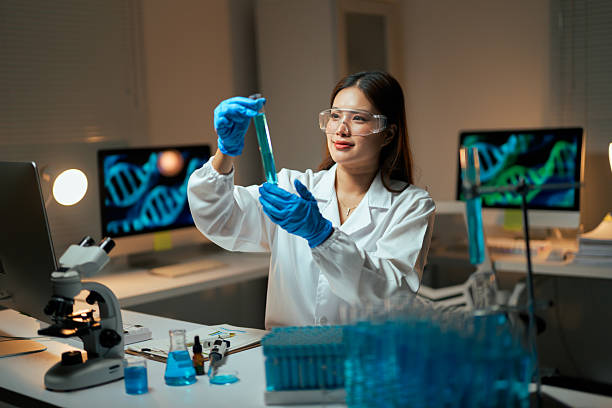
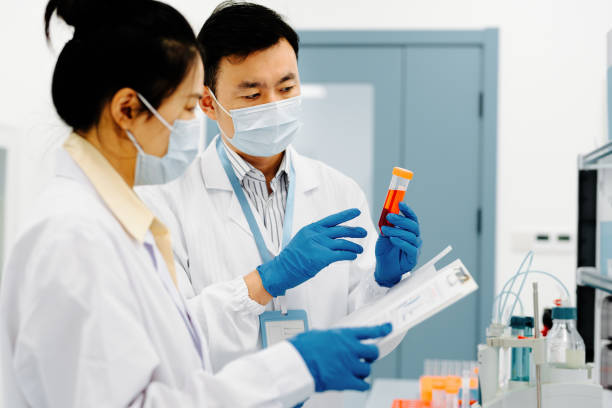
A Biochemist is a scientist who studies the chemical processes and substances that occur within living organisms, focusing on molecules like proteins, DNA, and lipids to understand biological functions. They work in research laboratories, pharmaceutical companies, universities, or healthcare settings, collaborating with biologists, chemists, and medical professionals. Biochemists play a crucial role in advancing medical treatments, agricultural innovations, and environmental solutions through scientific discovery in a field driven by precision, innovation, and interdisciplinary research.
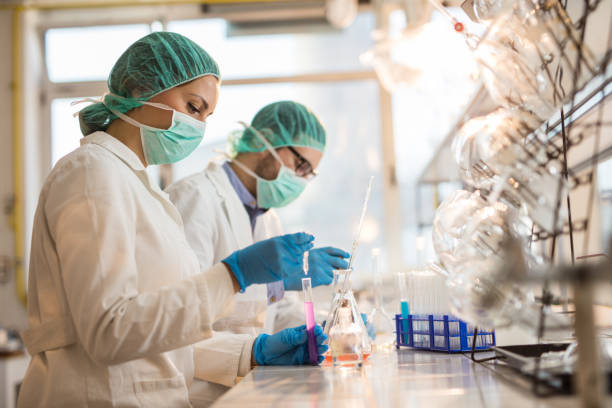
Biochemists are analytical and detail-oriented professionals who work in controlled lab environments or clinical settings, using advanced tools such as spectrometers, chromatographs, and molecular modelling software. Their role involves conducting experiments, analyzing biochemical data, and developing applications like new drugs or diagnostic tests, often facing challenges such as complex molecular interactions or ethical considerations. They combine expertise in chemistry, biology, and technology to address issues ranging from disease mechanisms to metabolic engineering. As key contributors to scientific progress and human welfare, they help shape the future of health and sustainability in an industry increasingly driven by personalized medicine, synthetic biology, and bioinformatics.

Roles and Responsibilities

๐Ÿ’ผ
Biochemist
Roles and Responsibilities
Molecular Research and Experimentation
Conduct experiments to study the structure and function of biomolecules like enzymes or nucleic acids.
Investigate chemical reactions within cells to understand metabolic pathways.
Biochemical Analysis and Data Interpretation
Use analytical techniques like mass spectrometry to identify and quantify biomolecules.
Interpret data to uncover insights into biological processes or disease mechanisms.
Drug Development and Testing
Design and test new pharmaceuticals by studying molecular interactions with biological targets.
Collaborate on clinical trials to assess drug efficacy and safety.
Genetic and Protein Engineering
Modify proteins or genes to study their functions or develop therapeutic agents.
Apply techniques like recombinant DNA technology for biotechnological innovations.
Quality Control and Assurance
Ensure biochemical products or processes meet regulatory and safety standards.
Test samples for purity, stability, or contamination in production settings.
Environmental and Agricultural Applications
Study biochemical solutions for environmental issues like pollution or soil fertility.
Develop biofertilizers or pesticides through biochemical research.
Research Documentation and Publication
Record experimental procedures and results for scientific validation and reproducibility.
Publish findings in peer-reviewed journals and present at conferences.
Interdisciplinary Collaboration
Work with biologists, pharmacologists, and engineers on projects like tissue engineering.
Integrate biochemical insights with other scientific fields for holistic solutions.
Teaching and Mentorship
Educate students or junior researchers in biochemistry principles and lab techniques.
Supervise research projects and guide career development in academic settings.
Scientific Foundation:
Strong understanding of chemistry and biology is essential for molecular research.
Analytical Skills:
Training in experimental design and data analysis develops core research competencies.
Specialized Training:
Certifications in bioinformatics or analytical techniques are critical for advanced roles.
Technology Proficiency:
Familiarity with lab equipment and computational tools is vital for modern biochemistry.
Interdisciplinary Knowledge:
Understanding genetics, pharmacology, and biophysics enhances project impact.
Certification Importance:
Specialized courses or certifications boost professional credibility in niche areas.
Continuing Education:
Regular updates on biochemical advancements and regulations are necessary to stay relevant.
Global Standards:
Familiarity with international research guidelines enhances opportunities for global roles.
Attention to Detail:
Precision in experiments and data recording is critical for reliable outcomes.
Entrance Examination Success:
Competitive exams are often required for admission to top programs.
International Testing Requirements:
Language proficiency tests like IELTS may be needed for global opportunities.
JEE Main (Joint Entrance Examination):
For admission to B.Tech programs in Biotechnology with Biochemistry focus at IITs and NITs.
JEE Advanced:
For admission to Biotechnology programs with Biochemistry electives at Indian Institutes of Technology (IITs).
NEET (National Eligibility cum Entrance Test):
For admission to integrated life sciences or biochemistry programs with medical focus at some institutes.
GATE (Graduate Aptitude Test in Engineering):
For admission to M.Tech programs in Biotechnology or Biochemistry at IITs and other top institutes.
JNU CEEB (Combined Entrance Examination for Biotechnology):
Conducted by Jawaharlal Nehru University for M.Sc Biochemistry admissions across participating universities.
DUET (Delhi University Entrance Test):
For admission to M.Sc programs in Biochemistry at Delhi University.
GRE (Graduate Record Examination):
Required for MS or Ph.D. admissions in Biochemistry at universities in the USA, Canada, and other countries.
GRE Subject Test (Biochemistry, Cell and Molecular Biology):
Often required for graduate programs in Biochemistry in the USA.
TOEFL (Test of English as a Foreign Language):
Minimum score of 80-100 required for non-native speakers applying to programs in English-speaking countries like the USA, Canada, or Australia.
IELTS (International English Language Testing System):
Minimum score of 6.0-7.0 required for admission to universities in the UK, Australia, and other English-speaking regions for Biochemistry courses.
SAT (Scholastic Aptitude Test):
Often required for undergraduate admissions in the USA or Canada for programs leading to Biochemistry studies.
ACT (American College Testing):
An alternative to SAT for undergraduate admissions in the USA for Life Sciences or Biochemistry-related programs.
Digital Transformation:
Increasing focus on bioinformatics and AI for molecular modeling and data analysis.
Rising Demand:
Growing need for Biochemists skilled in personalized medicine and synthetic biology.
Technology Impact:
Enhanced use of CRISPR and high-throughput screening for innovative therapies.
Interdisciplinary Focus:
Emergence of collaboration with data scientists and pharmacologists.
AI and Biochemical Tools:
Adoption of AI for predicting protein interactions and drug outcomes.
Global Market Needs:
Development of biochemical solutions for pandemics and chronic diseases.
Compliance-Centric Market:
Use of data to enhance regulatory transparency and safety.
Skill Development Needs:
Growing necessity for training in computational biochemistry and ethics.
Sustainability Focus:
Increased efforts to develop bio-based materials and green chemistry.
Hybrid Research Models:
Blending lab-based experiments with digital simulations for efficiency.
Linus Pauling (USA):
Pioneered research on protein structure and chemical bonding, earning two Nobel Prizes. His work laid foundations for modern biochemistry. His impact shapes molecular science.
Kary Mullis (USA):
Invented the Polymerase Chain Reaction (PCR), revolutionizing DNA amplification. His innovation transformed genetic research. His contributions enable diagnostics.
KiranMazumdar-Shaw (India):
Founder of Biocon, known for advancing affordable biopharmaceuticals through biochemical research. Her leadership boosts healthcare access. Her impact drives biotech equity.
VenkiRamakrishnan (India/UK):
Nobel laureate for ribosome structure research, revealing protein synthesis mechanisms. His discoveries advance drug design. His contributions reshape therapeutics.
Ada Yonath (Israel):
Nobel laureate for studies on ribosome structure, aiding antibiotic development. Her work tackles bacterial resistance. Her impact enhances medical solutions.
Frederick Sanger (UK):
Developed DNA sequencing methods, earning two Nobel Prizes for protein and nucleic acid research. His techniques underpin genomics. His impact revolutionizes biochemistry.
G.N. Ramachandran (India):
Known for the Ramachandran plot, a tool for protein structure analysis. His contributions guide structural biology. His impact strengthens molecular research.
Jennifer Doudna (USA):
Co-inventor of CRISPR-Cas9, enabling precise gene editing with biochemical applications. Her innovation drives genetic therapies. Her impact transforms biotech.
Emmanuelle Charpentier (France/Germany):
Co-inventor of CRISPR-Cas9, revolutionizing biochemical approaches to gene editing. Her work enables precision medicine. Her contributions redefine research.
Cyrus Chothia (India/UK):
Known for protein structure classification, advancing computational biochemistry. His frameworks aid drug discovery. His impact enhances structural insights.

Roles and Responsibilities

  • Molecular Research and Experimentation
    • Conduct experiments to study the structure and function of biomolecules like enzymes or nucleic acids.
    • Investigate chemical reactions within cells to understand metabolic pathways.
  • Biochemical Analysis and Data Interpretation
    • Use analytical techniques like mass spectrometry to identify and quantify biomolecules.
    • Interpret data to uncover insights into biological processes or disease mechanisms.
  • Drug Development and Testing
    • Design and test new pharmaceuticals by studying molecular interactions with biological targets.
    • Collaborate on clinical trials to assess drug efficacy and safety.
  • Genetic and Protein Engineering
    • Modify proteins or genes to study their functions or develop therapeutic agents.
    • Apply techniques like recombinant DNA technology for biotechnological innovations.
  • Quality Control and Assurance
    • Ensure biochemical products or processes meet regulatory and safety standards.
    • Test samples for purity, stability, or contamination in production settings.
  • Environmental and Agricultural Applications
    • Study biochemical solutions for environmental issues like pollution or soil fertility.
    • Develop biofertilizers or pesticides through biochemical research.
  • Research Documentation and Publication
    • Record experimental procedures and results for scientific validation and reproducibility.
    • Publish findings in peer-reviewed journals and present at conferences.
  • Interdisciplinary Collaboration
    • Work with biologists, pharmacologists, and engineers on projects like tissue engineering.
    • Integrate biochemical insights with other scientific fields for holistic solutions.
  • Teaching and Mentorship
    • Educate students or junior researchers in biochemistry principles and lab techniques.
    • Supervise research projects and guide career development in academic settings.

ย 

Study Route & Eligibility Criteria

RouteSteps
Route 11. 10+2 in Science stream (with Biology, Chemistry, and Physics)
2. Bachelorโ€™s degree in Biochemistry or related field (3-4 years)
3. Internship or research assistant role in labs
4. Practice as Junior Biochemist or Research Associate
Route 21. 10+2 in Science stream with Biology and Chemistry
2. Bachelorโ€™s degree in Life Sciences or Chemistry (3-4 years)
3. Masterโ€™s degree in Biochemistry (1-2 years)
4. Gain practical experience through research projects
5. Work as Biochemist or Scientist
Route 31. 10+2 in Science with Mathematics and Biology
2. B.Tech in Biotechnology with Biochemistry focus (4 years)
3. Certification or short-term course in biochemical techniques (3-6 months)
4. Internship in biotech or pharmaceutical companies
5. Practice as Biochemical Engineer or Specialist
Route 41. 10+2 in Science stream
2. Bachelorโ€™s degree in Biochemistry or related field (3-4 years)
3. Ph.D. in Biochemistry or specialized area (3-5 years)
4. Post-doctoral research or industry role
5. Practice as Senior Biochemist or Consultant

ย 

Significant Observations (Academic Related Points)

  • Scientific Foundation:ย Strong understanding of chemistry and biology is essential for molecular research.
  • Analytical Skills:ย Training in experimental design and data analysis develops core research competencies.
  • Specialized Training:ย Certifications in bioinformatics or analytical techniques are critical for advanced roles.
  • Technology Proficiency:ย Familiarity with lab equipment and computational tools is vital for modern biochemistry.
  • Interdisciplinary Knowledge:ย Understanding genetics, pharmacology, and biophysics enhances project impact.
  • Certification Importance:ย Specialized courses or certifications boost professional credibility in niche areas.
  • Continuing Education:ย Regular updates on biochemical advancements and regulations are necessary to stay relevant.
  • Global Standards:ย Familiarity with international research guidelines enhances opportunities for global roles.
  • Attention to Detail:ย Precision in experiments and data recording is critical for reliable outcomes.
  • Entrance Examination Success:ย Competitive exams are often required for admission to top programs.
  • International Testing Requirements:ย Language proficiency tests like IELTS may be needed for global opportunities.

ย 

Internships & Practical Exposure

  • Mandatory internships during degree programs at biochemistry labs or pharmaceutical companies for real-world experience.
  • Rotations in clinical research or quality control teams for hands-on exposure to biochemical applications.
  • Internships under experienced Biochemists for training in advanced techniques like protein purification.
  • Observerships at hospitals or agricultural research centers for applied biochemical insights.
  • Participation in mock research projects for skill development in experimental design and analysis.
  • Training in bioinformatics tools through real-world projects like enzyme modeling or metabolic mapping.
  • Exposure to regulatory documentation during internships for skills in compliance and patent filing.
  • Volunteer roles in community health or environmental initiatives to build a portfolio.
  • Community engagement projects for promoting biochemical awareness and sustainable practices.
  • International research attachments for global exposure to cutting-edge biochemical innovations and practices.

ย 

Courses & Specializations to Enter the Field

  • Certificate in Biochemistry or Molecular Biology.
  • Bachelorโ€™s in Biochemistry, Chemistry, or Life Sciences.
  • Masterโ€™s in Biochemistry, Molecular Biology, or Biotechnology.
  • B.Tech/M.Tech in Biotechnology with Biochemistry focus.
  • Specialization in Clinical Biochemistry or Enzymology.
  • Ph.D. in Biochemistry for advanced research roles.
  • Workshops on Protein Chemistry, Metabolomics, or Bioinformatics.
  • Training in Drug Discovery or Biochemical Engineering.
  • Specialization in Nutritional Biochemistry or Environmental Biochemistry.
  • Certification in Data Analysis for Biochemical Research (e.g., R, Python).

ย 

Top Institutes for Biochemistry Education (India)

InstituteCourse/ProgramOfficial Link
Indian Institute of Science (IISc), BangaloreM.Sc/Ph.D. in Biochemistryhttps://www.iisc.ac.in/
University of Delhi, DelhiB.Sc/M.Sc in Biochemistryhttps://www.du.ac.in/
Jawaharlal Nehru University (JNU), New DelhiM.Sc/Ph.D. in Life Sciences & Biochemistryhttps://www.jnu.ac.in/
University of Madras, ChennaiM.Sc/Ph.D. in Biochemistryhttps://www.unom.ac.in/
Banaras Hindu University (BHU), VaranasiB.Sc/M.Sc in Biochemistryhttps://www.bhu.ac.in/
University of Hyderabad, HyderabadM.Sc/Ph.D. in Biochemistryhttps://www.uohyd.ac.in/
Aligarh Muslim University (AMU), AligarhM.Sc/Ph.D. in Biochemistryhttps://www.amu.ac.in/
University of Calcutta, KolkataM.Sc/Ph.D. in Biochemistryhttps://www.caluniv.ac.in/
VIT University, VelloreB.Tech/M.Tech in Biotechnology with Biochemistryhttps://www.vit.ac.in/
Jamia Millia Islamia, New DelhiM.Sc in Biochemistryhttps://www.jmi.ac.in/

ย 

Top International Institutes

InstitutionCourseCountryOfficial Link
Harvard UniversityBS/MS/Ph.D. in Biochemistry & Molecular BiologyUSAhttps://www.harvard.edu/
University of CambridgeMPhil/Ph.D. in BiochemistryUKhttps://www.cam.ac.uk/
Massachusetts Institute of Technology (MIT)BS/MS/Ph.D. in BiochemistryUSAhttps://www.mit.edu/
University of TorontoBS/MS in BiochemistryCanadahttps://www.utoronto.ca/
University of OxfordMS/Ph.D. in BiochemistryUKhttps://www.ox.ac.uk/
ETH ZurichMS/Ph.D. in BiochemistrySwitzerlandhttps://www.ethz.ch/
University of California, BerkeleyBS/MS/Ph.D. in Biochemistry & Molecular BiologyUSAhttps://www.berkeley.edu/
National University of Singapore (NUS)BS/MS in Life Sciences & BiochemistrySingaporehttps://www.nus.edu.sg/
University of QueenslandBS/MS in BiochemistryAustraliahttps://www.uq.edu.au/
Karolinska InstitutetMS/Ph.D. in Medical BiochemistrySwedenhttps://www.ki.se/

ย 

Entrance Tests Required

India:

  • JEE Main (Joint Entrance Examination):ย For admission to B.Tech programs in Biotechnology with Biochemistry focus at IITs and NITs.
  • JEE Advanced:ย For admission to Biotechnology programs with Biochemistry electives at Indian Institutes of Technology (IITs).
  • NEET (National Eligibility cum Entrance Test):ย For admission to integrated life sciences or biochemistry programs with medical focus at some institutes.
  • GATE (Graduate Aptitude Test in Engineering):ย For admission to M.Tech programs in Biotechnology or Biochemistry at IITs and other top institutes.
  • JNU CEEB (Combined Entrance Examination for Biotechnology):ย Conducted by Jawaharlal Nehru University for M.Sc Biochemistry admissions across participating universities.
  • DUET (Delhi University Entrance Test):ย For admission to M.Sc programs in Biochemistry at Delhi University.


International:

  • GRE (Graduate Record Examination):ย Required for MS or Ph.D. admissions in Biochemistry at universities in the USA, Canada, and other countries.
  • GRE Subject Test (Biochemistry, Cell and Molecular Biology):ย Often required for graduate programs in Biochemistry in the USA.
  • TOEFL (Test of English as a Foreign Language):ย Minimum score of 80-100 required for non-native speakers applying to programs in English-speaking countries like the USA, Canada, or Australia.
  • IELTS (International English Language Testing System):ย Minimum score of 6.0-7.0 required for admission to universities in the UK, Australia, and other English-speaking regions for Biochemistry courses.
  • SAT (Scholastic Aptitude Test):ย Often required for undergraduate admissions in the USA or Canada for programs leading to Biochemistry studies.
  • ACT (American College Testing):ย An alternative to SAT for undergraduate admissions in the USA for Life Sciences or Biochemistry-related programs.

ย 

Ideal Progressing Career Pathย 

Biochemistry Intern โ†’ Junior Biochemist โ†’ Research Associate โ†’ Biochemist โ†’ Senior Biochemist โ†’ Biochemistry Project Manager โ†’ Director of Research & Development โ†’ Chief Scientific Officer โ†’ Biochemistry Consultant โ†’ Biochemistry Professor

ย 

Major Areas of Employment

  • Pharmaceutical companies for drug discovery and development.
  • Biotechnology firms for genetic engineering and bioproduct innovation.
  • Healthcare sectors for clinical diagnostics and therapeutic research.
  • Academic institutions for teaching and fundamental research.
  • Agricultural industries for biofertilizers and crop improvement solutions.
  • Environmental agencies for biochemical solutions to pollution and sustainability.
  • Food and beverage industries for nutritional analysis and food safety.
  • Government bodies for regulatory oversight and public health research.
  • Research institutes for applied and translational biochemical studies.
  • Freelance consulting for specialized biochemical project advisory services.

ย 

Prominent Employers

IndiaInternational
BioconPfizer, Global
Serum Institute of IndiaRoche, Global
Dr. Reddyโ€™s LaboratoriesNovartis, Global
CiplaAmgen, Global
Sun Pharmaceutical IndustriesGilead Sciences, Global
Lupin LimitedJohnson & Johnson, Global
Zydus CadilaMerck & Co., Global
Bharat BiotechAstraZeneca, Global
Panacea BiotecGlaxoSmithKline (GSK), Global
Intas PharmaceuticalsBristol Myers Squibb, Global

ย 

Pros and Cons of the Profession

ProsCons
Opportunity to contribute to life-changing scientific discoveriesOften involves long hours in lab or research settings
High personal satisfaction in solving health and environmental challengesCan face slow progress due to complex research timelines
Rewarding impact on medicine, agriculture, and sustainabilityMay require continuous learning to keep up with rapid advancements
Diverse career paths across industries and researchRisk of ethical dilemmas in areas like genetic research
Strong potential for growth with increasing biotech demandLimited control over funding or regulatory constraints

ย 

Industry Trends and Future Outlook

  • Digital Transformation:ย Increasing focus on bioinformatics and AI for molecular modeling and data analysis.
  • Rising Demand:ย Growing need for Biochemists skilled in personalized medicine and synthetic biology.
  • Technology Impact:ย Enhanced use of CRISPR and high-throughput screening for innovative therapies.
  • Interdisciplinary Focus:ย Emergence of collaboration with data scientists and pharmacologists.
  • AI and Biochemical Tools:ย Adoption of AI for predicting protein interactions and drug outcomes.
  • Global Market Needs:ย Development of biochemical solutions for pandemics and chronic diseases.
  • Compliance-Centric Market:ย Use of data to enhance regulatory transparency and safety.
  • Skill Development Needs:ย Growing necessity for training in computational biochemistry and ethics.
  • Sustainability Focus:ย Increased efforts to develop bio-based materials and green chemistry.
  • Hybrid Research Models:ย Blending lab-based experiments with digital simulations for efficiency.

ย 

Salary Expectations

Career LevelIndia (โ‚น per annum)International (USD per annum)
Biochemistry Intern (Early Career)2,50,000 - 5,00,00030,000 - 50,000
Junior Biochemist (Mid-Career)5,00,000 - 10,00,00050,000 - 70,000
Biochemist10,00,000 - 18,00,00070,000 - 100,000
Senior Biochemist/Project Manager18,00,000 - 30,00,000100,000 - 140,000
Chief Scientific Officer/Expert30,00,000+140,000+
Note: Salaries may vary based on location, employer, experience, and specialization.ย ย 

ย 

Key Software Tools

  • Bioinformatics Software (e.g., BLAST, ClustalW) for sequence analysis.
  • Molecular Modeling Tools (e.g., PyMOL, Chimera) for protein structure visualization.
  • Data Analysis Platforms (e.g., R, Python) for biochemical data processing.
  • Lab Management Software (e.g., LabArchives, Benchling) for experiment tracking.
  • Genomic Analysis Tools (e.g., GATK, SAMtools) for DNA/RNA data interpretation.
  • Biochemical Simulation Software (e.g., COPASI) for metabolic pathway modeling.
  • Statistical Software (e.g., SPSS, GraphPad Prism) for experimental data analysis.
  • Cloud Storage (e.g., Google Drive, Dropbox) for collaborative research data.
  • AI Tools (e.g., AlphaFold) for protein structure prediction.
  • Electronic Lab Notebooks (e.g., ELN by PerkinElmer) for digital record-keeping.

ย 

Professional Organizations and Networks

  • Biochemical Society, UK/Global.
  • American Society for Biochemistry and Molecular Biology (ASBMB), USA/Global.
  • Federation of European Biochemical Societies (FEBS), Europe.
  • Indian Society of Agricultural Biochemists (ISAB), India.
  • Biotechnology and Biochemistry Society of India (BBSI), India.
  • International Union of Biochemistry and Molecular Biology (IUBMB), Global.
  • Society for Biological Chemists (India), India.
  • Protein Society, USA/Global.
  • Asia-Pacific Biochemistry Network (APBioNet), Asia-Pacific.
  • World Biochemical Congress, Global.

ย 

Notable Biochemists and Industry Leaders (Top 10)

  • Linus Pauling (USA):ย Pioneered research on protein structure and chemical bonding, earning two Nobel Prizes. His work laid foundations for modern biochemistry. His impact shapes molecular science.
    ย 
  • Kary Mullis (USA):ย Invented the Polymerase Chain Reaction (PCR), revolutionizing DNA amplification. His innovation transformed genetic research. His contributions enable diagnostics.
    ย 
  • KiranMazumdar-Shaw (India):ย Founder of Biocon, known for advancing affordable biopharmaceuticals through biochemical research. Her leadership boosts healthcare access. Her impact drives biotech equity.
    ย 
  • VenkiRamakrishnan (India/UK):ย Nobel laureate for ribosome structure research, revealing protein synthesis mechanisms. His discoveries advance drug design. His contributions reshape therapeutics.
    ย 
  • Ada Yonath (Israel):ย Nobel laureate for studies on ribosome structure, aiding antibiotic development. Her work tackles bacterial resistance. Her impact enhances medical solutions.
    ย 
  • Frederick Sanger (UK):ย Developed DNA sequencing methods, earning two Nobel Prizes for protein and nucleic acid research. His techniques underpin genomics. His impact revolutionizes biochemistry.
    ย 
  • G.N. Ramachandran (India):ย Known for the Ramachandran plot, a tool for protein structure analysis. His contributions guide structural biology. His impact strengthens molecular research.
    ย 
  • Jennifer Doudna (USA):ย Co-inventor of CRISPR-Cas9, enabling precise gene editing with biochemical applications. Her innovation drives genetic therapies. Her impact transforms biotech.
    ย 
  • Emmanuelle Charpentier (France/Germany):ย Co-inventor of CRISPR-Cas9, revolutionizing biochemical approaches to gene editing. Her work enables precision medicine. Her contributions redefine research.
    ย 
  • Cyrus Chothia (India/UK):ย Known for protein structure classification, advancing computational biochemistry. His frameworks aid drug discovery. His impact enhances structural insights.
    ย 

Advice for Aspiring Biochemists

  • Build a strong foundation in chemistry and biology to understand molecular principles.
  • Seek early exposure to lab roles through internships to confirm interest in biochemistry.
  • Prepare thoroughly for competitive exams like GATE or GRE with structured study plans.
  • Pursue short courses in bioinformatics or protein chemistry to gain expertise in emerging areas.
  • Stay updated on biochemical trends by following journals like Nature Chemistry.
  • Develop hands-on skills in lab techniques and data analysis through research projects.
  • Engage in practical internships at biotech firms or research institutes for real-world experience.
  • Join professional associations like ASBMB or Biochemical Society for networking and resources.
  • Work on precision in experiments and documentation to ensure credible research outcomes.
  • Explore international research opportunities for exposure to global biochemical advancements.
  • Volunteer in community health initiatives to understand practical biochemical challenges.
  • Cultivate adaptability to handle rapid changes in technology and ethical considerations.
  • Attend continuing education programs to stay abreast of biochemical tools and trends.
  • Build a network with researchers, industry leaders, and regulators for collaborative efforts.
  • Develop resilience to manage the high-pressure demands of research and innovation.
  • Balance scientific rigor with ethical integrity to adapt to evolving biochemical landscapes.


A career as a Biochemist offers a profound opportunity to uncover the molecular basis of life, driving scientific progress through meticulous research and technological expertise, fostering global well-being with every breakthrough. Biochemists are the architects of molecular innovation, using their skills to develop life-saving therapies, sustainable solutions, and deeper biological insights across industries. This profession blends scientific curiosity with technical precision, providing pathways in medical research, industrial applications, environmental solutions, and education. For those passionate about discovery, driven by a desire to solve complex biological challenges, and eager to embrace the evolving landscape of gene editing and computational biochemistry, becoming a Biochemist is a deeply rewarding journey. It empowers individuals to shape scientific outcomes, address critical global issues, and advance human progress through the transformative power of biochemistry.

ย 

Study Route & Eligibility Criteria

Study Route & Eligibility Criteria
Biochemist
Route 1
๐ŸŽ“
1
10+2 in Science stream
๐Ÿ›๏ธ
2
Bachelorโ€™s degree in Biochemistry or related field
3-4 years
๐Ÿ’ผ
3
Internship or research assistant role in labs
๐Ÿ’ผ
4
Practice as Junior Biochemist or Research Associate
Route 2
๐ŸŽ“
1
10+2 in Science stream with Biology and Chemistry
๐Ÿ›๏ธ
2
Bachelorโ€™s degree in Life Sciences or Chemistry
3-4 years
๐Ÿ›๏ธ
3
Masterโ€™s degree in Biochemistry
1-2 years
๐Ÿ’ผ
4
Gain practical experience through research projects
๐Ÿ’ผ
5
Work as Biochemist or Scientist
Route 3
๐ŸŽ“
1
10+2 in Science with Mathematics and Biology
๐Ÿ›๏ธ
2
B.Tech in Biotechnology with Biochemistry focus
4 years
๐Ÿ“š
3
Certification or short-term course in biochemical techniques
3-6 months
๐Ÿ’ผ
4
Internship in biotech or pharmaceutical companies
๐Ÿ’ผ
5
Practice as Biochemical Engineer or Specialist
Route 4
๐ŸŽ“
1
10+2 in Science stream
๐Ÿ›๏ธ
2
Bachelorโ€™s degree in Biochemistry or related field
3-4 years
๐Ÿ“š
3
Ph.D. in Biochemistry or specialized area
3-5 years
๐Ÿ’ผ
4
Post-doctoral research or industry role
๐Ÿ’ผ
5
Practice as Senior Biochemist or Consultant
๐ŸŽฏ Biochemist - Professional

Significant Observations (Academic Related Points)

๐Ÿ’ก
Biochemist
Academic Related Points
1
Scientific Foundation:
Strong understanding of chemistry and biology is essential for molecular research.
2
Analytical Skills:
Training in experimental design and data analysis develops core research competencies.
3
Specialized Training:
Certifications in bioinformatics or analytical techniques are critical for advanced roles.
4
Technology Proficiency:
Familiarity with lab equipment and computational tools is vital for modern biochemistry.
5
Interdisciplinary Knowledge:
Understanding genetics, pharmacology, and biophysics enhances project impact.
6
Certification Importance:
Specialized courses or certifications boost professional credibility in niche areas.
7
Continuing Education:
Regular updates on biochemical advancements and regulations are necessary to stay relevant.
8
Global Standards:
Familiarity with international research guidelines enhances opportunities for global roles.
9
Attention to Detail:
Precision in experiments and data recording is critical for reliable outcomes.
10
Entrance Examination Success:
Competitive exams are often required for admission to top programs.
11
International Testing Requirements:
Language proficiency tests like IELTS may be needed for global opportunities.
12
JEE Main (Joint Entrance Examination):
For admission to B.Tech programs in Biotechnology with Biochemistry focus at IITs and NITs.
13
JEE Advanced:
For admission to Biotechnology programs with Biochemistry electives at Indian Institutes of Technology (IITs).
14
NEET (National Eligibility cum Entrance Test):
For admission to integrated life sciences or biochemistry programs with medical focus at some institutes.
15
GATE (Graduate Aptitude Test in Engineering):
For admission to M.Tech programs in Biotechnology or Biochemistry at IITs and other top institutes.
16
JNU CEEB (Combined Entrance Examination for Biotechnology):
Conducted by Jawaharlal Nehru University for M.Sc Biochemistry admissions across participating universities.
17
DUET (Delhi University Entrance Test):
For admission to M.Sc programs in Biochemistry at Delhi University.
18
GRE (Graduate Record Examination):
Required for MS or Ph.D. admissions in Biochemistry at universities in the USA, Canada, and other countries.
19
GRE Subject Test (Biochemistry, Cell and Molecular Biology):
Often required for graduate programs in Biochemistry in the USA.
20
TOEFL (Test of English as a Foreign Language):
Minimum score of 80-100 required for non-native speakers applying to programs in English-speaking countries like the USA, Canada, or Australia.
21
IELTS (International English Language Testing System):
Minimum score of 6.0-7.0 required for admission to universities in the UK, Australia, and other English-speaking regions for Biochemistry courses.
22
SAT (Scholastic Aptitude Test):
Often required for undergraduate admissions in the USA or Canada for programs leading to Biochemistry studies.
23
ACT (American College Testing):
An alternative to SAT for undergraduate admissions in the USA for Life Sciences or Biochemistry-related programs.
24
Digital Transformation:
Increasing focus on bioinformatics and AI for molecular modeling and data analysis.
25
Rising Demand:
Growing need for Biochemists skilled in personalized medicine and synthetic biology.
26
Technology Impact:
Enhanced use of CRISPR and high-throughput screening for innovative therapies.
27
Interdisciplinary Focus:
Emergence of collaboration with data scientists and pharmacologists.
28
AI and Biochemical Tools:
Adoption of AI for predicting protein interactions and drug outcomes.
29
Global Market Needs:
Development of biochemical solutions for pandemics and chronic diseases.
30
Compliance-Centric Market:
Use of data to enhance regulatory transparency and safety.
31
Skill Development Needs:
Growing necessity for training in computational biochemistry and ethics.
32
Sustainability Focus:
Increased efforts to develop bio-based materials and green chemistry.
33
Hybrid Research Models:
Blending lab-based experiments with digital simulations for efficiency.
34
Linus Pauling (USA):
Pioneered research on protein structure and chemical bonding, earning two Nobel Prizes. His work laid foundations for modern biochemistry. His impact shapes molecular science.
35
Kary Mullis (USA):
Invented the Polymerase Chain Reaction (PCR), revolutionizing DNA amplification. His innovation transformed genetic research. His contributions enable diagnostics.
36
KiranMazumdar-Shaw (India):
Founder of Biocon, known for advancing affordable biopharmaceuticals through biochemical research. Her leadership boosts healthcare access. Her impact drives biotech equity.
37
VenkiRamakrishnan (India/UK):
Nobel laureate for ribosome structure research, revealing protein synthesis mechanisms. His discoveries advance drug design. His contributions reshape therapeutics.
38
Ada Yonath (Israel):
Nobel laureate for studies on ribosome structure, aiding antibiotic development. Her work tackles bacterial resistance. Her impact enhances medical solutions.
39
Frederick Sanger (UK):
Developed DNA sequencing methods, earning two Nobel Prizes for protein and nucleic acid research. His techniques underpin genomics. His impact revolutionizes biochemistry.
40
G.N. Ramachandran (India):
Known for the Ramachandran plot, a tool for protein structure analysis. His contributions guide structural biology. His impact strengthens molecular research.
41
Jennifer Doudna (USA):
Co-inventor of CRISPR-Cas9, enabling precise gene editing with biochemical applications. Her innovation drives genetic therapies. Her impact transforms biotech.
42
Emmanuelle Charpentier (France/Germany):
Co-inventor of CRISPR-Cas9, revolutionizing biochemical approaches to gene editing. Her work enables precision medicine. Her contributions redefine research.
43
Cyrus Chothia (India/UK):
Known for protein structure classification, advancing computational biochemistry. His frameworks aid drug discovery. His impact enhances structural insights.

Internships & Practical Exposure

๐Ÿ’ผ
Biochemist
Internships & Practical Experience
1
Mandatory internships during degree programs at biochemistry labs or pharmaceutical companies for real-world experience.
2
Rotations in clinical research or quality control teams for hands-on exposure to biochemical applications.
3
Internships under experienced Biochemists for training in advanced techniques like protein purification.
4
Observerships at hospitals or agricultural research centers for applied biochemical insights.
5
Participation in mock research projects for skill development in experimental design and analysis.
6
Training in bioinformatics tools through real-world projects like enzyme modeling or metabolic mapping.
7
Exposure to regulatory documentation during internships for skills in compliance and patent filing.
8
Volunteer roles in community health or environmental initiatives to build a portfolio.
9
Community engagement projects for promoting biochemical awareness and sustainable practices.
10
International research attachments for global exposure to cutting-edge biochemical innovations and practices.
11
Certificate in Biochemistry or Molecular Biology.
12
Bachelorโ€™s in Biochemistry, Chemistry, or Life Sciences.
13
Masterโ€™s in Biochemistry, Molecular Biology, or Biotechnology.
14
B.Tech/M.Tech in Biotechnology with Biochemistry focus.
15
Specialization in Clinical Biochemistry or Enzymology.
16
Ph.D. in Biochemistry for advanced research roles.
17
Workshops on Protein Chemistry, Metabolomics, or Bioinformatics.
18
Training in Drug Discovery or Biochemical Engineering.
19
Specialization in Nutritional Biochemistry or Environmental Biochemistry.
20
Certification in Data Analysis for Biochemical Research (e.g., R, Python).
21
JEE Main (Joint Entrance Examination):For admission to B.Tech programs in Biotechnology with Biochemistry focus at IITs and NITs.
22
JEE Advanced:For admission to Biotechnology programs with Biochemistry electives at Indian Institutes of Technology (IITs).
23
NEET (National Eligibility cum Entrance Test):For admission to integrated life sciences or biochemistry programs with medical focus at some institutes.
24
GATE (Graduate Aptitude Test in Engineering):For admission to M.Tech programs in Biotechnology or Biochemistry at IITs and other top institutes.
25
JNU CEEB (Combined Entrance Examination for Biotechnology):Conducted by Jawaharlal Nehru University for M.Sc Biochemistry admissions across participating universities.
26
DUET (Delhi University Entrance Test):For admission to M.Sc programs in Biochemistry at Delhi University.
27
GRE (Graduate Record Examination):Required for MS or Ph.D. admissions in Biochemistry at universities in the USA, Canada, and other countries.
28
GRE Subject Test (Biochemistry, Cell and Molecular Biology):Often required for graduate programs in Biochemistry in the USA.
29
TOEFL (Test of English as a Foreign Language):Minimum score of 80-100 required for non-native speakers applying to programs in English-speaking countries like the USA, Canada, or Australia.
30
IELTS (International English Language Testing System):Minimum score of 6.0-7.0 required for admission to universities in the UK, Australia, and other English-speaking regions for Biochemistry courses.
31
SAT (Scholastic Aptitude Test):Often required for undergraduate admissions in the USA or Canada for programs leading to Biochemistry studies.
32
ACT (American College Testing):An alternative to SAT for undergraduate admissions in the USA for Life Sciences or Biochemistry-related programs.
33
Pharmaceutical companies for drug discovery and development.
34
Biotechnology firms for genetic engineering and bioproduct innovation.
35
Healthcare sectors for clinical diagnostics and therapeutic research.
36
Academic institutions for teaching and fundamental research.
37
Agricultural industries for biofertilizers and crop improvement solutions.
38
Environmental agencies for biochemical solutions to pollution and sustainability.
39
Food and beverage industries for nutritional analysis and food safety.
40
Government bodies for regulatory oversight and public health research.
41
Research institutes for applied and translational biochemical studies.
42
Freelance consulting for specialized biochemical project advisory services.
43
Digital Transformation:Increasing focus on bioinformatics and AI for molecular modeling and data analysis.
44
Rising Demand:Growing need for Biochemists skilled in personalized medicine and synthetic biology.
45
Technology Impact:Enhanced use of CRISPR and high-throughput screening for innovative therapies.
46
Interdisciplinary Focus:Emergence of collaboration with data scientists and pharmacologists.
47
AI and Biochemical Tools:Adoption of AI for predicting protein interactions and drug outcomes.
48
Global Market Needs:Development of biochemical solutions for pandemics and chronic diseases.
49
Compliance-Centric Market:Use of data to enhance regulatory transparency and safety.
50
Skill Development Needs:Growing necessity for training in computational biochemistry and ethics.
51
Sustainability Focus:Increased efforts to develop bio-based materials and green chemistry.
52
Hybrid Research Models:Blending lab-based experiments with digital simulations for efficiency.
53
Bioinformatics Software (e.g., BLAST, ClustalW) for sequence analysis.
54
Molecular Modeling Tools (e.g., PyMOL, Chimera) for protein structure visualization.
55
Data Analysis Platforms (e.g., R, Python) for biochemical data processing.
56
Lab Management Software (e.g., LabArchives, Benchling) for experiment tracking.
57
Genomic Analysis Tools (e.g., GATK, SAMtools) for DNA/RNA data interpretation.
58
Biochemical Simulation Software (e.g., COPASI) for metabolic pathway modeling.
59
Statistical Software (e.g., SPSS, GraphPad Prism) for experimental data analysis.
60
Cloud Storage (e.g., Google Drive, Dropbox) for collaborative research data.
61
AI Tools (e.g., AlphaFold) for protein structure prediction.
62
Electronic Lab Notebooks (e.g., ELN by PerkinElmer) for digital record-keeping.
63
Biochemical Society, UK/Global.
64
American Society for Biochemistry and Molecular Biology (ASBMB), USA/Global.
65
Federation of European Biochemical Societies (FEBS), Europe.
66
Indian Society of Agricultural Biochemists (ISAB), India.
67
Biotechnology and Biochemistry Society of India (BBSI), India.
68
International Union of Biochemistry and Molecular Biology (IUBMB), Global.
69
Society for Biological Chemists (India), India.
70
Protein Society, USA/Global.
71
Asia-Pacific Biochemistry Network (APBioNet), Asia-Pacific.
72
World Biochemical Congress, Global.
73
Linus Pauling (USA):Pioneered research on protein structure and chemical bonding, earning two Nobel Prizes. His work laid foundations for modern biochemistry. His impact shapes molecular science.
74
Kary Mullis (USA):Invented the Polymerase Chain Reaction (PCR), revolutionizing DNA amplification. His innovation transformed genetic research. His contributions enable diagnostics.
75
KiranMazumdar-Shaw (India):Founder of Biocon, known for advancing affordable biopharmaceuticals through biochemical research. Her leadership boosts healthcare access. Her impact drives biotech equity.
76
VenkiRamakrishnan (India/UK):Nobel laureate for ribosome structure research, revealing protein synthesis mechanisms. His discoveries advance drug design. His contributions reshape therapeutics.
77
Ada Yonath (Israel):Nobel laureate for studies on ribosome structure, aiding antibiotic development. Her work tackles bacterial resistance. Her impact enhances medical solutions.
78
Frederick Sanger (UK):Developed DNA sequencing methods, earning two Nobel Prizes for protein and nucleic acid research. His techniques underpin genomics. His impact revolutionizes biochemistry.
79
G.N. Ramachandran (India):Known for the Ramachandran plot, a tool for protein structure analysis. His contributions guide structural biology. His impact strengthens molecular research.
80
Jennifer Doudna (USA):Co-inventor of CRISPR-Cas9, enabling precise gene editing with biochemical applications. Her innovation drives genetic therapies. Her impact transforms biotech.
81
Emmanuelle Charpentier (France/Germany):Co-inventor of CRISPR-Cas9, revolutionizing biochemical approaches to gene editing. Her work enables precision medicine. Her contributions redefine research.
82
Cyrus Chothia (India/UK):Known for protein structure classification, advancing computational biochemistry. His frameworks aid drug discovery. His impact enhances structural insights.
83
Build a strong foundation in chemistry and biology to understand molecular principles.
84
Seek early exposure to lab roles through internships to confirm interest in biochemistry.
85
Prepare thoroughly for competitive exams like GATE or GRE with structured study plans.
86
Pursue short courses in bioinformatics or protein chemistry to gain expertise in emerging areas.
87
Stay updated on biochemical trends by following journals like Nature Chemistry.
88
Develop hands-on skills in lab techniques and data analysis through research projects.
89
Engage in practical internships at biotech firms or research institutes for real-world experience.
90
Join professional associations like ASBMB or Biochemical Society for networking and resources.
91
Work on precision in experiments and documentation to ensure credible research outcomes.
92
Explore international research opportunities for exposure to global biochemical advancements.
93
Volunteer in community health initiatives to understand practical biochemical challenges.
94
Cultivate adaptability to handle rapid changes in technology and ethical considerations.
95
Attend continuing education programs to stay abreast of biochemical tools and trends.
96
Build a network with researchers, industry leaders, and regulators for collaborative efforts.
97
Develop resilience to manage the high-pressure demands of research and innovation.
98
Balance scientific rigor with ethical integrity to adapt to evolving biochemical landscapes.

Courses & Specializations to Enter the Field

๐Ÿ“š
Biochemist
Courses & Specializations
๐Ÿ“–
Certificate in Biochemistry or Molecular Biology.
๐Ÿ“–
Bachelorโ€™s in Biochemistry, Chemistry, or Life Sciences.
๐Ÿ“–
Masterโ€™s in Biochemistry, Molecular Biology, or Biotechnology.
๐Ÿ“–
B.Tech/M.Tech in Biotechnology with Biochemistry focus.
๐Ÿ“–
Specialization in Clinical Biochemistry or Enzymology.
๐Ÿ“–
Ph.D. in Biochemistry for advanced research roles.
๐Ÿ“–
Workshops on Protein Chemistry, Metabolomics, or Bioinformatics.
๐Ÿ“–
Training in Drug Discovery or Biochemical Engineering.
๐Ÿ“–
Specialization in Nutritional Biochemistry or Environmental Biochemistry.
๐Ÿ“–
Certification in Data Analysis for Biochemical Research (e.g., R, Python).
๐Ÿ“–
JEE Main (Joint Entrance Examination):For admission to B.Tech programs in Biotechnology with Biochemistry focus at IITs and NITs.
๐Ÿ“–
JEE Advanced:For admission to Biotechnology programs with Biochemistry electives at Indian Institutes of Technology (IITs).
๐Ÿ“–
NEET (National Eligibility cum Entrance Test):For admission to integrated life sciences or biochemistry programs with medical focus at some institutes.
๐Ÿ“–
GATE (Graduate Aptitude Test in Engineering):For admission to M.Tech programs in Biotechnology or Biochemistry at IITs and other top institutes.
๐Ÿ“–
JNU CEEB (Combined Entrance Examination for Biotechnology):Conducted by Jawaharlal Nehru University for M.Sc Biochemistry admissions across participating universities.
๐Ÿ“–
DUET (Delhi University Entrance Test):For admission to M.Sc programs in Biochemistry at Delhi University.
๐Ÿ“–
GRE (Graduate Record Examination):Required for MS or Ph.D. admissions in Biochemistry at universities in the USA, Canada, and other countries.
๐Ÿ“–
GRE Subject Test (Biochemistry, Cell and Molecular Biology):Often required for graduate programs in Biochemistry in the USA.
๐Ÿ“–
TOEFL (Test of English as a Foreign Language):Minimum score of 80-100 required for non-native speakers applying to programs in English-speaking countries like the USA, Canada, or Australia.
๐Ÿ“–
IELTS (International English Language Testing System):Minimum score of 6.0-7.0 required for admission to universities in the UK, Australia, and other English-speaking regions for Biochemistry courses.
๐Ÿ“–
SAT (Scholastic Aptitude Test):Often required for undergraduate admissions in the USA or Canada for programs leading to Biochemistry studies.
๐Ÿ“–
ACT (American College Testing):An alternative to SAT for undergraduate admissions in the USA for Life Sciences or Biochemistry-related programs.
๐Ÿ“–
Pharmaceutical companies for drug discovery and development.
๐Ÿ“–
Biotechnology firms for genetic engineering and bioproduct innovation.
๐Ÿ“–
Healthcare sectors for clinical diagnostics and therapeutic research.
๐Ÿ“–
Academic institutions for teaching and fundamental research.
๐Ÿ“–
Agricultural industries for biofertilizers and crop improvement solutions.
๐Ÿ“–
Environmental agencies for biochemical solutions to pollution and sustainability.
๐Ÿ“–
Food and beverage industries for nutritional analysis and food safety.
๐Ÿ“–
Government bodies for regulatory oversight and public health research.
๐Ÿ“–
Research institutes for applied and translational biochemical studies.
๐Ÿ“–
Freelance consulting for specialized biochemical project advisory services.
๐Ÿ“–
Digital Transformation:Increasing focus on bioinformatics and AI for molecular modeling and data analysis.
๐Ÿ“–
Rising Demand:Growing need for Biochemists skilled in personalized medicine and synthetic biology.
๐Ÿ“–
Technology Impact:Enhanced use of CRISPR and high-throughput screening for innovative therapies.
๐Ÿ“–
Interdisciplinary Focus:Emergence of collaboration with data scientists and pharmacologists.
๐Ÿ“–
AI and Biochemical Tools:Adoption of AI for predicting protein interactions and drug outcomes.
๐Ÿ“–
Global Market Needs:Development of biochemical solutions for pandemics and chronic diseases.
๐Ÿ“–
Compliance-Centric Market:Use of data to enhance regulatory transparency and safety.
๐Ÿ“–
Skill Development Needs:Growing necessity for training in computational biochemistry and ethics.
๐Ÿ“–
Sustainability Focus:Increased efforts to develop bio-based materials and green chemistry.
๐Ÿ“–
Hybrid Research Models:Blending lab-based experiments with digital simulations for efficiency.
๐Ÿ“–
Bioinformatics Software (e.g., BLAST, ClustalW) for sequence analysis.
๐Ÿ“–
Molecular Modeling Tools (e.g., PyMOL, Chimera) for protein structure visualization.
๐Ÿ“–
Data Analysis Platforms (e.g., R, Python) for biochemical data processing.
๐Ÿ“–
Lab Management Software (e.g., LabArchives, Benchling) for experiment tracking.
๐Ÿ“–
Genomic Analysis Tools (e.g., GATK, SAMtools) for DNA/RNA data interpretation.
๐Ÿ“–
Biochemical Simulation Software (e.g., COPASI) for metabolic pathway modeling.
๐Ÿ“–
Statistical Software (e.g., SPSS, GraphPad Prism) for experimental data analysis.
๐Ÿ“–
Cloud Storage (e.g., Google Drive, Dropbox) for collaborative research data.
๐Ÿ“–
AI Tools (e.g., AlphaFold) for protein structure prediction.
๐Ÿ“–
Electronic Lab Notebooks (e.g., ELN by PerkinElmer) for digital record-keeping.
๐Ÿ“–
Biochemical Society, UK/Global.
๐Ÿ“–
American Society for Biochemistry and Molecular Biology (ASBMB), USA/Global.
๐Ÿ“–
Federation of European Biochemical Societies (FEBS), Europe.
๐Ÿ“–
Indian Society of Agricultural Biochemists (ISAB), India.
๐Ÿ“–
Biotechnology and Biochemistry Society of India (BBSI), India.
๐Ÿ“–
International Union of Biochemistry and Molecular Biology (IUBMB), Global.
๐Ÿ“–
Society for Biological Chemists (India), India.
๐Ÿ“–
Protein Society, USA/Global.
๐Ÿ“–
Asia-Pacific Biochemistry Network (APBioNet), Asia-Pacific.
๐Ÿ“–
World Biochemical Congress, Global.
๐Ÿ“–
Linus Pauling (USA):Pioneered research on protein structure and chemical bonding, earning two Nobel Prizes. His work laid foundations for modern biochemistry. His impact shapes molecular science.
๐Ÿ“–
Kary Mullis (USA):Invented the Polymerase Chain Reaction (PCR), revolutionizing DNA amplification. His innovation transformed genetic research. His contributions enable diagnostics.
๐Ÿ“–
KiranMazumdar-Shaw (India):Founder of Biocon, known for advancing affordable biopharmaceuticals through biochemical research. Her leadership boosts healthcare access. Her impact drives biotech equity.
๐Ÿ“–
VenkiRamakrishnan (India/UK):Nobel laureate for ribosome structure research, revealing protein synthesis mechanisms. His discoveries advance drug design. His contributions reshape therapeutics.
๐Ÿ“–
Ada Yonath (Israel):Nobel laureate for studies on ribosome structure, aiding antibiotic development. Her work tackles bacterial resistance. Her impact enhances medical solutions.
๐Ÿ“–
Frederick Sanger (UK):Developed DNA sequencing methods, earning two Nobel Prizes for protein and nucleic acid research. His techniques underpin genomics. His impact revolutionizes biochemistry.
๐Ÿ“–
G.N. Ramachandran (India):Known for the Ramachandran plot, a tool for protein structure analysis. His contributions guide structural biology. His impact strengthens molecular research.
๐Ÿ“–
Jennifer Doudna (USA):Co-inventor of CRISPR-Cas9, enabling precise gene editing with biochemical applications. Her innovation drives genetic therapies. Her impact transforms biotech.
๐Ÿ“–
Emmanuelle Charpentier (France/Germany):Co-inventor of CRISPR-Cas9, revolutionizing biochemical approaches to gene editing. Her work enables precision medicine. Her contributions redefine research.
๐Ÿ“–
Cyrus Chothia (India/UK):Known for protein structure classification, advancing computational biochemistry. His frameworks aid drug discovery. His impact enhances structural insights.
๐Ÿ“–
Build a strong foundation in chemistry and biology to understand molecular principles.
๐Ÿ“–
Seek early exposure to lab roles through internships to confirm interest in biochemistry.
๐Ÿ“–
Prepare thoroughly for competitive exams like GATE or GRE with structured study plans.
๐Ÿ“–
Pursue short courses in bioinformatics or protein chemistry to gain expertise in emerging areas.
๐Ÿ“–
Stay updated on biochemical trends by following journals like Nature Chemistry.
๐Ÿ“–
Develop hands-on skills in lab techniques and data analysis through research projects.
๐Ÿ“–
Engage in practical internships at biotech firms or research institutes for real-world experience.
๐Ÿ“–
Join professional associations like ASBMB or Biochemical Society for networking and resources.
๐Ÿ“–
Work on precision in experiments and documentation to ensure credible research outcomes.
๐Ÿ“–
Explore international research opportunities for exposure to global biochemical advancements.
๐Ÿ“–
Volunteer in community health initiatives to understand practical biochemical challenges.
๐Ÿ“–
Cultivate adaptability to handle rapid changes in technology and ethical considerations.
๐Ÿ“–
Attend continuing education programs to stay abreast of biochemical tools and trends.
๐Ÿ“–
Build a network with researchers, industry leaders, and regulators for collaborative efforts.
๐Ÿ“–
Develop resilience to manage the high-pressure demands of research and innovation.
๐Ÿ“–
Balance scientific rigor with ethical integrity to adapt to evolving biochemical landscapes.

Prominent Employers

๐Ÿข
Biochemist
๐ŸŒŸ Top Companies & Organizations
๐Ÿ‡ฎ๐Ÿ‡ณ India
๐Ÿ›๏ธ
Biocon
๐Ÿ›๏ธ
Serum Institute of India
๐Ÿ›๏ธ
Dr. Reddyโ€™s Laboratories
๐Ÿ›๏ธ
Cipla
๐Ÿ›๏ธ
Sun Pharmaceutical Industries
๐Ÿ›๏ธ
Lupin Limited
๐Ÿ›๏ธ
Zydus Cadila
๐Ÿ›๏ธ
Bharat Biotech
๐Ÿ›๏ธ
Panacea Biotec
๐Ÿ›๏ธ
Intas Pharmaceuticals
๐ŸŒ International
๐ŸŒ
Pfizer, Global
๐ŸŒ
Roche, Global
๐ŸŒ
Novartis, Global
๐ŸŒ
Amgen, Global
๐ŸŒ
Gilead Sciences, Global
๐ŸŒ
Johnson & Johnson, Global
๐ŸŒ
Merck & Co., Global
๐ŸŒ
AstraZeneca, Global
๐ŸŒ
GlaxoSmithKline (GSK), Global
๐ŸŒ
Bristol Myers Squibb, Global

Advice for Aspiring Biochemists

๐Ÿ’ก
Biochemist
๐ŸŒŸ Tips for Students & Parents
1
Build a strong foundation in chemistry and biology to understand molecular principles.
2
Seek early exposure to lab roles through internships to confirm interest in biochemistry.
3
Prepare thoroughly for competitive exams like GATE or GRE with structured study plans.
4
Pursue short courses in bioinformatics or protein chemistry to gain expertise in emerging areas.
5
Stay updated on biochemical trends by following journals like Nature Chemistry.
6
Develop hands-on skills in lab techniques and data analysis through research projects.
7
Engage in practical internships at biotech firms or research institutes for real-world experience.
8
Join professional associations like ASBMB or Biochemical Society for networking and resources.
9
Work on precision in experiments and documentation to ensure credible research outcomes.
10
Explore international research opportunities for exposure to global biochemical advancements.
11
Volunteer in community health initiatives to understand practical biochemical challenges.
12
Cultivate adaptability to handle rapid changes in technology and ethical considerations.
13
Attend continuing education programs to stay abreast of biochemical tools and trends.
14
Build a network with researchers, industry leaders, and regulators for collaborative efforts.
15
Develop resilience to manage the high-pressure demands of research and innovation.
16
Balance scientific rigor with ethical integrity to adapt to evolving biochemical landscapes.
๐ŸŽ“ Final Message
A career as a Biochemist offers a profound opportunity to uncover the molecular basis of life, driving scientific progress through meticulous research and technological expertise, fostering global well-being with every breakthrough. Biochemists are the architects of molecular innovation, using their skills to develop life-saving therapies, sustainable solutions, and deeper biological insights across industries. This profession blends scientific curiosity with technical precision, providing pathways in medical research, industrial applications, environmental solutions, and education. For those passionate about discovery, driven by a desire to solve complex biological challenges, and eager to embrace the evolving landscape of gene editing and computational biochemistry, becoming a Biochemist is a deeply rewarding journey. It empowers individuals to shape scientific outcomes, address critical global issues, and advance human progress through the transformative power of biochemistry.
Knowledge & Skills You Will Learn
1
Rising Demand:Growing need for Biochemists skilled in personalized medicine and synthetic biology.
2
Skill Development Needs:Growing necessity for training in computational biochemistry and ethics.
3
Sustainability Focus:Increased efforts to develop bio-based materials and green chemistry.
4
Pursue short courses in bioinformatics or protein chemistry to gain expertise in emerging areas.
5
Develop hands-on skills in lab techniques and data analysis through research projects.
6
Cultivate adaptability to handle rapid changes in technology and ethical considerations.
Biochemistry Intern:

Biochemistry Intern:

Entry-level individuals who assist in basic lab tasks like sample preparation or reagent mixing under supervision. They gain hands-on experience...

0.0LPA

Junior Biochemist:

Junior Biochemist:

Early-career professionals who conduct routine experiments and assist in data analysis in labs. They focus on specific tasks like enzyme assays or...

0.0LPA

Research Associate:

Research Associate:

Mid-level professionals who design and execute experiments, often specializing in areas like protein chemistry or metabolomics. They analyze data...

0.0LPA

Interested in this career?

Take the next step and explore more about Biochemist.