Animal Trainer


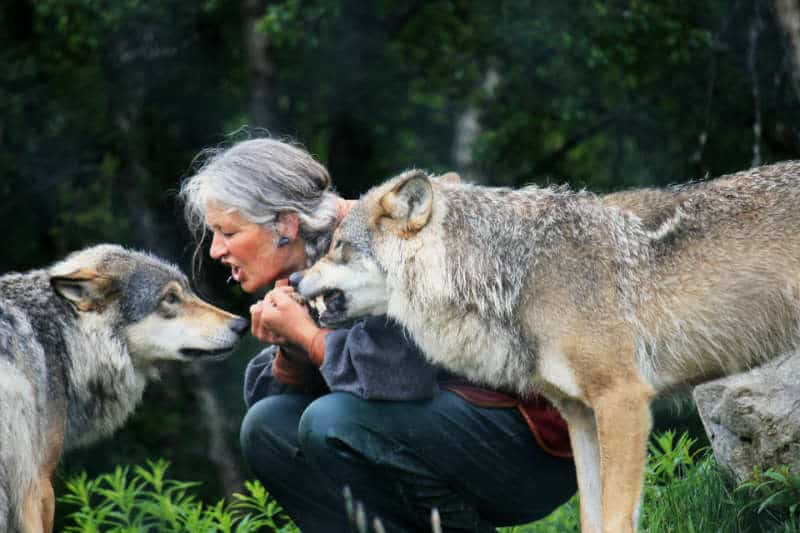
An Animal Trainer is a specialized professional who works to teach animals specific behaviors, skills, or tasks through positive reinforcement and behavioral conditioning techniques, enhancing their utility, safety, and interaction with humans. They operate in diverse environments such as zoos, wildlife sanctuaries, film and entertainment industries, service animal programs, pet training centers, or private consultancies, collaborating with veterinarians, pet owners, conservationists, and other animal care experts to achieve training goals. Animal Trainers play a crucial role within the Veterinary & Fishery Sciences career cluster by fostering animal well-being and functionality in a world where trained animals contribute to conservation, assistance, entertainment, and companionship.

Share :
โœจ Radial Mind Map - Animal Trainer
Nodes arranged in concentric circles

Loading radial mind map...

Overview


An Animal Trainer is a specialized professional who works to teach animals specific behaviors, skills, or tasks through positive reinforcement and behavioral conditioning techniques, enhancing their utility, safety, and interaction with humans. They operate in diverse environments such as zoos, wildlife sanctuaries, film and entertainment industries, service animal programs, pet training centers, or private consultancies, collaborating with veterinarians, pet owners, conservationists, and other animal care experts to achieve training goals. Animal Trainers play a crucial role within the Veterinary & Fishery Sciences career cluster by fostering animal well-being and functionality in a world where trained animals contribute to conservation, assistance, entertainment, and companionship.

Animal Trainers are skilled practitioners who design and implement training programs to teach animals behaviors ranging from basic obedience in pets to complex tasks for service dogs, performance animals, or wildlife in rehabilitation. Their work involves understanding animal psychology, assessing individual temperaments, and applying tailored methods to encourage desired responses while ensuring the animalโ€™s physical and emotional health. Working in settings like training facilities, natural habitats, or on-set locations, they merge a deep passion for animals with expertise in behavioral science to address challenges in obedience, socialization, or specialized roles. As integral members of the Veterinary & Fishery Sciences career cluster, Animal Trainers meet the growing demand for skilled animal handling in areas such as pet care, conservation efforts, and public safety, contributing to improved human-animal relationships and animal welfare standards.
Roles and Responsibilities

๐Ÿ’ผ
Animal Trainer
Roles and Responsibilities
Behavioral Assessment and Planning:
Evaluate an animalโ€™s temperament, abilities, and limitations through observation and interaction to develop customized training plans.
Identify specific behavioral goals, such as obedience, task performance, or socialization, based on the animalโ€™s role or ownerโ€™s needs.
Training Implementation:
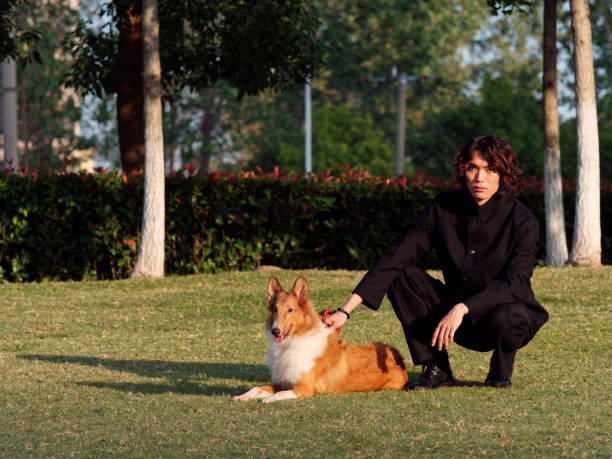
Use positive reinforcement techniques, such as treats, praise, or play, to teach animals commands, tricks, or functional skills.
Apply consistent, patient methods to modify undesirable behaviors, like aggression or anxiety, ensuring a stress-free learning environment.
Specialized Skill Development:
Train animals for specific purposes, such as service dogs for assisting individuals with disabilities, detection dogs for security, or wildlife for conservation reintroduction programs.
Prepare animals for performances in film, television, or live shows by teaching complex routines or staged behaviors.
Animal Health and Welfare Monitoring:
Monitor the physical and emotional well-being of animals during training, recognizing signs of stress, fatigue, or health issues and adjusting methods accordingly.
Collaborate with veterinarians to ensure training does not compromise the animalโ€™s health and to address any medical concerns.
Client and Stakeholder Interaction:
Communicate with pet owners, handlers, or project directors to understand training objectives and provide progress updates or post-training guidance.
Educate clients on maintaining trained behaviors at home through reinforcement techniques and consistent routines.
Safety and Risk Management:
Ensure safety for both the trainer and the animal by using appropriate handling techniques and equipment during training sessions.
Mitigate risks in high-stakes environments, such as working with large or wild animals, by adhering to strict safety protocols.
Documentation and Progress Tracking:
Maintain detailed records of training sessions, behavioral changes, and milestones to assess progress and adjust plans as needed.
Provide reports or demonstrations to clients or organizations to showcase the animalโ€™s learned skills or readiness for specific roles.
Public Education and Advocacy:
Promote ethical training practices through workshops or public events, raising awareness about humane methods and animal welfare.
Advocate for the use of non-coercive, science-based training approaches to replace outdated or harmful techniques in the industry.

Roles and Responsibilities:

  • Behavioral Assessment and Planning:
    • Evaluate an animalโ€™s temperament, abilities, and limitations through observation and interaction to develop customized training plans.
    • Identify specific behavioral goals, such as obedience, task performance, or socialization, based on the animalโ€™s role or ownerโ€™s needs.
  • Training Implementation:
    • Use positive reinforcement techniques, such as treats, praise, or play, to teach animals commands, tricks, or functional skills.
    • Apply consistent, patient methods to modify undesirable behaviors, like aggression or anxiety, ensuring a stress-free learning environment.
  • Specialized Skill Development:
    • Train animals for specific purposes, such as service dogs for assisting individuals with disabilities, detection dogs for security, or wildlife for conservation reintroduction programs.
    • Prepare animals for performances in film, television, or live shows by teaching complex routines or staged behaviors.
  • Animal Health and Welfare Monitoring:
    • Monitor the physical and emotional well-being of animals during training, recognizing signs of stress, fatigue, or health issues and adjusting methods accordingly.
    • Collaborate with veterinarians to ensure training does not compromise the animalโ€™s health and to address any medical concerns.
  • Client and Stakeholder Interaction:
    • Communicate with pet owners, handlers, or project directors to understand training objectives and provide progress updates or post-training guidance.
    • Educate clients on maintaining trained behaviors at home through reinforcement techniques and consistent routines.
  • Safety and Risk Management:
    • Ensure safety for both the trainer and the animal by using appropriate handling techniques and equipment during training sessions.
    • Mitigate risks in high-stakes environments, such as working with large or wild animals, by adhering to strict safety protocols.
  • Documentation and Progress Tracking:
    • Maintain detailed records of training sessions, behavioral changes, and milestones to assess progress and adjust plans as needed.
    • Provide reports or demonstrations to clients or organizations to showcase the animalโ€™s learned skills or readiness for specific roles.
  • Public Education and Advocacy:
    • Promote ethical training practices through workshops or public events, raising awareness about humane methods and animal welfare.
    • Advocate for the use of non-coercive, science-based training approaches to replace outdated or harmful techniques in the industry.

ย 

Study Route & Eligibility Criteria

Study Route & Eligibility Criteria
Animal Trainer
Route 1
๐ŸŽ“
1
10th or 12th pass
Route 2
๐ŸŽ“
1
10th or 12th pass
Route 3
๐ŸŽ“
1
10th or 12th pass
Route 4
๐ŸŽ“
1
10th or 12th pass
๐ŸŽฏ Animal Trainer - Professional

Significant Observations (Academic Related Points)

๐Ÿ’ก
Animal Trainer
Academic Related Points
1
Low Academic Barrier:
Formal education beyond high school is not always required; practical skills and short-term training often suffice for entry.
2
Practical Skill Emphasis:
Hands-on experience in animal handling and training techniques is critical for success in this field.
3
Specialized Training Courses:
Certificates or diplomas in animal behavior and training provide foundational knowledge and professional credibility.
4
Behavioral Science Knowledge:
Understanding animal psychology and ethology (through formal or informal study) enhances training effectiveness.
5
Apprenticeship Importance:
Learning under experienced trainers through internships or mentorships is a common and valuable path to expertise.
6
No Licensing Requirement:
Unlike veterinary roles, animal training typically does not require formal licensure, though certifications boost reputation.
7
Continuing Education:
Workshops or online courses on advanced training methods or species-specific behaviors keep trainers updated on best practices.
8
Ethical Awareness:
Knowledge of animal welfare ensures training methods prioritize the animalโ€™s physical and emotional well-being over coercion.
9
Client Interaction Training:
Developing communication skills through experience or courses aids in managing owner expectations and delivering results.
10
Career Preparation:
Building a portfolio of successful training outcomes or client testimonials often matters more than formal degrees for advancement.
11
Entrepreneurial Opportunities:
Skills in business management or marketing can help trainers establish independent consultancies or specialized programs.

Internships & Practical Exposure

๐Ÿ’ผ
Animal Trainer
Internships & Practical Experience
1
Participation in apprenticeships or internships at kennels, zoos, or training centers for hands-on experience in teaching animals basic commands and behaviors.
2
Involvement in animal shelters or rescue organizations to assist with socializing and training rescued animals for adoption under supervision.
3
Assisting experienced Animal Trainers in private businesses or conservation projects to learn species-specific training techniques and behavioral modification.
4
Observerships at wildlife sanctuaries or rehabilitation centers to gain exposure to training wild or exotic animals for reintroduction or public interaction.
5
Participation in animal training workshops or short-term programs for skill enhancement and networking with industry professionals.
6
Training through collaborative projects like community pet obedience classes to offer free or discounted training for practical experience.
7
Exposure to service animal programs by shadowing trainers to understand the logistics and techniques for training guide or therapy animals.
8
Project-based learning in specialized areas like training for film animals or detection dogs to build focused expertise.
9
Community service initiatives at local shelters or pet events to train animals, gaining diverse experience while contributing to welfare efforts.
10
Online tutorials or virtual mentorships for exposure to global training trends, innovative methods, and cross-species behavioral strategies.

Courses & Specializations to Enter the Field

๐Ÿ“š
Animal Trainer
Courses & Specializations
๐Ÿ“–
Certificate in Animal Training and Behavior.
๐Ÿ“–
Diploma in Animal Behavior and Training.
๐Ÿ“–
Vocational Training in Animal Care with Training Focus.
๐Ÿ“–
Short Courses in Canine Obedience Training.
๐Ÿ“–
Workshops on Positive Reinforcement Training Techniques.
๐Ÿ“–
Specialization in Service Animal Training (e.g., guide dogs, therapy animals).
๐Ÿ“–
Training in Wildlife Behavior and Conditioning for Conservation.
๐Ÿ“–
Courses in Training Animals for Film and Entertainment.
๐Ÿ“–
Online Modules in Animal Ethology and Behavioral Science.
๐Ÿ“–
Certification in Training Exotic or Aquatic Species.

Prominent Employers

๐Ÿข
Animal Trainer
๐ŸŒŸ Top Companies & Organizations
๐Ÿ‡ฎ๐Ÿ‡ณ India
๐Ÿ›๏ธ
Wildlife SOS, Multiple Locations
๐Ÿ›๏ธ
People for Animals (PFA), Multiple Locations
๐Ÿ›๏ธ
Blue Cross of India, Chennai
๐Ÿ›๏ธ
Pawsitive Pet Training, Bangalore
๐Ÿ›๏ธ
Canine Behavior Academy, Mumbai
๐Ÿ›๏ธ
Happy Tails Training, Delhi
๐Ÿ›๏ธ
PetZone Animal Training, Kolkata
๐Ÿ›๏ธ
Furry Friends Training, Hyderabad
๐Ÿ›๏ธ
Stray Relief and Animal Welfare (STRAW), Delhi
๐Ÿ›๏ธ
Bombay Society for the Prevention of Cruelty to Animals (BSPCA), Mumbai
๐ŸŒ International
๐ŸŒ
SeaWorld Parks & Entertainment, USA
๐ŸŒ
Guide Dogs for the Blind, USA
๐ŸŒ
Assistance Dogs International (ADI), Global
๐ŸŒ
The Seeing Eye, USA
๐ŸŒ
Canine Companions for Independence, USA
๐ŸŒ
Zoological Society of London, UK
๐ŸŒ
Universal Studios (Animal Actors), USA
๐ŸŒ
Taronga Zoo, Australia
๐ŸŒ
San Diego Zoo Wildlife Alliance, USA
๐ŸŒ
Born Free Foundation, Global

Advice for Aspiring Animal Trainers

๐Ÿ’ก
Animal Trainer
๐ŸŒŸ Tips for Students & Parents
1
Build a foundation in animal behavior and care to understand the needs and responses of various species during training.
2
Seek early practical experience through volunteering at shelters or apprenticing with trainers to develop hands-on skills.
3
Enroll in short-term training courses or certifications to gain professional knowledge of humane, effective training methods.
4
Pursue specialized training in areas like service animals or wildlife to cater to niche demands and broaden career prospects.
5
Stay updated on behavioral science by attending workshops, reading research, or joining professional training communities.
6
Develop expertise by assisting in real-world training projects or community pet obedience initiatives for diverse exposure.
7
Engage in wildlife or conservation programs to apply skills in unique settings and gain visibility in specialized fields.
8
Join professional networks like IAABC or APDT for connections, resources, and opportunities to enhance your reputation.
9
Cultivate patience and emotional resilience to manage challenging animals or slow progress while maintaining a positive approach.
10
Explore entrepreneurial roles or international projects to understand varied training needs across cultures and species.
11
Volunteer at local shelters or events to train animals, gaining experience while contributing to community welfare.
12
Sharpen observational and problem-solving skills to adapt training plans for individual animal personalities and challenges.
13
Participate in continuous learning to master new behavioral techniques, tools, and ethical standards in training.
14
Build relationships with pet owners, organizations, and veterinarians to foster trust and grow a client or project base.
15
Maintain dedication to navigate the physically and emotionally demanding but fulfilling landscape of animal training.
16
Balance practical experience with theoretical knowledge to adapt to the evolving demands of animal behavior and care.
๐ŸŽ“ Final Message
Embarking on a career as an Animal Trainer presents a captivating and meaningful journey to shape the behaviors and capabilities of animals, enriching their lives and strengthening their bonds with humans. From guiding pets to master obedience to preparing wildlife for vital conservation roles, Animal Trainers serve as essential architects of animal potential across diverse contexts. This calling integrates a profound love for creatures, a mastery of behavioral techniques, and a steadfast commitment to welfare, opening doors to significant contributions in pet care, entertainment, and environmental efforts. For those inspired by the prospect of transforming animal lives through training, equipped to embrace innovative and ethical practices, and passionate about making a enduring difference in the realm of animal-human interaction, a career as an Animal Trainer offers a remarkably enriching and dynamic professional path, carrying the potential to redefine how we connect with and support the animal world in the future.
Knowledge & Skills You Will Learn
1
Expertise in animal behaviour and training techniques to teach commands, tasks, or behaviours using positive reinforcement methods
2
Strong observational skills to assess an animalโ€™s temperament, learning capacity, and emotional state
3
Proficiency in handling diverse species, ensuring safety and control during training sessions
4
Patience and persistence to work through slow progress, behavioural challenges, or resistance without resorting to coercive methods
5
Physical fitness and agility to manage active or large animals, endure long training sessions, and perform physically demanding tasks
6
Communication skills to explain training goals, progress, and techniques to pet owners
7
Emotional resilience to handle difficult cases
8
Problem-solving abilities to adapt training plans when standard methods fail
9
Knowledge of animal welfare and ethics
10
Adaptability to stay updated on evolving training methodologies
Animal Trainer

Animal Trainer

Professionals train animals for obedience, performance, or specific tasks in settings like pet centers, zoos, or private homes, focusing on...

0.0LPA
Senior Animal Trainer

Senior Animal Trainer

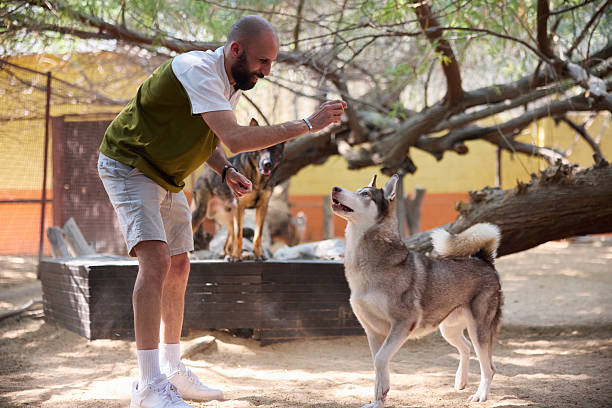
Experienced trainers handle complex training projects, mentor others, and specialize in areas like service or detection dogs, often in larger...

0.0LPA

Animal Training Program Director

Animal Training Program Director

Leaders oversee training initiatives, design curricula for facilities or programs, and ensure ethical standards in zoos, service animal...

0.0LPA

Interested in this career?

Take the next step and explore more about Animal Trainer.