Animal Research Scientist


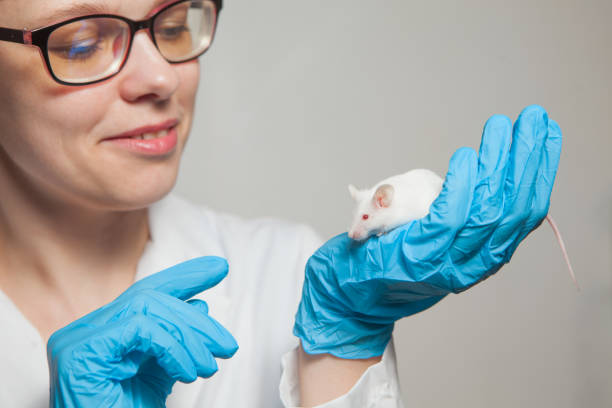
An Animal Research Scientist is a highly skilled professional who conducts scientific studies on animals to advance knowledge in areas such as health, behavior, genetics, nutrition, and reproduction, contributing to improvements in veterinary medicine, agriculture, and conservation. They work in diverse environments including universities, research institutes, pharmaceutical companies, government agencies, and private laboratories, collaborating with veterinarians, geneticists, policymakers, and other scientists to address critical challenges in animal and human well-being. Animal Research Scientists play a vital role within the Veterinary & Fishery Sciences career cluster by driving innovation and evidence-based solutions in a world increasingly focused on sustainable animal care, disease prevention, and food security.
Share :
✨ Radial Mind Map - Animal Research Scientist
Nodes arranged in concentric circles

Loading radial mind map...

Overview


An Animal Research Scientist is a highly skilled professional who conducts scientific studies on animals to advance knowledge in areas such as health, behavior, genetics, nutrition, and reproduction, contributing to improvements in veterinary medicine, agriculture, and conservation. They work in diverse environments including universities, research institutes, pharmaceutical companies, government agencies, and private laboratories, collaborating with veterinarians, geneticists, policymakers, and other scientists to address critical challenges in animal and human well-being. Animal Research Scientists play a vital role within the Veterinary & Fishery Sciences career cluster by driving innovation and evidence-based solutions in a world increasingly focused on sustainable animal care, disease prevention, and food security.

Animal Research Scientists are dedicated investigators who design and execute experiments to explore animal physiology, develop new treatments for diseases, enhance breeding techniques, or improve livestock productivity. Their work often involves laboratory research, field studies, and data analysis to uncover insights into animal biology, behavior, or environmental interactions, while adhering to strict ethical and regulatory standards. Operating in controlled lab settings, farms, or wildlife habitats, they blend a profound curiosity for scientific discovery with a commitment to animal welfare to tackle pressing issues like zoonotic diseases, genetic disorders, or nutritional deficiencies. As essential contributors to the Veterinary & Fishery Sciences career cluster, Animal Research Scientists meet the growing demand for research-driven advancements in animal health, agricultural efficiency, and biodiversity preservation, shaping policies and practices that benefit both animals and society.

Roles and Responsibilities

💼
Animal Research Scientist
Roles and Responsibilities
Research Design and Execution:
Develop hypotheses and design experiments to investigate specific aspects of animal biology, such as disease mechanisms, genetic traits, or nutritional impacts.
Conduct controlled studies or field research, collecting data through observations, biological samples, or advanced imaging techniques.
Data Analysis and Interpretation:
Analyze experimental results using statistical tools and bioinformatics to draw meaningful conclusions about animal health or behavior.
Interpret findings to identify patterns, correlations, or potential applications in veterinary medicine, agriculture, or conservation.
Development of Treatments and Solutions:
Research and test new vaccines, drugs, or therapies to combat animal diseases, improving health outcomes for livestock, pets, or wildlife.
Innovate feeding regimes, breeding strategies, or management practices to enhance productivity or welfare in animal populations.
Ethical and Regulatory Compliance:
Ensure all research adheres to ethical guidelines and animal welfare standards, obtaining necessary approvals from institutional review boards.
Comply with national and international regulations on animal experimentation, maintaining transparency in methodology and reporting.
Collaboration and Knowledge Dissemination:
Work with multidisciplinary teams, including veterinarians, geneticists, and policymakers, to apply research findings to real-world challenges.
Publish research in scientific journals, present at conferences, or contribute to policy development to share knowledge with the global community.
Grant Writing and Funding Acquisition:
Prepare research proposals and grant applications to secure funding from government bodies, universities, or private organizations.
Manage budgets and resources to ensure the successful completion of research projects within allocated timelines.
Field and Laboratory Management:
Oversee laboratory operations, including equipment maintenance, sample storage, and safety protocols to ensure accurate and reliable results.
Conduct fieldwork in diverse environments to study animals in natural habitats or farm settings, adapting to varying conditions.
Public Health and Conservation Impact:
Investigate zoonotic diseases to protect both animal and human populations, contributing to public health initiatives.
Support conservation efforts by researching endangered species’ biology, reproduction, or habitat needs to aid in population recovery.

Roles and Responsibilities:

  • Research Design and Execution:
    • Develop hypotheses and design experiments to investigate specific aspects of animal biology, such as disease mechanisms, genetic traits, or nutritional impacts.
    • Conduct controlled studies or field research, collecting data through observations, biological samples, or advanced imaging techniques.
  • Data Analysis and Interpretation:
    • Analyze experimental results using statistical tools and bioinformatics to draw meaningful conclusions about animal health or behavior.
    • Interpret findings to identify patterns, correlations, or potential applications in veterinary medicine, agriculture, or conservation.
  • Development of Treatments and Solutions:
    • Research and test new vaccines, drugs, or therapies to combat animal diseases, improving health outcomes for livestock, pets, or wildlife.
    • Innovate feeding regimes, breeding strategies, or management practices to enhance productivity or welfare in animal populations.
  • Ethical and Regulatory Compliance:
    • Ensure all research adheres to ethical guidelines and animal welfare standards, obtaining necessary approvals from institutional review boards.
    • Comply with national and international regulations on animal experimentation, maintaining transparency in methodology and reporting.
  • Collaboration and Knowledge Dissemination:
    • Work with multidisciplinary teams, including veterinarians, geneticists, and policymakers, to apply research findings to real-world challenges.
    • Publish research in scientific journals, present at conferences, or contribute to policy development to share knowledge with the global community.
  • Grant Writing and Funding Acquisition:
    • Prepare research proposals and grant applications to secure funding from government bodies, universities, or private organizations.
    • Manage budgets and resources to ensure the successful completion of research projects within allocated timelines.
  • Field and Laboratory Management:
    • Oversee laboratory operations, including equipment maintenance, sample storage, and safety protocols to ensure accurate and reliable results.
    • Conduct fieldwork in diverse environments to study animals in natural habitats or farm settings, adapting to varying conditions.
  • Public Health and Conservation Impact:
    • Investigate zoonotic diseases to protect both animal and human populations, contributing to public health initiatives.
    • Support conservation efforts by researching endangered species’ biology, reproduction, or habitat needs to aid in population recovery.


Study Route & Eligibility Criteria

Study Route & Eligibility Criteria
Animal Research Scientist
Route 1
🎓
1
10+2 in Science stream
Route 2
🎓
1
10+2 in Science stream
Route 3
🎓
1
10+2 in Science stream
Route 4
🎓
1
10+2 in Science stream
🎯 Animal Research Scientist - Professional

Significant Observations (Academic Related Points)

💡
Animal Research Scientist
Academic Related Points
1
Strong Scientific Foundation:
A background in biology, chemistry, and veterinary sciences is crucial for understanding animal physiology and research methodologies.
2
Advanced Education Requirement:
Postgraduate degrees (Master’s or Ph.D.) are often necessary for independent research roles and career advancement.
3
Research-Oriented Training:
Specialized programs in veterinary science or biotechnology with a research focus equip scientists with experimental design skills.
4
Practical Research Exposure:
Hands-on experience through internships or lab assistantships during education is vital for mastering research techniques.
5
Interdisciplinary Knowledge:
Familiarity with genetics, microbiology, and data analysis enhances the ability to address complex animal research questions.
6
Licensing Consideration:
Veterinary licensure may be required for certain clinical research roles, though not always for pure scientific positions.
7
Continuing Education:
Regular participation in conferences, workshops, or certifications is essential to stay updated on research trends and technologies.
8
Ethical Awareness:
Understanding animal welfare principles and research ethics ensures compliance with regulations and humane treatment in studies.
9
Publication and Grant Skills:
Experience in scientific writing and grant applications during academic training prepares scientists for funding and dissemination.
10
Career Preparation:
Competitive roles often require a strong portfolio of published research or proven contributions to animal science advancements.
11
Global Opportunities:
Proficiency in international research standards and language skills can lead to roles in global health or conservation initiatives.

Internships & Practical Exposure

💼
Animal Research Scientist
Internships & Practical Experience
1
Participation in internships at research laboratories or veterinary institutes for hands-on experience in experimental design and data collection.
2
Involvement in university-affiliated research projects to assist with animal studies under the guidance of experienced scientists during academic training.
3
Assisting in government or private research facilities to learn techniques like genetic sequencing, pathology, or nutritional trials in animal science.
4
Observerships at wildlife conservation centers or zoos for exposure to field research on endangered species or behavioral studies.
5
Participation in research-focused workshops or training programs on laboratory techniques or bioinformatics for skill enhancement and networking.
6
Training through collaborative projects like community health studies to investigate zoonotic diseases or livestock productivity in real-world settings.
7
Exposure to pharmaceutical research by shadowing scientists in drug development or vaccine testing for animals in corporate labs.
8
Project-based learning in specialized areas like animal genetics or disease modeling to build focused expertise for future research.
9
Community service initiatives with NGOs to support animal health research, gaining practical experience while contributing to welfare efforts.
10
International research exchanges or online courses for exposure to global animal science trends, innovative methodologies, and cross-border collaborations.

Courses & Specializations to Enter the Field

📚
Animal Research Scientist
Courses & Specializations
📖
Bachelor of Veterinary Science and Animal Husbandry (BVSc & AH).
📖
Bachelor’s in Animal Science, Biotechnology, or Life Sciences.
📖
Master of Veterinary Science (MVSc) in fields like Pathology, Microbiology, or Genetics.
📖
Master’s in Animal Science or Biotechnology with a research focus.
📖
Ph.D. in Veterinary Science, Animal Science, or related research areas.
📖
Specialization in Animal Genetics and Genomics.
📖
Specialization in Veterinary Microbiology and Immunology.
📖
Specialization in Animal Nutrition and Metabolism Research.
📖
Workshops on Laboratory Animal Science and Ethics.
📖
Short Courses in Bioinformatics and Data Analysis for Animal Research.

Prominent Employers

🏢
Animal Research Scientist
🌟 Top Companies & Organizations
🇮🇳 India
🏛️
Indian Veterinary Research Institute (IVRI), Izatnagar
🏛️
Indian Council of Agricultural Research (ICAR), Multiple Locations
🏛️
National Dairy Research Institute (NDRI), Karnal
🏛️
Central Institute of Fisheries Technology (CIFT), Kochi
🏛️
Guru Angad Dev Veterinary and Animal Sciences University (GADVASU), Ludhiana
🏛️
Tamil Nadu Veterinary and Animal Sciences University (TANUVAS), Chennai
🏛️
Council of Scientific and Industrial Research (CSIR), Multiple Locations
🏛️
Department of Biotechnology (DBT), Government of India, Multiple Locations
🏛️
Wildlife Institute of India (WII), Dehradun
🏛️
National Institute of Animal Biotechnology (NIAB), Hyderabad
🌍 International
🌐
National Institutes of Health (NIH), USA
🌐
World Health Organization (WHO), Global
🌐
Centers for Disease Control and Prevention (CDC), USA
🌐
Zoetis, USA
🌐
Merck Animal Health, USA
🌐
Bayer Animal Health, Germany
🌐
Novartis Animal Health, Switzerland
🌐
Royal Veterinary College (RVC), UK
🌐
World Wildlife Fund (WWF), Global
🌐
International Fund for Animal Welfare (IFAW), Global

Advice for Aspiring Animal Research Scientists

💡
Animal Research Scientist
🌟 Tips for Students & Parents
1
Build a robust foundation in biological and veterinary sciences to grasp the complexities of animal physiology and research design.
2
Seek early laboratory or field experience through internships to develop practical skills in experimental techniques and data collection.
3
Enroll in advanced degree programs like Master’s or Ph.D. to gain specialized knowledge and credibility in animal research.
4
Pursue focused training in areas like genetics or microbiology to address niche challenges and expand career opportunities.
5
Stay updated on scientific breakthroughs by attending conferences, reading journals, or joining research-focused communities.
6
Develop research expertise by assisting in university or industry projects, gaining exposure to diverse animal science challenges.
7
Engage in conservation or public health studies to apply skills in impactful settings and build a strong research portfolio.
8
Join professional networks like ISVR or AALAS for connections, resources, and opportunities to showcase your contributions.
9
Cultivate analytical and ethical resilience to manage complex data and navigate moral dilemmas in animal experimentation.
10
Explore international research collaborations to understand global animal health issues and broaden your scientific perspective.
11
Volunteer at local research initiatives or NGOs to support animal studies, gaining experience while aiding community welfare.
12
Sharpen scientific writing and grant proposal skills to secure funding and publish impactful research findings.
13
Participate in continuous learning to master emerging technologies, research ethics, and interdisciplinary approaches.
14
Build relationships with scientists, veterinarians, and policymakers to foster collaboration and grow a research network.
15
Maintain dedication to navigate the demanding but intellectually rewarding landscape of animal research.
16
Balance academic rigor with practical application to adapt to the evolving demands of scientific inquiry in animal science.
🎓 Final Message
Embarking on a career as an Animal Research Scientist offers a remarkable and intellectually stimulating path to uncover vital insights into animal biology, driving progress in health, agriculture, and conservation. From pioneering treatments for devastating diseases to safeguarding endangered species through scientific discovery, Animal Research Scientists serve as indispensable architects of knowledge that benefits both animals and humanity. This vocation combines a relentless pursuit of truth, a deep expertise in research methodologies, and a firm commitment to ethical standards, creating avenues for profound contributions in academia, industry, and global health initiatives. For those inspired by the quest to solve pressing challenges through animal science, prepared to leverage cutting-edge tools and rigorous inquiry, and dedicated to forging a lasting legacy in veterinary and environmental advancements, a career as an Animal Research Scientist presents an immensely fulfilling and innovative professional voyage, holding the promise to reshape our understanding and care of the animal world for the future.
Knowledge & Skills You Will Learn
1
Expertise in animal science and veterinary research to design and conduct experiments on health, genetics, or behaviour
2
Strong analytical skills to interpret complex data from experiments using statistical software and bioinformatics tools
3
Proficiency in laboratory techniques, such as microscopy, genetic sequencing, or sample analysis, for accurate research outcomes
4
Knowledge of research ethics and animal welfare to ensure humane treatment and compliance with regulatory standards in studies
5
Scientific writing and communication skills to publish findings, present at conferences, and prepare grant proposals effectively
6
Project management abilities to oversee research timelines, budgets, and multidisciplinary teams for successful project completion
7
Problem-solving skills to address unexpected challenges in experiments, adapting methodologies for reliable results
8
Technical proficiency with research equipment and software for data collection, imaging, or molecular analysis in lab settings
9
Collaboration skills to work with veterinarians, geneticists, and policymakers, integrating diverse expertise into research efforts
10
Adaptability to stay updated on scientific advancements, emerging technologies, and global trends in animal research for innovative approaches
Animal Research Scientist

Animal Research Scientist

Professionals conduct studies on animal health, genetics, or behavior, contributing to advancements in veterinary science within labs or...

0.0LPA
Senior Animal Research Scientist

Senior Animal Research Scientist

Experienced scientists lead complex research projects, mentor teams, and publish influential findings in specialized areas like disease or...

0.0LPA

Research Project Leader

Research Project Leader

Leaders oversee specific research initiatives, manage funding, and coordinate multidisciplinary teams to achieve targeted outcomes in academic or...

0.0LPA

Interested in this career?

Take the next step and explore more about Animal Research Scientist.