
diploma in event management
- Academic Qualification: Completion of Class 12 (or equivalent) from a recognized board.
- Age Range: Typically, between 17 and 25 years.
- Creative Aptitude: A keen interest in organizing events, creativity, and leadership; some institutes may require a portfolio or demonstration of organizational skills.
- Entrance Evaluation: Many institutions conduct entrance tests, personal interviews, or group discussions to assess managerial potential and overall suitability.
- Duration: Programs usually run from 1 to 2 years.
- Study Modes:
- Full-time Programs: Most common, offering immersive classroom sessions, hands-on workshops, and live projects.
- Part-time/Distance Learning: Available in select institutions for those balancing other commitments.
- Curriculum Layout: Structured into semesters or modules that combine theoretical classes, practical assignments, and industry-based projects.
Curriculum and Core Subjects The course curriculum covers a blend of management theory, creative design, and practical application. Core subjects often include:
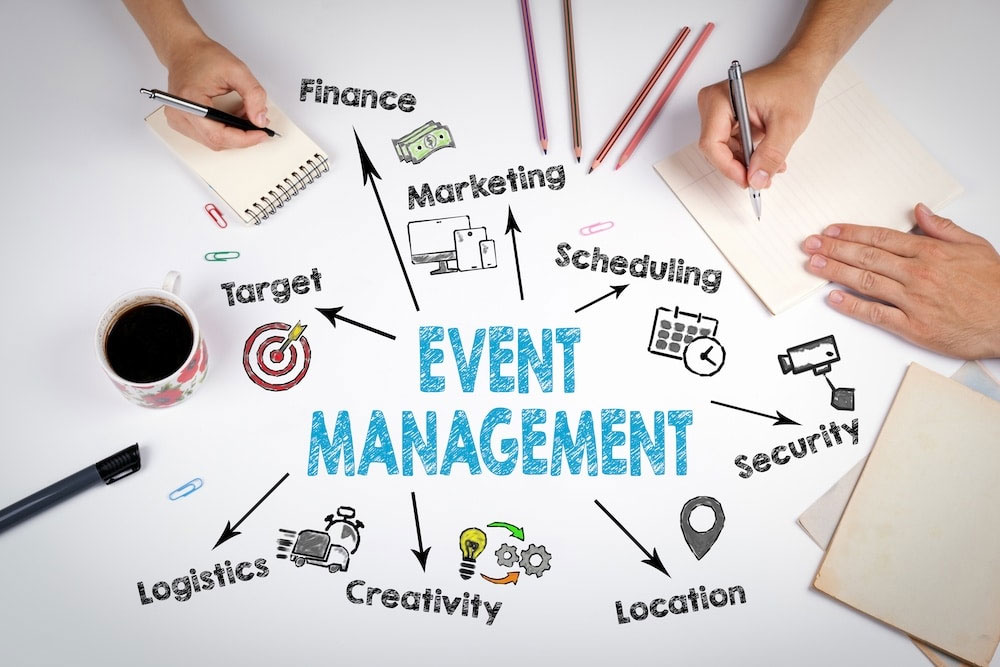
- Introduction to Event Management: Overview of event planning, management processes, and the role of an event manager.
- Event Planning and Coordination: Techniques for conceptualizing, planning, and coordinating various types of events.
- Event Marketing and Public Relations: Strategies for promoting events and managing public relations to attract audiences and sponsors.
- Budgeting and Financial Management: Fundamentals of cost estimation, budgeting, and financial planning for events.
- Venue and Vendor Management: Selection and management of venues and coordination with vendors and service providers.
- Hospitality and Catering Management: Planning food and beverage services, guest hospitality, and logistics management.
- Risk Management and Legal Aspects: Identifying risks, managing contingencies, and understanding legal considerations in event management.
- Technology in Events: Utilization of event management software and digital tools for planning and execution.
- Portfolio Development: Creating a professional portfolio that showcases event projects and creative planning skills.
- Workshops & Internships: Hands-on projects and practical exposure to real-world event management challenges.
Skills Developed During the Program
- Organizational and Planning Skills: Ability to meticulously plan and execute various events.
- Creative and Innovative Thinking: Capacity to design unique event concepts and solutions.
- Technical Proficiency: Knowledge of event management tools and digital platforms.
- Attention to Detail: Precision in budgeting, scheduling, and vendor coordination.
- Project Management: Skill in managing multiple tasks and teams simultaneously.
- Effective Communication: Ability to clearly present ideas and collaborate with diverse stakeholders.
Skills Required for Success
- Leadership and Teamwork: Ability to lead teams and work collaboratively with vendors and clients.
- Problem Solving: Quick thinking and adaptability to handle unforeseen challenges during events.
- Time Management: Efficient scheduling and time allocation to meet deadlines.
- Negotiation Skills: Proficiency in negotiating contracts and managing vendor relationships.
- Interpersonal Skills: Strong communication and customer service orientation.
- Technical Aptitude: Basic computer skills and familiarity with event management software.
Institutes Offering the Course There are several reputed institutions offering Diploma courses in Event Management. While specifics may vary, here are a few notable examples (primarily from India and select international centers):
- Institute of Event Management (IEM): Renowned for its comprehensive curriculum and industry exposure in event planning.
- Pearl Academy: Offers specialized programs with robust exposure to creative event management and digital marketing.
- Wigan Institute of Management: Known for practical training and hands-on projects in event management.
- International Institute of Event Management (IIEM): Focuses on global trends and modern techniques in event planning.
- Other Regional and Specialized Institutes: Numerous state-level and private institutes offer diploma programs tailored to local market demands. It is advisable to research local offerings and check institute reputations before applying.
Employment Areas Graduates with a Diploma in Event Management can work in various sectors, including:
- Corporate Events: Organizing conferences, seminars, product launches, and corporate retreats.
- Wedding and Social Events: Planning and managing weddings, birthday parties, and social gatherings.
- Exhibitions and Trade Shows: Coordinating trade fairs, expos, and promotional events.
- Entertainment and Cultural Events: Managing concerts, festivals, and theatrical productions.
- Sports Events: Organizing sporting events and competitions.
- Freelancing and Consultancy: Offering specialized event management services independently.
Employers/Companies in the Event Management Industry A diploma in Event Management opens doors to opportunities with renowned firms and companies such as:
- Global Event Management Firms: MCI Group, Informa, and Freeman – known for large-scale, international events.
- Leading Indian Firms: Wizcraft, Percept, and Showtime Events – actively involved in diverse event management projects.
- Corporate Houses: Multinational corporations with in-house event management teams.
- Hospitality and Entertainment Chains: Hotels, resorts, and entertainment companies that frequently host events.
- Boutique Event Management Studios: Smaller firms specializing in niche or bespoke event solutions.
Entry-Level Roles:
- Event Coordinator/Assistant: Involved in supporting event planning, logistics, and coordination.
- Junior Event Manager: Assisting in organizing events, managing schedules, and liaising with vendors.
Mid-Level Positions:
- Event Manager: Overseeing complete event projects from concept to execution, managing teams, and client interactions.
- Project Manager (Events): Responsible for coordinating multiple events, managing budgets, and ensuring quality control.
Advanced Career Opportunities:
- Senior Event Manager/Director: Leading event management teams, setting strategic direction, and handling high-profile projects.
- Creative Director/Consultant: Innovating new event concepts and offering expert consultancy services.
- Entrepreneur: Starting your own event management firm or consultancy.
Growth Factors:
- Portfolio Development: A strong, diverse portfolio is key to advancing your career.
- Networking: Industry events, internships, and professional associations play a critical role in career growth.
- Continuous Learning: Keeping up with emerging trends, new technologies, and innovative event concepts is essential.
- Application Submission: Complete application forms as required by the institute.
- Entrance Exams/Interviews: Some institutions conduct aptitude tests or personal interviews to assess managerial and creative skills.
- Portfolio/Project Review: Applicants may need to submit samples of previous projects or a portfolio showcasing their planning and creative abilities.
- Selection Criteria: Academic performance, creative potential, and practical skills are often considered together.
- Fee Variation: Fees vary widely based on the institute’s reputation, location, and course duration.
- Approximate Range: Costs can range from modest fees to several lakhs of INR.
- Financial Support: Options such as scholarships, installment plans, and financial aid may be available.
- Investment Consideration: Assess the overall return on investment based on course quality, industry exposure, and placement opportunities.
- Digital Integration: Growing use of technology and digital platforms in event planning and execution.
- Sustainable Events: Rising emphasis on eco-friendly practices and sustainable event management.
- Global Exposure: Increasing opportunities for international collaborations and cross-cultural events.
- Customized Experiences: Demand for personalized and innovative event concepts tailored to specific audiences.
- Technological Advancements: Continued evolution of event management software and digital tools driving industry innovation.