
Diploma in Interior Designing
A Diploma in Interior Designing is a specialized program aimed at students who have completed Class 12 and wish to build a career in designing functional and aesthetically pleasing interior spaces. The course blends creative design principles with technical know-how,...
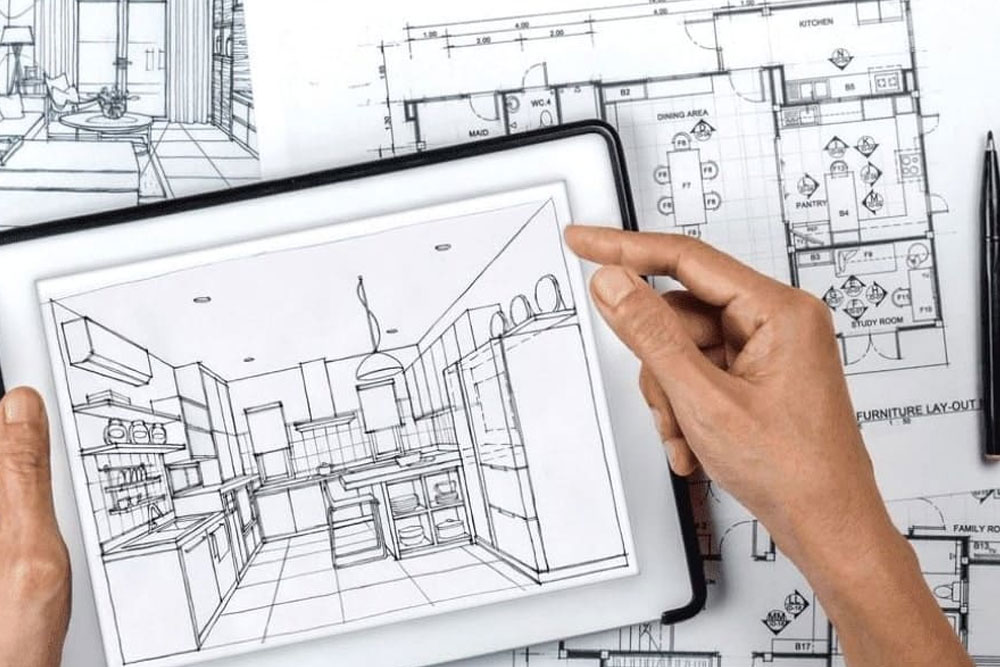
- Academic Qualification: Completion of Class 12 (or equivalent) from a recognized board.
- Age Range: Typically between 17 and 25 years.
- Creative Aptitude: A keen interest in art, architecture, and design; some institutes may require a portfolio or a demonstration of creative skills.
- Entrance Evaluation: Many institutions conduct entrance tests, personal interviews, or group discussions to assess design potential and overall suitability.
- Duration: Programs usually run from 1 to 2 years.
- Study Modes:
- Full-time Programs: Most common, offering immersive studio sessions, workshops, and live projects.
- Part-time/Distance Learning: Available in select institutions for those balancing other commitments.
- Curriculum Layout: Structured into semesters or modules that combine theoretical classes, practical assignments, and industry-based projects.
The course curriculum covers a blend of design theory, technical drawing, and practical application. Core subjects often include:
- Fundamentals of Design: Principles of design, color theory, and spatial composition.
- Interior Architecture: Basics of architecture, spatial planning, and ergonomic design.
- Drafting & Technical Drawing: Hand-drawing and computer-aided design (CAD) techniques for creating layouts and plans.
- Materials and Finishes: Understanding different materials, textures, and finishes used in interiors.
- Lighting and Acoustics: Principles of lighting design and sound management in spaces.
- Furniture and Fixture Design: Designing custom furniture and selecting fixtures to complement interior themes.
- Software Tools: Training in software such as AutoCAD, SketchUp, 3D Max, and Adobe Creative Suite.
- Sustainable & Smart Design: Incorporating eco-friendly practices, energy-efficient lighting, and smart home technologies.
- Portfolio Development: Creating a professional portfolio that highlights design projects and creative thinking.
- Workshops & Internships: Hands-on projects with industry exposure to real-world design challenges.
- Creative and Artistic Expression: Ability to conceptualize innovative interior concepts and visualize spatial arrangements.
- Technical Proficiency: Mastery over drafting, CAD tools, and understanding construction details.
- Attention to Detail: Precision in measurements, material selection, and finishing details.
- Project Management: Balancing design concepts with practical constraints like budget, time, and resources.
- Problem Solving: Developing solutions for space optimization and functionality challenges.
- Communication: Presenting ideas clearly to clients, contractors, and stakeholders.
- Drawing and Visualization: Strong hand-sketching and digital rendering skills.
- Spatial Awareness: Understanding how spaces function and how people interact with them.
- Knowledge of Materials: An understanding of different construction and decorative materials.
- Computer Literacy: Basic proficiency in design software and digital tools.
- Creativity and Innovation: An ability to think outside the box and incorporate modern trends.
- Interpersonal Skills: Effective communication and teamwork abilities for collaborative projects.
There are several reputed institutions offering Diploma courses in Interior Designing. While specifics may vary, here are a few notable examples (primarily from India and select international centers):
- Pearl Academy: Offers various design programs, including interior design modules, with strong industry connections across major cities.
- JD Institute of Fashion Technology (JDIFT): Known for its creative courses, JDIFT also provides specialized courses in interior designing.
- Indian Institute of Interior Design (IIID): Focuses exclusively on interior design, offering diploma courses with hands-on training and industry projects.
- Institute of Interior Designers (IID): Provides comprehensive interior design programs with practical workshops and portfolio development.
- Raffles Design International: An international institute known for its robust curriculum and global exposure in interior and architectural design.
- Other Regional and Specialized Institutes: Numerous state-level and private design schools also offer diploma programs tailored to local market demands. It is advisable to research local offerings and check institute reputations before applying.
Graduates with a Diploma in Interior Designing can work in various sectors, including:
- Residential Interiors: Designing private homes, apartments, and condos.
- Commercial Spaces: Working on office spaces, retail outlets, and corporate interiors.
- Hospitality: Designing hotels, restaurants, and leisure centers.
- Institutional Design: Creating layouts for schools, hospitals, and public facilities.
- Exhibition and Event Design: Crafting engaging spaces for trade shows, exhibitions, and events.
- Freelancing and Consultancy: Offering personalized interior design services and consultancy.
A diploma in interior design opens doors to opportunities with renowned firms and companies such as:
- Global Interior Design Firms: Gensler, HOK, Perkins+Will, Foster + Partners – known for large-scale projects in commercial and public sectors.
- Leading Indian Firms: Livspace, Design Cafe, Morphogenesis, Studio Lotus, Space Matrix – actively involved in residential, commercial, and hospitality projects.
- Architecture and Construction Companies: Many architectural firms and construction companies have in-house interior design teams.
- Boutique Design Studios: Smaller firms or freelance studios specializing in bespoke interior design solutions.
- Retail and Hospitality Chains: Major hotel chains and retail brands often employ interior designers to create unique brand experiences.
- Junior Interior Designer/Design Assistant: Involved in drafting, basic layout development, and assisting senior designers.
- Draftsperson/Rendering Specialist: Focused on technical drawing, 3D modeling, and visual presentations.
- Interior Designer: Managing design projects from concept to execution, working directly with clients and contractors.
- Project Coordinator/Manager: Overseeing timelines, budgets, and team coordination for interior design projects.
- Senior Interior Designer/Creative Director: Leading design teams, setting creative direction, and managing high-profile projects.
- Entrepreneur/Consultant: Starting your own design firm or consultancy to offer specialized interior design services.
- Specialized Roles: Opportunities in sustainable design, lighting design, furniture design, or space planning for niche markets.
- Portfolio Development: A strong, diverse portfolio is key to advancing your career.
- Networking: Industry events, internships, and collaborations play a critical role in career growth.
- Continuous Learning: Keeping up with emerging trends, new software, and sustainable practices is essential.
- Application Submission: Complete application forms as required by the institute.
- Entrance Exams/Interviews: Some institutions conduct aptitude tests or personal interviews to assess design and creative skills.
- Portfolio Review: Applicants may need to submit a portfolio that showcases previous work or creative projects.
- Selection Criteria: Academic performance, creative potential, and practical skills are often considered together.
- Fee Variation: Fees vary widely based on the institute’s reputation, location, and course duration.
- Approximate Range: Costs can range from modest fees to several lakhs of INR.
- Financial Support: Options such as scholarships, installment plans, and financial aid may be available.
- Investment Consideration: Assess the overall return on investment based on course quality, industry exposure, and placement opportunities.
- Sustainable and Green Design: Increasing demand for eco-friendly and energy-efficient interiors.
- Smart Interiors: Integration of technology through smart home systems, automated lighting, and modern appliances.
- Customization and Personalization: Growing trends toward bespoke interior solutions tailored to individual needs.
- Global Exposure: Opportunities for international collaborations and exposure through design competitions and workshops.
- Emphasis on Wellness: Designing interiors that promote well-being and healthy living spaces.
A Diploma in Interior Designing after Class 12 is a gateway to a creative and rewarding career in transforming spaces. The course equips students with both the artistic vision and technical expertise required to design interiors that are functional, aesthetically pleasing, and sustainable. By choosing the right institute, developing the necessary skills, and building a strong portfolio, graduates can explore diverse employment areas—from high-end global firms to boutique design studios—and enjoy robust career progression. Whether your passion lies in crafting cozy residential spaces, dynamic commercial environments, or innovative public interiors, this diploma lays the foundation for a successful career in interior design.