
Diploma in Fashion Designing
A Diploma in Fashion Designing is a specialized program aimed at students who have completed their secondary education and wish to launch a creative career in the fashion industry. The course provides a mix of theoretical knowledge and practical training, enabling students to...
- Academic Qualification: Must have successfully completed Class 12 or an equivalent qualification.
- Age Range: Typically, between 17 to 25 years.
- Creative Aptitude: A strong interest in art, design, and creativity; some institutes may request a portfolio or a demonstration of creative skills.
- Entrance Evaluation: Some colleges conduct entrance tests, group discussions, or personal interviews to assess artistic potential and overall suitability.
- Duration: Most diploma programs run between 1 to 2 years.
- Study Modes:
- Full-time Programs: Offer immersive training with intensive studio work and workshops.
- Part-time/Distance Learning: Provide flexibility for those balancing other commitments.
- Curriculum Layout: Typically divided into semesters or modules that blend theory with hands-on practical assignments, live projects, and internships.
The course is designed to cover both the creative and technical aspects of fashion. Key subjects include:
- Fundamentals of Design: Principles of design, color theory, and visual communication.
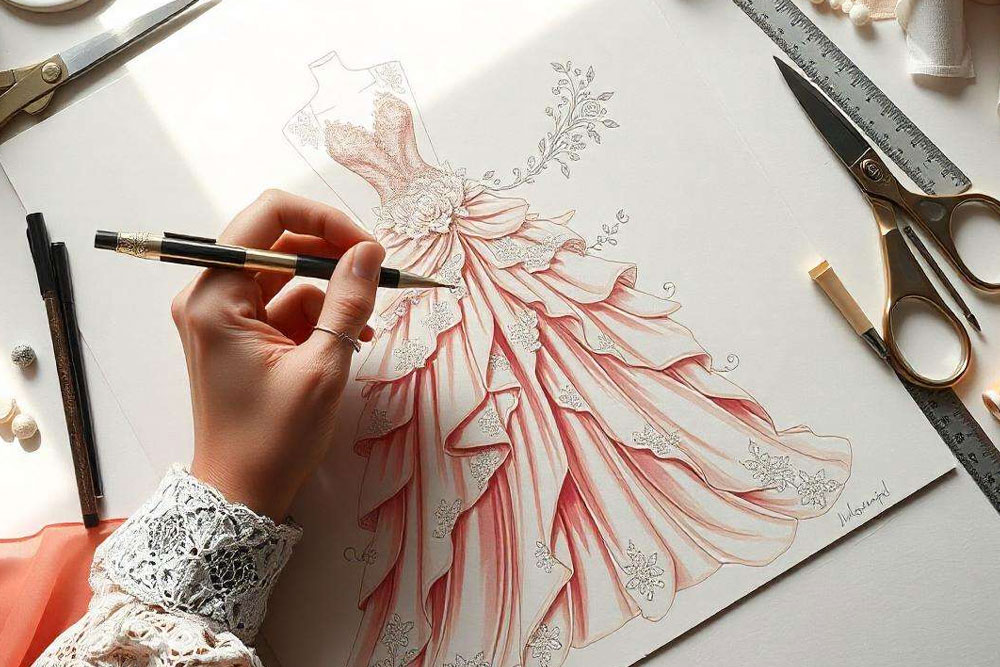
- Fashion Illustration & Sketching: Techniques for drawing fashion figures, garments, and accessories.
- Textile Science: Study of fabrics, their properties, and applications.
- Pattern Making & Garment Construction: Converting design concepts into patterns and learning basic sewing and construction techniques.
- Computer-Aided Design (CAD): Using software (like Adobe Illustrator and Photoshop) to create digital designs.
- Fashion History & Trend Forecasting: Analyzing historical trends and understanding current market dynamics.
- Fashion Marketing & Merchandising: Basics of promoting fashion products and understanding retail environments.
- Portfolio Development: Guidance on curating a professional portfolio to showcase design skills.
- Workshops & Internships: Real-world projects and hands-on experience in collaboration with industry professionals.
- Creative & Artistic Expression: Enhanced ability to conceptualize and visually communicate innovative designs.
- Technical Proficiency: Mastery of pattern making, garment construction, and digital design techniques.
- Analytical Skills: Evaluating market trends and understanding consumer behavior.
- Problem Solving: Ability to troubleshoot design challenges and refine concepts.
- Communication: Presenting design ideas effectively to peers, mentors, and potential clients.
- Drawing and Illustration: A natural flair for sketching and visual representation.
- Attention to Detail: Precision in pattern making and garment construction.
- Computer Literacy: Basic familiarity with design software and digital tools.
- Creativity & Innovation: Constant drive to experiment and push creative boundaries.
- Time Management: Balancing multiple projects and meeting deadlines.
- Adaptability: Keeping pace with rapidly changing fashion trends and technologies.
Several reputed institutions offer Diploma courses in Fashion Designing. While availability and course specifics may vary, here are a few prominent names (primarily in India and internationally):
- Pearl Academy: Known for its creative curriculum and industry linkages, with campuses in Delhi, Mumbai, Jaipur, and other major cities.
- JD Institute of Fashion Technology (JDIFT): Offers a variety of diploma and certificate courses with a strong emphasis on practical training.
- Vogue Institute of Fashion Technology (VIFT): Focuses on blending traditional design techniques with modern digital tools.
- National Institute of Fashion Technology (NIFT): Although renowned for its degree programs, NIFT also offers short-term diploma and certificate courses in specialized areas.
- Indian Institute of Fashion and Design (IIFD): Provides focused programs that cover both design and technical skills.
- Other Regional Institutes: Numerous state-level and private design schools also offer diploma programs—prospective students should check local listings and institute reputations.
Note: It’s advisable to verify each institute’s course structure, duration, and placement record as these factors can significantly impact your learning and career prospects.
Graduates with a Diploma in Fashion Designing can find opportunities in a variety of sectors, including:
- Fashion Houses & Design Studios: Working as part of a design team or independently creating collections.
- Garment Manufacturing: Engaging in pattern making, quality control, and production planning.
- Retail & Merchandising: Roles in visual merchandising, store display design, and fashion marketing.
- Textile Industry: Positions in textile design, fabric innovation, and quality assurance.
- Media & Advertising: Opportunities in fashion styling, editorial work, and costume design for films, television, or theater.
- Freelancing & Entrepreneurship: Launching personal labels, boutiques, or consulting services.
- E-commerce: Working with online fashion platforms for product development and digital merchandising.
A diploma opens doors to employment in both global brands and local boutiques. Some of the key employers include:
- Multinational Retailers & Brands:
- Zara, H&M, Nike, Adidas, Levi’s
- Indian Fashion & Lifestyle Brands:
- FabIndia, Biba, Manyavar, Raymond, Allen Solly, Aditya Birla Fashion and Retail, Shoppers Stop, Reliance Trends
- Fashion Houses & Design Studios:
- Working with established designers or boutique agencies that specialize in couture, ready-to-wear collections, or bespoke garments.
- Media & Styling Agencies:
- Roles in fashion magazines (e.g., Vogue, Elle, Harper’s Bazaar) or freelance styling for photo shoots and advertising campaigns.
- Junior Designer/Assistant Designer: Starting with design drafting, sketching, or assisting senior designers.
- Pattern Maker or Technical Designer: Focusing on translating design ideas into patterns and prototypes.
- Stylist or Visual Merchandiser: Involved in curating looks for photo shoots, retail displays, or fashion shows.
- Fashion Designer: Leading the design process for collections and overseeing production.
- Product Developer: Working on new fabric innovations, garment construction, and quality assurance.
- Creative Director (as you gain experience): Overseeing creative teams, setting design directions, and managing brand aesthetics.
- Entrepreneurship: Many designers eventually launch their own fashion labels or consultancies.
- Specialized Roles: Such as costume design for films/theater, sustainable fashion consultant, or fashion forecaster.
- Higher Studies and Certifications: Graduates may pursue further education (Bachelor’s or Master’s degrees) to deepen expertise and enhance career growth.
- Portfolio & Networking: A strong, diverse portfolio and active networking within industry events, internships, and workshops significantly boost career progression.
- Continuous Learning: Staying updated with emerging trends, new design software, and sustainable practices is crucial in a dynamic industry.
- Industry Exposure: Internships and live projects can provide practical insights that pave the way for rapid career advancement.
- Application Submission: Complete and submit application forms as per institute guidelines.
- Entrance Tests/Interviews: Many institutes conduct tests or interviews to evaluate artistic ability and creative thinking.
- Portfolio Review: Applicants may be required to submit a portfolio of previous work or creative projects.
- Merit & Aptitude: Academic records along with creative aptitude usually form the basis of selection.
- Group Discussions/Workshops: Some colleges might include group sessions to assess teamwork and communication skills.
- Fee Range: Varies significantly based on institute reputation, location, and course duration—from modest fees to several lakhs INR.
- Financial Support: Many institutes offer scholarships, installment payment plans, or financial aid options.
- Return on Investment: Consider both the quality of education and the industry exposure provided to gauge the long-term benefits of the course.
- Sustainable Fashion: Growing demand for eco-friendly designs and ethical manufacturing practices.
- Digital Transformation: Increased use of CAD, 3D design, and virtual reality in fashion designing.
- Global Exposure: Opportunities for international collaborations, fashion shows, and internships.
- Customization & Niche Markets: Rising trend toward personalized fashion, including custom tailoring and limited-edition collections.
- Entrepreneurship: A strong drive toward launching independent labels or online boutiques, aided by digital marketing and e-commerce platforms.
A Diploma in Fashion Designing after Class 12 is an excellent entry point into the vibrant and ever-evolving world of fashion. It equips students with the necessary creative and technical skills while providing exposure to industry practices and trends. With a range of reputed institutes offering these courses, strong foundational skills, and strategic networking, graduates can explore diverse employment areas—from renowned international brands to boutique studios—and enjoy robust career progression. Whether you aspire to become a celebrated designer, a technical expert, or a creative entrepreneur, this diploma lays the groundwork for a rewarding career in fashion.