
Diploma in Animation & Multimedia
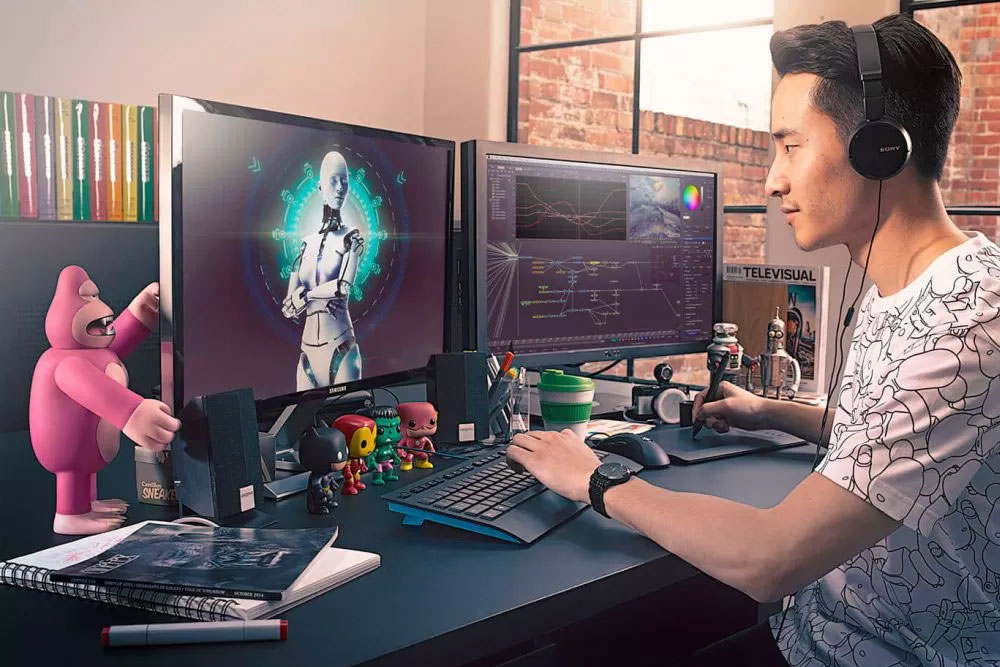
- Academic Qualification: Completion of Class 12 (or equivalent) from a recognized board.
- Age Range: Typically, between 17 and 25 years.
- Creative Aptitude: A keen interest in drawing, digital art, animation, and multimedia design; some institutes may require a portfolio or a demonstration of creative skills.
- Entrance Evaluation: Many institutions conduct entrance tests, personal interviews, or group discussions to assess creative potential and technical skills.
- Duration: Programs usually run from 1 to 2 years.
- Study Modes:
- Full-time Programs: Most common, offering immersive studio sessions, workshops, and hands-on projects.
- Part-time/Distance Learning: Available in select institutions for those balancing other commitments.
- Curriculum Layout: Structured into semesters or modules that combine theoretical classes, practical assignments, and industry-based projects.
Curriculum and Core Subjects The course curriculum covers a blend of animation theory, digital art, and multimedia production. Core subjects often include:
- Fundamentals of Animation: Principles of movement, timing, and the basics of animation.
- 2D & 3D Animation: Techniques for traditional hand-drawn and computer-generated animation.
- Character Design & Storyboarding: Creating compelling characters and planning narrative sequences.
- Digital Illustration & Graphic Design: Developing skills in drawing, vector art, and digital composition.
- Visual Effects (VFX): Techniques for integrating special effects and post-production compositing.
- Multimedia Production: Combining video, audio, and graphics to create interactive digital content.
- Sound Design & Editing: Methods for synchronizing audio with visuals and enhancing storytelling.
- Software Tools: Training in industry-standard software such as Adobe Creative Suite, Maya, Blender, Toon Boom, etc.
- Portfolio Development: Creating a professional portfolio that highlights animation projects and creative thinking.
- Workshops & Internships: Hands-on projects with industry exposure to real-world digital production challenges.
Skills Developed During the Program
- Creative and Artistic Expression: Ability to conceptualize innovative animations and visual narratives.
- Technical Proficiency: Mastery over animation software, digital illustration tools, and multimedia production techniques.
- Attention to Detail: Precision in frame-by-frame animation, character rigging, and visual effects.
- Project Management: Balancing creative concepts with production timelines and resource constraints.
- Problem Solving: Developing solutions for technical challenges in animation and digital production.
- Communication: Presenting ideas clearly to creative teams, clients, and collaborators.
Skills Required for Success
- Drawing and Visualization: Strong foundational drawing skills and digital rendering abilities.
- Computer Literacy: Proficiency with digital design tools and the ability to quickly learn new software.
- Creativity and Innovation: An ability to think creatively and produce original visual content.
- Storytelling: Skills in narrative development and visual storytelling techniques.
- Technical Aptitude: Understanding of the principles of animation and multimedia production.
- Interpersonal Skills: Effective communication and teamwork abilities for collaborative projects.
Institutes Offering the Course There are several reputed institutions offering Diploma courses in Animation & Multimedia. While specifics may vary, here are a few notable examples (primarily from India and select international centers):
- Arena Animation: Renowned for its comprehensive animation and multimedia programs with strong industry connections.
- MAAC (Maya Academy of Advanced Cinematics): Specializes in 2D/3D animation and visual effects with advanced training facilities.
- Frameboxx Animation & Visual Effects: Offers a range of courses in animation and multimedia production tailored to industry requirements.
- Pearl Academy: Provides specialized programs with robust exposure to digital art, animation, and multimedia.
- Asian Institute of Digital Arts (AIDA): Focuses on digital media, animation, and interactive content creation.
- Other Regional and Specialized Institutes: Numerous private and state-level institutes also offer diploma programs in Animation & Multimedia. It is advisable to research local offerings and check institute reputations before applying.
Employment Areas Graduates with a Diploma in Animation & Multimedia can work in various sectors, including:
- Film and Television: Creating animated sequences for movies, TV shows, and commercials.
- Gaming Industry: Designing characters, environments, and visual effects for video games.
- Advertising and Marketing: Producing animated advertisements, explainer videos, and digital promotional content.
- Digital Media and Web: Developing engaging multimedia content for websites, social media, and online platforms.
- Multimedia Production Houses: Working on interactive media, corporate presentations, and explainer videos.
- Freelancing and Entrepreneurship: Offering specialized animation and multimedia services independently.
Employers/Companies in the Animation & Multimedia Industry A diploma in Animation & Multimedia opens doors to opportunities with renowned firms and companies such as:
- Global Animation Studios: Pixar, DreamWorks, Blue Sky Studios, and Nickelodeon – leaders in animated film and television production.
- Gaming Companies: Electronic Arts, Ubisoft, and Blizzard Entertainment – known for innovative animated content in video games.
- Digital Media Firms: Agencies specializing in digital content creation, visual effects, and multimedia production.
- Indian Animation Studios: Toonz Animation, Prime Focus, Green Gold Animation, and Maya Digital Media – prominent players in the domestic market.
- Advertising and Production Houses: Firms that require animated content for dynamic advertising campaigns and digital projects.
Entry-Level Roles:
- Junior Animator/Animation Assistant: Involved in supporting animation production and assisting senior animators.
- Motion Graphics Designer: Creating animated graphics and visual effects for multimedia projects.
Mid-Level Positions:
- Animator/Visual Effects Artist: Handling complete animation sequences, character rigging, and visual effects integration.
- Storyboard Artist/Illustrator: Developing storyboards and conceptual artwork for animated projects.
Advanced Career Opportunities:
- Senior Animator/Art Director: Leading creative teams, setting artistic direction, and managing high-profile projects.
- Creative Director/Project Manager: Overseeing production cycles and ensuring alignment with creative visions.
- Entrepreneur/Consultant: Starting a design studio or offering specialized multimedia consulting services.
Growth Factors:
- Portfolio Development: A strong, diverse portfolio is key to advancing your career.
- Networking: Industry events, internships, and collaborations play a critical role in career growth.
- Continuous Learning: Keeping up with emerging technologies, new software, and animation techniques is essential.
- Application Submission: Complete application forms as required by the institute.
- Entrance Exams/Interviews: Some institutions conduct aptitude tests or personal interviews to assess creative and technical skills.
- Portfolio Review: Applicants may need to submit a portfolio that showcases previous work or creative projects.
- Selection Criteria: Academic performance, creative potential, and technical aptitude are often considered together.
- Fee Variation: Fees vary widely based on the institute’s reputation, location, and course duration.
- Approximate Range: Costs can range from modest fees to several lakhs of INR.
- Financial Support: Options such as scholarships, instalment plans, and financial aid may be available.
- Investment Consideration: Assess the overall return on investment based on course quality, industry exposure, and placement opportunities.
- Growth in Digital Media: Rising demand for animated content across films, television, gaming, and online platforms.
- Emergence of VR and AR: Integration of virtual and augmented reality in multimedia production is on the rise.
- Expanding Global Market: Opportunities for international collaborations and freelance projects are increasing.
- Technological Advancements: Continuous updates in animation software and production techniques drive industry innovation.
- Interactive and Customized Media: Trends toward personalized and interactive digital experiences are shaping the future of multimedia.