
Certificate in UIUX Design
Helps improve reasoning areas:
Logical
Spatial
Verbal
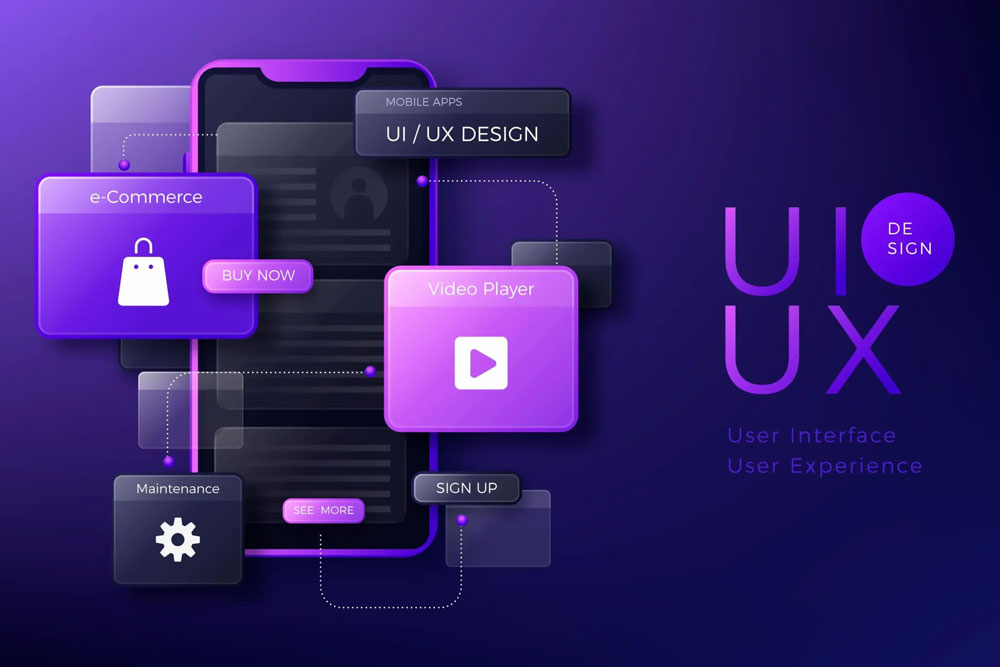
- Academic Qualification: Completion of Class 12 (or equivalent) from a recognized board.
- Age Range: Typically, between 17 and 25 years.
- Interest in Design: A strong passion for visual design, creative problem-solving, and enhancing user experiences; some institutes may request a brief portfolio or demonstration of artistic ability.
- Entrance Evaluation: Some institutions may conduct aptitude tests, group discussions, or interviews to assess creative potential and overall suitability for the program.
- Duration: Typically ranges from 6 months to 1 year.
- Study Modes:
- Full-time Programs: Offer intensive classroom sessions, interactive workshops, and hands-on design projects.
- Part-time/Evening Classes: Available in select institutions for those requiring flexible scheduling.
- Curriculum Layout: Organized into modules that integrate theoretical instruction, practical assignments, and real-world case studies in UI/UX design.
Curriculum and Core Subjects The curriculum covers essential topics in UI/UX design, providing a comprehensive introduction to both creative and technical aspects. Core subjects often include:
- Fundamentals of Design: Principles of design, color theory, typography, and visual hierarchy.
- User Interface (UI) Design: Techniques for creating intuitive and aesthetically pleasing digital interfaces.
- User Experience (UX) Design: Methods for user research, wireframing, prototyping, and usability testing.
- Interaction Design: Concepts for designing engaging interactions and transitions in digital products.
- Information Architecture: Organizing content and navigation to enhance user experience.
- Design Tools and Software: Training in industry-standard tools such as Sketch, Adobe XD, Figma, and InVision.
- Responsive and Mobile Design: Strategies for designing interfaces that work seamlessly across devices.
- Portfolio Development: Creating a professional portfolio that showcases design projects and practical work.
- Workshops & Internships: Hands-on projects and real-world exposure to current UI/UX design challenges.
Skills Developed During the Program
- Creative and Visual Design: Ability to create visually appealing and user-centric designs.
- User Research and Analysis: Proficiency in gathering user insights to inform design decisions.
- Prototyping and Wireframing: Hands-on experience in developing interactive prototypes and design blueprints.
- Technical Proficiency: Familiarity with modern design tools and software for digital design.
- Problem-Solving: Aptitude to identify user pain points and develop innovative design solutions.
- Collaboration and Communication: Effective communication of design ideas and working in cross-functional teams.
Skills Required for Success
- Attention to Detail: Precision in layout, spacing, and visual consistency.
- Curiosity and Innovation: A passion for exploring new design trends and emerging technologies.
- Critical Thinking: Ability to analyze user feedback and iterate on design improvements.
- Time Management: Efficient organization to manage multiple design projects and meet deadlines.
- Interpersonal Skills: Strong teamwork and collaboration skills to work effectively with developers and stakeholders.
Institutes Offering the Course There are several reputable institutions offering Certificate courses in UI/UX Design. Notable examples include:
- Pearl Academy: Offers comprehensive programs in digital design with a focus on UI/UX.
- MIT Institute of Design (MIT-ID): Provides specialized courses in visual communication and user experience design.
- Local Design Institutes and Art Schools: Many state-level and private institutions offer certificate courses in UI/UX design; research local offerings and check institute reputations before applying.
- Online Education Platforms: Accredited e-learning providers such as Coursera, edX, and Udacity offer flexible UI/UX design courses; verify course accreditation and institute reputation before enrolling.
Employment Areas Graduates with a Certificate in UI/UX Design can explore various roles, including:
- Digital Agencies: Creating engaging interfaces and user experiences for websites and mobile apps.
- IT and Software Companies: Contributing to product design and enhancing user experience for digital applications.
- Startups: Joining early-stage companies to shape the design and usability of innovative products.
- Freelancing and Consultancy: Offering specialized UI/UX design services independently.
- Corporate In-house Design Teams: Managing digital design projects and enhancing internal user interfaces.
Employers/Companies in the UI/UX Design Industry A certificate in UI/UX Design opens doors to opportunities with various organizations, such as:
- Global Digital Agencies: Ogilvy, Wunderman Thompson, and Razorfish – known for high-impact digital design projects.
- Leading IT Companies: Firms like Google, Microsoft, and Adobe that emphasize user experience in their product development.
- Startups and Tech Innovators: Emerging companies looking for agile designers to create innovative user experiences.
- Design Consultancies: Specialized agencies focusing on user research, interface design, and digital strategy.
- Freelance Platforms: Opportunities to work independently with a variety of clients on UI/UX projects.
Entry-Level Roles:
- Junior UI/UX Designer: Assisting in creating wireframes, prototypes, and visual designs under guidance.
- Visual Design Assistant: Supporting senior designers with layout, typography, and design consistency tasks.
Mid-Level Positions:
- UI/UX Designer: Managing complete design projects from user research to final implementation.
- Interaction Designer: Specializing in crafting engaging interactions and enhancing user experience.
Advanced Career Opportunities:
- Senior UI/UX Designer/Lead Designer: Leading design teams, mentoring junior designers, and setting creative direction.
- Product Designer: Integrating design and user experience into holistic product development strategies.
- Design Consultant/Entrepreneur: Launching a design studio or offering specialized consultancy services in UI/UX design.
Growth Factors:
- Portfolio Development: Building a diverse portfolio through real-world projects and internships is essential.
- Networking: Participation in design events, workshops, and online communities enhances professional connections.
- Continuous Learning: Keeping updated with emerging design trends, new tools, and best practices is vital for career growth.
- Application Submission: Complete the application forms as required by the institute.
- Entrance Exams/Interviews: Some institutions may conduct aptitude tests, group discussions, or personal interviews to assess creative potential and technical skills.
- Portfolio/Experience Review: Applicants might be asked to submit a portfolio showcasing previous design projects or creative work.
- Selection Criteria: Academic performance, creative ability, and demonstrated interest in UI/UX design are typically evaluated.
- Fee Variation: Fees vary based on the institute’s reputation, location, and course duration.
- Approximate Range: Costs for certificate courses in UI/UX Design generally range from modest fees to a few lakhs of INR.
- Financial Support: Options such as scholarships, installment plans, and financial aid may be available.
- Investment Consideration: Evaluate the overall return on investment based on course quality, hands-on training, and job placement support.
- Digital Transformation: Growing emphasis on digital user experiences is driving demand for skilled UI/UX designers.
- Remote Work and Global Collaboration: Increasing remote work trends expand opportunities for freelance and distributed design teams.
- Emerging Technologies: Advances in augmented reality (AR), virtual reality (VR), and voice user interfaces are reshaping design strategies.
- User-Centered Design Focus: Organizations are prioritizing user experience to enhance customer engagement and satisfaction.
- Continuous Innovation: Ongoing evolution of design tools and methodologies offers dynamic prospects for professional growth.
Bottom of Form
