
Certificate in Culinary Arts
Helps improve reasoning areas:
Critical
Logical
Verbal
- Academic Qualification: Completion of Class 12 (or equivalent) from a recognized board.
- Age Range: Typically, between 17 and 25 years.
- Interest in Culinary Arts: A strong passion for cooking, experimenting with recipes, and exploring diverse cuisines; some institutes may request a brief portfolio or demonstration of culinary interest.
- Entrance Evaluation: Some institutions may conduct aptitude tests, interviews, or practical cooking demonstrations to assess the candidate’s potential and basic skills.
- Duration: Typically ranges from 6 months to 1 year.
- Study Modes:
- Full-time Programs: Offer intensive classroom sessions, hands-on kitchen labs, and live project work.
- Part-time/Evening Classes: Available in select institutions for those requiring flexible scheduling.
- Curriculum Layout: Organized into modules that blend theoretical lessons, practical assignments, and real-world culinary projects.
Curriculum and Core Subjects The curriculum covers essential topics in culinary arts, providing a comprehensive introduction to both technical skills and creative cooking. Core subjects often include:
- Fundamentals of Culinary Arts: Basic cooking techniques, knife skills, and ingredient handling.
- International and Regional Cuisines: Exploration of diverse culinary traditions and flavour profiles.
- Food Safety and Hygiene: Principles of sanitation, proper food handling, and kitchen safety protocols.
- Nutrition and Menu Planning: Basics of nutrition, balanced meal preparation, and creative menu design.
- Baking and Pastry Arts: Techniques in baking, dessert preparation, and pastry creation.
- Kitchen Management: Overview of managing kitchen operations, including inventory, cost control, and staff coordination.
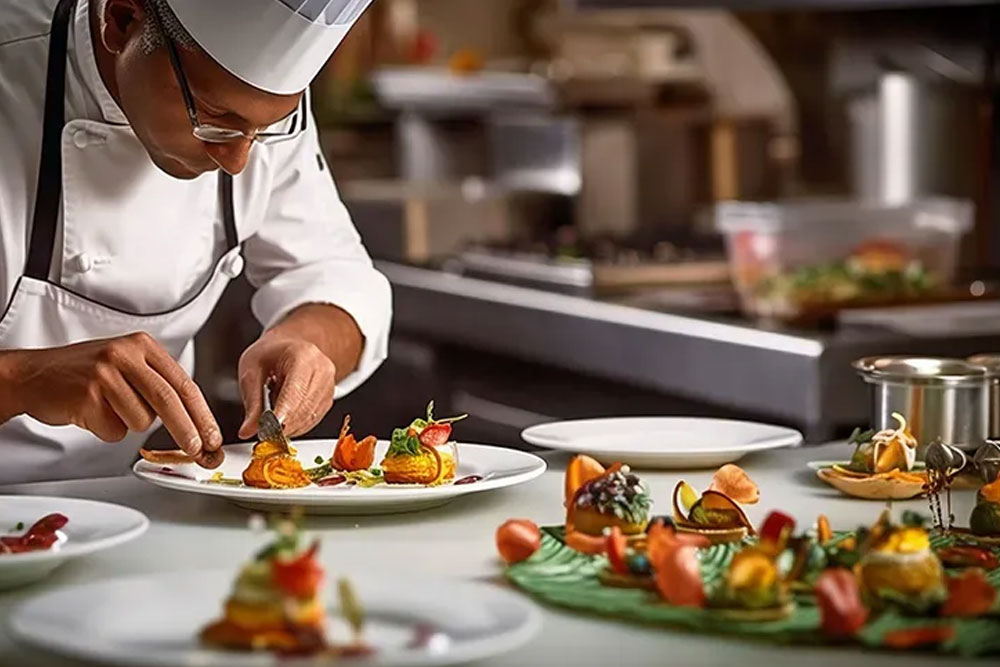
- Culinary Presentation and Plating: Skills in artistic presentation to enhance the dining experience.
- Specialty Courses: Modules on modern culinary trends, fusion cuisine, or gourmet techniques.
- Practical Workshops & Internships: Hands-on training sessions and real-world placements in professional kitchens.
Skills Developed During the Program
- Culinary Technique: Mastery of various cooking methods and proficiency with kitchen equipment.
- Creative Expression: Ability to innovate and develop unique recipes and presentation styles.
- Attention to Detail: Precision in ingredient measurement, timing, and food presentation.
- Food Safety and Hygiene: Understanding and application of proper sanitary practices in the kitchen.
- Kitchen Management: Basic skills in organizing, planning, and executing daily kitchen operations.
- Teamwork and Communication: Effective collaboration with kitchen staff and clear communication in a fast-paced environment.
Skills Required for Success
- Passion for Cooking: Genuine enthusiasm and commitment to the culinary craft.
- Manual Dexterity: Good hand-eye coordination and comfort with kitchen tools and equipment.
- Time Management: Ability to efficiently prepare dishes and manage multiple orders simultaneously.
- Adaptability: Flexibility to learn new techniques and adapt to different culinary styles.
- Interpersonal Skills: Strong communication and collaboration skills for working within a team.
- Problem-Solving: Quick thinking to resolve challenges during food preparation and service.
Institutes Offering the Course There are several reputable institutions offering Certificate courses in Culinary Arts. Notable examples include:
- Institute of Culinary Education (ICE): Renowned for its comprehensive culinary programs and industry connections.
- Culinary Academy of India: Offers specialized training in traditional and modern culinary techniques.
- Local Culinary Schools and Training Centers: Many state-level and private institutes provide focused certificate courses; research local offerings and verify institute reputations before applying.
- Online Education Platforms: Accredited e-learning providers such as Coursera, Udemy, and Skillshare offer flexible courses in culinary arts; ensure course accreditation and quality before enrolling.
Employment Areas Graduates with a Certificate in Culinary Arts can explore various entry-level opportunities in:
- Restaurants and Fine Dining: Roles such as junior chef, commis chef, or kitchen assistant.
- Hotels and Resorts: Positions in hotel kitchens, banqueting services, and catering operations.
- Catering Services: Opportunities in event catering, corporate functions, and private dining.
- Food and Beverage Outlets: Roles in cafes, bakeries, and fast-food chains.
- Food Production and Processing: Entry-level positions in food manufacturing and quality control.
- Freelancing and Entrepreneurship: Launching a personal culinary venture, food truck, or private catering service.
Employers/Companies in the Culinary Industry A certificate in Culinary Arts opens doors to opportunities with various organizations, such as:
- Global Restaurant Chains: McDonald’s, Starbucks, and Domino’s – offering entry-level culinary roles.
- Leading Hotel Brands: Marriott, Hilton, and Taj Hotels – known for comprehensive training and career growth in hospitality.
- Boutique and Fine Dining Establishments: High-end restaurants that emphasize creativity and quality in culinary presentations.
- Catering Companies: Firms specializing in large-scale event catering and personalized food services.
- Food Production Firms: Companies that require skilled culinary professionals for recipe development and quality assurance.
Entry-Level Roles:
- Junior Chef/Commis Chef: Assisting in food preparation, cooking, and basic kitchen operations.
- Kitchen Assistant: Supporting chefs with routine tasks, maintaining hygiene, and managing inventory.
Mid-Level Positions:
- Sous Chef: Assisting the head chef in managing kitchen staff and ensuring smooth operations during service.
- Line Cook: Specializing in specific stations within the kitchen and mastering advanced cooking techniques.
Advanced Career Opportunities:
- Head Chef/Executive Chef: Leading the kitchen, designing menus, and overseeing all culinary operations.
- Restaurant Manager/Culinary Director: Managing overall restaurant operations, including both culinary and business aspects.
- Entrepreneur/Consultant: Launching a personal culinary venture or offering consultancy in food and beverage management.
Growth Factors:
- Portfolio Development: Building a strong portfolio of dishes and culinary projects is crucial for career advancement.
- Networking: Engagement in culinary competitions, food festivals, and industry events enhances professional connections.
- Continuous Learning: Staying updated with culinary trends, new techniques, and food technology innovations is vital for long-term success.
- Application Submission: Complete the application forms as required by the institute.
- Entrance Exams/Interviews: Some institutions may conduct aptitude tests, practical cooking demonstrations, or personal interviews to assess culinary potential.
- Portfolio/Experience Review: Applicants might be asked to submit samples of recipes, culinary projects, or a brief portfolio.
- Selection Criteria: Academic performance, demonstrated interest in culinary arts, and basic practical skills are typically evaluated.
- Fee Variation: Fees vary based on the institute’s reputation, location, and course duration.
- Approximate Range: Costs for certificate courses in Culinary Arts generally range from modest fees to a few lakhs of INR.
- Financial Support: Options such as scholarships, installment plans, and financial aid may be available.
- Investment Consideration: Evaluate the overall return on investment based on course quality, hands-on training, and job placement support.
- Global Culinary Innovation: Increasing demand for creative, fusion, and healthy cuisine is driving opportunities in the culinary field.
- Sustainability and Local Sourcing: Growing emphasis on organic ingredients and sustainable practices is reshaping culinary trends.
- Digital Transformation: Online food delivery and digital culinary content are expanding career avenues.
- Food Tourism and Experiential Dining: Rising interest in gourmet experiences and food tourism offers diverse opportunities.
- Continuous Innovation: Advances in cooking technology and global culinary influences continue to shape the industry.