
B.Voc in Food Processing
The B.Voc in Food Processing is a specialized undergraduate program designed for students who have completed Class 12 or an equivalent examination. This course combines theoretical foundations with extensive practical training to equip students with the knowledge and skills required in modern...
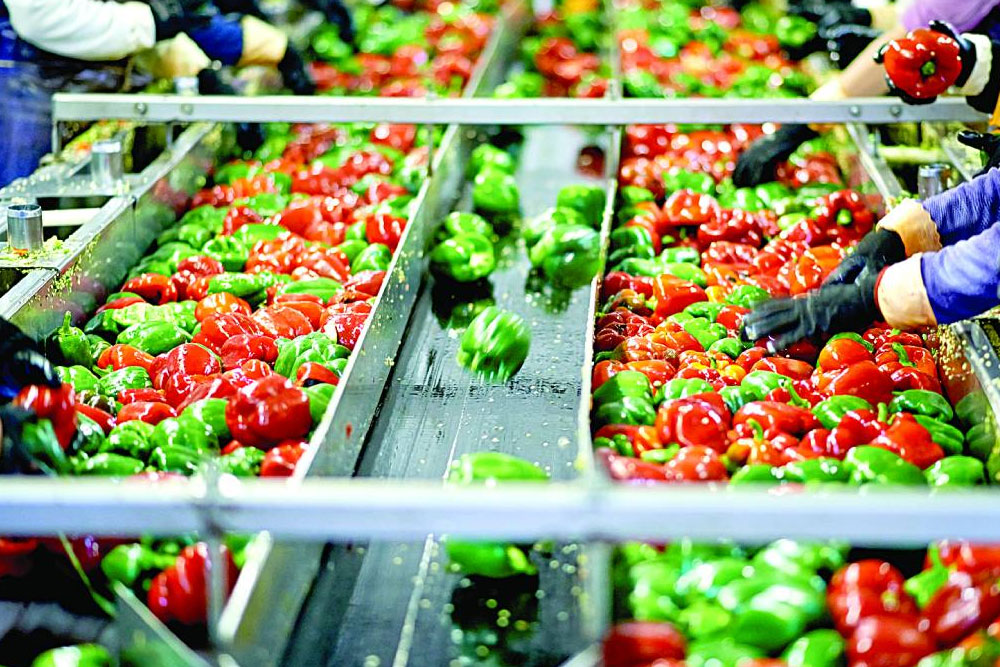
- Eligibility:
- Candidates must have completed Class 12 or an equivalent examination.
- A background in Science (preferably with subjects like Physics, Chemistry, and Biology) is advantageous, though open to students from any stream with a keen interest in food technology.
- Proficiency in English and basic computer skills are essential.
- Admission Process:
- Entrance Examinations and Merit-Based Selection: Admissions are typically based on entrance exams, academic performance, and sometimes personal interviews or group discussions.
- Institute-Specific Procedures: Each institution sets its own criteria. Prominent institutions offering B.Voc in Food Processing include:
- Government Polytechnic Institutes with Vocational Streams
- State Board of Technical Education Institutes offering B.Voc programs
- Private Institutes and Universities with specialized B.Voc courses in Food Processing
- Applicants should refer to official institutional websites or local education portals for detailed admission guidelines, reservation policies, and enrollment dates.
- Course Duration:
- Typically spans 3 years (divided into 6 semesters).
- Structure:
- Theory Classes: Cover essential subjects in food processing including food chemistry, processing techniques, quality control, and food safety.
- Practical Sessions: Hands-on training in processing operations, equipment handling, packaging technologies, and laboratory testing.
- Internships/Industry Projects: Integrated internship programs and live projects provide direct exposure to food processing plants, research labs, and manufacturing units.
- Assessment: Continuous evaluation through assignments, laboratory work, project presentations, and final examinations.
Core Subjects:
- Fundamentals of Food Processing: Overview of food processing methods, preservation techniques, and the role of processing in the food industry.
- Food Chemistry and Microbiology: Understanding the chemical and microbial aspects of food that influence processing, safety, and shelf life.
- Processing Technologies: Detailed study of various processing techniques such as thermal processing, drying, fermentation, and freezing.
- Food Safety and Quality Control: Principles of food hygiene, hazard analysis, critical control points (HACCP), and quality assurance procedures.
- Packaging and Storage: Techniques for packaging food products to maintain quality and extend shelf life.
- Nutrition and Product Development: Basics of nutritional analysis and formulation of value-added food products.
- Food Processing Equipment: Introduction to machinery and technology used in modern food processing operations.
- Industrial Training: Practical projects and internships that simulate real-world processing challenges and industry practices.
Technical Skills:
- Basic understanding of food science and agricultural principles.
- Familiarity with laboratory techniques and food testing methods.
- Ability to operate and maintain food processing equipment.
- Proficiency in data analysis and record-keeping for quality control.
- Willingness to learn about food safety standards and regulatory compliance.
Soft Skills:
- Strong analytical and problem-solving abilities.
- Effective communication and teamwork skills.
- Attention to detail and commitment to maintaining high-quality standards.
- Time management and organizational skills.
- Adaptability to technological advancements and changing industry trends.
Pros:
- Industry-Relevant Curriculum: Provides practical training aligned with current food processing technologies and safety standards.
- High Employability: Graduates are in demand across food manufacturing, processing, and quality assurance sectors.
- Practical Exposure: Integrated internships and live projects offer hands-on experience in real food processing environments.
- Cost-Effective: B.Voc programs offer a focused, skill-based alternative to traditional full-degree programs.
- Foundation for Further Studies: Serves as a stepping stone for advanced studies in food technology, nutrition, or agribusiness.
Cons:
- Limited Theoretical Depth: Emphasis on practical application may result in less comprehensive theoretical knowledge compared to traditional degrees.
- Rapid Technological Changes: The fast-evolving nature of food processing technology requires continuous skill updating.
- Niche Focus: Specialization in food processing may limit broader career options without additional qualifications.
- Variability in Quality: Course quality and industry exposure may vary between institutions and geographic regions.
- Internship Programs: Structured internships with food processing companies, research laboratories, and manufacturing units provide direct industry exposure and practical experience.
- Industry Collaborations: Partnerships with industry leaders for live projects, guest lectures, and workshops help bridge the gap between academic learning and market realities.
- Networking Opportunities: Participation in food expos, trade shows, and industry seminars enables students to build professional networks and stay updated with current trends.
- Certification: Graduates receive a Bachelor of Vocation (B.Voc) degree in Food Processing upon successful completion of the program.
- Accreditation: Programs are accredited by national educational bodies and recognized by industry associations, ensuring that the curriculum meets professional standards and industry requirements.
- Technical Proficiency: Graduates will be able to operate food processing machinery, apply quality control measures, and implement safety protocols.
- Process Optimization: Ability to design, execute, and manage efficient food processing operations.
- Product Development: Skills in formulating and developing value-added food products based on consumer needs and nutritional requirements.
- Industry Readiness: Practical exposure through internships and live projects ensures graduates are job-ready and capable of addressing real-world challenges in the food industry.
- Analytical Competence: Proficiency in using data analytics to monitor production processes and improve product quality.
Entry-Level Opportunities:
- Food Processing Technician: Roles in operating production lines, quality control, and packaging in food manufacturing units.
- Production Assistant: Entry-level positions in supporting food processing operations and maintaining processing equipment.
- Quality Control Assistant: Positions focused on monitoring product quality and ensuring adherence to safety standards.
- Packaging Operator: Roles in the packaging and labeling of processed food products.
Career Progression:
- Mid-Level Roles: With experience, graduates can progress to positions such as Production Supervisor, Quality Assurance Manager, or Process Technician.
- Advanced Opportunities: Further studies or specialized certifications can lead to roles in research and development, process optimization, or technical consultancy in the food industry.
- Entrepreneurship: Opportunities exist to start small-scale food processing ventures or work in cooperative agricultural setups.
- Continued Learning: Advanced training in food technology, nutrition, or agribusiness management can enhance career prospects and lead to higher managerial positions.
Key Employment Sectors:
- Food Manufacturing Plants: Involvement in processing, packaging, and quality control of various food products.
- Catering and Institutional Food Services: Opportunities in companies providing large-scale food production for schools, hospitals, and corporate cafeterias.
- Retail Food Production: Roles in companies producing packaged foods for consumer markets.
- Agribusiness Firms: Organizations specializing in converting agricultural produce into value-added food products.
- Government and Non-Profit Organizations: Employment in public-sector food processing initiatives and non-profit organizations promoting sustainable agriculture.
Examples of Potential Employers:
- Large Food Processing Companies: Multinational corporations like Nestlé, PepsiCo, or local food manufacturers.
- Catering Service Providers: Firms offering mass catering services.
- Retail Chains: Supermarkets and food retailers with in-house production facilities.
- Agribusiness Enterprises: Companies focused on sustainable and organic food production.
- Self-Employment: Opportunities for freelance consultants or entrepreneurs starting small food processing ventures.
The B.Voc in Food Processing after Class 12 offers an industry-focused education that effectively bridges the gap between academic learning and practical application in the food manufacturing sector. With a well-rounded curriculum that includes theoretical foundations, extensive practical training, and valuable industry exposure through internships and live projects, the program prepares graduates for immediate entry-level roles and future career advancement in food processing, quality control, and product development. Although it provides less theoretical depth than traditional degree programs, its cost-effectiveness, relevance to modern food industry practices, and robust skill development make it an excellent option for students aspiring to build a successful career in the food processing sector.