
B.Voc in Animation & Multimedia
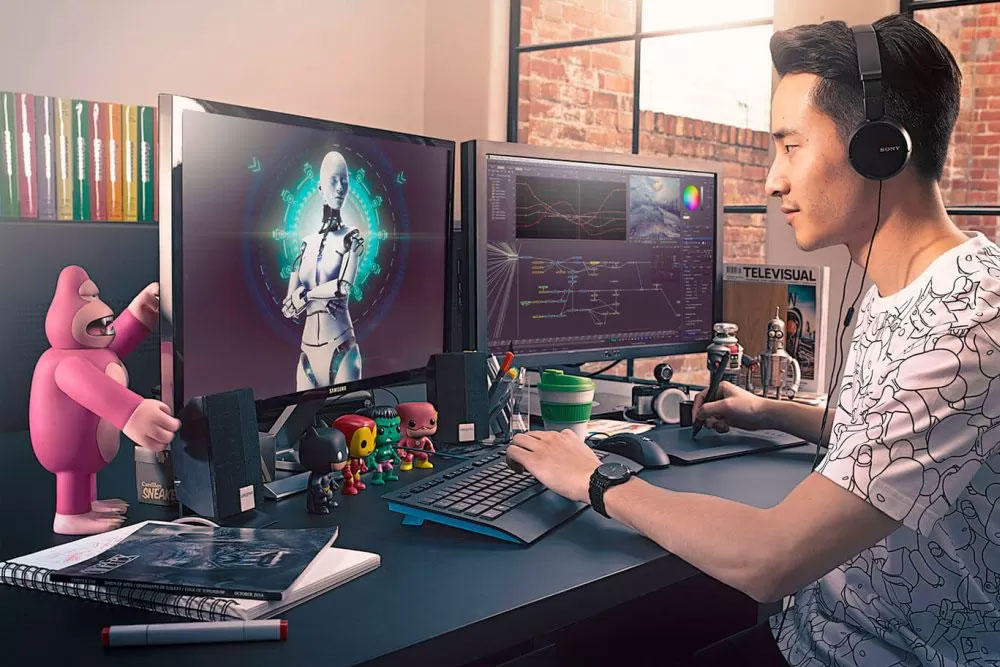
The B.Voc in Animation & Multimedia is a specialized undergraduate program designed for students who have completed Class 12 or an equivalent examination. This course blends theoretical concepts with extensive hands-on training to develop skills in 2D/3D animation, visual effects, digital...
- Eligibility:
- Completion of Class 12 or an equivalent examination is required.
- Students from any stream are eligible; however, a creative mindset, basic computer skills, and proficiency in English are essential.
- Admission Process:
- Entrance Examinations and Merit-Based Selection: Admissions may be based on entrance exams, academic performance, and sometimes personal interviews or group discussions.
- Institute-Specific Procedures: Each institution has its own criteria. Some prominent institutions offering the B.Voc in Animation & Multimedia include:
- Government Polytechnic Institutes with Vocational Streams
- State Board of Technical Education Institutes offering B.Voc programs
- Private Institutes and Universities with specialized B.Voc courses in Animation & Multimedia
- Applicants should refer to official institutional websites or local education portals for detailed admission guidelines, reservation policies, and enrollment dates.
- Course Duration:
- Typically spans 3 years (divided into 6 semesters).
- Structure:
- Theory Classes: Cover foundational topics in animation principles, digital art, storytelling, and multimedia design.
- Practical Sessions: Hands-on training in industry-standard software for 2D/3D animation, video editing, and graphic design, with regular studio sessions.
- Internships/Industry Projects: Structured internships and live projects provide real-world experience, allowing students to work on actual animation projects and multimedia campaigns.
- Assessment: Continuous evaluation through assignments, practical projects, presentations, and final examinations.
Core Subjects:
- Fundamentals of Animation: Introduction to animation history, basic principles (e.g., timing, squash and stretch), and storytelling techniques.
- Digital Illustration & Graphic Design: Training in drawing, character design, and digital illustration using software like Adobe Photoshop and Illustrator.
- 2D & 3D Animation Techniques: Practical modules on frame-by-frame animation, keyframing, tweening, and 3D modeling.
- Video Editing and Post-Production: Basics of video editing, color correction, and integrating sound and effects using tools like Adobe Premiere Pro and After Effects.
- Multimedia Production: Understanding interactive media, web design basics, and motion graphics.
- Scriptwriting and Storyboarding: Techniques for developing scripts, storyboards, and visual narratives.
- Industry Projects and Internships: Hands-on projects that simulate real-world animation and multimedia production scenarios.
Technical Skills:
- Proficiency with computer operations and digital art tools.
- Basic drawing and illustration skills.
- Familiarity with design and animation software (e.g., Adobe Creative Suite, Autodesk Maya).
- Ability to follow design principles and execute animation sequences.
- Competence in using video editing and post-production tools.
Soft Skills:
- Creativity and strong visual storytelling ability.
- Effective communication to articulate design concepts.
- Attention to detail and precision in artwork.
- Problem-solving skills for technical and creative challenges.
- Adaptability to rapidly evolving digital tools and industry trends.
- Collaboration and teamwork skills for group projects and studio work.
Pros:
- Industry-Relevant Curriculum: Provides up-to-date skills in digital animation and multimedia production aligned with current market trends.
- High Employability: Graduates are in demand in creative industries, advertising, film, and gaming.
- Practical Exposure: Extensive hands-on projects, internships, and live projects ensure that students gain real-world experience.
- Portfolio Development: Emphasis on project work helps build a professional portfolio, crucial for creative careers.
- Pathway for Further Studies: Serves as a strong foundation for advanced studies in animation, digital media, or related disciplines.
Cons:
- Limited Theoretical Depth: Focuses more on practical applications than on in-depth theoretical knowledge compared to full-fledged degree programs.
- Rapid Technological Changes: Constant updates in software and digital tools require continuous learning and skill upgrading.
- Niche Focus: Specialization in animation and multimedia may limit career flexibility without additional qualifications.
- Variability in Quality: The quality of instruction, facilities, and industry exposure can vary between institutions.
- Internship Programs: Integrated internships with animation studios, digital media agencies, and film production houses provide hands-on industry experience.
- Industry Collaborations: Partnerships with leading companies and guest lectures by industry experts ensure that the curriculum stays current and relevant.
- Networking Opportunities: Industry events, seminars, and digital forums allow students to build professional connections and explore career opportunities.
- Certification: Graduates receive a Bachelor of Vocation (B.Voc) degree with a specialization in Animation & Multimedia.
- Accreditation: Programs are accredited by national educational bodies and recognized by industry associations, ensuring that the certification meets professional standards and industry requirements.
- Technical Proficiency: Ability to create, edit, and produce 2D and 3D animations, as well as multimedia content, using industry-standard tools.
- Creative Expression: Develop strong storytelling skills and the ability to translate creative ideas into visual formats.
- Project Management: Gain experience in managing animation projects from concept to completion, including time management and team collaboration.
- Analytical Skills: Ability to analyze and interpret digital media trends and apply data-driven insights to creative projects.
- Industry Readiness: Practical experience through live projects and internships ensures graduates are prepared to enter the competitive digital media and animation industry.
Entry-Level Opportunities:
- Junior Animator/Graphic Designer: Roles in creating basic animations, illustrations, or multimedia content for digital media, advertising, or film.
- Digital Content Creator: Positions focused on developing content for websites, social media, and online platforms.
- Multimedia Technician: Entry-level roles supporting animation studios or creative agencies.
- Freelance Designer: Opportunities for project-based freelance work in animation and digital art.
Career Progression:
- Mid-Level Roles: With experience, graduates can advance to positions such as Senior Animator, Visual Effects Artist, or Multimedia Designer.
- Advanced Opportunities: Lateral entry into specialized roles in 3D modeling, game design, or film production through further certifications or advanced degrees.
- Entrepreneurship: Many professionals start their own creative studios or work as freelance digital artists.
- Continued Learning: Advanced courses in motion graphics, interactive design, or virtual reality can further enhance career prospects and lead to senior creative positions.
Key Employment Sectors:
- Animation Studios: Production houses specializing in 2D/3D animation and visual effects.
- Digital Marketing Agencies: Firms that require creative content for online advertising and social media campaigns.
- Film and Television: Media houses producing animated content, special effects, and visual storytelling.
- Gaming Industry: Companies involved in game design and development.
- Corporate In-House Teams: Organizations with dedicated digital media and creative content departments.
- Freelance and Contract Work: Opportunities for freelance animators and digital content creators in various industries.
Examples of Potential Employers:
- Animation Studios: Companies like Toonz Animation, Green Gold Animation, or local animation firms.
- Digital Agencies: Leading creative agencies and digital marketing firms.
- Film and Media Houses: Television networks, film production companies, and streaming platforms.
- Gaming Companies: Firms involved in game development and interactive media.
- Freelance Platforms: Opportunities available on Upwork, Fiverr, and regional creative networks.
The B.Voc in Animation & Multimedia after Class 12 provides a robust, industry-focused education that bridges creative expression with practical digital skills. With a curriculum that emphasizes hands-on learning, internships, and industry collaborations, the program prepares graduates for immediate entry-level roles in various creative sectors such as animation, digital media, and game design. Although it offers less theoretical depth than traditional degree programs, its cost-effectiveness, rapid skill acquisition, and relevance to current market trends make it an excellent option for students aspiring to launch a successful career in the dynamic world of animation and multimedia production.