
Mechatronics
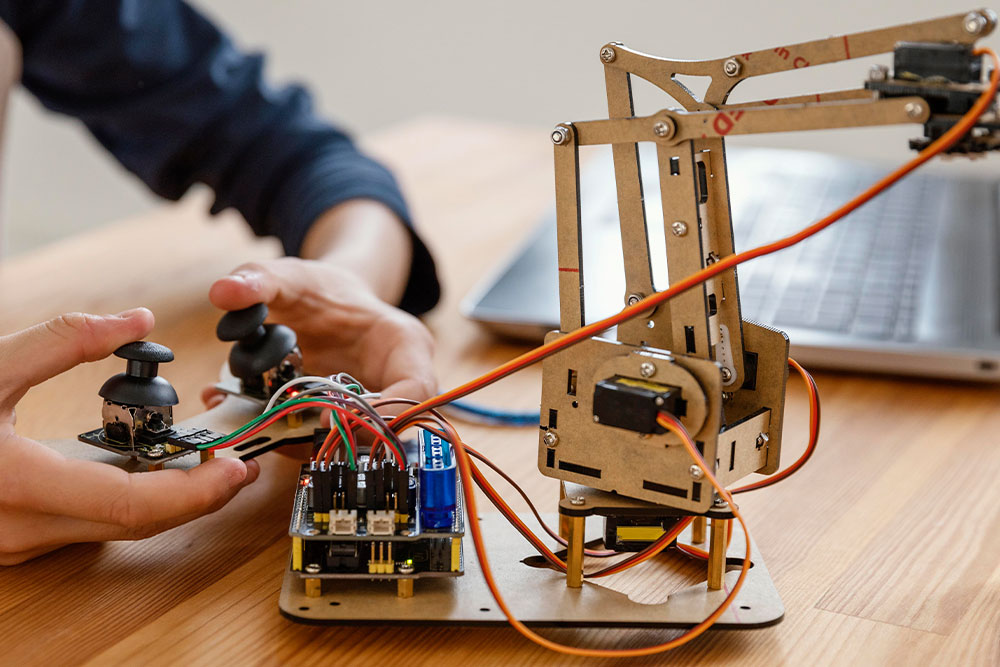
A Polytechnic Diploma in Mechatronics is a 3-year program (typically divided into 6 semesters) designed for students who have completed Class 10 or an equivalent examination. This diploma offers a multidisciplinary curriculum that combines principles of mechanical engineering, electronics,...
- Eligibility:
- Candidates must have passed Class 10 or an equivalent examination.
- A strong foundation in Mathematics and Science is generally required.
- Admission Process:
- Entrance Examinations and Merit-Based Selection: Many polytechnic institutes conduct entrance examinations. Admissions are typically based on academic performance in Class 10 combined with entrance exam scores and subsequent counseling sessions.
- Institute-Specific Procedures: Each institute may have its own selection criteria and process. Some well-known institutes offering the Mechatronics diploma include:
- Government Polytechnic, Mumbai
- Delhi Polytechnic (Government Polytechnic, Delhi)
- Government Polytechnic, Chennai
- Government Polytechnic, Pune
- State Board of Technical Education Institutes across various states
- Modern Polytechnic Institutes (both private and government-aided) throughout India
- Specific state-level requirements, reservation policies, and quotas may also apply. Prospective students should consult the respective institute or state technical education board for detailed admission guidelines and deadlines.
- Course Duration:
- Typically spans 3 years (6 semesters), though some institutions may offer accelerated or condensed programs.
- Structure:
- Theory Classes: Cover fundamental subjects such as Mathematics, Physics, and core subjects in mechanical, electronics, and computer control systems.
- Practical Sessions: Extensive laboratory work, workshop training, and simulation sessions using industry-standard tools and software.
- Project Work: Final year projects and industrial attachments/internships provide real-world exposure to integrated mechatronic systems.
- Industrial Training: Short-term training modules that immerse students in practical work at manufacturing units, robotics labs, or automation industries.
Core Subjects:
- Engineering Mathematics: Application of algebra, calculus, and statistics to solve engineering problems.
- Basic Mechanics: Fundamental principles of mechanics, kinematics, and dynamics.
- Electronics Fundamentals: Introduction to electronic components, circuits, and semiconductor devices.
- Digital Electronics and Microcontrollers: Concepts of digital logic, microprocessors, and embedded system programming.
- Control Systems: Basics of feedback control, sensors, and actuator systems.
- Mechatronic Systems: Integration of mechanical design, electronics, and computer control for automated systems.
- Computer-Aided Design (CAD): Use of CAD software for designing mechanical components and systems.
- Automation and Robotics: Introduction to robotics, automated machinery, and industrial automation processes.
- Workshop Practices: Hands-on training in machining, assembly, circuit testing, and system integration.
- Environmental and Safety Practices: Emphasis on safe handling of equipment and sustainable practices in technology.
Technical Skills:
- Strong foundation in Mathematics and Physics.
- Understanding of mechanical and electronic principles.
- Familiarity with microcontrollers and basic programming.
- Proficiency in using CAD tools and simulation software.
- Ability to integrate hardware and software components in mechatronic systems.
Soft Skills:
- Effective problem-solving and analytical thinking.
- Clear technical communication (both written and verbal).
- Ability to work collaboratively in cross-disciplinary teams.
- Attention to detail in system design, testing, and quality control.
- Adaptability to learn and apply new technologies in automation and robotics.
Pros:
- Interdisciplinary Exposure: Combines mechanical, electronics, and computer control, providing a broad skill set.
- High Demand: Mechatronics professionals are increasingly sought after in industries like robotics, automation, and advanced manufacturing.
- Cost-Effective: Typically lower tuition fees compared to full engineering degree programs.
- Job-Ready Skills: Emphasis on practical and integrated learning enhances immediate employability.
- Pathway to Higher Education: Facilitates lateral entry into B.E./B.Tech programs for further specialization in mechatronics or related fields.
Cons:
- Limited Theoretical Depth: May not cover advanced theoretical aspects in as much detail as a full engineering degree.
- Specialized Focus: Highly specialized training may limit flexibility for switching to other engineering fields later.
- Variability in Quality: Curriculum and practical exposure can vary significantly between institutions.
- Career Ceiling: Without further studies, upward mobility in high-level technical or managerial roles may be limited.
- Hands-On Workshops: Regular practical sessions in well-equipped labs and workshops provide exposure to integrated system design, robotics, and automation.
- Project-Based Learning: Final year projects—often in collaboration with industry partners—allow students to apply interdisciplinary knowledge to real-world mechatronic challenges, enhancing both technical and project management skills.
- Industrial Attachments: Short-term industrial training or apprenticeships at manufacturing plants, robotics labs, or automation companies bridge the gap between classroom learning and practical application.
- Soft Skills Enhancement: Modules on teamwork, technical report writing, and effective communication ensure that graduates are well-prepared to work in collaborative, fast-paced environments.
- Government Support and Schemes: Many diploma programs are supported by initiatives such as the National Skill Qualification Framework (NSQF) and state-specific technical education schemes, which may include scholarships or placement assistance.
- Cost and Accessibility: Polytechnic diplomas are generally more affordable than full engineering degrees, making them an attractive option for many students.
- Regional Variations: While the core curriculum remains consistent, elective subjects, practical modules, and facility quality may differ between institutions and regions. Prospective students should research local offerings carefully.
- Future Educational Pathways: This diploma not only offers immediate employment opportunities but also serves as a stepping stone for lateral entry into undergraduate engineering programs, enabling further specialization in mechatronics or related fields.
Entry-Level Opportunities:
- Junior Mechatronics Technician/Engineer: Roles in assembly, testing, and maintenance of integrated mechatronic systems.
- Automation Technician: Supporting roles in automated production lines, robotics labs, and control systems.
- Service Engineer: Providing troubleshooting and repair support for mechatronic and robotic systems.
- Field Engineer: On-site support for installation and maintenance of automated machinery.
Career Progression:
- Mid-Level Roles: With experience, graduates can progress to positions such as Senior Technician, System Supervisor, or Technical Team Leader.
- Advanced Opportunities: Lateral entry into B.E./B.Tech programs can lead to specialized roles in robotics, automation design, project management, or R&D.
- Entrepreneurship: Graduates may start their own automation and robotics service companies or consultancy firms.
- Continued Learning: Additional certifications in robotics, industrial automation, or advanced control systems further enhance career prospects.
Key Employment Sectors:
- Manufacturing and Automation: Involvement in the design, operation, and maintenance of automated production systems.
- Robotics and Industrial Automation: Development and support of robotic systems for various industries.
- Automotive and Aerospace: Application of mechatronic systems in modern vehicles and aircraft.
- Consumer Electronics: Roles in the integration of automated systems for electronics manufacturing.
- Research and Development: Participation in innovation, product design, and technology improvement initiatives.
Examples of Potential Employers:
- Manufacturing & Automation: Larsen & Toubro (L&T), Siemens, ABB.
- Robotics and Industrial Automation: FANUC, KUKA, ABB Robotics.
- Automotive & Aerospace: Tata Motors, Mahindra & Mahindra, Hindustan Aeronautics Limited (HAL).
- Consumer Electronics: Samsung, LG, Sony.
- R&D and Technology Firms: Various private and government research centers specializing in automation and robotics.
A Polytechnic Diploma in Mechatronics after Class 10 offers an interdisciplinary, industry-focused education that combines theoretical foundations with extensive practical training. The program equips students with the technical and soft skills required to design, operate, and maintain advanced automated systems and intelligent machinery. While it provides less theoretical depth compared to full engineering degrees, it is a cost-effective, hands-on pathway to immediate employment and future career growth. With ample opportunities for further specialization or lateral entry into advanced engineering programs, graduates are well-prepared to meet the evolving demands of industries such as robotics, automation, and advanced manufacturing.