
Automobile Engineering
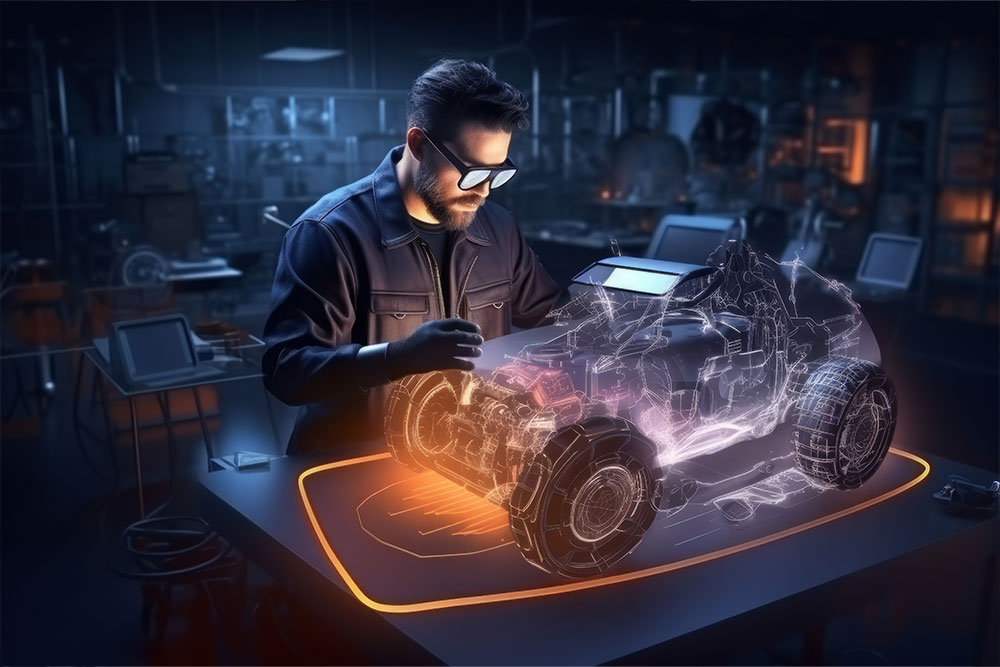
A Polytechnic Diploma in Automobile Engineering is a 3-year program (typically divided into 6 semesters) designed for students who have completed Class 10 or an equivalent examination. This diploma provides a balanced mix of theoretical knowledge and hands-on training in areas such as...
- Eligibility:
- Candidates must have passed Class 10 or an equivalent examination.
- A solid foundation in Mathematics and Science is generally required.
- Admission Process:
- Entrance Examinations and Merit-Based Selection: Many polytechnic institutes conduct entrance examinations. Admissions are typically based on academic performance in Class 10 combined with entrance exam scores and subsequent counseling sessions.
- Institute-Specific Procedures: Each institute may have its own selection criteria and process. Some well-known institutes offering the Automobile Engineering diploma include:
- Government Polytechnic, Mumbai
- Delhi Polytechnic (Government Polytechnic, Delhi)
- Government Polytechnic, Chennai
- Government Polytechnic, Pune
- State Board of Technical Education Institutes across various states
- Modern Polytechnic Institutes (both private and government-aided) throughout India
- Specific state-level requirements, reservation policies, and quotas may also apply. Prospective students should consult the respective institute or state technical education board for detailed admission guidelines and deadlines.
- Course Duration:
- Typically spans 3 years (6 semesters), although some institutions might offer accelerated or condensed programs.
- Structure:
- Theory Classes: Cover fundamental subjects such as Mathematics, Physics, Basic Engineering, and specialized subjects related to automobiles.
- Practical Sessions: Extensive laboratory work, workshop training on engine diagnostics, vehicle assembly, and repair techniques.
- Project Work: Final year projects and industrial attachments/internships to provide real-world exposure in automotive environments.
- Industrial Training: Short-term training modules that immerse students in hands-on work at automotive service centers, manufacturing units, or dealerships.
Core Subjects:
- Engineering Mathematics: Application of algebra, calculus, and statistics to solve engineering problems.
- Basic Engineering: Introduction to core engineering principles and problem-solving methods.
- Automobile Fundamentals: Overview of automotive systems, vehicle dynamics, and operation of internal combustion engines.
- Engine Mechanics: Detailed study of engine components, working principles, fuel systems, and performance optimization.
- Automobile Electronics: Basics of automotive electrical systems, sensors, and modern diagnostic tools.
- Vehicle Maintenance & Repair: Techniques for troubleshooting, servicing, and repairing automobiles.
- Manufacturing Processes in the Automotive Industry: Insights into production techniques, quality control, and assembly line operations.
- Computer Applications: Introduction to simulation software, CAD/CAM for vehicle design, and diagnostic software.
- Workshop Practices: Hands-on training in using tools and machinery specific to automobile maintenance and repair.
- Environmental and Safety Practices: Emphasis on safety protocols, emissions standards, and sustainable practices in the automotive industry.
Technical Skills:
- Strong understanding of Mathematics and Physics.
- Knowledge of automotive systems, engine operations, and vehicle dynamics.
- Proficiency in using diagnostic tools and automotive workshop equipment.
- Familiarity with CAD/CAM software and simulation tools relevant to automotive design.
- Basic troubleshooting and repair skills for mechanical and electrical systems.
Soft Skills:
- Effective problem-solving and analytical thinking.
- Clear technical communication (both written and verbal).
- Ability to work collaboratively in team environments.
- Attention to detail in inspection, diagnosis, and repair processes.
- Adaptability to learn emerging technologies in the evolving automotive industry.
Pros:
- Early Technical Exposure: Provides immediate hands-on training in automotive systems and repair techniques.
- Cost-Effective: Typically lower tuition fees compared to full engineering degree programs.
- Job-Ready: Focus on practical skills enhances immediate employability in the automotive industry.
- Industry-Relevant Curriculum: Regular updates to curriculum to reflect technological advancements and industry standards.
- Pathway to Higher Education: Facilitates lateral entry into B.E./B.Tech programs for further specialization in automobile engineering.
Cons:
- Limited Theoretical Depth: May not cover advanced theoretical aspects in as much detail as a full engineering degree.
- Specialized Focus: Training is highly specialized, which might limit flexibility for switching to other engineering disciplines later.
- Variability in Quality: The quality of training and facilities can vary between institutions.
- Career Ceiling: Without further studies, upward mobility in high-level technical or managerial roles may be restricted.
- Hands-On Workshops: Regular practical sessions in specialized automotive labs and workshops provide exposure to engine diagnostics, repair techniques, and vehicle assembly processes.
- Project-Based Learning: Final year projects—often in collaboration with industry partners—allow students to apply theoretical knowledge to real-world automotive challenges, enhancing both technical and project management skills.
- Industrial Attachments: Short-term industrial training or apprenticeships in automotive manufacturing plants, service centers, or dealerships help bridge the gap between classroom learning and practical work experience.
- Soft Skills Enhancement: Training modules on teamwork, technical report writing, and effective communication ensure that graduates are well-prepared to work in collaborative, fast-paced environments.
- Government Support and Schemes: Many diploma programs are supported by initiatives such as the National Skill Qualification Framework (NSQF) and state-specific technical education schemes, which may offer scholarships or placement assistance.
- Cost and Accessibility: Polytechnic diplomas are generally more affordable than full engineering degrees, making them an attractive option for many students.
- Regional Variations: While the core curriculum remains consistent, elective subjects, practical modules, and facility quality may differ between institutions and regions. Prospective students should research local offerings carefully.
- Future Educational Pathways: This diploma not only offers immediate employment opportunities but also serves as a stepping stone for lateral entry into undergraduate engineering programs, enabling further specialization in automobile engineering or related fields.
Entry-Level Opportunities:
- Junior Automotive Technician/Engineer: Roles in service centers or manufacturing units supporting installation, diagnostics, and maintenance.
- Service Engineer: In charge of troubleshooting and repairing vehicles at automotive service stations.
- Quality Control Inspector: Ensuring that automotive parts and services meet industry quality standards.
- Field Service Technician: Providing on-site support and maintenance for fleet operations or dealership service centers.
Career Progression:
- Mid-Level Roles: With experience, graduates can progress to roles such as Senior Technician, Workshop Supervisor, or Service Manager.
- Advanced Opportunities: Lateral entry into B.E./B.Tech programs can open doors to specialized roles in design engineering, R&D, or advanced automotive diagnostics.
- Entrepreneurship: Graduates may establish their own automotive service centers or consultancy firms.
- Continued Learning: Additional certifications in areas such as hybrid/electric vehicles, advanced diagnostics, or automotive design further enhance career prospects.
Key Employment Sectors:
- Automotive Manufacturing: Involvement in the production, assembly, and quality control of vehicles.
- Automotive Service and Repair: Work in service centers, dealerships, or independent garages.
- Automotive Parts and Accessories: Roles in manufacturing and quality assurance of spare parts.
- Research and Development: Participation in innovation and design improvement initiatives.
- Fleet Management: Maintenance and support services for commercial vehicle fleets.
Examples of Potential Employers:
- Manufacturing & Assembly: Tata Motors, Mahindra & Mahindra, Maruti Suzuki, Bajaj Auto.
- Service Centers & Dealerships: Bosch Car Service, Mahindra First Choice, and authorized service centers of major automobile brands.
- Automotive Parts Manufacturers: Bosch, Denso, Motherson Sumi.
- R&D and Design: Automotive design firms and R&D centers in major automotive companies.
- Consultancy and Aftermarket Services: Firms specializing in automotive diagnostics, maintenance, and performance enhancement.
A Polytechnic Diploma in Automobile Engineering after Class 10 offers an industry-focused education that blends theoretical foundations with extensive practical training. The program equips students with both the technical know-how and soft skills necessary to excel in various sectors of the automotive industry—from manufacturing and service to R&D and quality control. While the diploma may offer less theoretical depth compared to a full engineering degree, it provides a cost-effective and hands-on pathway to immediate employment and future career advancement. With opportunities for further specialization or lateral entry into advanced engineering programs, graduates are well-prepared to meet the evolving demands of the automotive sector.