
Introductory Course in AnimationMulti-media
The Certificate Course in Introductory Animation/Multi-media is a short-term vocational program designed for students who have completed Class 10 or an equivalent examination. This course provides foundational knowledge and hands-on training in animation techniques, digital illustration,...
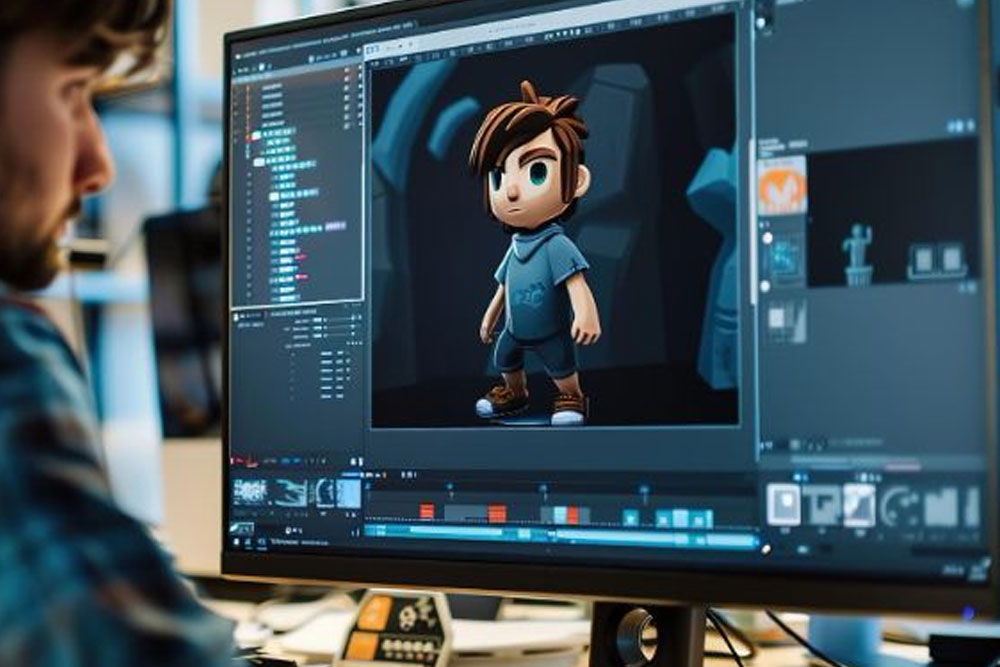
- Eligibility:
- Candidates must have passed Class 10 or an equivalent examination.
- A basic understanding of English and Mathematics is beneficial, along with a keen interest in art and digital technology.
- Admission Process:
- Application and Merit-Based Selection: Admissions are generally based on a simple application process and academic performance.
- Institute-Specific Procedures: Each training center may have its own selection criteria. Some well-known centers offering the Animation/Multi-media certificate course include:
- Government ITI, Mumbai
- Delhi ITI (Government ITI, Delhi)
- Government ITI, Chennai
- Government ITI, Pune
- NIELIT Regional Centers (for digital and multi-media modules)
- Private institutes such as Arena Animation and MAAC
- Specific regional or institution-level requirements may apply. Prospective students should check with the respective center or local education authority for detailed admission guidelines and enrollment dates.
- Course Duration:
- Typically spans 3 to 6 months, depending on the curriculum depth and mode of instruction.
- Structure:
- Theory Classes: Cover basic principles of animation, storytelling, design, and digital media production.
- Practical Sessions: Hands-on training in drawing, digital illustration, frame-by-frame animation, and video editing using industry-standard software.
- Project Work: Assignments and mini-projects simulate real-world animation and multi-media tasks, such as creating short animations or digital presentations.
- Assessment: Regular quizzes, practical tests, and a final project help evaluate students’ technical and creative skills.
Core Subjects:
- Animation Fundamentals: Overview of the history of animation, basic animation principles (such as squash and stretch, timing, and spacing), and storytelling techniques.
- Digital Illustration: Introduction to drawing techniques, character design, and digital art using software like Adobe Photoshop or free alternatives.
- 2D Animation Techniques: Basics of frame-by-frame animation, key framing, and tweening.
- Video Editing and Multi-media: Fundamentals of video editing, transitions, and combining audio with visuals using tools like Adobe Premiere Pro or similar software.
- Graphic Design Basics: Understanding of color theory, typography, layout, and visual composition.
- Software Tools: Training on industry-standard applications for animation and multi-media design.
- Project Work: Practical assignments to create simple animated sequences, digital illustrations, and multi-media presentations.
Technical Skills:
- Basic computer literacy and familiarity with digital interfaces.
- Interest in drawing, animation, and creative visual arts.
- Willingness to learn and operate design and animation software.
- Ability to follow design principles and basic storytelling.
- Understanding of fundamental design concepts and digital media tools is an advantage.
Soft Skills:
- Creativity and a strong visual sense.
- Effective communication to articulate creative ideas.
- Attention to detail in artwork and animation sequences.
- Problem-solving skills for technical challenges during production.
- Adaptability to learn new software updates and evolving animation trends.
Pros:
- Rapid Skill Acquisition: The short-term format allows students to quickly develop foundational animation and multi-media skills.
- Cost-Effective: Generally lower tuition fees compared to full-length degree programs in animation or digital media.
- Portfolio Development: Emphasis on practical projects helps students build a portfolio, which is crucial for creative careers.
- Immediate Employability: Prepares students for entry-level roles in animation, graphic design, and digital media support.
- Foundation for Further Studies: Serves as a stepping stone for advanced courses in animation, graphic design, or multimedia production.
Cons:
- Limited Theoretical Depth: Focuses primarily on practical skills and may not cover advanced animation theories or technical aspects in depth.
- Rapid Technological Changes: The curriculum must be frequently updated to keep pace with evolving software and design trends.
- Entry-Level Focus: Primarily prepares students for basic roles; further studies may be required for higher-level creative positions.
- Variability in Quality: Course quality and certification standards can vary between training centers.
- Hands-On Workshops: Regular practical sessions in well-equipped computer labs and animation studios allow students to work directly with drawing tablets, animation software, and video editing tools.
- Project-Based Learning: Assignments and mini-projects, such as creating short animations or digital illustrations, reinforce theoretical concepts through practical application and portfolio development.
- Live Demonstrations: Instructors provide live demonstrations of animation techniques and software operations, followed by guided practice sessions to build proficiency.
- Soft Skills Enhancement: Modules on creative brainstorming, effective digital communication, and teamwork prepare students for collaborative projects in creative environments.
- Government Support and Schemes: Many government initiatives under the National Skill Development Mission and Digital India offer subsidized or free training in digital arts and animation through ITIs and vocational centers.
- Cost and Accessibility: Certificate courses in Animation/Multi-media are generally affordable and widely available through both government and private training centers.
- Regional Variations: While the core curriculum is generally standardized, elective modules, teaching methods, and facility quality may vary by institution. Prospective students should research local offerings carefully.
- Future Educational Pathways: This certificate course serves as a foundation for more advanced studies in animation, digital media, graphic design, or computer science, providing further avenues for creative and technical career advancement.
Entry-Level Opportunities:
- Junior Animator/Graphic Designer: Roles in producing simple animations, illustrations, or digital content for advertising, web design, or multimedia projects.
- Digital Content Creator: Positions in creating visual content for social media, websites, or digital marketing campaigns.
- Multimedia Technician: Entry-level roles in supporting animation studios or creative agencies.
- Freelance Designer: Opportunities to work on a project basis for various clients in the digital media field.
Career Progression:
- Mid-Level Roles: With additional experience and further training, roles such as Senior Animator, Visual Effects Artist, or UI/UX Designer become accessible.
- Advanced Opportunities: Lateral entry into degree programs or specialized certifications can lead to positions in full-scale animation, film production, or interactive media design.
- Entrepreneurship: Many creative professionals start their own studios or work as freelance digital artists.
- Continued Learning: Advanced courses in 3D modeling, motion graphics, or interactive design can further enhance career prospects and lead to higher-level positions.
Key Employment Sectors:
- Advertising and Marketing Agencies: Involved in creating visual content for campaigns, digital advertisements, and multimedia projects.
- Media and Entertainment: Opportunities in animation studios, film production houses, and digital media companies.
- Corporate Offices: Companies that require in-house digital content for branding, marketing, and communication.
- Freelance and Contract Work: Various industries require freelance graphic designers and animators for project-based work.
- Educational Institutions: Colleges and training centers that produce digital content and educational animations.
Examples of Potential Employers:
- Advertising Agencies: Large agencies and local creative firms.
- Animation Studios: Studios specializing in 2D/3D animation and visual effects.
- Media Houses: Television networks, online streaming platforms, and digital media companies.
- Corporate Brands: Companies with dedicated digital marketing and creative teams.
- Freelance Platforms: Opportunities through platforms like Upwork, Fiverr, and local design networks.
The Certificate Course in Introductory Animation/Multi-media after Class 10 offers a practical, industry-focused education that equips students with the foundational skills needed for a career in digital media and animation. With a strong emphasis on hands-on training, project-based learning, and portfolio development, the course prepares graduates for immediate entry-level roles in creative industries. Although it provides a basic level of knowledge compared to advanced degree programs, its affordability, rapid skill acquisition, and relevance to current industry trends make it an excellent option for students aspiring to enter the dynamic field of animation and multimedia production.