
Introduction to Catering Technology
The Certificate Course in Introduction to Catering Technology is a short-term vocational program designed for students who have completed Class 10 or an equivalent examination. This course provides foundational knowledge in the art and science of catering, covering topics such as food...
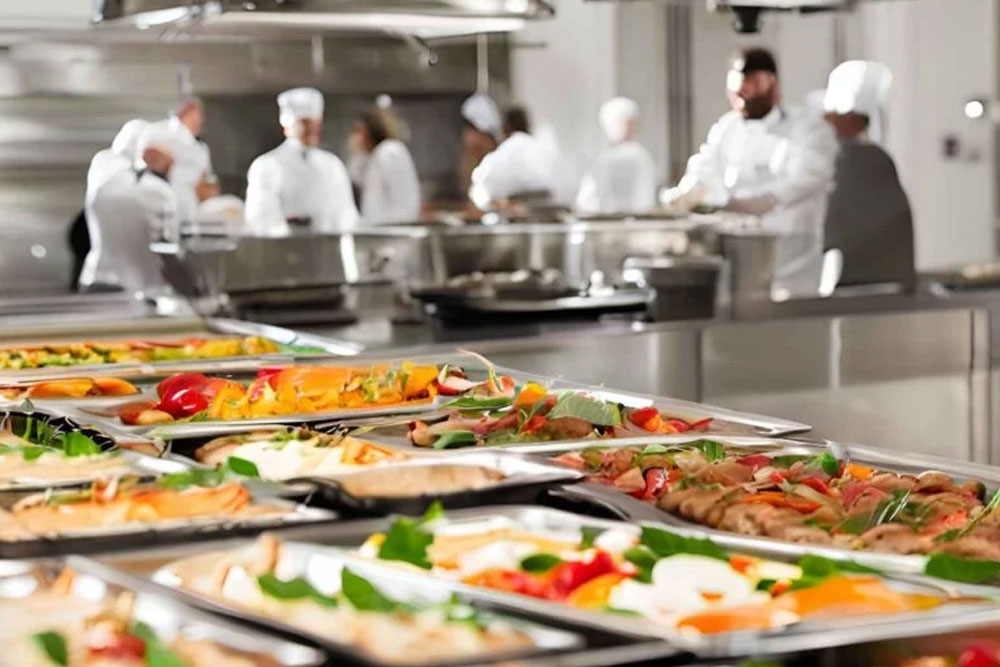
- Eligibility:
- Candidates must have passed Class 10 or an equivalent examination.
- A basic understanding of English and Mathematics is beneficial, along with an interest in culinary arts and food service.
- Admission Process:
- Application and Merit-Based Selection: Admissions are generally based on a simple application process and the candidate's academic record.
- Institute-Specific Procedures: Each training center may have its own selection criteria. Some well-known centers offering Catering Technology courses include:
- Government ITI, Mumbai
- Delhi ITI (Government ITI, Delhi)
- Government ITI, Chennai
- Government ITI, Pune
- Local Vocational Training Centers under state technical education boards
- Private institutes such as Institute of Hotel Management (IHM) regional centers and local culinary schools
- Specific regional or institution-level requirements may apply. Prospective students should check with the respective center or local education authority for detailed admission guidelines and enrollment dates.
- Course Duration:
- Typically spans 3 to 6 months, depending on the curriculum depth and mode of instruction.
- Structure:
- Theory Classes: Cover the fundamentals of catering, food safety, kitchen operations, and menu planning.
- Practical Sessions: Hands-on training in food preparation, cooking techniques, presentation skills, and maintaining hygiene standards in the kitchen.
- Project Work: Assignments and practical projects, such as designing sample menus and preparing complete meals, help build a professional portfolio.
- Assessment: Regular tests, practical evaluations, and a final project assess the students’ understanding and application of catering concepts.
Core Subjects:
- Introduction to Catering: Overview of the catering industry, roles, and basic operational principles.
- Food Safety and Hygiene: Fundamentals of kitchen hygiene, food handling, and safety regulations.
- Basic Culinary Techniques: Instruction in basic cooking methods, knife skills, and food preparation.
- Menu Planning and Nutritional Basics: Principles of creating balanced menus, portion control, and nutritional considerations.
- Baking and Pastry Fundamentals: Basic techniques for preparing simple baked goods (often included as an optional module).
- Kitchen Operations: Overview of kitchen equipment, workflow management, and catering logistics.
- Service and Presentation: Techniques for food presentation, plating, and customer service in a catering context.
- Practical Workshops: Hands-on sessions that simulate real-world catering scenarios and kitchen environments.
Technical Skills:
- Basic culinary and cooking skills.
- Familiarity with kitchen equipment and cooking techniques.
- Ability to follow recipes and maintain kitchen hygiene.
- Basic knowledge of nutrition and menu planning.
- Willingness to learn food preparation and presentation techniques.
Soft Skills:
- Creativity and a passion for cooking.
- Effective communication and teamwork for working in kitchen environments.
- Attention to detail and a commitment to food quality.
- Time management and organizational skills.
- Adaptability to work in fast-paced catering or hospitality settings.
Pros:
- Rapid Skill Acquisition: The short-term format allows students to quickly gain essential catering and culinary skills.
- Cost-Effective: Generally lower fees compared to full-fledged culinary degree programs.
- Immediate Employability: Equips students with job-ready skills for entry-level roles in catering, food service, and hospitality.
- Practical Experience: Emphasis on hands-on training helps build a professional portfolio and real-world experience.
- Foundation for Further Studies: Serves as a stepping stone for advanced culinary courses or hospitality management programs.
Cons:
- Limited Theoretical Depth: Focuses primarily on practical skills with less emphasis on advanced culinary theory.
- Entry-Level Focus: Primarily prepares students for basic roles; further studies may be required for managerial positions.
- Rapid Industry Trends: The curriculum must be regularly updated to keep pace with evolving food trends and catering technologies.
- Variability in Quality: Course quality and training facilities can vary between institutions.
- Hands-On Workshops: Regular practical sessions in well-equipped kitchens provide direct experience in food preparation, cooking techniques, and presentation.
- Project-Based Learning: Assignments such as designing sample menus, preparing full-course meals, and managing catering events help reinforce theoretical concepts with practical application.
- Live Demonstrations: Instructors offer live cooking demonstrations, followed by guided practice sessions, to build confidence and technical proficiency.
- Soft Skills Enhancement: Modules on teamwork, customer service, and time management prepare students for professional roles in catering and hospitality.
- Government Support and Schemes: Many government initiatives, including those under the National Skill Development Mission, offer subsidized or free training in catering and culinary arts through government ITIs and community centers.
- Cost and Accessibility: Certificate courses in catering technology are generally affordable and available through both government and private training centers.
- Regional Variations: While the core curriculum remains consistent, elective modules, teaching methods, and facility quality may vary by institution. Prospective students should research local offerings carefully.
- Future Educational Pathways: This certificate course serves as a foundation for advanced studies in culinary arts, hotel management, or food technology, opening further avenues for career advancement in the hospitality industry.
Entry-Level Opportunities:
- Catering Assistant: Roles in assisting with food preparation, setup, and service at catering events.
- Junior Chef/Cook: Entry-level positions in kitchens, restaurants, or catering companies.
- Food Service Staff: Roles in managing food service operations at events, cafeterias, or small restaurants.
- Kitchen Assistant: Support positions in commercial kitchens and hospitality establishments.
Career Progression:
- Mid-Level Roles: With experience, graduates can progress to positions such as Chef de Partie, Catering Supervisor, or Kitchen Manager.
- Advanced Opportunities: Further studies or certifications can lead to specialized roles in culinary arts, event management, or high-end catering services.
- Entrepreneurship: Many professionals start their own catering businesses or offer freelance catering services.
- Continued Learning: Advanced training in gourmet cooking, specialized cuisine, or hospitality management can further enhance career prospects.
Key Employment Sectors:
- Catering Companies: Businesses specializing in event catering, corporate lunches, or wedding services.
- Restaurants and Cafeterias: Establishments that offer in-house catering and food services.
- Hotels and Resorts: Hospitality venues that require in-house catering for events and guest services.
- Event Management Firms: Organizations that provide comprehensive event planning, including catering.
- Educational and Corporate Institutions: Schools, colleges, and businesses that operate in-house cafeterias or catering services.
Examples of Potential Employers:
- Catering Service Providers: Established catering companies and local catering businesses.
- Hospitality Chains: Hotels and resorts like Marriott, Hilton, or local boutique hotels.
- Event Management Companies: Firms specializing in weddings, conferences, and corporate events.
- Corporate Cafeterias: Large organizations with dedicated food service operations.
- Self-Employment: Opportunities for freelance caterers or entrepreneurs running their own catering ventures.
The Certificate Course in Introduction to Catering Technology after Class 10 offers a practical, industry-focused education that equips students with essential skills in food preparation, kitchen management, and catering operations. With an emphasis on hands-on training, project-based learning, and soft skills development, the course prepares graduates for immediate entry-level roles in catering and hospitality. Although it provides a foundational level of knowledge compared to advanced culinary programs, its affordability, rapid skill acquisition, and industry relevance make it an excellent option for students aspiring to build a successful career in the dynamic world of catering and food service.