
Certificate in Organic Farming
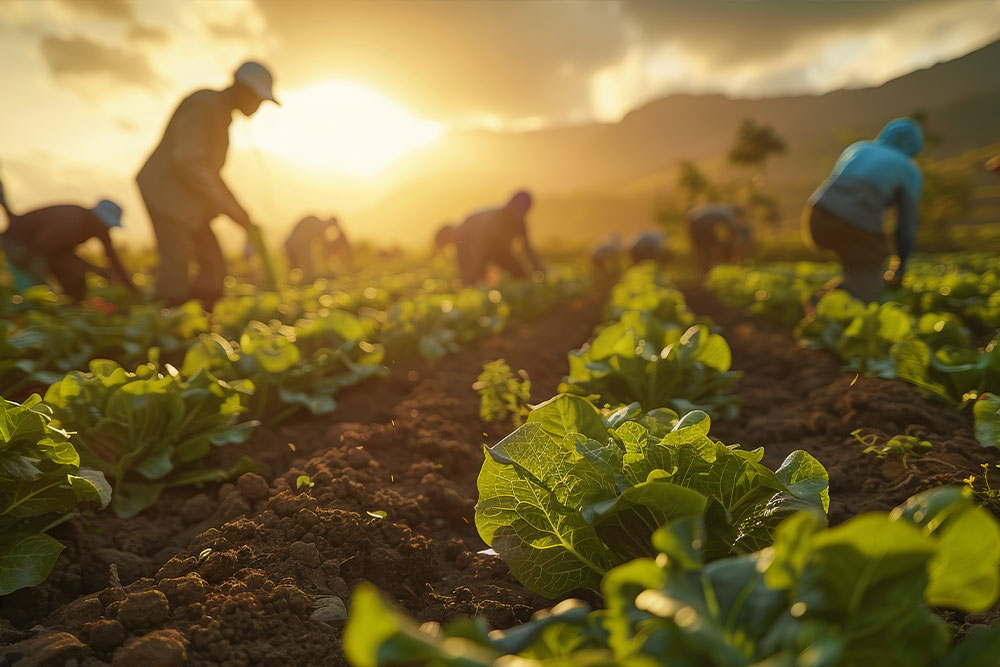
The Certificate Course in Organic Farming is a short-term vocational program designed for students who have completed Class 10 or an equivalent examination. This course introduces sustainable agricultural practices and organic farming techniques, emphasizing eco-friendly crop production, soil...
- Eligibility:
- Candidates must have passed Class 10 or an equivalent examination.
- A basic understanding of Mathematics and Science is beneficial, along with an interest in agriculture and sustainable practices.
- Admission Process:
- Application and Merit-Based Selection: Admissions are typically based on a simple application process and academic performance.
- Institute-Specific Procedures: Each training center or agricultural institute may have its own selection criteria. Some well-known centers offering Organic Farming courses include:
- Government ITI, Mumbai
- Delhi ITI (Government ITI, Delhi)
- Government ITI, Chennai
- Government ITI, Pune
- Local Vocational Training Centers under state agricultural departments
- Private and NGO-run agricultural training centers
- Specific regional or institution-level requirements may apply. Prospective students should check with the respective institute or local education authority for detailed admission guidelines and enrollment dates.
- Course Duration:
- Typically spans 3 to 6 months, depending on the curriculum depth and mode of instruction.
- Structure:
- Theory Classes: Cover topics such as organic farming principles, soil science, crop rotation, composting, and natural pest control.
- Practical Sessions: Hands-on training in field practices, organic cultivation techniques, organic manure preparation, and sustainable farming methods.
- Project Work: Assignments and mini-projects may include setting up a small organic garden, preparing compost, or planning an organic crop cycle.
- Assessment: Regular tests, practical evaluations, and a final project help ensure students acquire the foundational skills necessary for organic farming.
Core Subjects:
- Introduction to Organic Farming: Overview of organic agriculture, benefits of sustainable practices, and the environmental impact of conventional farming.
- Soil Health and Management: Fundamentals of soil science, organic matter enrichment, and methods to improve soil fertility naturally.
- Crop Production Techniques: Principles of organic crop production, crop rotation, intercropping, and selection of organic seeds.
- Natural Pest and Disease Management: Techniques for using biological pest control, companion planting, and natural remedies.
- Composting and Organic Manure: Processes for preparing compost, vermicompost, and organic fertilizers.
- Water Conservation and Irrigation: Sustainable water management practices, rainwater harvesting, and efficient irrigation techniques.
- Farm Business and Marketing Basics: Introduction to small-scale organic farm management, cost analysis, and direct marketing of organic produce.
- Practical Workshops: Field visits, demonstrations, and hands-on sessions that simulate real-world organic farming practices.
Technical Skills:
- Basic understanding of agriculture and environmental science.
- Familiarity with fundamental farming practices and natural resource management.
- Ability to perform simple field operations and use basic agricultural tools.
- Willingness to learn sustainable and eco-friendly farming techniques.
Soft Skills:
- Strong observation and problem-solving skills.
- Effective communication for team work and community-based farming projects.
- Creativity and adaptability in implementing innovative organic practices.
- Time management and organizational skills for managing seasonal crop cycles.
- A passion for environmental sustainability and natural living.
Pros:
- Rapid Skill Acquisition: The short-term format allows students to quickly develop essential organic farming skills.
- Cost-Effective: Generally lower fees compared to full agricultural degree programs.
- Sustainable Practice: Promotes environmentally friendly farming techniques that are increasingly in demand.
- Immediate Employability: Equips students with practical, job-ready skills for entry-level roles in organic farming and related fields.
- Foundation for Further Studies: Serves as a stepping stone for advanced courses in agriculture, agribusiness, or environmental science.
Cons:
- Limited Theoretical Depth: Focuses primarily on practical skills with less emphasis on advanced agricultural theories.
- Entry-Level Focus: Prepares students mainly for basic roles; further education may be required for advanced technical or managerial positions.
- Regional Variability: Training quality and available facilities can vary between institutions and regions.
- Seasonal Dependency: Practical experience may be influenced by seasonal variations, affecting the learning curve.
- Hands-On Workshops: Practical sessions in farm settings or demonstration plots provide direct experience in organic cultivation techniques, compost preparation, and sustainable irrigation.
- Project-Based Learning: Assignments such as setting up a small organic garden or planning a crop rotation cycle allow students to apply theoretical concepts to real-world scenarios.
- Field Visits and Demonstrations: Visits to organic farms, local cooperatives, and agricultural research centers offer insight into current organic farming practices and industry standards.
- Soft Skills Enhancement: Modules on teamwork, community engagement, and environmental ethics prepare students for collaborative work and effective communication in agricultural settings.
- Government Support and Schemes: Many government initiatives under the National Skill Development Mission and agricultural extension programs provide subsidized or free training in organic farming through ITIs and vocational centers.
- Cost and Accessibility: Certificate courses in organic farming are generally affordable and widely available through both government and private training centers.
- Regional Variations: While the core curriculum is standardized, elective modules, teaching methods, and facility quality may vary by institution. Prospective students should research local offerings carefully.
- Future Educational Pathways: This certificate course serves as a foundation for further studies in food technology, agribusiness, or environmental management, opening avenues for advanced career opportunities in sustainable agriculture.
Entry-Level Opportunities:
- Organic Farming Assistant: Roles in assisting with day-to-day organic farm operations.
- Field Technician: Entry-level positions supporting organic farming processes and sustainability projects.
- Quality Control Assistant: Positions focusing on ensuring the quality and organic certification of farm produce.
- Farm Laborer: Basic roles in organic crop production and sustainable agriculture practices.
Career Progression:
- Mid-Level Roles: With experience, graduates can progress to roles such as Organic Farm Manager, Production Supervisor, or Agribusiness Assistant.
- Advanced Opportunities: Further studies or certifications can lead to specialized roles in organic agriculture consultancy, sustainable farm management, or agri-entrepreneurship.
- Entrepreneurship: Graduates may start their own organic farms, community-supported agriculture (CSA) projects, or eco-friendly agricultural ventures.
- Continued Learning: Advanced courses in agronomy, sustainable agriculture, or food technology can further enhance career prospects and lead to higher managerial positions.
Key Employment Sectors:
- Organic Farms and Agribusinesses: Employment in farms dedicated to organic production and sustainable agriculture.
- Food Processing Companies: Roles in companies that source organic produce and focus on eco-friendly food processing.
- Agricultural Cooperatives: Positions in cooperatives promoting sustainable farming practices and community-supported agriculture.
- Government and Non-Profit Organizations: Opportunities in agencies or NGOs focused on environmental sustainability and organic farming initiatives.
- Retail Organic Markets: Employment in organic food markets, health food stores, and specialty retail chains.
Examples of Potential Employers:
- Organic Food Companies: Companies like Organic India, local organic farms, or cooperatives.
- Agribusiness Firms: Small and medium enterprises focusing on sustainable agriculture.
- Government Agencies: Departments of agriculture or rural development promoting organic practices.
- Non-Profit Organizations: NGOs dedicated to sustainable agriculture and environmental conservation.
- Self-Employment: Opportunities for freelance consultants or entrepreneurs starting their own organic ventures.
The Certificate Course in Food Processing Fundamentals after Class 10 offers a practical, industry-focused education that equips students with essential skills in food preparation, processing, and packaging. With a strong emphasis on hands-on training, project-based learning, and foundational quality control practices, the course prepares graduates for immediate entry-level roles in the food manufacturing industry. Although it provides a basic level of knowledge compared to advanced food technology programs, its affordability, rapid skill acquisition, and alignment with current industry practices make it an excellent option for students seeking to enter the food processing sector with job-ready skills and promising avenues for future career growth.