 Sports Journalist
Leading Professions
Explore various career paths and opportunities in Sports Journalist
Sports Journalist
Explore various career paths and opportunities in Sports Journalist

Entry-level individuals who cover local games, write basic match reports, or assist senior journalists with research. They gain initial experience with event coverage and deadline writing. Their role builds foundational skills in sports reporting. They often support newsrooms to learn workflows. This position is crucial for understanding the field before advancing to broader roles.

Early-career professionals who report on sports events, conduct interviews, and produce content under editorial guidance. They focus on specific beats like football or cricket for newspapers or websites. Their work contributes to audience engagement. They often collaborate with editors to ensure accuracy. Their contributions lay the groundwork for impactful sports storytelling.

Mid-level professionals who independently cover major events, write in-depth features, and offer expert analysis. They handle complex stories and monitor sports trends across diverse platforms. Their role involves addressing challenges like breaking news under tight deadlines. They often mentor junior reporters. Their expertise is vital for advancing sports media credibility.

Experienced professionals who provide regular opinion pieces or commentary on sports issues, often for prominent publications. They ensure content quality and guide audience perspectives with unique insights. Their role includes engaging readers through personal voice and expertise. They often collaborate with editors for thematic series. They are central to shaping public discourse on sports.

Experts who oversee sports sections of media outlets, managing teams of reporters and ensuring editorial standards. They handle high-complexity content planning while contributing to strategy or special editions. Their expertise lies in pioneering coverage styles or investigative pieces. They ensure alignment with audience interests. Their leadership is essential for sustained impact in sports journalism.

Senior professionals who coordinate large-scale sports content strategies, ensuring effective delivery across digital or broadcast platforms. They manage budgets, staff, and publication schedules while mitigating editorial risks. Their role involves stakeholder communication, presenting metrics to executives or sponsors. They ensure adherence to media standards. Their oversight is pivotal for successful content outcomes and scalability.

Top-tier executives responsible for the strategic direction of sports divisions within media organizations or networks. They develop long-term plans for coverage innovation, oversee large budgets, and ensure alignment with market trends. Their role involves driving partnerships with sports bodies or brands. They champion cutting-edge formats like live streaming. Their vision is critical for positioning the organization as a sports media leader.

Executive leaders who oversee sports media operations across multiple regions or countries for a brand, often reporting to top management. They shape policies for content integrity, innovation, and regulatory adherence on a large scale. Their leadership drives adoption of transformative models like data journalism. They represent the sports media division to investors and partners. They play a key role in ensuring long-term competitiveness in the industry.
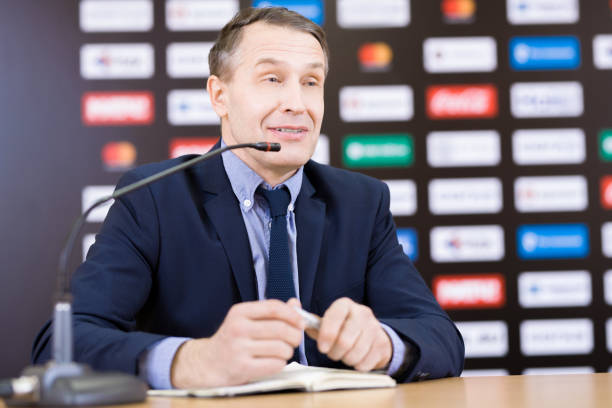
High-level executives who oversee all sports journalism initiatives within a media house, focusing on strategic growth and editorial excellence. They integrate sports content into broader business goals, ensuring innovation and market leadership. Their expertise lies in pioneering trends like interactive fan content. They guide cross-departmental collaboration for holistic coverage. Their role is crucial for shaping the future of sports media on a global scale.