 Sports Equipment Manager
Leading Professions
Explore various career paths and opportunities in Sports Equipment Manager
Sports Equipment Manager
Explore various career paths and opportunities in Sports Equipment Manager
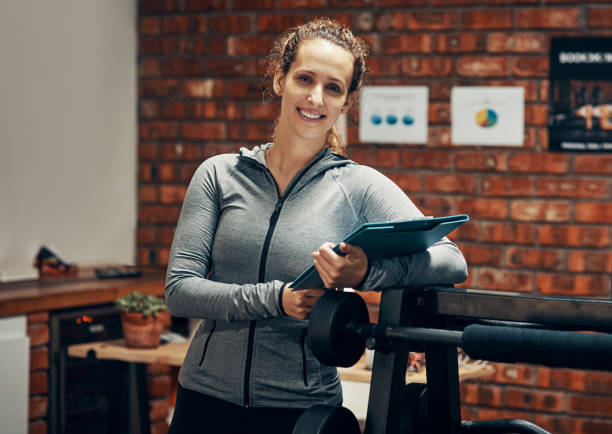
Mid-career professionals maintain active roles in sports organizations, often developing subspecialty interests within management such as safety compliance or vendor relations. They manage complex inventories, including high-impact solutions for logistical barriers, often serving as referral experts for equipment needs. Their expertise attracts partnerships, solidifying their role in support networks. They are central to quality delivery, balancing management duties with mentorship of junior colleagues.

Experienced professionals often take leadership roles, overseeing equipment operations for large teams or facilities while mentoring assistants and shaping procurement protocols. They provide professional leadership by guiding standards and integrating new technologies into practice. Their experience guides project direction, influencing innovation and management initiatives. They are crucial for organizational excellence, ensuring high-quality solutions and fostering a culture of continuous improvement within their teams.
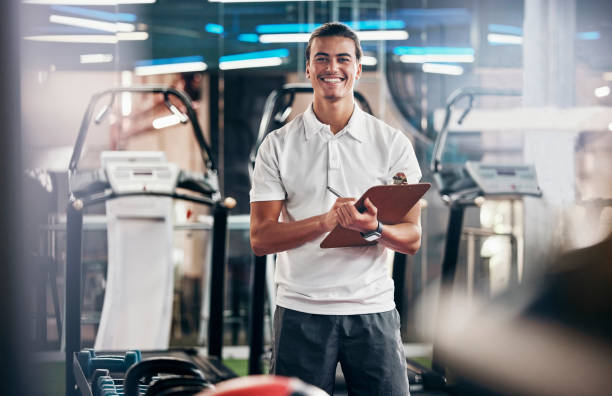
Top-level professionals may direct equipment programs or oversee entire sports facilities, combining expertise with strategic leadership and advocacy responsibilities. They provide institutional leadership by overseeing innovation initiatives and equipment policies at organizational or national levels. Their influence shapes the specialty through policy advocacy, published works, and training the next generation of managers. They are essential for advancing the field, driving innovation in sports equipment systems.

Professionals focus exclusively on ensuring equipment meets safety standards, with expertise in regulatory guidelines and athlete protection. They focus on precision, addressing unique challenges of safety barriers. Their specialization addresses societal demands, tailoring solutions to maximize safety outcomes. They are essential for inclusive standards, often working in teams to provide impactful, athlete-centered solutions.

Experts in this track work with supply chains, focusing on advanced procurement and distribution strategies for sports gear. They drive innovation by enhancing inventory frameworks through evidence-based methods. Their work bridges logistics and operations, ensuring interventions align with team needs. They are key to operational development, pushing the boundaries of equipment management in logistical solutions.
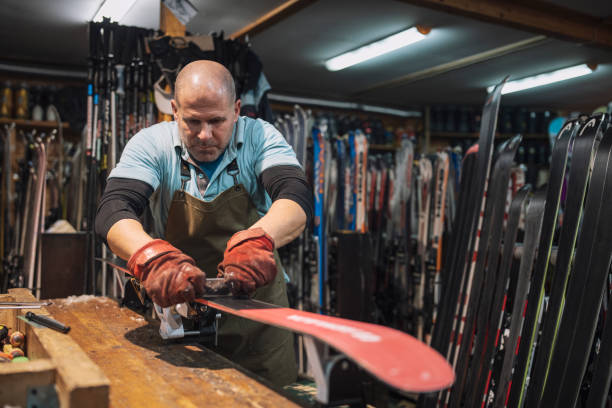
Senior professionals in this role leverage their expertise to handle complex repairs, often in workshop or team settings. They shape outcomes by advising on maintenance strategies and gear longevity interventions. Their insights guide decision-making, ensuring equipment translates to practical functionality. They are instrumental in gear sustainability, advocating for durable solutions within sports environments.

Professionals focus on pioneering supplier partnerships, exploring applications like bulk procurement or custom equipment design for teams. They drive innovation by bridging vendor tools with cutting-edge solutions. Their work connects research with practical outcomes, ensuring advancements meet professional standards. They are key to strategic progress, pushing the boundaries of sports equipment management in procurement innovation.