 Sports Bio mechanist
Leading Professions
Explore various career paths and opportunities in Sports Bio mechanist
Sports Bio mechanist
Explore various career paths and opportunities in Sports Bio mechanist
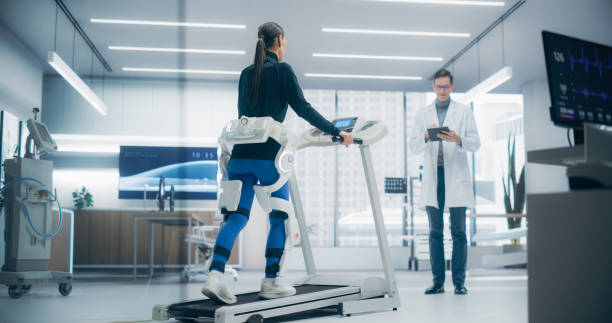
This role encompasses professionals at various stages of their career, from early-career analysts to experienced biomechanists. At the junior level, individuals assist in data collection and basic movement analysis under supervision, supporting senior staff in sports labs or with teams to build foundational skills. As they progress to mid-level, they conduct independent biomechanical assessments for athletes, providing performance optimization and injury prevention insights to teams or institutes with core expertise. At the senior level, they lead complex analyses for elite athletes or teams, often specializing in specific sports or injury areas, mentoring junior staff, and handling advanced projects with a focus on intricate biomechanical challenges.
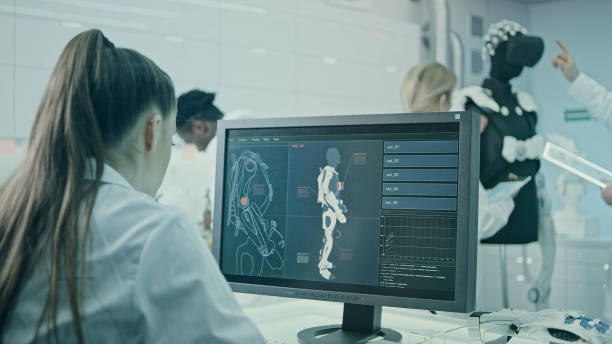
High-level professionals oversee research initiatives in sports biomechanics, publishing findings and driving innovation at institutes or universities. They focus on scientific advancement.
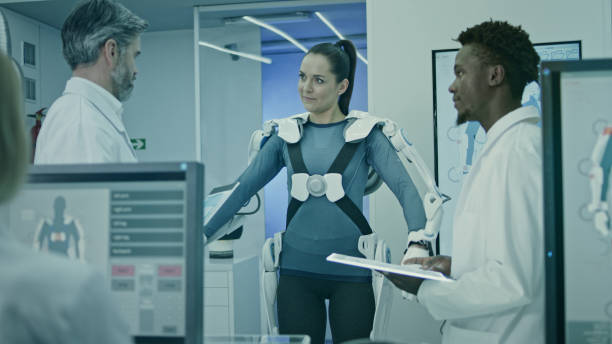
Senior leaders manage biomechanics departments or programs at sports organizations, setting research agendas and strategic goals. They are key decision-makers.

Experts collaborate with manufacturers to design biomechanically optimized gear, leveraging movement data for product innovation. They bridge science and industry.

Specialists advise elite teams, federations, or companies on biomechanical strategies for performance or safety, often independently. They influence applied practices.
Visionaries lead international research or technology development in sports biomechanics, shaping global standards and tools. They impact worldwide sports science trends.