 Robotic-Surgery Specialist
Leading Professions
Explore various career paths and opportunities in Robotic-Surgery Specialist
Robotic-Surgery Specialist
Explore various career paths and opportunities in Robotic-Surgery Specialist

Students complete foundational medical training with exposure to various specialties. They build clinical basics. Their education forms a medical foundation. They are starting their journey toward surgical practice.

Early-career doctors gain hands-on experience in hospital settings across departments. They develop clinical skills. Their rotations provide broad exposure. They are preparing for independent practice.

Trainees focus on general surgery or subspecialties, building expertise in operative care. They gain practical knowledge. Their training hones surgical skills. They are advancing toward autonomy.

Early-career specialists manage surgical cases independently in clinics or hospitals. They establish clinical practice. Their expertise addresses specific health concerns. They are building a patient base.
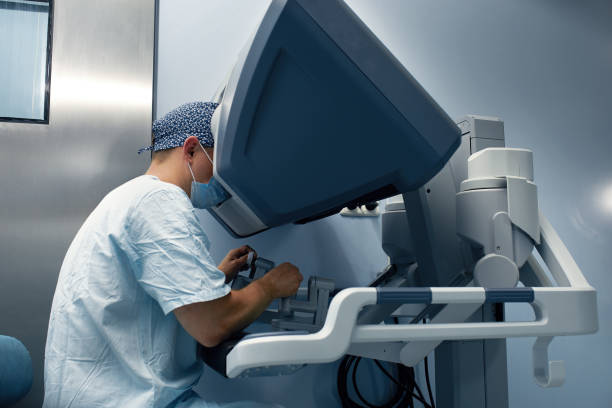
Surgeons trained in robotic systems perform minimally invasive procedures with advanced technology. They integrate robotics into practice. Their skills enhance surgical precision. They are innovating patient care.

Experienced clinicians lead complex robotic surgeries and mentorship programs. They provide clinical leadership. Their experience attracts diverse cases. They are essential for advanced surgical care.
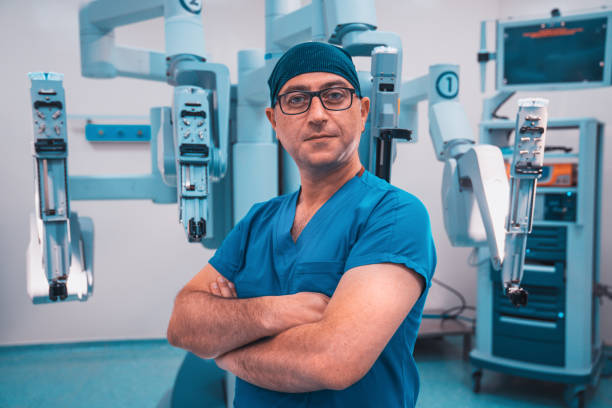
Senior professionals oversee robotic surgery units or teach in medical institutions. They offer institutional leadership. Their contributions shape training. They are key to medical education.

Senior leaders manage healthcare facilities or lead robotic surgery research programs. They provide strategic direction. Their vision drives institutional growth. They are vital for healthcare excellence.