 Pathologist
Leading Professions
Explore various career paths and opportunities in Pathologist
Pathologist
Explore various career paths and opportunities in Pathologist
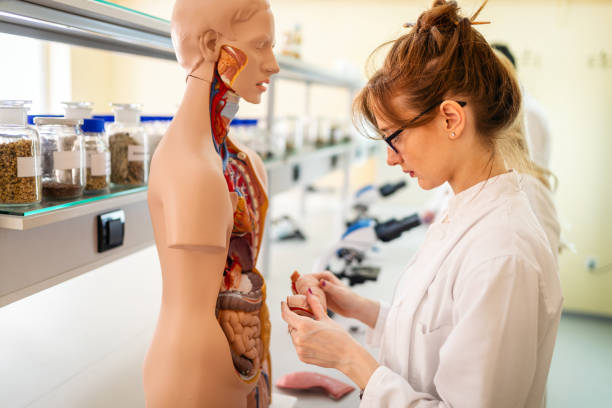
An Anatomic Pathologist specializes in examining tissues and organs, often through biopsies or autopsies, to diagnose diseases such as cancer or inflammatory conditions. They play a critical role in providing insights that guide surgical and medical treatments by analyzing structural changes at a cellular level.

A Clinical Pathologist focuses on diagnosing diseases through the analysis of bodily fluids like blood, urine, and cerebrospinal fluid in laboratory settings. They oversee clinical tests for conditions like diabetes or infections, ensuring accurate results that inform patient care plans.
A Forensic Pathologist investigates unnatural or suspicious deaths by conducting autopsies and providing evidence for legal proceedings. They work closely with law enforcement to determine causes of death, often contributing crucial information in criminal investigations.

A Surgical Pathologist examines tissue samples obtained during surgeries to identify abnormalities such as tumors or degenerative diseases. Their detailed reports are essential for surgeons and oncologists to decide on appropriate post-operative treatments.
A Hematopathologist specializes in diagnosing blood-related disorders, including leukemias, lymphomas, and anemias, by studying blood smears and bone marrow samples. Their expertise helps in tailoring specific therapies for hematological conditions.
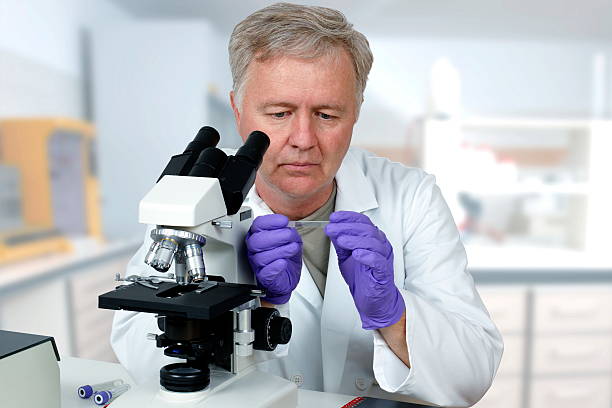
A Cytopathologist focuses on diagnosing diseases by examining individual cells, often collected through fine-needle aspirations or Pap smears. They are key in detecting early signs of cancer and other cellular abnormalities, aiding in preventive healthcare.
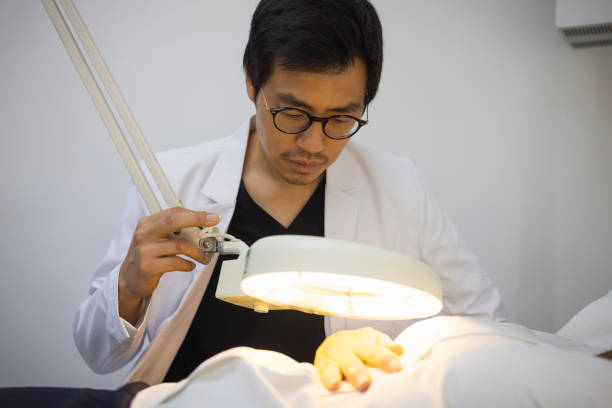
A Dermatopathologist analyzes skin biopsies to diagnose conditions like melanoma, eczema, or infections. Their work supports dermatologists in providing accurate treatment for a wide range of skin disorders.

A Neuropathologist studies brain and nervous system tissues to diagnose neurological disorders such as Alzheimer’s, Parkinson’s, or brain tumors. Their findings are vital for neurologists in managing complex neurological cases.

A Pathology Department Head leads the pathology unit in hospitals or academic institutions, overseeing diagnostic accuracy, staff training, and research initiatives. They ensure the department adheres to high standards of quality and efficiency in all laboratory operations.
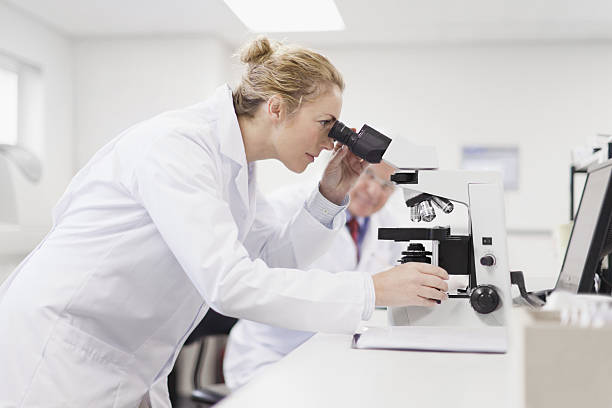
A Research Pathologist works in academic or industrial settings to investigate disease mechanisms and develop innovative diagnostic or therapeutic methods. Their contributions often lead to significant advancements in understanding and treating complex illnesses like cancer or genetic disorders.