 Paleontologist
Leading Professions
Explore various career paths and opportunities in Paleontologist
Paleontologist
Explore various career paths and opportunities in Paleontologist
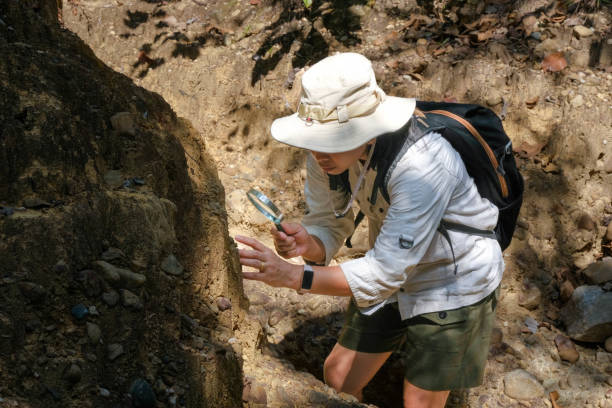
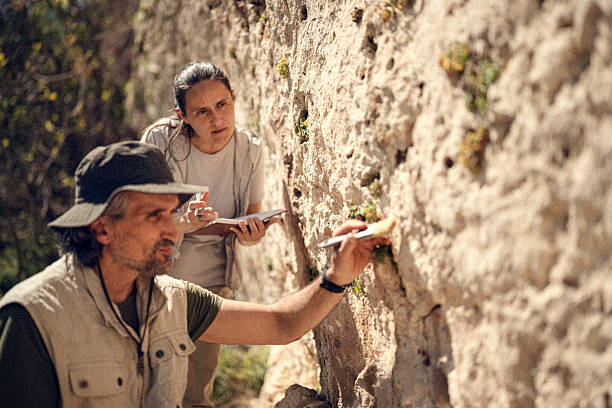
Early-career individuals support fossil excavations and site documentation under supervision, gaining hands-on experience in field techniques. They assist in data collection and logistics during digs.
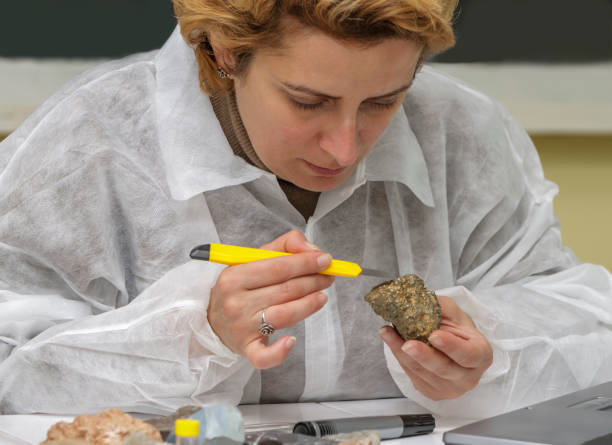
Specialists conduct independent or collaborative studies on fossils, focusing on specific eras or species, contributing to scientific papers or projects. They analyze data in labs or field settings.
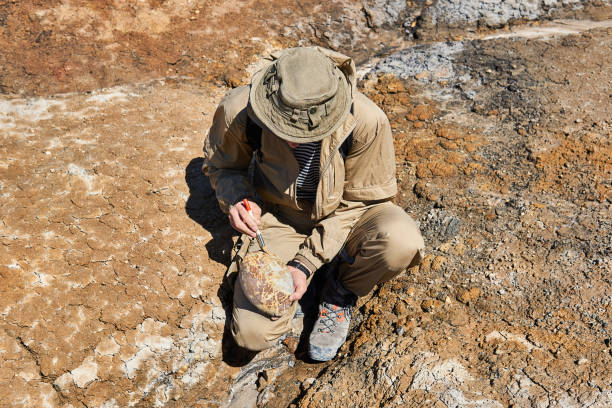
Experienced professionals lead research on complex paleontological questions, often specializing in areas like dinosaur morphology or paleoecology, guiding teams and publishing significant findings.
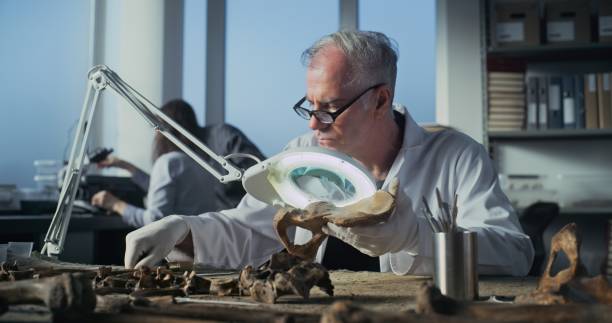
High-level scientists design and oversee major paleontological research initiatives, securing funding and driving impactful discoveries about ancient life. They shape long-term research agendas.

Experts manage fossil collections, design exhibits, and educate the public on paleontological history, ensuring preservation and accessibility of specimens. They bridge science and public engagement.

Scholars teach paleontology at universities while conducting research, mentoring students, and contributing to academic literature. They balance education with scientific inquiry.
Senior leaders manage paleontological research programs in institutions, museums, or government bodies, aligning projects with broader scientific goals. They oversee multiple teams for systemic impact.