 Nuclear Physicist
Leading Professions
Explore various career paths and opportunities in Nuclear Physicist
Nuclear Physicist
Explore various career paths and opportunities in Nuclear Physicist

Early-career individuals assist in nuclear experiments and data collection under supervision, gaining hands-on experience with lab equipment and simulations. They support senior researchers in foundational tasks.

Specialists conduct independent research on nuclear phenomena, focusing on areas like nuclear reactions or radiation effects, contributing to scientific papers and projects. They apply theoretical and experimental skills.

Experienced professionals lead complex nuclear studies, often specializing in fusion, fission, or medical applications, guiding teams and publishing significant findings. They mentor junior staff and oversee experiments.
High-level scientists design and manage major nuclear research projects, securing funding and driving impactful discoveries in fundamental or applied nuclear physics. They shape research directions and outcomes.

Senior leaders oversee research groups or departments in nuclear physics, coordinating multiple projects and aligning efforts with institutional or industry goals. They foster innovation and collaboration.
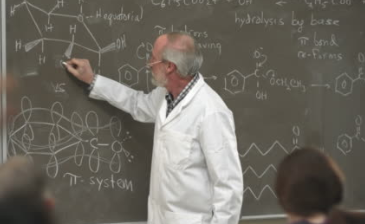
Scholars teach nuclear physics at universities while conducting research, mentoring students, and contributing to academic literature. They balance education with advancing scientific frontiers.

Experts provide specialized guidance to governments, industries, or organizations on nuclear energy, safety, or medical applications, influencing policy and technological implementation. They bridge science and strategy.