 Neurosurgeon
Leading Professions
Explore various career paths and opportunities in Neurosurgeon
Neurosurgeon
Explore various career paths and opportunities in Neurosurgeon

A General Neurosurgeon performs surgeries on the brain, spine, and peripheral nerves, treating conditions like tumors, trauma, and degenerative diseases. They handle a broad spectrum of neurological disorders.
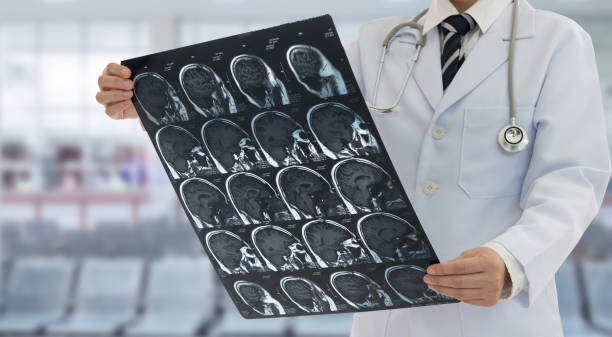
A Senior Neurosurgeon manages complex cases, mentors junior surgeons, and often leads surgical teams in major hospitals. Their extensive experience is vital for high-risk neurosurgical procedures.

The Head of Neurosurgery Department oversees the neurosurgical unit in a medical institution, ensuring quality care, staff training, and research initiatives. They define standards for neurosurgical excellence.
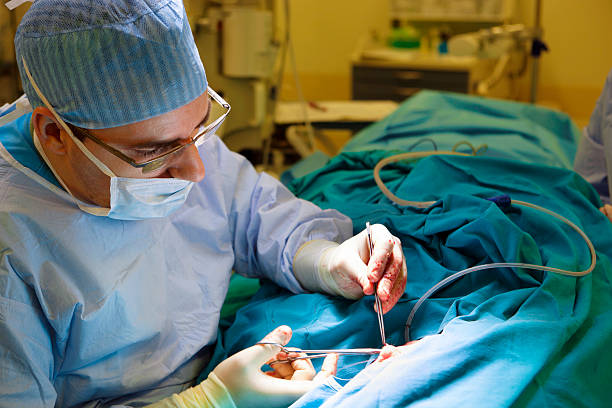
A Neurovascular Surgeon specializes in treating vascular disorders of the brain and spine, such as aneurysms and arteriovenous malformations, using microsurgical and endovascular techniques.

A Pediatric Neurosurgeon focuses on neurological conditions in children, including congenital defects like spina bifida and pediatric brain tumors, requiring specialized care for young patients.

A Functional Neurosurgeon addresses disorders like epilepsy, Parkinson’s disease, and chronic pain through surgeries such as deep brain stimulation, aiming to improve neurological function.
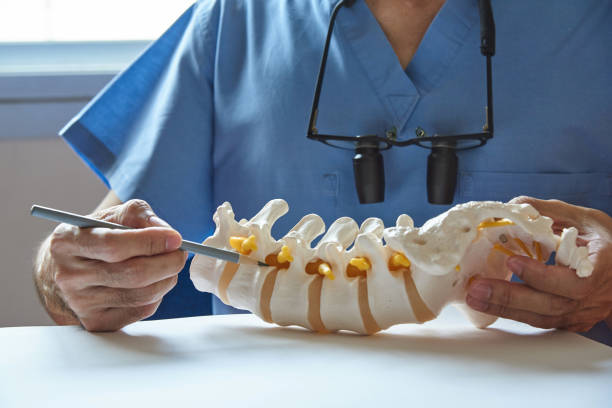
A Spine Surgeon with a neurosurgical focus performs surgeries to correct spinal deformities, injuries, and degenerative conditions, preserving spinal cord and nerve function.
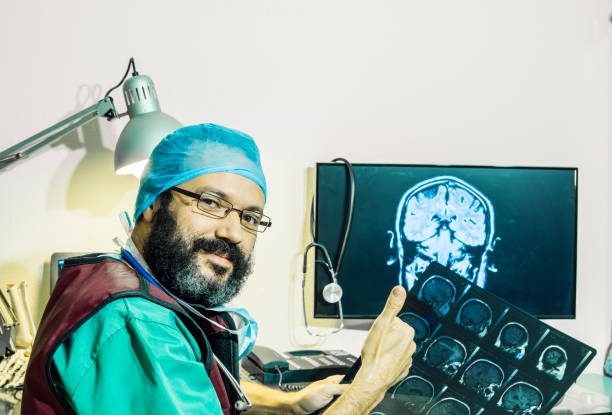
A Neurosurgery Consultant/Professor provides expert advice on challenging cases and educates future neurosurgeons in academic settings. They drive advancements through research and innovative techniques.