 Military Engineer Services
Leading Professions
Explore various career paths and opportunities in Military Engineer Services
Military Engineer Services
Explore various career paths and opportunities in Military Engineer Services

Entry-level technical officers assist in military infrastructure maintenance and small-scale projects under MES, often in military stations after clearing MES direct exams or SSC JE. They focus on learning defense construction basics. Their work supports ground-level operations. They build foundational skills under senior guidance for career progression.
AEs manage specific military construction or maintenance projects for MES in regional offices or bases after promotions or direct recruitment via UPSC ESE. They oversee site execution and resource allocation. Their expertise ensures project efficiency. They act as a stepping stone to higher technical roles.
EEs handle larger technical and administrative responsibilities under MES, managing multiple projects or bases after experience as AE. They coordinate infrastructure upgrades and operational support. Their leadership drives military readiness. They mentor junior engineers and shape project strategies.
SEs oversee major military infrastructure projects or regions under MES after years as EE, managing complex constructions and policy implementation. They ensure compliance with defense standards. Their expertise influences strategic outcomes. They advise on critical engineering matters.
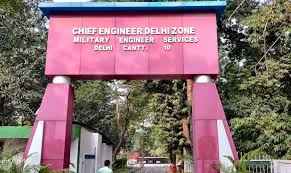
Chief Engineers manage extensive zones or critical defense projects under MES after serving as SE, overseeing large-scale infrastructure and strategic planning. They align projects with military goals. Their leadership ensures systemic reliability. They guide policy implementation and team performance.
ADGs handle overarching MES operations or specialized sectors like border infrastructure under the Ministry of Defence after promotions from Chief Engineer, shaping agency-wide engineering responses. They align efforts with national defense objectives. Their expertise drives military safety. They represent senior leadership in critical decisions.
Senior leaders oversee the entire MES under central government jurisdiction after serving in ADG roles, or transition to advisory roles in government, or academia at institutes like IITs, or provide expert consultancy in defense infrastructure policy. They influence national defense engineering reforms and logistics coordination. Their vision shapes India’s military framework. They mentor future engineers and drive systemic innovation in defense services.