 Marine Conservation Specialist
Leading Professions
Explore various career paths and opportunities in Marine Conservation Specialist
Marine Conservation Specialist
Explore various career paths and opportunities in Marine Conservation Specialist
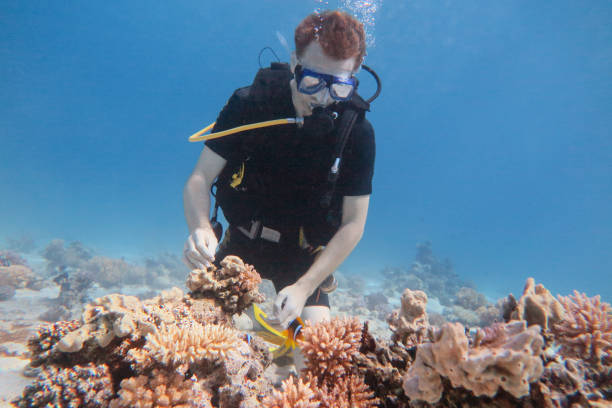
Entry-level professionals assist in underwater surveys, data collection, and basic monitoring tasks under supervision in organizations like the National Institute of Oceanography (NIO) or coastal state departments. They gain hands-on experience in marine species tracking and water quality assessment. Their work supports foundational marine research along India’s coastline.
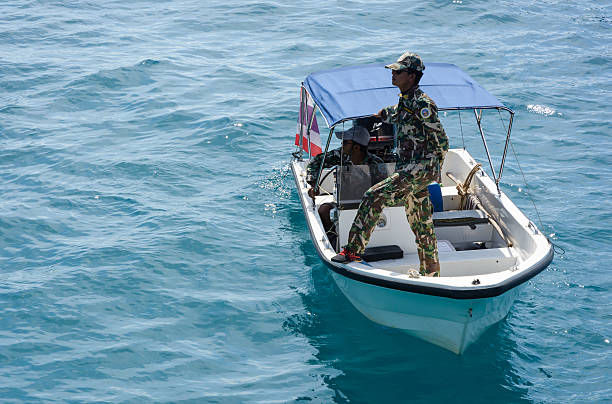
Mid-level specialists oversee marine conservation activities, including species monitoring and habitat protection, in entities like the Coastal Regulation Zone (CRZ) authorities or marine NGOs such as ReefWatch Marine Conservation. They implement conservation plans and engage with fishing communities to promote sustainable practices. Their role ensures direct protection of marine biodiversity.
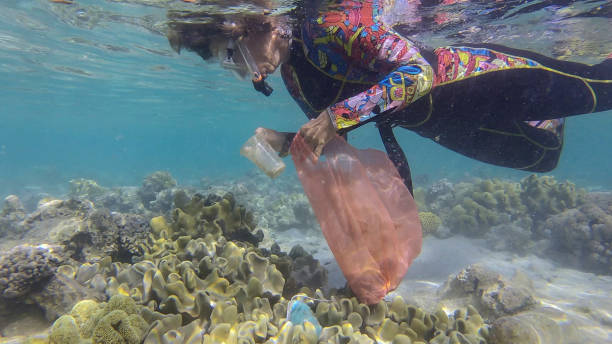
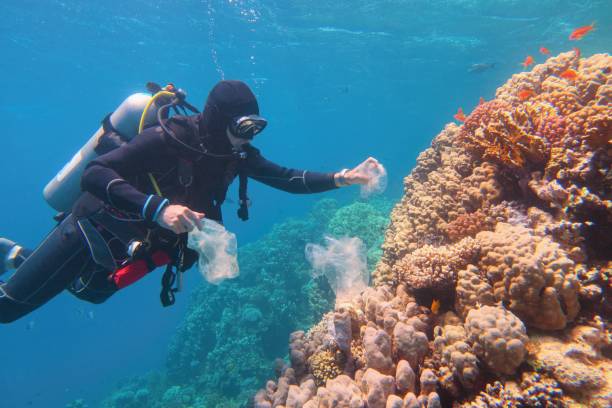
Professionals manage specific marine conservation projects, such as coral reef restoration or marine debris cleanup, for organizations like the Wildlife Trust of India (WTI) or state marine boards in areas like the Andaman and Nicobar Islands. They lead small teams and coordinate project logistics to achieve conservation targets.
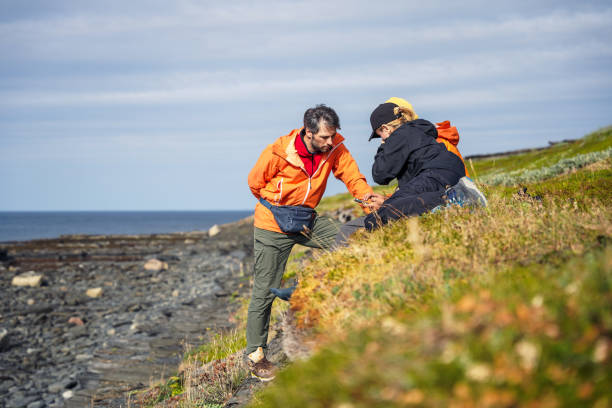
Experienced leaders oversee comprehensive marine conservation programs, aligning efforts with national ocean health goals in settings like the Ministry of Environment, Forest and Climate Change (MoEFCC) or international NGOs like WWF-India. They strategize long-term marine protection plans and secure funding for coastal initiatives.
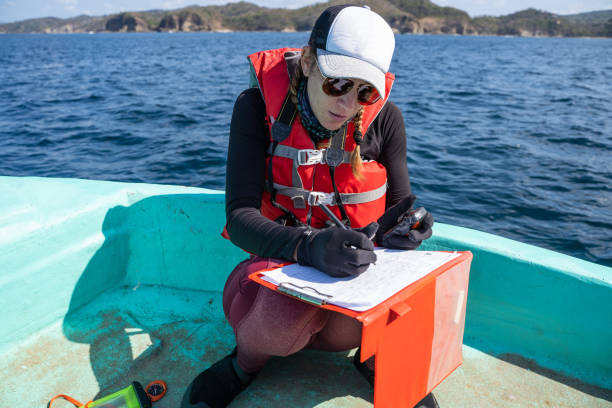
Senior experts conduct advanced research on marine ecosystems and advise on conservation strategies in research bodies like NIO or academic institutions such as CUSAT. They analyze oceanic trends to inform policy and restoration efforts, focusing on critical areas like mangrove ecosystems in the Sundarbans.
High-level professionals provide strategic guidance on marine protection laws and policies to government bodies like the National Biodiversity Authority or global marine networks active in India. They influence national legislation like CRZ rules to strengthen marine safeguards. Their expertise drives systemic change in marine governance.
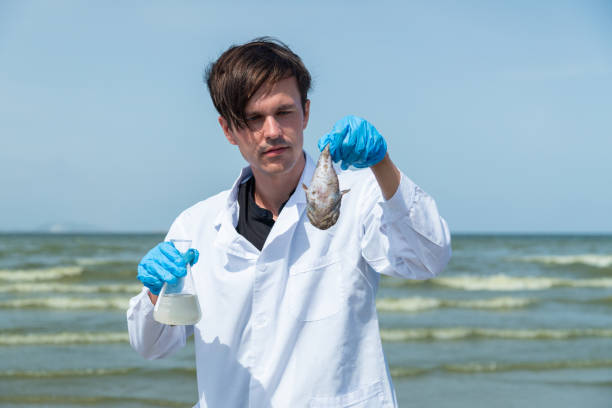
Top-tier educators or researchers lead marine conservation studies at institutes like Andhra University or Annamalai University. They mentor future conservationists and publish impactful research on marine biodiversity, focusing on India’s vast coastal and marine zones. Their leadership advances academic and practical marine conservation knowledge.