 Linguist
Leading Professions
Explore various career paths and opportunities in Linguist
Linguist
Explore various career paths and opportunities in Linguist

Specialists oversee major linguistic projects with exceptional competence. They integrate deep theoretical knowledge with expertise in research design for impactful outcomes. Their proficiency aids planning through collaboration with teams. They are central to research excellence, focusing on quality assurance.

Senior professionals specialize in applying linguistics to technology, ensuring innovation in AI and NLP. They provide leadership by managing tech projects and high-priority initiatives. Their contributions enhance efficiency through innovative solutions. They are essential for tech advancements, bridging language and algorithms.

Leaders provide strategic guidance on linguistic research in academic or corporate settings. They oversee initiatives by aligning studies with organizational goals. Their vision fosters growth by integrating modern solutions into frameworks. They are critical for research standards, preparing strategies for language studies.

Top-tier educators manage linguistics programs in universities. They handle curriculum, mentoring, and research while ensuring academic rigor. Their leadership integrates education into broader systems. They play a key role in knowledge development, championing future linguists.

Professionals focus on applying linguistics to legal contexts, blending analysis with law. They ensure accuracy in evidence like authorship or voice identification. Their expertise supports justice. They contribute significantly to legal proceedings.

Specialists study language in social contexts, analyzing variation and identity. They focus on societal impacts of language use. Their role enhances cultural understanding. They are essential for social research.

Experts research language evolution and historical changes. They reconstruct ancient languages through comparative methods. Their skills preserve linguistic heritage. They are key to understanding language origins.
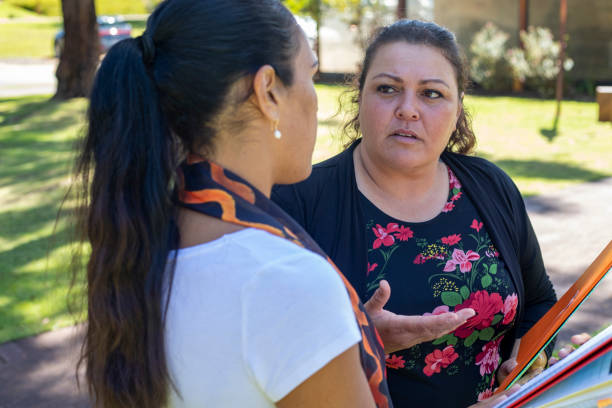
Professionals document languages through direct fieldwork, often in remote areas. They work with native speakers to record data. Their expertise ensures preservation. They are vital for linguistic diversity.