 Intelligence Officer
Leading Professions
Explore various career paths and opportunities in Intelligence Officer
Intelligence Officer
Explore various career paths and opportunities in Intelligence Officer
Entry-level officers gather and analyze basic intelligence data under agencies like IB after clearing SSC CGL or IB ACIO exams, often in field offices or headquarters. They focus on learning intelligence techniques. Their work supports ground-level threat assessment. They build foundational skills under senior guidance for career progression.
CIOs manage specific intelligence portfolios or regions for agencies like IB or RAW after promotions from ACIO, handling detailed analysis and field operations. They oversee informant networks and data collection. Their expertise ensures actionable insights. They act as a stepping stone to senior roles.
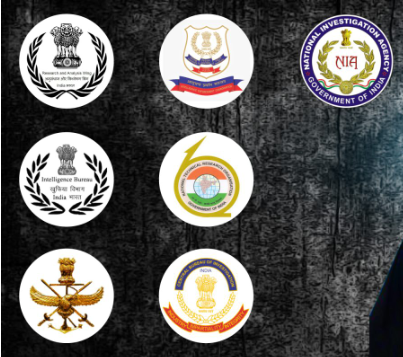
Senior Intelligence Officers lead intelligence units or specialized desks under IB or RAW after experience as CIO, managing critical operations like counter-terrorism or espionage. They coordinate inter-agency efforts and strategic reporting. Their leadership drives threat prevention. They mentor junior officers and shape operational strategies.
Deputy Directors oversee major intelligence divisions or operations under IB or RAW after years as Senior Intelligence Officer, managing complex missions and policy inputs. They ensure compliance with national security goals. Their expertise influences strategic outcomes. They advise on critical intelligence matters.

Joint Directors manage large-scale intelligence programs or regional bureaus under IB or RAW after serving as Deputy Director, aligning operations with national priorities. They supervise multiple units and high-stake missions. Their leadership ensures systemic security. They guide intelligence policy and team performance.

Additional Directors handle overarching intelligence strategies or specialized sectors like cyber security under IB or RAW after promotions from Joint Director, shaping agency-wide responses to threats. They align efforts with government objectives. Their expertise drives national safety. They represent senior leadership in critical decisions.

Senior leaders oversee entire agencies like IB or RAW or serve as National Security Advisor under central government jurisdiction after serving in Additional Director roles, or transition to advisory roles in government, or academia at institutes like JNU, or provide expert consultancy in security policy. They influence national security reforms and global intelligence coordination. Their vision shapes India’s defense framework. They mentor future officers and drive systemic innovation in intelligence services.