 Fraud Examiner
Leading Professions
Explore various career paths and opportunities in Fraud Examiner
Fraud Examiner
Explore various career paths and opportunities in Fraud Examiner

Mid-level professionals who conduct detailed analyses of financial data to detect potential fraud. They use statistical tools and software to uncover anomalies and assist in preliminary investigations. Their work involves close collaboration with auditors and investigators to validate findings. They often specialize in specific areas like insurance or banking fraud. Their contributions are vital for providing actionable insights to prevent financial losses.

Certified professionals who have passed the CFE exam and gained practical experience, leading investigations into financial misconduct. They apply advanced forensic accounting and legal knowledge to uncover fraud schemes like embezzlement or money laundering. Their role includes preparing detailed reports for legal action and advising on preventive measures. They often serve as expert witnesses in court, providing critical testimony. They are central to ensuring organizational integrity and protecting assets.

Experienced professionals who oversee complex fraud investigations, managing multiple cases and mentoring junior staff. They handle high-stakes investigations involving large financial losses or intricate schemes. Their expertise lies in tracing hidden assets and coordinating with legal teams for prosecution. They often develop fraud prevention policies tailored to organizational needs. Their leadership is essential for maintaining trust and credibility in financial oversight.

Leaders who manage teams of fraud examiners, coordinating large-scale investigations across departments or regions. They develop strategic plans for fraud detection and prevention, aligning efforts with organizational goals. Their role involves stakeholder communication, presenting findings to executives or boards. They ensure investigations adhere to legal and ethical standards. They are critical for scaling fraud prevention efforts and fostering a culture of accountability.

Senior leaders responsible for designing and implementing organization-wide fraud prevention frameworks. They oversee risk assessments, policy development, and training programs to minimize fraud vulnerabilities. Their strategic vision integrates technology like AI for proactive detection. They often collaborate with external agencies to address industry-wide fraud trends. Their role is pivotal for long-term financial security and regulatory compliance.
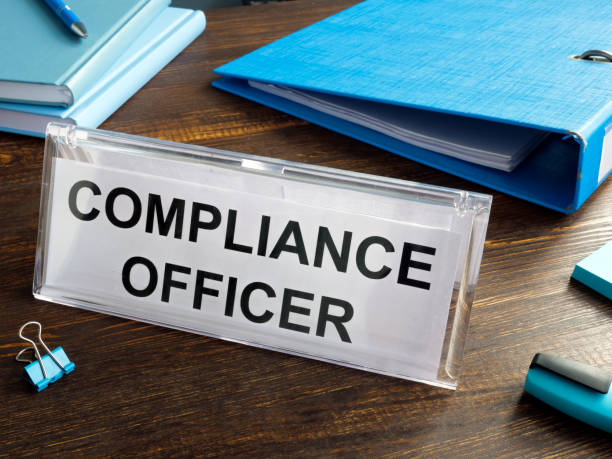
Top-tier executives who oversee all compliance and fraud prevention activities within an organization. They ensure adherence to legal and regulatory standards while managing fraud risks at the highest level. Their leadership shapes policies that protect against financial crimes across global operations. They represent the organization in regulatory audits and legal matters. They play a key role in building trust with stakeholders and ensuring ethical practices.

Highly experienced professionals who provide advisory services on international fraud prevention and investigation strategies, often working freelance or with consulting firms. They assist organizations in navigating cross-border fraud schemes, cybercrimes, and regulatory challenges. Their expertise lies in aligning global anti-fraud practices with local laws. They often advise on high-profile cases or systemic fraud issues. Their role is crucial for multinational corporations aiming to safeguard operations worldwide.

Experts focusing on digital fraud, including hacking, identity theft, and online scams. They use cybersecurity tools to trace digital footprints and recover stolen assets. Their role involves collaboration with IT teams to secure systems against future attacks. They often advise on implementing robust cyber defences. They are essential for protecting organizations in an increasingly digital financial landscape.